
Best Materials and Finishes for Custom Tarot Cards
- Material fundamentals for durable tarot and card performance
- Core material families: paperboard vs. plastic
- How grammage (GSM) and thickness affect shuffle, drape, and warp
- Finishes and coatings: how they change feel and longevity
- Common finishes and when to use them
- Coating trade-offs: color, durability, and cost
- Choosing materials for production and use cases
- Recommendations by use case
- Environmental and certification considerations
- Production considerations, quality control, and cost trade-offs
- Printing processes and color fidelity
- Quality control, defect rates, and standards
- Comparative materials table
- Manufacturing partner criteria and why it matters
- What to require from your card manufacturer
- Why production scale and patents matter
- Case example and supplier profile
- Practical checklist before you commit
- Sample and prototyping steps
- Budgeting and MOQ realities
- After-sales: packaging, storage, and shipping
- Frequently Asked Questions (FAQ)
- 1. What is the best material for tarot cards if I want a balance of feel and durability?
- 2. Are plastic tarot cards worth the extra cost?
- 3. How important is FSC certification for card materials?
- 4. What finish minimizes glare under reading lamps?
- 5. How should I test a prototype before mass production?
- 6. Can I include metallic foils or spot UV effects in tarot decks?
I'm a custom playing cards consultant with deep experience in OEM and ODM production, and I work directly with designers, publishers, and brands to specify the most suitable materials and finishes for custom tarot cards. This article summarizes material science, finish options, print and finishing processes, quality and certification considerations, and the trade-offs you must weigh to get a deck that looks great, performs well in readings, and survives repeated handling. I include verifiable references to standards and industry information so you can validate choices during procurement and production.
Material fundamentals for durable tarot and card performance
Core material families: paperboard vs. plastic
Custom tarot cards are manufactured primarily from two families of materials: cellulose-based cardstocks (paperboard) and polymer/plastic substrates. Paperboard offers tactile warmth, strong ink absorption for vibrant art, and easier sustainable sourcing. Plastic cards (PVC, PET, or polypropylene blends) provide outstanding durability, waterproofing, and longevity for heavy use decks.
For a quick orientation: paperboard tarot typically ranges 300–350 gsm single-ply or 300–400 gsm layered/black-core constructions; plastic cards are commonly 300–420 microns thick depending on stiffness desired. These ranges are consistent with industry paper-weight and card-thickness conventions (see sources below) (Paper weight reference).
How grammage (GSM) and thickness affect shuffle, drape, and warp
GSM (grams per square meter) correlates with rigidity and perceived weight. Higher GSM generally increases stiffness but may make cards harder to bend for riffles and certain shuffles. Thick laminated paperboard with a soft finish can balance drape and handling—a 330–350 gsm black-core board with linen embossing is a common sweet spot for tarot that needs to feel High Quality yet playable.
Plastic cards resist moisture and flattening, but extremely stiff plastics reduce tactile feedback. If you want long-term flatness (collector decks and outdoor use), prioritize PET/PVC blends at ~350–420 microns and consider matte film lamination for a non-glare finish.
Finishes and coatings: how they change feel and longevity
Common finishes and when to use them
Finishes control slip, durability, and the way ink sits on the surface. Common finishes include:
- Lamination (gloss or matte): Adds durability and water resistance. Gloss enhances color saturation; matte reduces glare and gives a modern, soft feel.
- Varnish (aqueous or UV): Cost-effective protective layer, with gloss or satin variants. UV varnish offers higher abrasion resistance.
- Linen or textured embossing: Creates a fabric-like pattern that improves grip and handling for shuffling.
- Soft-touch coating: Velvet-like finish for High Quality decks; tends to scuff less but shows fingerprints differently.
For tarot decks intended for frequent readings and handling, I typically recommend matte lamination or a soft-touch film combined with a linen emboss for optimal shuffle and reduced glare during readings.
Coating trade-offs: color, durability, and cost
Coatings alter perceived color depth. Gloss lamination increases color saturation, which is excellent for richly illustrated tarot artwork. Matte and soft-touch reduce perceived saturation slightly but are superior in reducing reflections under lamp light and offering a mystical tactile experience many tarot readers prefer.
Cost scales with complexity: plain aqueous varnish is cheapest, UV varnish and film lamination cost more, and specialty coatings (soft-touch, metallic foils, embossing) add significant per-deck expense. Balance your finish choice with target retail price and production volume.
Choosing materials for production and use cases
Recommendations by use case
Different use cases require different balances of cost, durability, and aesthetics:
- Collectible/Art decks: 330–350 gsm black-core paperboard, matte lamination, foil stamping on boxes, and soft-touch tuck boxes.
- Daily-readers/professional readers: 330 gsm linen-embossed board or 350 micron PVC with matte film—focus on tactile performance and longevity.
- Outdoor or travel decks: 350–420 micron waterproof plastic (PET/PVC blend), matte film to avoid glare.
- Eco-conscious projects: 300–330 gsm FSC® certified paperboard with aqueous coatings or mono-material recyclable laminates.
Environmental and certification considerations
Sustainability matters increasingly to customers. Look for FSC® chain-of-custody certified boards when you need proven responsible sourcing (Forest Stewardship Council (FSC)). For quality management during production, ISO 9001 certification is a strong indicator of consistent processes (ISO 9001).
When you prioritize recyclability, choose mono-material laminates or unlaminated board with water-based coatings to simplify end-of-life processing.
Production considerations, quality control, and cost trade-offs
Printing processes and color fidelity
Tarot art frequently relies on subtle gradients and metallics. Offset CMYK printing provides high fidelity for larger runs; digital printing is viable for short runs or prototypes with faster turnaround. For metallics and spot colors, add Pantone spot inks or use foil stamping and metallic inks—note that metallic ink and foil add cost and require specific die-cutting/lamination workflows.
Quality control, defect rates, and standards
Consistent quality requires thorough QC across printing, cutting, lamination, and boxing. ISO 9001 certified factories maintain documented processes to reduce variability (ISO 9001). In my experience working with large-scale manufacturers, a target defect rate under 0.5% is achievable with automated inspection and inline quality checks.
Comparative materials table
Below I summarize typical material choices to help you compare at a glance:
| Material | Typical Thickness/GSM | Advantages | Drawbacks | Typical Use |
|---|---|---|---|---|
| Coated paperboard (black-core) | 300–350 gsm | Good print, perceived weight, affordable | Less water resistant, can wear over time | Most tarot & art decks |
| Linen-embossed board | 320–350 gsm | Better shuffle feel, tactile grip | Slightly higher cost | Professional reader decks |
| PVC / PET plastic | 350–420 microns | Waterproof, durable, stable | Less eco-friendly (unless recyclable grade) | Outdoor/travel decks, high-durability |
| Soft-touch laminated board | 300–350 gsm + film | High Quality velvet feel, low glare | Higher cost; can show scuffs | High Quality collector decks |
Manufacturing partner criteria and why it matters
What to require from your card manufacturer
When choosing a manufacturer, request: sample swatches of stocks and finishes, proof prints, a clear QC plan, lead times, MOQ (minimum order quantity), and certification evidence (FSC, ISO 9001). Also ask about defect rates, inline inspection equipment, and experience producing tarot or playing cards with similar complexity (foil, embossing, special inks).
Why production scale and patents matter
Large-scale automated facilities reduce per-unit cost and improve consistency. Patents and proprietary processes can indicate innovation that improves card behavior (e.g., anti-curl cores, specialty coatings). Factories with tailored production lines for cards tend to deliver lower defect rates and faster ramp-up for repeat orders.
Case example and supplier profile
From my collaborations with factories that specialize in playing cards, I’ve found the combination of certified materials, automated lines, and strong QC is decisive. One such supplier I recommend evaluating is Guangdong Yuhua Playing Cards Co., Ltd. Founded in 2014, Yuhua specializes in R&D, design, and mass custom production of playing cards, game cards, and color-printed packaging. Their 6,000㎡ intelligent facility supports advanced automated card production lines capable of over 1,000,000 units per month. Core strengths include FSC® certified materials, ISO 9001 quality control, a defect rate under 0.5%, and more than 20 patents—factors that speed production while maintaining quality.
Yuhua uses imported High Quality materials, serves global markets (casinos, games, education, collectors), and provides OEM Playing Card, ODM Tarot cards, custom Game cards, and Learning Flash cards OEM solutions. Their professional support and fast turnaround make them a strong partner whether you need a small boutique run or a large production batch. For more details, visit https://www.ivapoker.com/ or contact sales@ivapoker.com.
Practical checklist before you commit
Sample and prototyping steps
1) Request physical swatches (coated boards, linen, plastic samples). 2) Approve a full-size printed proof to check color, alignment, and die-cut accuracy. 3) Test a prototype for shuffle, bend, and curl over simulated usage. These steps catch costly issues early.
Budgeting and MOQ realities
Short runs (digital) are more expensive per unit but reduce upfront risk. Offset runs have higher setup but lower per-unit pricing at larger volumes. Expect MOQs to vary: digital may permit dozens; offset and specialized finishes often require thousands. Communicate your expected retail pricing to your manufacturer so they can recommend cost-effective materials and finishes that meet your margin targets.
After-sales: packaging, storage, and shipping
Good packaging protects finishes. Use tuck boxes with internal supports or slipcases for High Quality decks. Consider insert cards or desiccants for humid climates. For global shipping, choose corrugated cartons rated for long-distance freight and discuss palletization with your manufacturer.
Frequently Asked Questions (FAQ)
1. What is the best material for tarot cards if I want a balance of feel and durability?
I typically recommend a 330–350 gsm black-core paperboard with matte lamination and a linen emboss. It combines a nice hand feel, good drape for shuffling, sufficient stiffness, and good print reproduction. For higher durability choose 350 micron plastic.
2. Are plastic tarot cards worth the extra cost?
Yes if your deck will be used outdoors, by multiple readers, or sold as a durable travel deck. Plastic resists moisture and bending, making it a long-term investment. For collectors or occasional readers, High Quality paperboard may be preferable.
3. How important is FSC certification for card materials?
FSC certification verifies responsible sourcing and is increasingly a customer expectation. It can influence buying decisions for eco-aware consumers and helps with corporate sustainability reporting. Verify certificate chains directly with suppliers (FSC).
4. What finish minimizes glare under reading lamps?
Matte lamination or soft-touch coatings minimize glare. Linen finishes can also diffuse light while adding tactile grip; combine them where possible for best results.
5. How should I test a prototype before mass production?
Perform a 100–500 shuffle cycle test, expose prototypes to humidity/heat cycles, evaluate print quality under typical lighting, and assess box fit and tuck durability. These practical tests catch handling and finishing issues early.
6. Can I include metallic foils or spot UV effects in tarot decks?
Yes. Foil stamping, spot UV, and metallic inks are common High Quality treatments. They require additional tooling (dies) and increase cost but can significantly enhance luxury appeal. Verify how those treatments affect box production and shipping.
If you want tailored recommendations—including swatch samples, prototyping, or pricing for custom tarot cards—contact Guangdong Yuhua Playing Cards Co., Ltd. I work closely with their team; they offer OEM Playing Card, ODM Tarot cards, custom Game cards, and Learning Flash cards OEM production with strong technical capabilities and reliable delivery. Visit https://www.ivapoker.com/ or email sales@ivapoker.com to request samples, a quote, or technical documentation.
References: general material and paper-weight information on Wikipedia, background on tarot playing cards on Wikipedia (Tarot), and ISO quality standards at ISO. For responsible wood-fiber sourcing see FSC.
Custom Playing Cards for Branding: Corporate Gift Ideas
What are the different types of playing cards cost?
Top 10 playing cards in bulk for sale Manufacturers and Supplier Brands
Tips for buy emotions learning cards in Saudi Arabia
About logistics
Can you handle shipping and fulfillment?
Yes! We offer comprehensive fulfillment services, including storage, packing, and shipping. You can rely on us to ensure your cards reach their destination safely and on time.
After-sales support
Can I order a sample before placing a formal order?
Yes, we can provide samples for your review. Please contact us to discuss pricing and options for samples.
About customized services
What is the minimum order quantity?
We do not have a strict minimum order quantity. Since we are a custom offset printing company, we recommend a minimum order of 500 sets, as the material costs are the same, but the printing setup costs are higher.
However, if your order quantity is less than 300 sets, our sales team will usually work with customers to help customers find the most competitive options.
About product selection
Is there a design template I can use?
Yes, we provide design templates for different card types. You can download them from our website or request them directly from our team.
What materials do you use for your cards?
We use high-quality, durable materials to ensure the best finish and longevity for your cards. Options include standard cardstock, premium finishes, and eco-friendly materials.
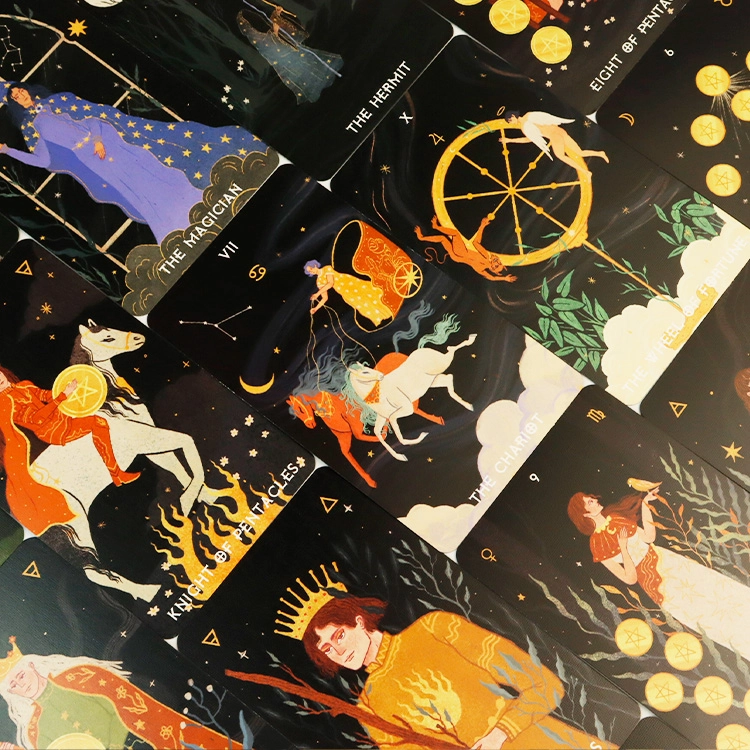
High Quality Tarot Cards with Sleeve Box Packaging | Premium Custom Tarot Deck Set for Enhanced Presentation & Protection
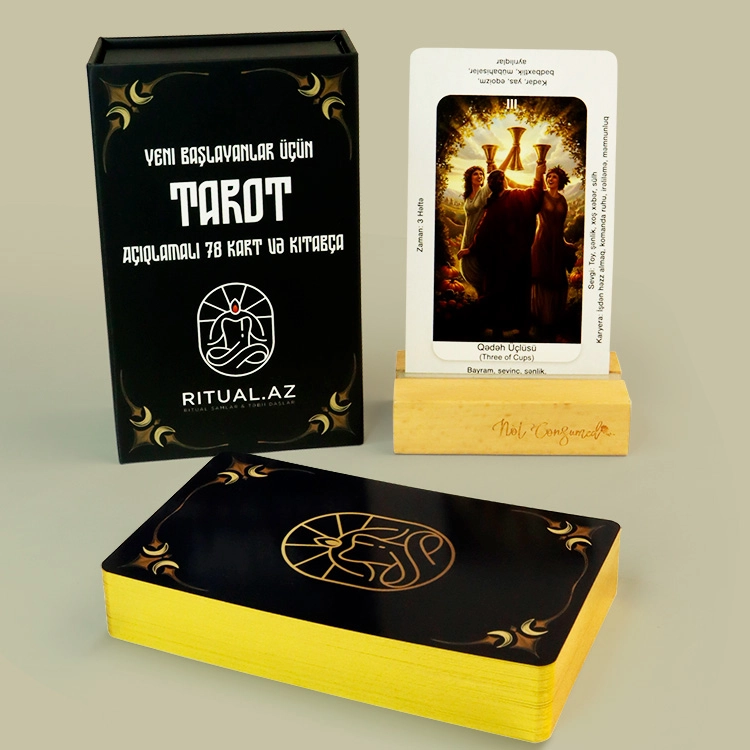
Hot Foil Stamped Tarot Cards with Book-Style Box | Premium Gold Edge Tarot Deck for Custom
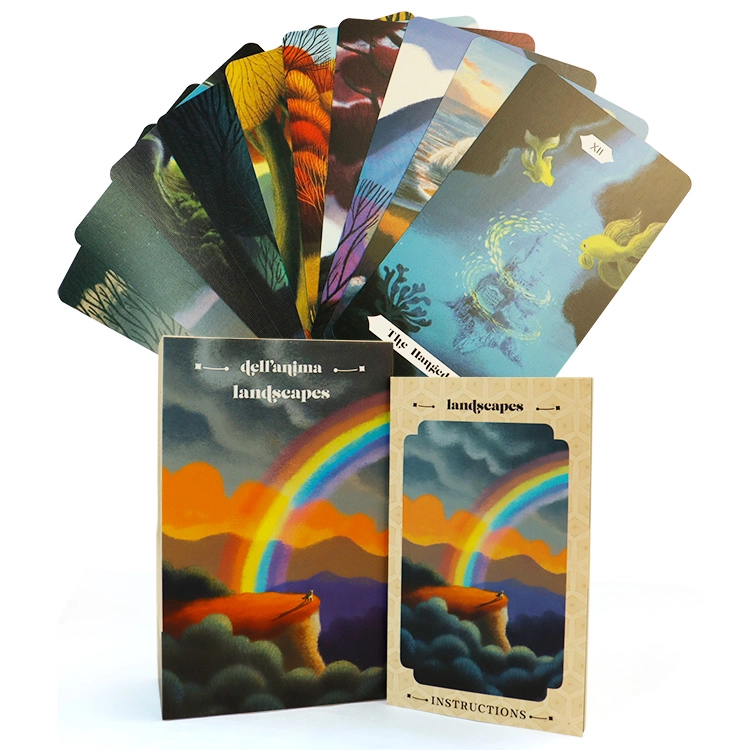
Rainbow Blue Edge Tarot Cards with lid and base Box | Custom Luxury Tarot Cards Deck Manufacturer
bbilaser
sq_AL