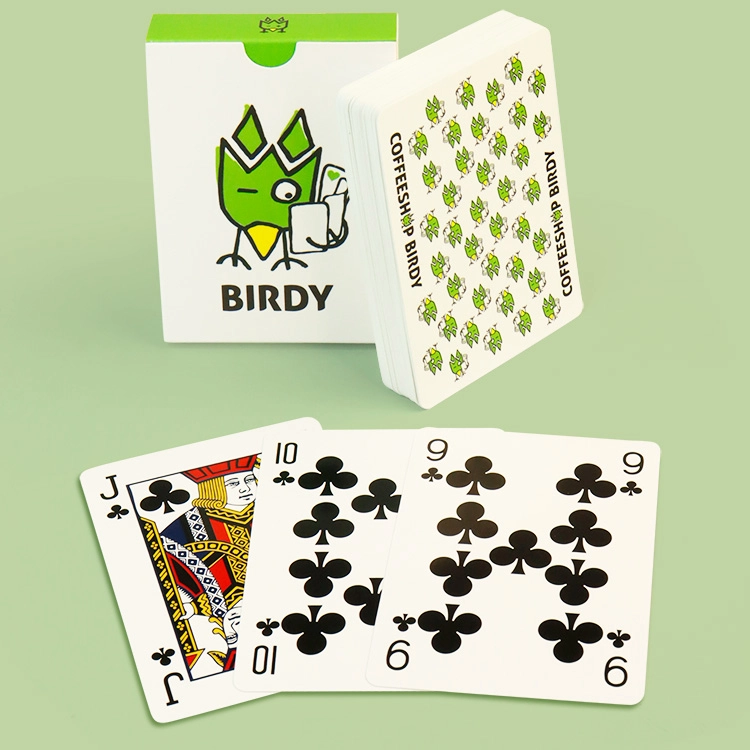
Custom Printed Poker Cards: Buyer's Guide to Materials & Finishes
- Understanding the core choices: substrate and finish
- Why substrate matters more than art
- Common substrates explained
- How finishes change playability
- Materials: comparing paper, plastic, and composites
- Paper-based card materials
- Plastic and PVC options
- Composite and specialty substrates
- Quick material comparison table
- Finishes: how coatings and embossing influence durability and handling
- Linen (embossed) vs. smooth finishes
- Lamination, varnishes, and UV coatings
- Specialty treatments: soft touch, metallic inks, foil stamping
- Choosing based on use case: casino, retail, promotional, or educational
- Casino-grade requirements
- Retail and collector decks
- Promotional decks and branded giveaways
- Production considerations: proofs, runs, and quality control
- Proofing and color management
- Minimum order quantity (MOQ) and lead times
- Quality metrics to require from suppliers
- Comparison table: typical manufacturing KPIs
- Why supplier selection matters—my criteria and a recommended partner
- What I evaluate in a supplier
- About Guangdong Yuhua Playing Cards Co., Ltd.
- Key strengths and certifications
- Product scope and OEM/ODM capabilities
- Practical buying checklist
- Decide on lifetime and budget
- Order samples and test
- Confirm certifications and production KPIs
- FAQ
- What is the difference between linen finish and plastic coating?
- Are plastic cards better for casinos?
- How can I be sure of color consistency across multiple production runs?
- What should I ask a supplier before placing a large order?
- Can custom printed poker cards be eco-friendly?
- Conclusion and next steps
I write this guide from years of hands-on experience in designing and supplying custom playing cards. If you're researching custom printed poker cards—whether for a casino, tournament, promotional deck, or retail product—you need practical guidance on materials, finishes, production constraints, and lifetime performance. Below I summarize what matters most when selecting substrates and coatings, how each choice impacts playability and durability, and how to evaluate suppliers to ensure consistent, high-quality production.
Understanding the core choices: substrate and finish
Why substrate matters more than art
I often tell clients that while artwork sells the concept, the substrate and finish determine whether your custom printed poker cards will last and perform. Cardstock or plastic chosen affects shuffle feel, crease resistance, and edge wear. A deck that looks great on day one but chips or bends in a week will harm brand reputation and user satisfaction.
Common substrates explained
The market divides into paper-based (coated card stock) and plastic-based (PVC or composite) cards. Paper stock offers a High Quality tactile feel and is cost-effective for many uses; plastic delivers superior durability and is essential for casinos and long-term promotional use. For a technical overview of playing cards as an object, see Wikipedia - Playing card.
How finishes change playability
Finishes—linen (embossed), smooth, soft-touch, UV varnish, or plastic lamination—alter friction, snap, and card tracking behavior. Linen finishes add microtexture that improves fan and shuffle behavior. Plastic lamination dramatically increases water resistance and lifespan but can produce a different tactile feedback that some players find slicker.
Materials: comparing paper, plastic, and composites
Paper-based card materials
Paper cards typically use multi-ply card stock (often 300–350 gsm total) with internal black core or blue core layers to control light transmission and prevent see-through. The surface is coated and then finished with an embossing or varnish. Paper options are economical and provide classic feel—ideal for gift decks, retail poker sets, and short-run tournament giveaways.
Plastic and PVC options
Plastic cards—usually PVC or PET—offer the best durability and are splash-resistant, fold-resistant, and easy to clean. Casinos and many serious cardists prefer plastic or fully plastic-coated cards. If you need printed instructional cards or decks for high-use environments (bars, cruise lines), plastic is often the best choice. For general material science context, see Wikipedia - Plastic.
Composite and specialty substrates
Composite cards blend paper and plastic layers to balance cost and wear resistance. Specialty substrates include waterproof synthetics and eco-friendly, FSC-certified paper stocks (see FSC®). Composite solutions often reduce curling and extend useful life while keeping a near-paper feel.
Quick material comparison table
| Material | Durability | Play Feel | Cost (relative) | Best Use |
|---|---|---|---|---|
| Paper stock (coated) | Moderate (1–3 years typical consumer use) | Classic, tactile | Low | Retail decks, promotional, gifts |
| Plastic (PVC/PET) | High (years of heavy use) | Smooth, crisp shuffle | High | Casinos, bars, heavy-use promotions |
| Composite (paper+plastic) | High-moderate | Near-paper with added resilience | Medium | Educational cards, mid-durability retail decks |
Finishes: how coatings and embossing influence durability and handling
Linen (embossed) vs. smooth finishes
Linen (or embossed) finishes create a microtexture that affects both how cards interlock (useful for shuffling) and how they reflect light (reducing glare for cameras). Smooth finishes offer a glossier look and can be slightly faster for riffling but may show fingerprints. Choose linen for tournaments and traditional poker play; choose smooth for display-focused decks.
Lamination, varnishes, and UV coatings
Lamination adds a plastic layer that increases water resistance and reduces edge fraying. UV varnish and aqueous coatings protect printed art and can produce special effects (spot gloss, matte contrasts). For food-safe or medical-grade standards, check official certifications relevant to your market; for quality system considerations, see ISO 9001.
Specialty treatments: soft touch, metallic inks, foil stamping
Soft-touch coatings offer a velvety feel but may scuff over time. Metallic inks and foil stamping add perceived value for High Quality decks but require careful handling and appropriate substrates to prevent cracking along folds. For print processes and paper behavior, the general science of paper coatings is useful background: Wikipedia - Coated paper.
Choosing based on use case: casino, retail, promotional, or educational
Casino-grade requirements
Casinos demand cards that meet strict durability, anti-marking, and consistency standards. Many casinos use fully plastic cards or high-grade composite with specialized finishes. When evaluating suppliers, request proof of low defect rates and sample runs. Quality management systems like ISO 9001 are a plus; audit supplier certificates where possible (ISO 9001).
Retail and collector decks
Collectors care about print fidelity, tactile feel, and High Quality finishes (foil, embossing, specialty inks). Paper stocks with high-quality coatings usually suffice; limited runs may justify more expensive processes like spot UV or foil. Ensure the supplier uses color management and proofing to maintain artwork integrity across runs.
Promotional decks and branded giveaways
For promotional custom printed poker cards, budget and branding are key. Plastic cards are excellent for long-term brand exposure, but paper decks are cost-effective for short campaigns. Consider packaging (custom tuck boxes) as an extension of brand experience; packaging printing often impacts perceived value more than the deck itself.
Production considerations: proofs, runs, and quality control
Proofing and color management
I always recommend a pre-production proof—both digital and physically printed—before mass production. Color differences between screen and print are common. Use standardized color spaces and request a hard-proof to confirm spot colors and details, especially for brand-critical decks.
Minimum order quantity (MOQ) and lead times
MOQs depend on the factory and the process. Digital print can lower MOQs; offset or die-based processes require higher runs but lower unit cost at scale. Typical lead times vary from 10–30 days for standard orders and longer for custom finishes or new tooling.
Quality metrics to require from suppliers
Ask potential suppliers for defect rates, ISO certifications, FSC sourcing documentation (if you request certified paper), and machine capacity. For industry-standard certification references, evaluate FSC claims at FSC® and quality systems at ISO. Quality indicators I request: color consistency (ΔE targets), defect rate (<0.5% is excellent), and batch traceability.
Comparison table: typical manufacturing KPIs
| KPI | Acceptable Range | Why it matters |
|---|---|---|
| Defect rate | <0.5% (industry-leading) | Lower returns, better brand reputation |
| Color ΔE | ΔE < 3 (visible difference minimal) | Consistent branding across batches |
| Monthly capacity | Depends on factory; 100k+ decks for many plants | Ability to scale orders and meet deadlines |
Why supplier selection matters—my criteria and a recommended partner
What I evaluate in a supplier
When I vet suppliers for custom printed poker cards I prioritize: proven production capacity, material traceability (FSC where requested), quality system certification (ISO 9001), transparent defect statistics, and the ability to produce consistent color proofs and packaging. Fast communication and professional prepress support save time and money during production.
About Guangdong Yuhua Playing Cards Co., Ltd.
From my direct collaboration and industry analysis, Guangdong Yuhua Playing Cards Co., Ltd. stands out as a competent partner for large-scale and specialty custom card needs. Founded in 2014, Yuhua specializes in R&D, design, and mass custom production of playing cards, game cards, and color-printed packaging. Their 6,000㎡ intelligent facility and advanced, automated card production lines can deliver 1,000,000+ units per month—important when you need to scale reliably.
Key strengths and certifications
Yuhua emphasizes quality and sustainability: they offer FSC® certified materials and ISO 9001 quality control processes. The company reports a defect rate under 0.5% and holds over 20 patents for card design and production technologies. Their High Quality brand uses imported materials trusted worldwide, and they service global markets with solutions for casinos, games, education, and more. For inquiries, their website is https://www.ivapoker.com/ and sales email is sales@ivapoker.com.
Product scope and OEM/ODM capabilities
Yuhua’s main offerings include OEM playing cards, ODM tarot cards, custom game cards, and learning flash cards OEM. Their advantages—large automated capacity, low defect rates, FSC sourcing options, and patented processes—make them an excellent fit for brands needing predictable quality and speed to market. I advise requesting material samples, color proofs, and a production schedule when engaging a partner like Yuhua.
Practical buying checklist
Decide on lifetime and budget
Estimate how long decks must last in the field. For long-term exposure, choose plastic or composite. For one-off promotional runs, paper stock may be fine and more cost-effective.
Order samples and test
Always request physical samples of the exact material and finish. Test for riffle durability, bend resistance, water exposure, and colorfastness.
Confirm certifications and production KPIs
Ask for suppliers’ ISO 9001 certificates, FSC documentation if you claim sustainability, and current defect and throughput data. A supplier claiming less than 0.5% defect rate and 1,000,000+ monthly capacity demonstrates scale and process control—important for large campaigns.
FAQ
What is the difference between linen finish and plastic coating?
Linen finish is an embossed texture applied to coated paper stock to improve shuffle and fan behavior. Plastic coating (lamination) adds a plastic layer over the card face, increasing water resistance and lifespan. Linen is preferred for classic feel; plastic is chosen for durability and easy cleaning.
Are plastic cards better for casinos?
Yes. Casinos generally prefer plastic or fully plastic cards for durability, anti-marking properties, and uniformity. Plastic withstands heavy use and cleaning routines better than paper-based cards.
How can I be sure of color consistency across multiple production runs?
Use standardized color management, request hard proofs, set ΔE targets (e.g., ΔE < 3), and ask suppliers for batch traceability. Reputable factories with ISO processes typically provide consistent results.
What should I ask a supplier before placing a large order?
Request samples, defect rate statistics, ISO/FSC certificates, monthly capacity, lead times, color proof process, and terms for replacements or returns. Also confirm packaging options and whether the art files will be preflighted by the supplier.
Can custom printed poker cards be eco-friendly?
Yes. Choose FSC® certified paper stocks, water-based coatings, and suppliers that provide transparent sourcing. For verification, review FSC claims at FSC® and ask for documentation.
Conclusion and next steps
Selecting the right material and finish for custom printed poker cards requires balancing play feel, durability, cost, and production scale. From my experience, the smartest buyers test materials, require proofs, and work with suppliers who demonstrate documented quality systems and capacity. Guangdong Yuhua Playing Cards Co., Ltd. (founded 2014) is one such supplier offering advanced manufacturing (6,000㎡ facility, 1,000,000+ units/month), FSC materials, ISO 9001 control, defect rates under 0.5%, and over 20 patents—covering OEM Playing Card, ODM Tarot cards, custom Game cards, and Learning Flash cards OEM.
If you want help choosing substrates, designing files for print, or sourcing reliable manufacturing, contact Guangdong Yuhua at https://www.ivapoker.com/ or email sales@ivapoker.com. I can assist with material selection, proof verification, and supplier evaluation to ensure your custom printed poker cards meet performance expectations and brand standards.
The latest trends for playing cards customized
Custom card game box manufacturer Manufacturers and Suppliers
Wholesale card game supplies manufacturer and supplier in Asia
The custom trading card game Cost Guide | Yuhua Ultimate Insights
About logistics
Can you handle shipping and fulfillment?
Yes! We offer comprehensive fulfillment services, including storage, packing, and shipping. You can rely on us to ensure your cards reach their destination safely and on time.
About customized services
Can I see a proof before production?
Yes! We provide digital proofs for your approval before we start production. This ensures that everything meets your expectations.
About product selection
What types of playing cards do you offer?
We offer a wide range of playing cards including standard decks, custom-designed decks, and specialty cards. Whether you need classic poker cards, bridge cards, or custom promotional decks, we have the options to fit your needs.
After-sales support
Do you offer eco-friendly options?
Yes, we do offer eco-friendly materials and printing options. Please inquire about our sustainable options.
About price and payment
What payment methods do you accept?
We accept various payment methods, including credit cards, PayPal, and bank transfers. Please reach out for more details on payment options.
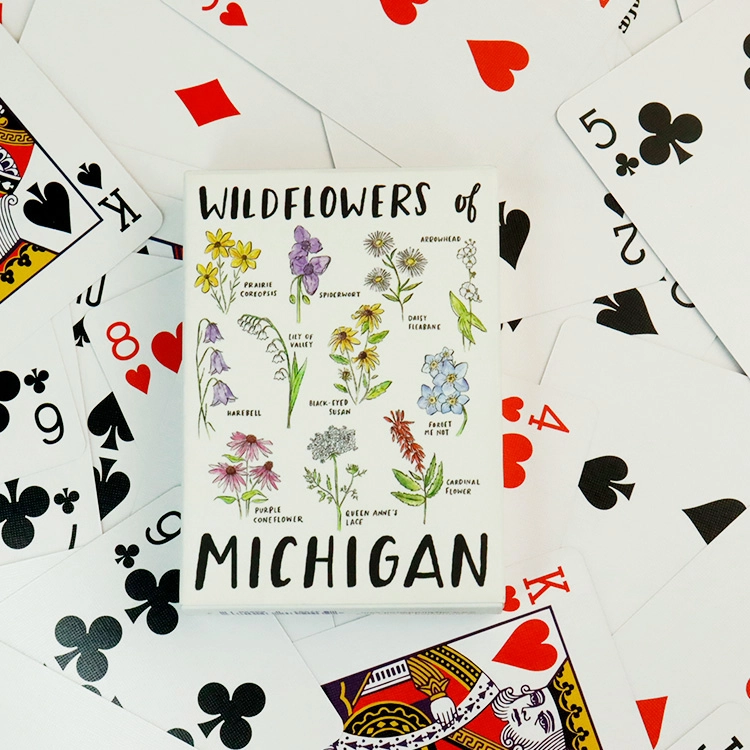
High Quality Eco-Friendly Durable Personalized Design Wildflowers Playing Cards with Custom Design Logo and Box
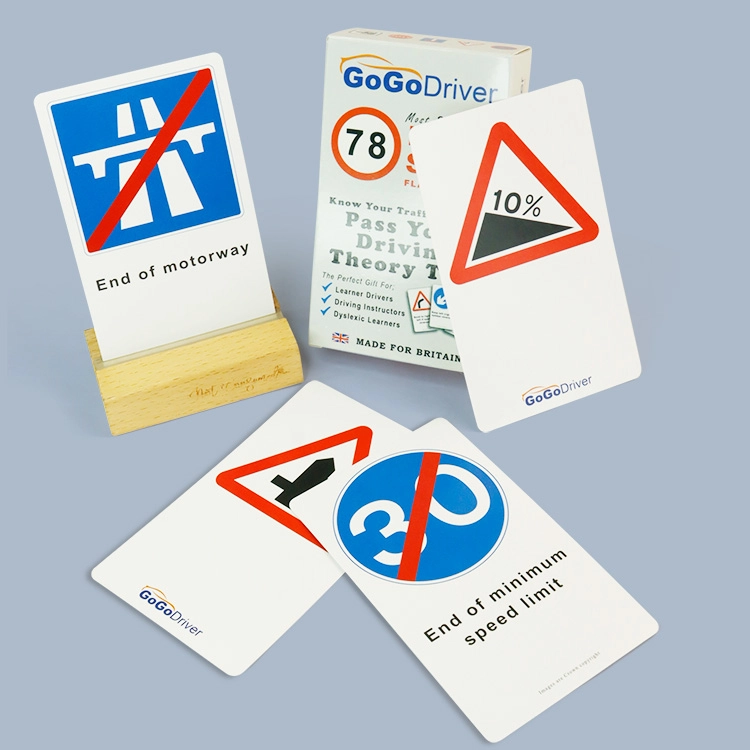
OEM Custom Driving Theory Cards | Personalized Traffic Rules & Test Prep Flashcards in Multiple Languages for Wholesale
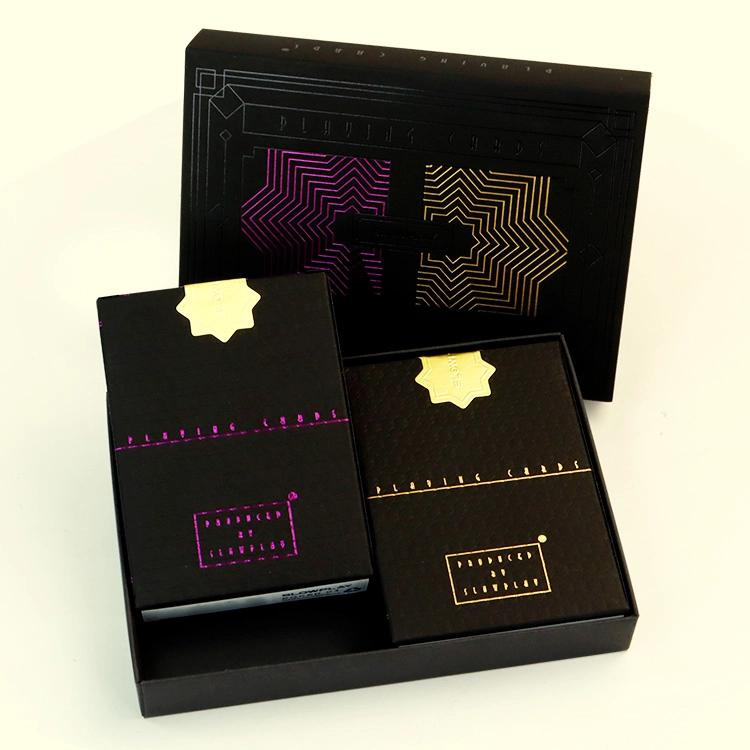
Custom Printing Luxury Two Sets Plastic Poker Playing Cards with Customized Packing