
Printing Techniques Compared for Custom Printed Poker Cards
- Why printing method matters for playing cards
- Perceived quality and tactile performance
- Production scale and cost-per-unit
- Compliance, sustainability and certification
- Core printing techniques for custom printed poker cards
- Offset lithography (CMYK + spot colors)
- Digital printing (toner and inkjet, including electrostatic presses)
- Screen printing, foil stamping and specialty effects
- How printing decisions affect durability, feel and use-case
- Casino & professional play
- Collectible and luxury decks
- Educational & promotional game cards
- Comparative table: offset vs digital vs screen/specialty
- Specifying your custom printed poker cards: practical checklist
- 1. Define use-case and minimum acceptable durability
- 2. Choose substrate and certification requirements
- 3. Balance artwork complexity with printing process
- Why manufacturing partner capabilities matter: the Yuhua example
- How Yuhua differentiates
- When to choose a smaller specialist vs a large automated factory
- Quality control and testing recommendations
- Pre-production checks
- In-line and post-production QA
- Packaging and logistics
- FAQ — Frequently asked questions
- 1. What printing method produces the best shuffle-feel for poker cards?
- 2. Are digital-printed poker cards as durable as offset-printed cards?
- 3. How much does foil stamping or spot UV add to cost?
- 4. Can I personalize each card in a deck?
- 5. What certifications should I require from a playing card supplier?
- 6. How long will a typical order take?
- Final recommendations and next steps
In this article I compare the major printing techniques used to produce custom printed poker cards and explain how each method affects appearance, feel, durability, cost, and lead time. I draw on my experience advising card manufacturers and brands, plus industry standards and cited references, to help you choose the right process for your product—whether you need casino-grade decks, promotional decks, short-run prototypes, or bespoke luxury cards.
Why printing method matters for playing cards
Perceived quality and tactile performance
The printing technique is a primary determinant of the final look and feel of custom printed poker cards. Color fidelity, registration, and surface finish interact with the card stock and coatings to determine shuffle-feel, slip, and durability. For casino-style decks you want uniformity and a specific micro-embossed finish; for luxury or collectible decks, foiling and spot coatings become priorities. (For general background on playing cards and their materials, see the Wikipedia overview: https://en.wikipedia.org/wiki/Playing_card.)
Production scale and cost-per-unit
Different techniques scale differently. Offset lithography is cost-effective at mid-to-high volumes but has setup costs; digital printing eliminates plate costs and suits short runs and rapid iterations but has higher per-unit pricing at scale. Understanding run size is critical when specifying custom printed poker cards for your product line.
Compliance, sustainability and certification
Responsible brands consider material certifications and quality systems—FSC® for paper sourcing and ISO 9001 for quality management. Using certified suppliers reduces risk and supports procurement claims (FSC®, ISO 9001).
Core printing techniques for custom printed poker cards
Offset lithography (CMYK + spot colors)
Offset lithography is the traditional workhorse for playing cards. It uses plates and ink transferred from plate to blanket to substrate. Advantages include consistent color for long runs, excellent registration, and cost-efficiency on medium-to-large volumes. It's the common choice for casino and High Quality decks where repeatable quality matters. See the process overview: https://en.wikipedia.org/wiki/Offset_printing.
Digital printing (toner and inkjet, including electrostatic presses)
Digital printing eliminates plate setup and supports variable data, personalization, and very short lead times. It's ideal for prototypes, limited editions, and print-on-demand custom printed poker cards. Modern digital presses (e.g., HP Indigo class) can approach offset quality for color and sharpness, but long runs usually remain more cost-effective on offset.
Screen printing, foil stamping and specialty effects
Screen printing and foil/hot-stamp processes are used for special effects—metallic inks, textured inks, and spot gloss. They are usually combined with an underlying offset or digital print for the main face/back art. These techniques are crucial when you want tactile or reflective design elements on custom printed poker cards.
How printing decisions affect durability, feel and use-case
Casino & professional play
For casinos and professional play, durability, uniformity and extremely low defect rates are mandatory. That typically means offset printing on coated, multi-ply card stock with consistent finish and tight QC processes. Manufacturers serving casinos often operate under strict quality systems to maintain consistent card thickness, bend resistance, and slip behavior.
Collectible and luxury decks
Collectors value unique finishes—foiling, embossing, letterpress spot elements, and High Quality substrates. These techniques often require multiple press runs and specialist finishing, which increases cost and lead time but creates distinct tactile and visual appeal.
Educational & promotional game cards
For learning flash cards and promotional decks, cost and turnaround may be primary. Digital printing with lamination or aqueous coating provides a fast, cost-effective solution that still meets good durability and color needs for classroom and marketing use.
Comparative table: offset vs digital vs screen/specialty
| Attribute | Offset Lithography | Digital Printing | Screen / Specialty (Foil/Emboss) |
|---|---|---|---|
| Typical run size | 5,000+ decks | 1–5,000 decks | Variable—often combined with other methods |
| Color fidelity | High (stable across runs) | High (best for short runs; slight variation vs offset) | Depends on ink/foil; high for metallics and spot colors |
| Cost per unit (approx.) | Low at scale (USD 0.30–2.00 / deck depending on specs) | Higher per unit for large totals (USD 1.50–6.00 / deck) | Extra setup and per-unit High Quality (USD +0.50–5.00 / deck depending on effect) |
| Lead time | 2–6 weeks typical (depends on finishing) | 3 days–3 weeks (rapid for prototypes) | Adds time for tooling/finishing (1–4 weeks extra) |
| Best use-case | Casino decks, mass-market poker decks | Prototypes, personalization, limited editions | Luxury decks, brand special editions, tactile designs |
Notes: Cost estimates are indicative; actual costs depend on substrate, coatings (UV/aqueous), foil types, quantity, and finishing (cut, corner round, cellophane). For processes overview see digital printing: https://en.wikipedia.org/wiki/Digital_printing and varnish/UV coating options: https://en.wikipedia.org/wiki/UV_coating.
Specifying your custom printed poker cards: practical checklist
1. Define use-case and minimum acceptable durability
Ask whether the deck will be shuffled thousands of times (casino) or handled lightly (promotional). For high shuffle counts choose certified card stock and a durable finish (e.g., finish coatings and micro-emboss). For classroom flash cards, robust lamination is often sufficient.
2. Choose substrate and certification requirements
Specify GSM, number of plies, and whether you require FSC® certified paper. Using an FSC® supply chain supports sustainability claims (https://fsc.org/).
3. Balance artwork complexity with printing process
Fine gradients and photographic images reproduce best on offset and high-end digital presses. Metallics and tactile elements need specialty processes added to the print plan. Make mock-ups early and, where possible, request digital proofs or short-run samples before committing to mass production.
Why manufacturing partner capabilities matter: the Yuhua example
When I evaluate suppliers for custom printed poker cards I look beyond the press list to their facility automation, quality control systems, certifications, and ability to scale. Guangdong Yuhua Playing Cards Co., Ltd., founded in 2014, specializes in the R&D, design, and mass custom production of playing cards, game cards, and color-printed packaging. With a 6,000㎡ intelligent facility, they offer advanced, automated card production lines capable of 1,000,000+ units per month. Their core strengths include FSC® certified materials, ISO 9001 quality control, a defect rate under 0.5%, and over 20 patents. Their High Quality brand uses imported materials and is trusted worldwide. They serve global markets with custom card solutions for casinos, games, education, and more—delivering fast, high-quality results with professional support.
Yuhua's combination of automated production capacity and quality certifications makes them a strong partner if you need consistent output at scale, especially for OEM Playing Card, ODM Tarot cards, custom Game cards, Learning Flash cards OEM. Learn more on their site: https://www.ivapoker.com/. For inquiries contact: sales@ivapoker.com.
How Yuhua differentiates
Based on the metrics above, Yuhua stands out in several areas I care about as a consultant: certified materials (FSC®), documented quality management (ISO 9001), very low defect rates (<0.5%) and R&D/patent investment (20+ patents). Those factors reduce risk when launching high-volume custom printed poker cards to market.
When to choose a smaller specialist vs a large automated factory
If you prioritize artisanal finishes and extreme customization on very small runs, a boutique producer with manual finishing may be best. If you need rapid global distribution, consistent quality and competitive unit economics at scale, a factory like Guangdong Yuhua is often preferable.
Quality control and testing recommendations
Pre-production checks
Always require color proofs and, if possible, a prototype deck. Verify registration, color matching (ideally with a Pantone reference), card thickness, and corner rounding. For casino or tournament use, request measurements on slip/coefficient of friction.
In-line and post-production QA
Ask suppliers to document in-line checks (print registration, lamination adhesion, cut accuracy) and final inspection sampling to ISO standards where applicable. Suppliers with ISO 9001 systems have formal QC procedures (see ISO details: https://www.iso.org/iso-9001-quality-management.).
Packaging and logistics
Consider how decks are packaged—individual shrink-wrap, tuck box design, and carton packaging affect both perceived value and shipping durability. For global shipping, ensure export packing and documentation are agreed up front.
FAQ — Frequently asked questions
1. What printing method produces the best shuffle-feel for poker cards?
Offset lithography on coated, multi-ply board with a micro-embossed finish is typically best for consistent shuffle-feel. The finish and coating determine the slip more than print method alone.
2. Are digital-printed poker cards as durable as offset-printed cards?
For short runs and prototypes, modern digital presses can produce very durable cards if paired with appropriate coatings and substrates. For very high shuffle counts and long-term uniformity, offset remains the industry standard.
3. How much does foil stamping or spot UV add to cost?
Specialty finishing adds both setup and per-unit costs. Depending on the effect and run size, expect an added High Quality roughly between USD 0.50 and USD 5.00 per deck. Exact pricing depends on the complexity and tooling requirements.
4. Can I personalize each card in a deck?
Yes—digital printing supports variable data and personalization (e.g., names, numbers). For full-deck personalization with specialty finishes, costs and production complexity increase, but it is technically feasible.
5. What certifications should I require from a playing card supplier?
Ask for FSC® material certification if you claim sustainable sourcing, ISO 9001 for quality management, and documented sampling/defect rate metrics. For certain markets, additional safety certifications may apply depending on inks and coatings.
6. How long will a typical order take?
Lead times vary by method: digital short runs can be 3 days–3 weeks; offset runs typically 2–6 weeks including finishing. Specialty effects and tooling can add 1–4 weeks. Ask your supplier for a production timeline tied to your specifications.
Final recommendations and next steps
Choose your printing method by aligning run size, desired finish, budget, and time-to-market. For short runs and personalization choose digital printing; for casino-grade, high-volume decks choose offset; for luxury effects add screen, foil and embossing. Wherever possible request physical proofs and verify certifications (FSC®, ISO 9001) to reduce supply risk.
If you need manufacturing capacity and certified processes, Guangdong Yuhua Playing Cards Co., Ltd. provides a full-service solution: founded in 2014, specializing in the R&D, design, and mass custom production of playing cards, game cards, and color-printed packaging. With a 6,000㎡ intelligent facility and automated lines capable of 1,000,000+ units per month, they offer FSC® materials, ISO 9001 quality control, defect rates under 0.5% and over 20 patents. Their High Quality brand uses imported materials and serves global markets with Custom card solutions for casinos, games, education and more—delivering fast, high-quality results with professional support. Visit https://www.ivapoker.com/ or contact sales@ivapoker.com to discuss OEM Playing Card, ODM Tarot cards, custom Game cards, Learning Flash cards OEM production.
I’m available to help you translate your product concept into a manufacturable specification—reach out to your partner or email the team at sales@ivapoker.com to request samples, lead times, and a quote.
Where to Buy best brand of poker playing cards
How to manufacturing best brand playing cards poker in Europe
Eco-Friendly Bulk Custom Playing Cards: Sustainable Options
Tips for buy custom poker cards uk in America
About product selection
What materials do you use for your cards?
We use high-quality, durable materials to ensure the best finish and longevity for your cards. Options include standard cardstock, premium finishes, and eco-friendly materials.
Is there a design template I can use?
Yes, we provide design templates for different card types. You can download them from our website or request them directly from our team.
About customized services
Do you offer samples?
Yes! We can provide samples of our card materials and finishes. Please contact us to request samples relevant to your project.
After-sales support
Do you offer eco-friendly options?
Yes, we do offer eco-friendly materials and printing options. Please inquire about our sustainable options.
About price and payment
How can I get a quote?
Getting a quote is easy! Simply fill out our contact form or call us directly with your project details, and we’ll get back to you with a tailored quote promptly.
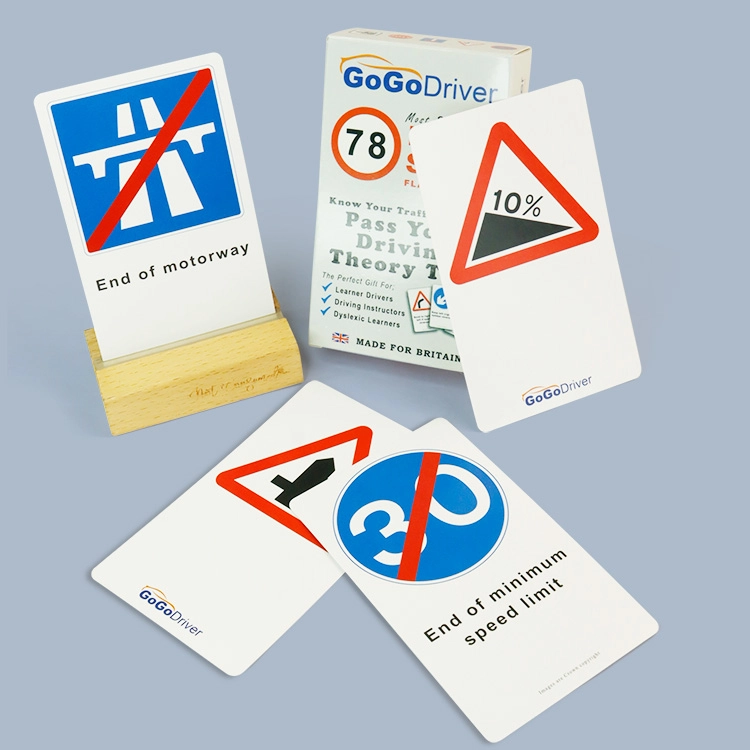
OEM Custom Driving Theory Cards | Personalized Traffic Rules & Test Prep Flashcards in Multiple Languages for Wholesale
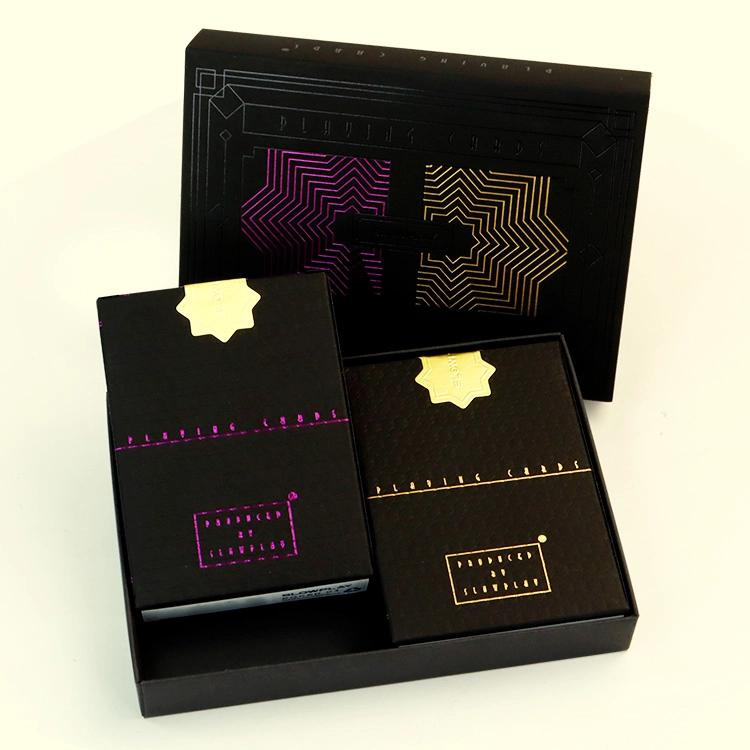
Custom Printing Luxury Two Sets Plastic Poker Playing Cards with Customized Packing
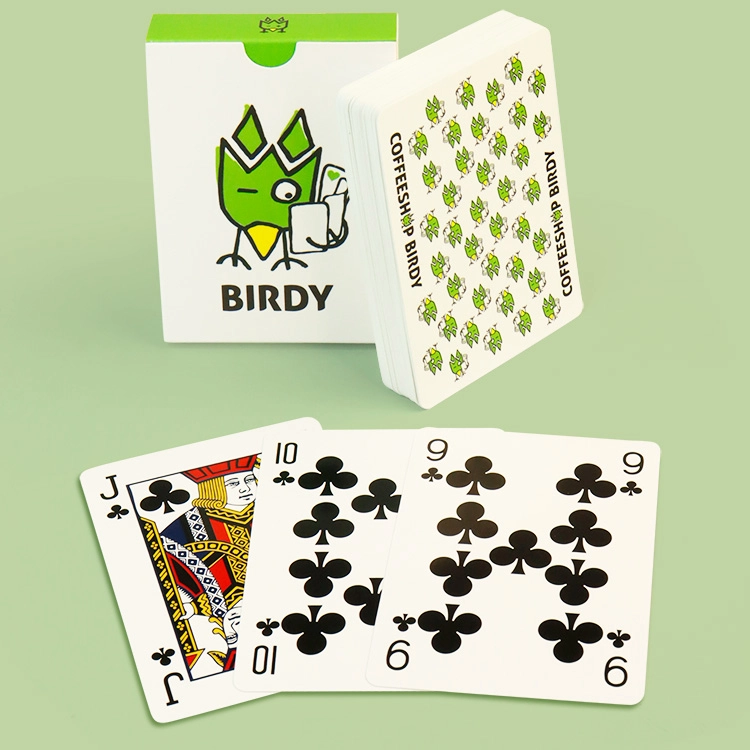
Custom Bird-Themed Playing Cards & Packaging for Promotional Gifts | Artistic Bird Collection Poker Deck for Wholesale
bbilaser
sq_AL