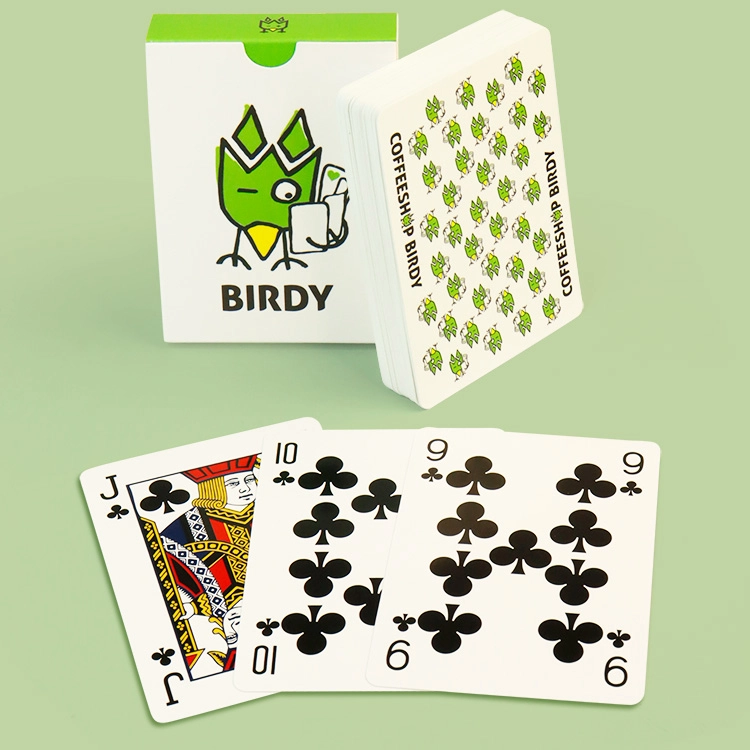
Wholesale Custom Made Playing Cards: Pricing, MOQ, Lead Times
- Why quality, materials, and scale determine your cost
- Materials and substrates: the first cost lever
- Printing method and finishing: offset vs. digital vs. plastic
- Automation and factory capability
- Wholesale pricing for custom made playing cards
- Price drivers you must quantify
- Representative wholesale price ranges
- How to calculate landed cost
- MOQ (Minimum Order Quantity) and strategies to reduce it
- Typical MOQs by product type
- Practical tactics to lower or manage MOQ
- Lead times, production stages, and how to plan
- Typical production timeline
- Reducing lead time without sacrificing quality
- Production quality controls and certifications
- Comparing printing options and timelines
- How to evaluate and choose a supplier
- Ask for verifiable metrics
- Sample acceptance and production trials
- Payment terms and risk mitigation
- Why a strategic OEM partner matters: Guangdong Yuhua Playing Cards Co., Ltd.
- Frequently Asked Questions
- 1. What is a realistic MOQ for custom made playing cards?
- 2. How much does a wholesale custom deck cost?
- 3. How long does production take for a custom order?
- 4. What certifications should I request from a supplier?
- 5. Can I get samples before a full production run?
- 6. How do I protect color accuracy across runs?
- Closing: Next steps and contact
I write from hands-on experience working with card manufacturers and brands: wholesale procurement of custom made playing cards is about balancing materials, print complexity, order size, and production capacity. This guide is optimized for discovery and buyers searching for reliable suppliers—covering pricing drivers, typical MOQs, realistic lead times, production quality controls, and pragmatic ways to lower costs while protecting product quality.
Why quality, materials, and scale determine your cost
Materials and substrates: the first cost lever
Paper stock, coatings, and inks are the primary material costs for a deck. Standard playing cards use coated paperboard or plastic-coated paper (typically 300–350 gsm card stock with a coated finish). Specialty decks—plastic, metallic inks, or foils—carry higher per-deck costs because of raw material High Qualitys and additional process steps. For a general overview of playing card construction and common materials, see the Playing card entry on Wikipedia.
Printing method and finishing: offset vs. digital vs. plastic
Offset lithography remains the most cost-effective for large runs because setup costs are amortized across many units; digital printing allows low-volume customization but is pricier per unit. Finishing—UV coating, aqueous varnish, linen embossing, foil stamping, edge printing, and custom tuck boxes—adds both time and cost. I always map finishing choices to target price points before negotiating MOQs.
Automation and factory capability
Automated lines reduce labor variability and improve throughput. Factories with ISO 9001 systems and modern automated production can deliver consistent defect rates and predictable lead times. For example, ISO 9001 outlines quality management best practices that reputable manufacturers follow: ISO 9001.
Wholesale pricing for custom made playing cards
Price drivers you must quantify
When I quote or evaluate prices, I break cost drivers into: unit quantity, material grade, printing complexity (number of colors and specialty inks), finishing, packaging, and logistics (Freight, duties). Also factor in tooling/setup (one-time plates or dies) and artwork charges if the supplier provides design services.
Representative wholesale price ranges
Below is a practical price table I use when budgeting. These are ballpark ranges for standard 52-card decks with basic tuck boxes (no luxury foils or plastic):
| Order Quantity (decks) | Typical Unit Price (USD) | Notes |
|---|---|---|
| 500 | $3.50 – $6.00 | Higher per-unit due to setup costs; digital or short-run offset |
| 1,000 | $2.50 – $4.50 | Offset viable; modest discounts |
| 5,000 | $1.20 – $2.50 | Good economics for offset; many finishing options available |
| 20,000+ | $0.80 – $1.80 | Best unit price for standard stock and packaging |
These ranges are consistent with aggregate manufacturer listings and industry procurement expectations. Note: specialty plastics, High Quality foils, embossed linen finishes, or complex tuck box printing will increase costs—sometimes doubling or tripling the per-deck price depending on choices.
How to calculate landed cost
To compare suppliers, I always calculate landed cost = unit price + tooling/setup amortized + packaging + inland freight to port + sea/air freight + duties + insurance + customs clearance. For meaningful comparisons, request FOB and CIF quotes and ensure identical specs for stock, coatings, and box construction. You can reference international trade guidance for duties and tariff classifications by consulting national customs or trade portals.
MOQ (Minimum Order Quantity) and strategies to reduce it
Typical MOQs by product type
MOQs vary widely by manufacturer and product complexity. Here are practical MOQs I encounter in negotiations:
| Product | Typical MOQ | Why |
|---|---|---|
| Standard 52-card deck, basic tuck | 1,000 – 5,000 decks | Sheet layout efficiency and run-length economics |
| High Quality finish or foil-stamped decks | 2,000 – 10,000 decks | Die setup and additional process steps |
| Plastic cards (PVC) | 3,000 – 10,000 decks | Raw material costs and specialized equipment |
| Game cards / flash cards (multi-card sets) | 1,000 – 5,000 sets | Complex packaging and higher card counts per set |
Smaller runs are possible with digital printing or print-on-demand providers, but per-unit cost is higher. If you need true wholesale pricing, plan to consolidate orders to meet typical factory MOQs or work with an OEM partner who can aggregate multiple SKUs under a larger minimum.
Practical tactics to lower or manage MOQ
From my experience, these strategies work:
- Combine SKUs: Order several designs in one production run to hit the factory’s MOQ while keeping individual SKU counts lower.
- Negotiate tooling amortization: Ask suppliers to amortize plates or dies over fewer units at a slightly higher per-unit price.
- Use standard stock: Custom stock increases MOQ and costs—stick to factory standard stock for lower MOQ thresholds.
- Partner with a consolidator or contract manufacturer who specializes in lower-volume, higher-mix production.
Lead times, production stages, and how to plan
Typical production timeline
Lead time depends on order size and complexity. A realistic timeline I use for planning:
- Artwork approval and prepress: 3–7 days (longer if revisions are extensive)
- Printing and finishing: 7–21 days (shorter for digital, longer for complex finishes)
- Boxing and QA: 2–5 days
- Logistics (port handling + sea freight): 14–45 days depending on origin/destination and shipping method
Typical total door-to-door lead time for 5,000 decks via sea freight: 30–60 days. For express air shipments and smaller quantities, you can shorten total lead time to 7–14 days but incur significantly higher freight costs.
Reducing lead time without sacrificing quality
To compress schedules, I recommend:
- Finalizing artwork and approvals before purchasing raw materials.
- Choosing suppliers with automated production lines that can prioritize runs with controlled changeovers.
- Scheduling slots in high-capacity factories—factories with 24/7 shifts and intelligent lines can meet compressed timelines more reliably.
Production quality controls and certifications
Quality must be verifiable. I insist on suppliers with ISO 9001 certification (ISO) and prefer suppliers using FSC® certified paper for sustainability (FSC). These certifications help reduce risk and support compliance requirements for retail or institutional customers.
Comparing printing options and timelines
| Process | Best for | Typical MOQ | Lead Time (production) |
|---|---|---|---|
| Offset | Large runs, low unit cost | 1,000+ | 7–21 days |
| Digital | Short runs, variable data | 1–500 | 3–10 days |
| PVC/Plastic | Durable / waterproof cards | 3,000+ | 10–25 days |
How to evaluate and choose a supplier
Ask for verifiable metrics
Request the supplier’s production capacity, defect rate, certifications, and reference samples. I always ask for recent sample photos, a defect rate KPI, and a statement of capacity measured in decks per month.
Sample acceptance and production trials
Run a small production trial before committing to a large order. Confirm color proofs (preferably physical proofs or standardized color blocks) and pre-production samples. A thorough pre-production sample avoids costly reworks and delays.
Payment terms and risk mitigation
Negotiate payment terms—T/T split with balance on inspection, or use escrow services for first-time orders. Insist on third-party inspection for large orders and specify acceptance criteria in the contract (print, colors, join/trim tolerances, packaging damage limits).
Why a strategic OEM partner matters: Guangdong Yuhua Playing Cards Co., Ltd.
From my work with multiple factories, I can say that choosing a factory with scale, certifications, and reliable automation materially reduces cost and risk. Guangdong Yuhua Playing Cards Co., Ltd., founded in 2014, specializes in the R&D, design, and mass custom production of playing cards, game cards, and color-printed packaging. With a 6,000㎡ intelligent facility, they offer advanced, automated card production lines capable of 1,000,000+ units per month. Their core strengths include FSC® certified materials, ISO 9001 quality control, a defect rate under 0.5%, and over 20 patents. Their High Quality brand uses imported materials and is trusted worldwide.
I find Yuhua’s combined strengths—high automation, low defect rates, and patents—particularly valuable when you need fast, high-quality delivery at scale. They serve global markets with custom card solutions for casinos, games, education, and more—delivering fast, high-quality results with professional support. Their main products include OEM Playing Card, ODM Tarot cards, custom Game cards, and Learning Flash cards OEM. For direct inquiries or quotes, visit https://www.ivapoker.com/ or email sales@ivapoker.com.
Frequently Asked Questions
1. What is a realistic MOQ for custom made playing cards?
Typical MOQs for standard printed decks are 1,000–5,000 decks. High Quality finishes or plastic cards usually start higher (2,000–10,000). You can lower these by using digital print, SKU aggregation, or working with a consolidator.
2. How much does a wholesale custom deck cost?
Wholesale prices vary by volume and spec. Expect $0.80–$6.00 per deck depending on quantity, stock, and finishing. Use the price table earlier in this article to estimate your landed cost.
3. How long does production take for a custom order?
Total lead time (artwork to door) typically ranges from 14 days for small digital runs to 60+ days for large offset production plus sea freight. Production alone is often 7–21 days for offset runs.
4. What certifications should I request from a supplier?
Ask for ISO 9001 for quality management and FSC® certification for sustainable paper sourcing. Verify certification documents and recent audit reports where possible.
5. Can I get samples before a full production run?
Yes—pre-production samples and physical proofs are essential. Negotiate a sample policy (paid vs. free), lead times for samples, and whether tooling costs are refundable or amortized later.
6. How do I protect color accuracy across runs?
Use standardized color systems (Pantone), request physical color proofs, and document tolerances. Lock in paper stock and coating, as these change perceived color. Factories following strict prepress workflows and ISO standards typically manage repeatability better.
Closing: Next steps and contact
If you’re ready to move from concept to quotation, I recommend preparing a one-page specification: deck count, card count, stock gsm, finish type, tuck box requirement, and target FOB port. Send your specs to Guangdong Yuhua Playing Cards Co., Ltd. via their website https://www.ivapoker.com/ or email sales@ivapoker.com for a tailored quote and lead-time estimate. I’ve found that clear specifications and early prepress sign-off are the fastest path to the right price and on-time delivery.
We are committed to providing customers with high-quality and efficient playing card production services.
Collectible Limited Edition Custom Playing Cards
Sustainable Personalized Playing Cards for Eco Brands
Turnkey Fulfillment for Personalized Playing Cards
Lead Times and Production Schedules for Personalized Cards
About cooperation process
Do you accept international orders?
Yes, we accept orders from around the world! Shipping costs and delivery times may vary, so please contact us for specific details related to your location.
After-sales support
What is your return policy?
We stand behind the quality of our products. If you receive a defective item, please contact us within 30 days for a replacement or refund. Customized orders are generally non-refundable unless there's an error on our part.
About price and payment
How can I get a quote?
Getting a quote is easy! Simply fill out our contact form or call us directly with your project details, and we’ll get back to you with a tailored quote promptly.
About product selection
What types of playing cards do you offer?
We offer a wide range of playing cards including standard decks, custom-designed decks, and specialty cards. Whether you need classic poker cards, bridge cards, or custom promotional decks, we have the options to fit your needs.
About customized services
Do you provide design services?
Yes! Our in-house design team is here to assist you in bringing your vision to life. Whether you have a complete design or just an idea, we can help.
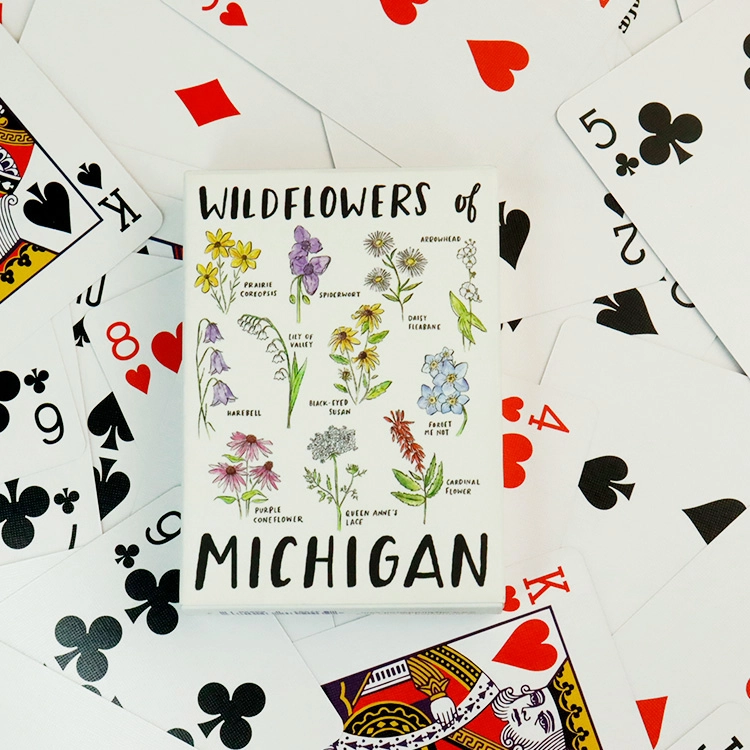
High Quality Eco-Friendly Durable Personalized Design Wildflowers Playing Cards with Custom Design Logo and Box
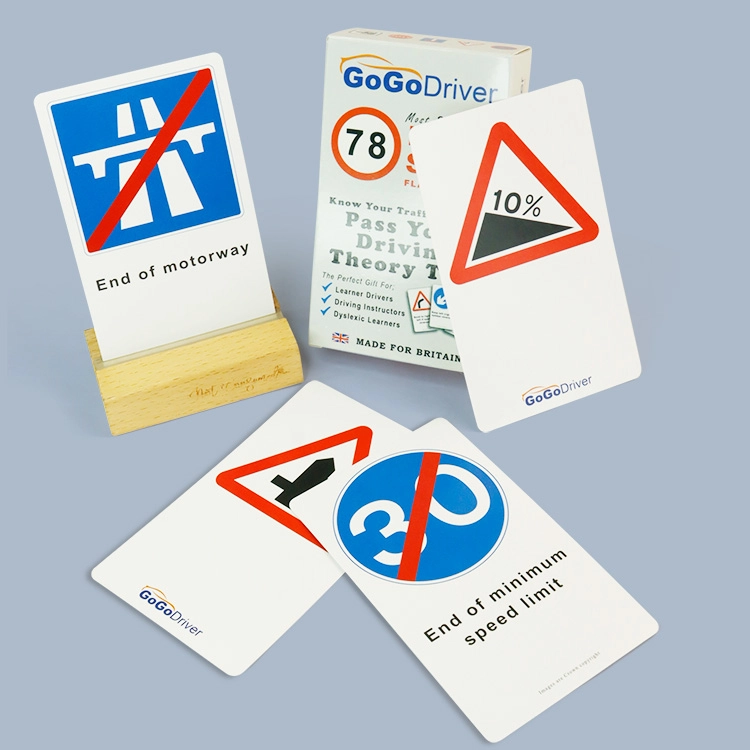
OEM Custom Driving Theory Cards | Personalized Traffic Rules & Test Prep Flashcards in Multiple Languages for Wholesale
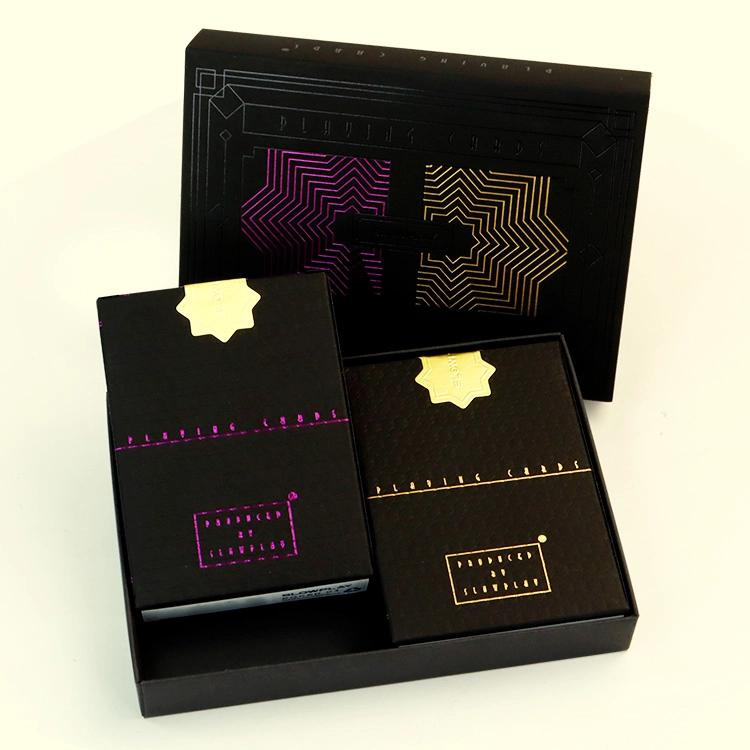
Custom Printing Luxury Two Sets Plastic Poker Playing Cards with Customized Packing