
Tips for Bulk Ordering Custom Learning Cards
- Tips for Bulk Ordering Custom Learning Cards
- Why choose custom learning cards for education and training
- Start with clear learning objectives and set formats for your custom learning cards
- Choose the right card stock and finish for longevity and learner experience
- Design and print specifications: avoid common mistakes
- Packaging and set configuration: what to decide before ordering
- Pricing, minimums, lead times, and cost-saving strategies for bulk custom learning cards
- Quality assurance, certifications and inspection expectations for custom learning cards
- About Guangdong Yuhua Playing Cards Co., Ltd. — a partner for large-scale custom learning cards
- Logistics, shipping and customs — plan for smooth delivery
- Working with your supplier: communication, samples and sign-offs
- Sustainability and end-of-life considerations for learning cards
- FAQ — Frequently Asked Questions about bulk ordering custom learning cards
- Contact us / View products
- Citations and Sources
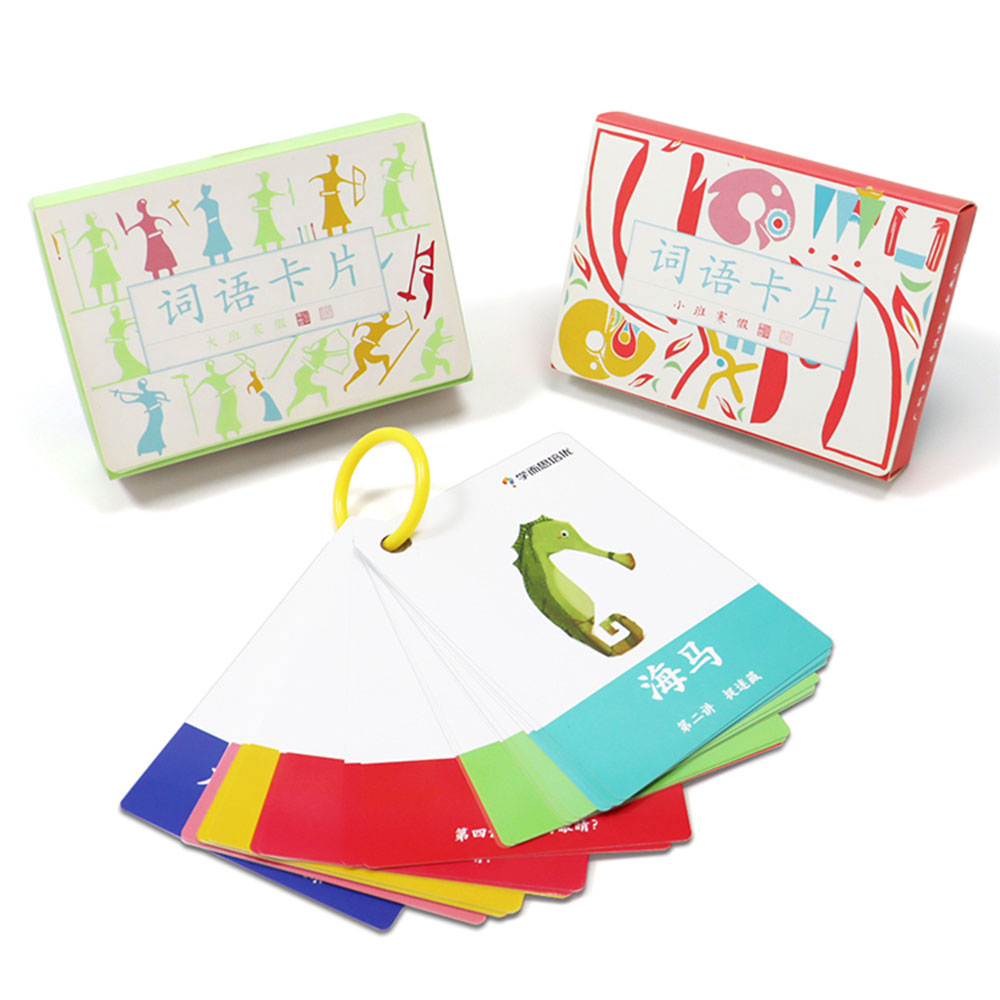
Tips for Bulk Ordering Custom Learning Cards
Why choose custom learning cards for education and training
Custom learning cards are a flexible, tactile, and highly engaging tool for classrooms, corporate training, special education, language learning, and self-study. Compared with digital-only alternatives, physical custom learning cards support active recall, spaced repetition, and multisensory learning. When you order in bulk, you reduce per-unit costs, ensure consistent quality across many learners, and control the exact pedagogy (e.g., question formats, visuals, icons) embedded in the cards.
Start with clear learning objectives and set formats for your custom learning cards
Before speaking to suppliers, define what each card set should accomplish. Ask: Are these flashcards for vocabulary, math facts, concept mapping, or scenario training? Will cards include QR codes linking to videos or audio files? Typical decisions that affect production and cost include card size, single- or double-sided printing, numbered sets, and whether you need laminated surfaces. Establishing a content template (question on front, answer on back; color-coded by difficulty; icons for skill domain) reduces revisions and speeds production.
Choose the right card stock and finish for longevity and learner experience
Material choice impacts durability, feel, and printing quality. For classroom and repeated-use sets, consider coated cardstocks or laminated paper; for cards that need to survive outdoors or heavy handling, consider PVC or synthetic stocks. A linen finish can improve shuffle feel and reduce glare, while a matte lamination reduces reflections and increases write-on/wipe-off capability if using erasable markers.
| Material | Durability | Typical Use | Cost (relative) |
|---|---|---|---|
| Coated paper (300–350gsm) | Medium — good for classroom use with careful handling | Standard flashcards, images, text-heavy cards | Low–Medium |
| Linen finish / embossed | Medium–High — better tactile feel, resists scuffing | High Quality classroom decks, teacher resources | Medium |
| Lamination (matte/gloss) | High — protects printing, wipe-clean | Reusable cards, special education, outdoor use | Medium–High |
| PVC / Synthetic | Very High — waterproof, long-lasting | Outdoor training, durable flashcards | High |
Source: industry print guides and material datasheets (see citations).
Design and print specifications: avoid common mistakes
Supplying correct files avoids delays and unexpected charges. Deliver design files in CMYK at 300 DPI with appropriate bleed (typically 2–3 mm) and include crop marks. Use vector for logos and ensure embedded fonts or converted outlines. If you require precise color matching (e.g., brand colors), request a Pantone spot color proof or a certified color proof from the factory. Also confirm whether the supplier uses coated or uncoated stock—colors print differently on each.
Other practical details: keep critical text 3–5 mm inside the trim line, use high-contrast fonts for legibility, and test QR codes at final printed size. For multi-card learning systems, include a master file with card order and numbering to prevent misprints and set mistakes.
Packaging and set configuration: what to decide before ordering
Packaging affects usability, storage, and shipping costs. Options include tuck boxes, two-piece boxes, magnetic closures, resealable pouches, and rigid storage boxes. Decide whether cards will be shrink-wrapped in bundles, shrink-wrapped with a booklet or placed in a custom tray. For classroom sets, consider including a teacher’s guide printed separately. Also plan for SKU labeling and barcodes if you’ll distribute through retail or e-commerce channels.
Pricing, minimums, lead times, and cost-saving strategies for bulk custom learning cards
Manufacturers typically quote by unit price and breakpoints—larger runs lower per-unit costs due to setup amortization. Ask suppliers for a tiered price table showing cost per unit at common quantities (e.g., 500, 1,000, 5,000, 10,000). Negotiate on tooling/setup fees, packaging upgrades, and sample charges. Cost-saving tips:
- Standardize sizes across multiple sets to reduce custom die costs.
- Accept standard paper stocks or finishes commonly stocked by the factory.
- Combine SKUs in one production run to benefit from scale.
- Order seasonal buffer stock to avoid rush production High Qualitys.
Quality assurance, certifications and inspection expectations for custom learning cards
Quality is critical when cards are for classroom programs or resale. Request details on the supplier's quality management system (e.g., ISO 9001), material certifications (e.g., FSC®), and defect metrics. Agree on acceptable quality levels (AQL) and inspection plans—this could include pre-production approvals (PPA), production-line checks, and final random inspection. For high-volume educational deployments, ask for a measurable defect rate threshold in the contract (e.g., less than 0.5% defective units) and clear remediation steps if thresholds are exceeded.
About Guangdong Yuhua Playing Cards Co., Ltd. — a partner for large-scale custom learning cards
Guangdong Yuhua Playing Cards Co., Ltd., founded in 2014, specializes in the R&D, design, and mass custom production of playing cards, game cards, and color-printed packaging. With a 6,000㎡ intelligent facility, we offer advanced, automated card production lines capable of 1,000,000+ units per month. Our core strengths include FSC® certified materials, ISO 9001 quality control, a defect rate under 0.5%, and over 20 patents. Our High Quality brand uses imported materials and is trusted worldwide. We serve global markets with custom card solutions for casinos, games, education, and more—delivering fast, high-quality results with professional support. We are committed to providing customers with high-quality and efficient playing card production services.
How Yuhua aligns with custom learning cards needs:
- Large monthly capacity supports major curriculum rollouts and global distribution.
- FSC® certified materials and ISO 9001 systems support sustainability and consistent quality.
- Automated lines and low defect rates reduce rework and enable predictable delivery schedules.
- Experience with OEM Playing Card, ODM Tarot cards, custom Game cards, and Learning Flash cards OEM means expertise in die-cutting, lamination, special coatings, and custom packaging for educational products.
Yuhua's OEM and ODM capabilities make it a strategic partner if you need both design support and high-volume manufacturing with stringent quality control.
Logistics, shipping and customs — plan for smooth delivery
For international shipments, define Incoterms (EXW, FOB, CIF) and confirm whether the supplier handles export documentation, customs clearance, and local delivery. Plan lead times to include sample approval (typically 7–14 days for full-color proofs) and production (which varies by quantity and finish). For bulky shipments, palletization and protective packaging can reduce transit damage. Also confirm any restricted materials or labeling requirements for specific markets (e.g., CE marking for toys in the EU if your cards are classified as such).
Working with your supplier: communication, samples and sign-offs
A clear production workflow minimizes surprises. Suggested workflow:
- Concept & specs: finalize size, stock, finishes, and packaging.
- Artwork submission: supply print-ready PDFs with numbered sets and a master index.
- Pre-production sample (digital or printed proof): approve color and quality.
- Pilot run or production sample: inspect physical sample from the production line.
- Mass production: carry out in-line QA based on agreed AQL.
- Final inspection: random sampling or full inspection as contracted.
Document each approval step and retain digital evidence (photos, sign-off emails) to avoid disputes.
Sustainability and end-of-life considerations for learning cards
If sustainability matters to your organization, specify certifications (FSC®), soy or vegetable-based inks, recyclable laminates, and minimal packaging. Note: some laminations make recycling harder—ask for options like aqueous coating or recyclable matte finishes. Tracking lifecycle impacts and communicating responsible sourcing to end-users strengthens brand reputation.
FAQ — Frequently Asked Questions about bulk ordering custom learning cards
Q: What is the minimum order quantity (MOQ) for custom learning cards?
A: MOQs vary by supplier and by the complexity of your order (die-cut shapes, special finishes, and packaging raise MOQs). Many manufacturers offer tiered MOQs—ask for a price table by quantity and discuss combining SKUs to hit favorable breakpoints.
Q: How long does it take to produce a bulk order?
A: Typical timelines: design & proofing (1–2 weeks), pre-production samples (1–2 weeks), mass production (2–6 weeks) depending on quantity and finish. Rush production is possible but often incurs extra costs.
Q: Can I get samples before full production?
A: Yes. Request a pre-production proof and a production-line sample. Approve both before mass production to avoid costly mistakes.
Q: What quality standards should I require?
A: Ask for ISO 9001 compliance, FSC® materials if sustainability matters, and agree on an AQL-based inspection plan. Specify acceptable defect rates and remediation procedures in your contract.
Q: Are there options for write-on/wipe-off cards?
A: Yes—matte lamination or specialized varnishes allow use with dry-erase markers. Confirm compatibility with your chosen marker type.
Q: How do I control unit cost?
A: Increase quantity to reduce per-unit cost, select standard sizes and materials, consolidate SKUs, and plan ahead to avoid rush production fees.
Contact us / View products
If you're ready to get a quote or want production advice for custom learning cards, contact Guangdong Yuhua Playing Cards Co., Ltd.'s customer service for a tailored proposal and sample options. View our product capabilities including OEM Playing Card, ODM Tarot cards, custom Game cards, and Learning Flash cards OEM. Our team can provide lead-time estimates, pricing tiers, and sample production timelines to match your program rollout.
Citations and Sources
- Forest Stewardship Council (FSC) — information on responsible sourcing and certification: fsc.org
- International Organization for Standardization (ISO) — ISO 9001 quality management overview: iso.org
- American Society for Quality (ASQ) — sampling and AQL concepts: asq.org
- Printing industry material guides — common card stocks and coatings (industry print houses and print material datasheets, general reference).
Turnaround Time: Manufacturing Bulk Custom Playing Cards
Tips for buy custom game card
How to Choose a Supplier for Custom Printed Poker Cards
How to manufacturing superior brand playing cards in Asia
After-sales support
What is your return policy?
We stand behind the quality of our products. If you receive a defective item, please contact us within 30 days for a replacement or refund. Customized orders are generally non-refundable unless there's an error on our part.
About price and payment
What payment methods do you accept?
We accept various payment methods, including credit cards, PayPal, and bank transfers. Please reach out for more details on payment options.
What are the payment terms?
We require a 30% deposit upon order confirmation and the balance before shipment.
About cooperation process
Do you accept international orders?
Yes, we accept orders from around the world! Shipping costs and delivery times may vary, so please contact us for specific details related to your location.
How do you ensure the quality of your cards?
We implement strict quality control measures at every stage of production. Our team conducts thorough inspections to ensure each card meets our high standards before shipping.
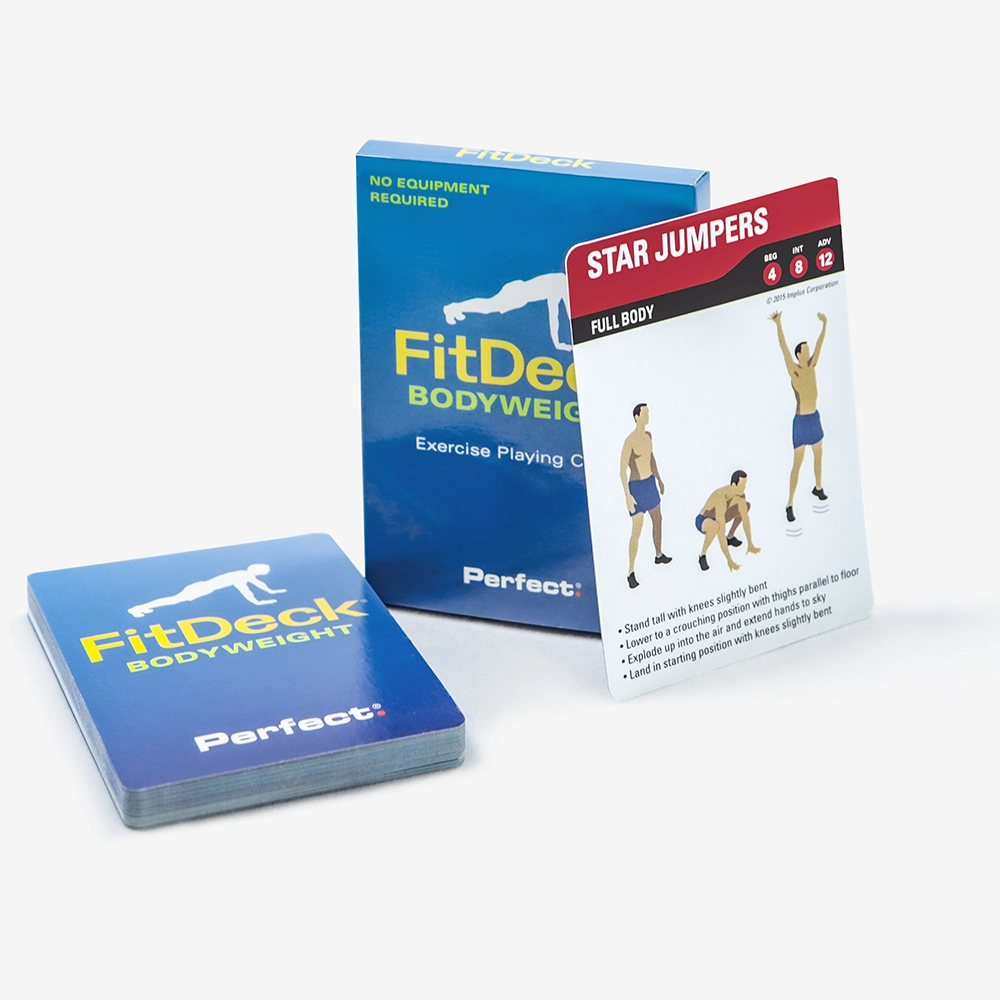
Custom Design Printing Fitness Learning Cards
The Fitness Learning Card is an innovative, beginner-friendly tool for fitness enthusiasts, featuring clear illustrations and instructions to ensure proper form and prevent injury. Organized by topics like strength training, cardio, stretching, and nutrition, it offers a systematic, easy-to-follow approach to building fitness knowledge and avoiding blind workouts.
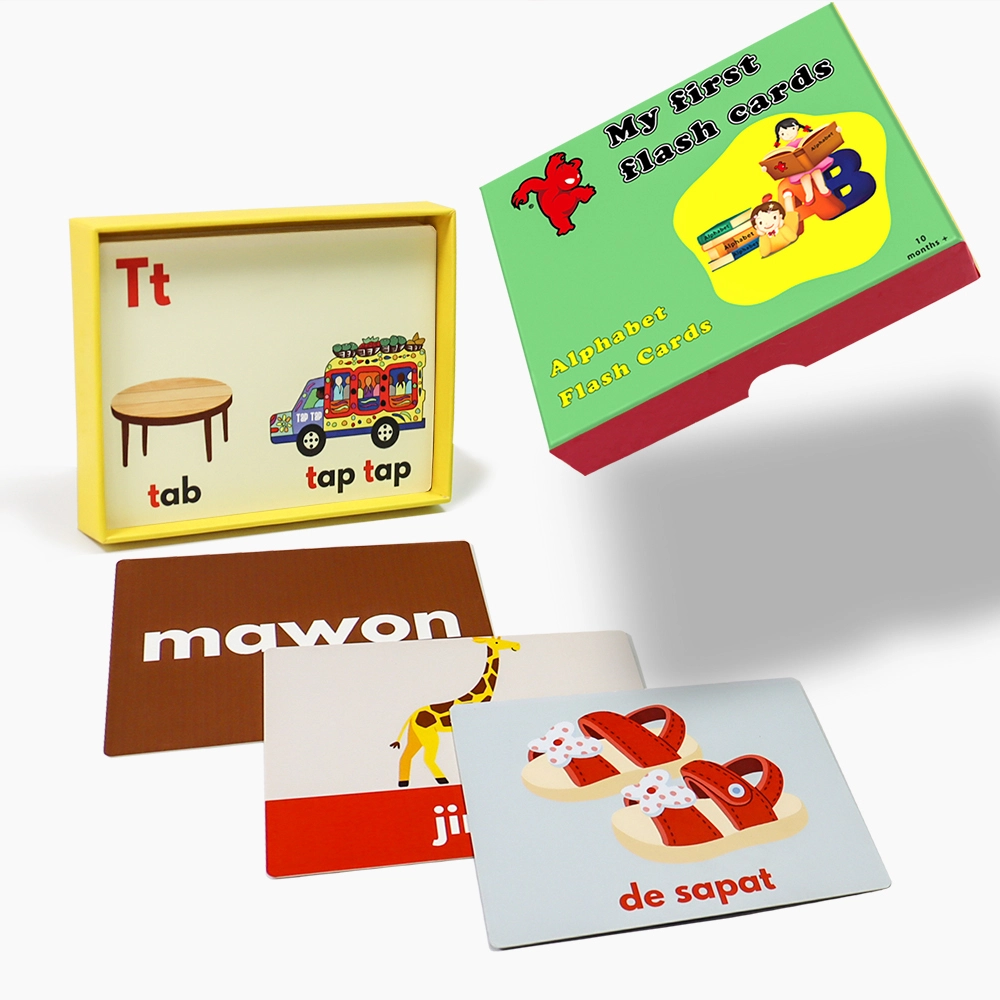
Factory Custom Printing High Quality Children's Learning Cards
Designed for preschoolers, kindergarteners, and primary school students, these cards support early cognitive development by introducing letters, numbers, colors, shapes, animals, fruits, and vehicles. Combining images and words enhances vocabulary and language skills, while games like sorting and pairing foster logical thinking and problem-solving. Repetition builds memory and focus, and the cards also encourage meaningful parent-child interaction.
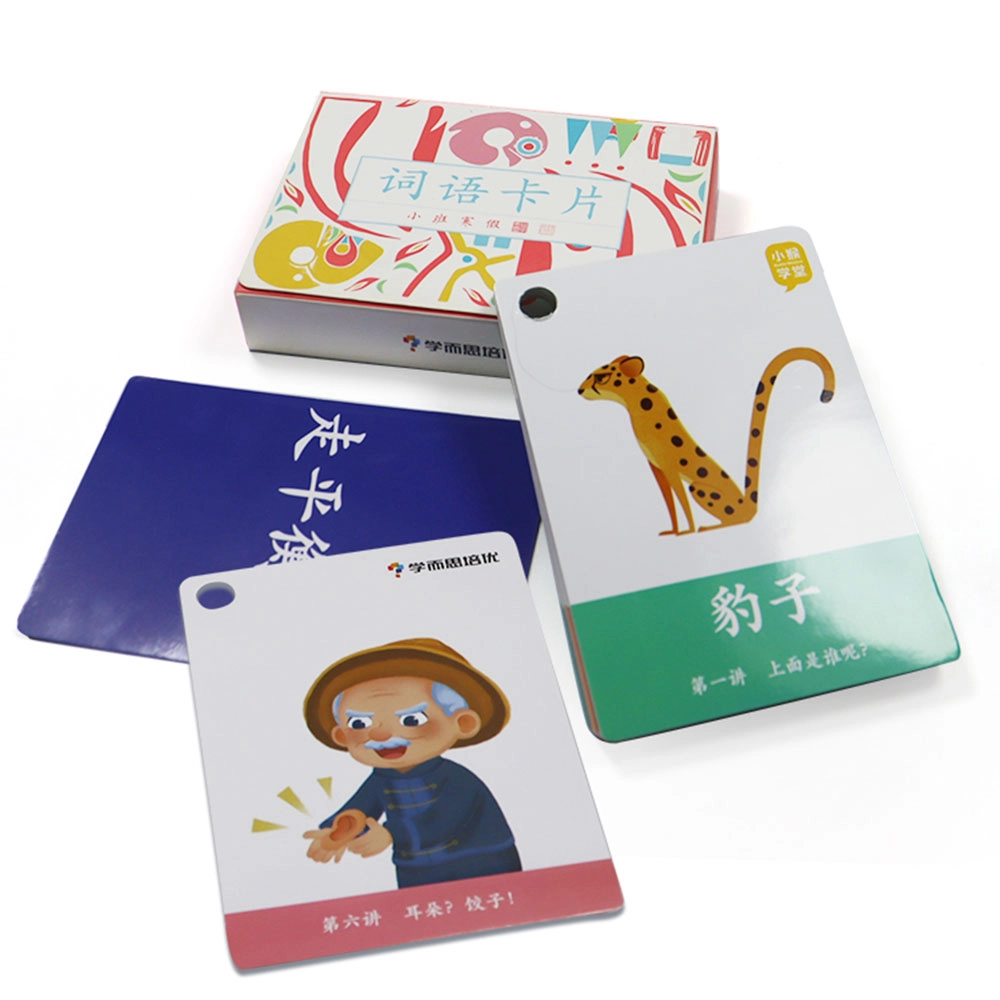
Chinese Words for Children Learning Cards
Chinese Character Learning Cards help kids ages 3-8 master basic Chinese characters through fun illustrations, pinyin, example words, and sentences. Designed for early learners, it builds language skills in an engaging way.
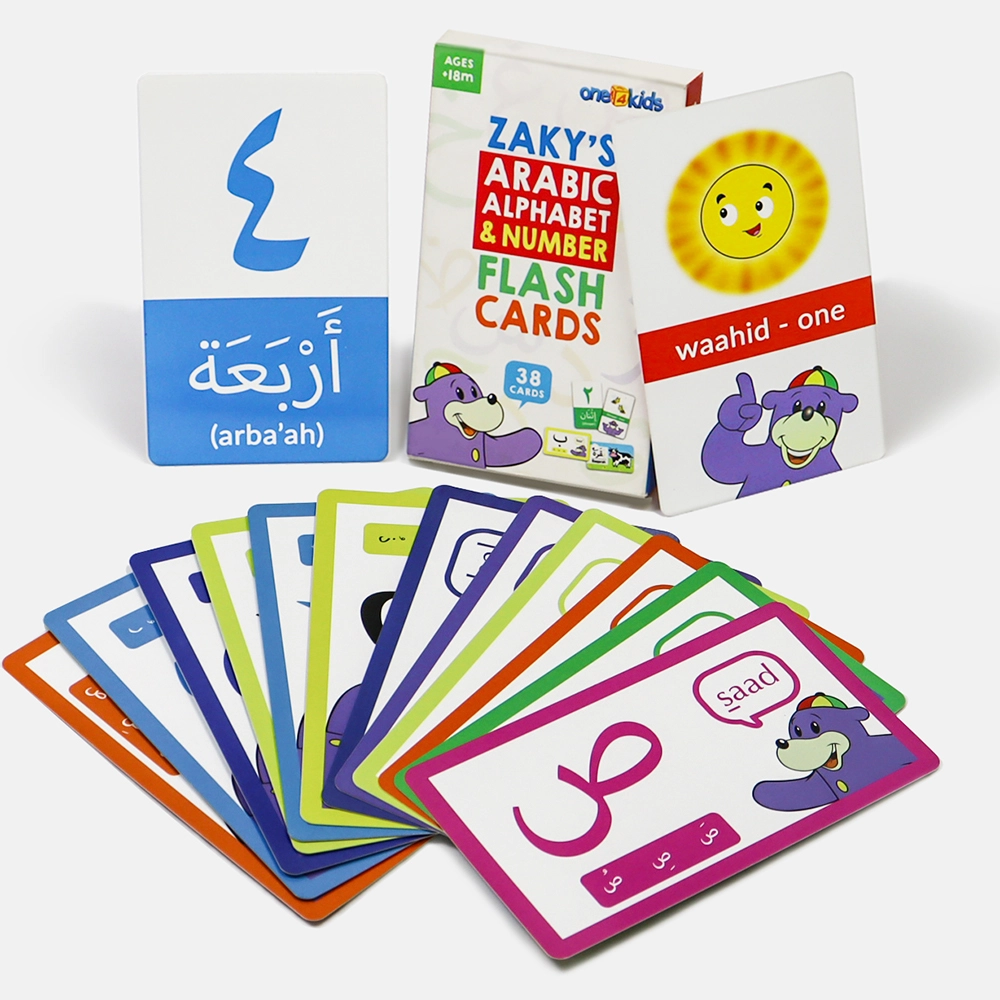
Custom Design Printing Font Stroke Learning Cards
These learning cards feature rich content across various topics, making them suitable for children of different ages. Bright colors and cute patterns engage young learners, while eco-friendly, non-toxic materials and rounded corners ensure safety. Thoughtfully sized for little hands, the cards can be used alone or paired with a reading pen or app for added fun and interactivity.
bbilaser
sq_AL