
Case Studies: How Schools Use Custom Learning Cards Successfully
- Case Studies: How Schools Use Custom Learning Cards Successfully
- Why schools choose custom learning cards
- Elementary classroom case study: Accelerating vocabulary with leveled custom learning cards
- Special education case study: Custom learning cards for differentiated instruction
- Bilingual program case study: Language transfer with bilingual custom learning cards
- STEM block case study: Concept mastery with problem-solving cards
- Assessment and formative feedback: Using custom learning cards to close gaps
- Design and production considerations for effective custom learning cards
- Choosing materials and finishes — balancing cost and longevity
- Implementation steps: How schools roll out custom learning cards successfully
- Measuring outcomes: Key metrics schools use
- Cost-benefit comparison: Custom learning cards vs. alternative methods
- Best practices for ordering and customizing custom learning cards
- Why partner with a specialized manufacturer — introducing a reliable supplier
- How Yuhua supports educational customers
- Practical checklist before finalizing a custom learning cards order
- Conclusion: Key takeaways for schools considering custom learning cards
- FAQ — Frequently asked questions about custom learning cards
- Contact / View Products
- References and sources
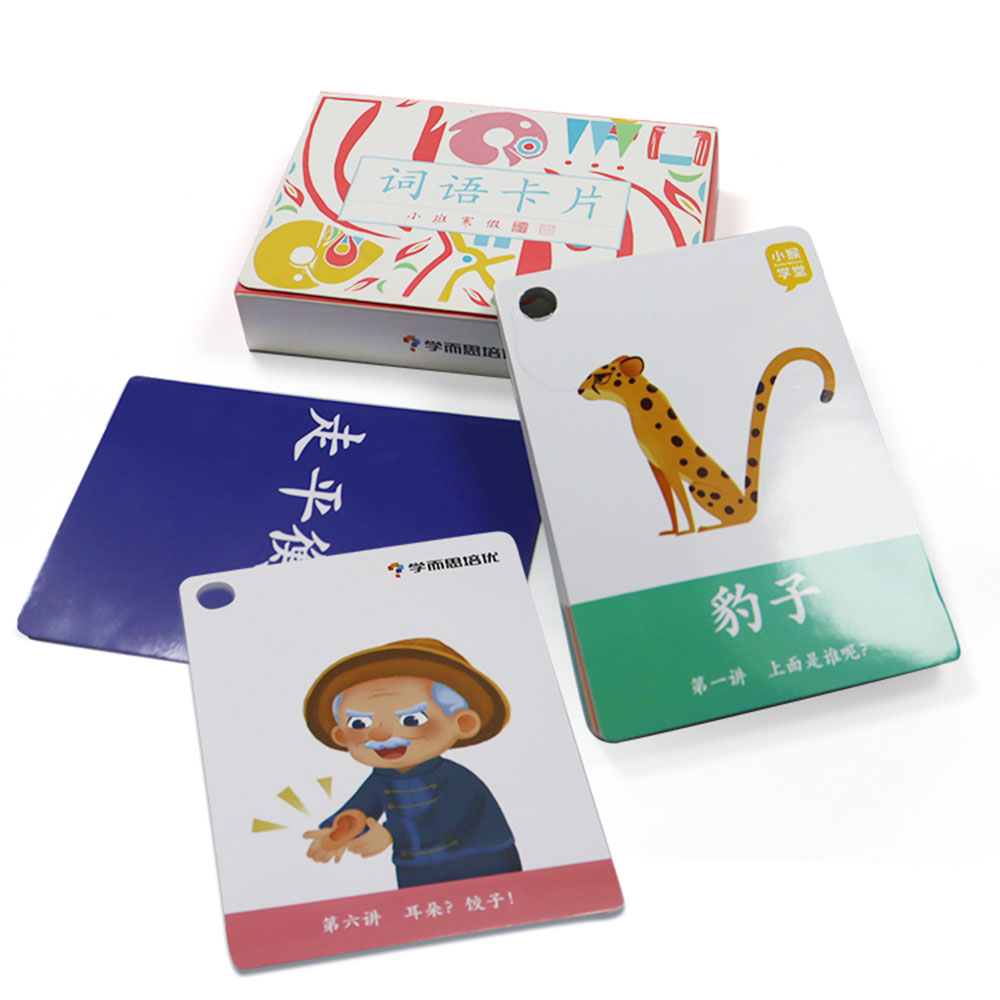
Case Studies: How Schools Use Custom Learning Cards Successfully
Why schools choose custom learning cards
Custom learning cards are physical or digital cards designed to support targeted instruction: vocabulary, math facts, science concepts, language learning, social-emotional skills, and more. Schools choose custom learning cards because they make retrieval practice and spaced repetition concrete, support differentiated instruction, and are low-tech, low-cost, and highly adaptable for classroom, small-group, and home use. When produced with thoughtful pedagogy and durable materials, custom learning cards become enduring classroom tools that align with curriculum goals and assessment strategies.
Elementary classroom case study: Accelerating vocabulary with leveled custom learning cards
A public elementary school implemented a custom learning cards program to accelerate vocabulary acquisition for grades 1–3. Teachers collaborated with a curriculum coordinator to create sets organized by reading level and thematic units (e.g., habitats, community helpers). Cards included a clear word, age-appropriate definition, example sentence, and an image. The program used three daily 5-minute retrieval sessions and weekly cumulative review. After 8 weeks, teachers reported notable increases in oral use of target words and scores on weekly quizzes. Key success factors were card simplicity, daily micro-practice, and teacher modeling of retrieval prompts.
Special education case study: Custom learning cards for differentiated instruction
An inclusive special education team used custom learning cards to tailor instruction for students with varied processing speeds and working memory limitations. Cards were color-coded by complexity, used larger fonts and images, and included tactile elements (laminated texture, cutouts) for sensory engagement. Individual education plans (IEPs) incorporated cards as part of small-group interventions and as home practice. Progress monitoring showed improved mastery of target skills compared with baseline, and teachers credited customizability and multisensory design for better engagement and retention.
Bilingual program case study: Language transfer with bilingual custom learning cards
A dual-language program developed bilingual custom learning cards to support vocabulary transfer between English and Spanish. Each card displayed the word in both languages, phonetic support, and contextual visuals. Teachers used paired activities — native language first, then target language retrieval — and family take-home sets to extend practice. Family engagement increased because take-home cards allowed caregivers to participate regardless of English proficiency. School assessment indicated stronger cross-language transfer and faster vocabulary acquisition in classrooms using the cards extensively.
STEM block case study: Concept mastery with problem-solving cards
A middle school STEM department created custom learning cards for core math and science concepts: formula reminders, concept prompts, and short challenge problems. Cards were used in station rotations where one station focused on ‘card challenge’ retrieval: students solved a card prompt, explained reasoning, and swapped cards. Teachers observed deeper conceptual discussions, more equitable participation, and higher performance on unit assessments. The combination of quick retrieval practice and peer explanation appeared to amplify understanding.
Assessment and formative feedback: Using custom learning cards to close gaps
Custom learning cards also serve as quick formative assessment tools. Teachers can tag cards with mastery labels or QR codes linking to formative quizzes. One district standardized a card-based checkpoint system: after three successful card checks, a student moved to the next level set. This clear pathway simplified progress tracking and informed targeted interventions. Because cards are portable, teachers could assess mastery across contexts — one-on-one, small groups, or during transitions — increasing measurement frequency without adding testing burden.
Design and production considerations for effective custom learning cards
Design matters. Effective custom learning cards optimize readability (font size, contrast), cognitive load (one main prompt per card), and multi-modal cues (visuals, mnemonics). Durability is critical for frequent classroom use: lamination or High Quality card stock prevents wear. When schools plan production, they should specify quantities per grade level, durable finishes, and secure storage options. Including teacher and student pilots before large runs reduces costly redesigns later.
Choosing materials and finishes — balancing cost and longevity
Schools must balance budget constraints against lifecycle costs. Cheaper paper cards may be less expensive upfront but require frequent replacement. Investing in durable, coated card stock or plasticized finishes increases initial cost but reduces annual replacement expenses. Many districts find that higher-quality cards require less teacher time on repair and yield higher student engagement — a practical ROI when scaled across classrooms.
Implementation steps: How schools roll out custom learning cards successfully
Successful rollouts follow clear steps: (1) identify learning goals and priority content; (2) design cards with teachers and, where possible, students; (3) pilot small batches for usability and instructional fit; (4) train teachers on retrieval practice routines and progress tracking; (5) deploy and monitor outcomes for 6–12 weeks; (6) iterate based on data. Embedding card use into daily routines (bell ringers, exit tickets, morning work) ensures consistent practice and measurable results.
Measuring outcomes: Key metrics schools use
To evaluate impact, schools track a mix of qualitative and quantitative metrics: mastery rates on targeted skills, frequency of student-initiated retrieval sessions, time-on-task during card activities, and teacher-reported engagement. Many schools couple card usage data with standard assessments to detect transfer effects. Setting realistic benchmarks (e.g., 70% mastery after 8 weeks for new vocabulary) helps teams judge effectiveness and adjust card design or practice cadence.
Cost-benefit comparison: Custom learning cards vs. alternative methods
Below is a practical comparison to help administrators weigh options. The table summarizes relative performance rather than absolute percentages to reflect classroom variability.
| Method | Retention & Learning Utility | Primary Costs | Scalability | Student Engagement |
|---|---|---|---|---|
| Custom learning cards (physical) | High (supports retrieval & spacing) | Moderate (one-time production, durable) | High (classroom-wide, take-home) | High (tactile, social activities) |
| Digital apps | High (adaptive algorithms) | Low–Moderate (subscriptions) | High (remote access) | Medium (screen fatigue possible) |
| Worksheets | Low–Medium (passive practice) | Low (print-on-demand) | Medium | Low–Medium |
| Teacher-led drills | Medium (depends on frequency) | Low (time cost) | Variable | Medium |
Sources for learning-utility claims are cited at the end of the article.
Best practices for ordering and customizing custom learning cards
When placing an order, schools should: request sample proofs; verify material certifications (FSC® or equivalent for sustainability); confirm print runs, turnaround time, and defect guarantees; ask about classroom-ready options (lamination, rounded corners, storage boxes); and check whether OEM partners can support variable data printing for individualized student sets. Procurement teams should also evaluate supplier quality systems (e.g., ISO 9001) and production capacity to avoid delays before key instructional periods.
Why partner with a specialized manufacturer — introducing a reliable supplier
For large-scale or recurring needs, partnering with an experienced manufacturer reduces risk. Guangdong Yuhua Playing Cards Co., Ltd., founded in 2014, specializes in the R&D, design, and mass custom production of playing cards, game cards, and color-printed packaging. With a 6,000㎡ intelligent facility, we offer advanced, automated card production lines capable of 1,000,000+ units per month. Our core strengths include FSC® certified materials, ISO 9001 quality control, a defect rate under 0.5%, and over 20 patents. Our High Quality brand uses imported materials and is trusted worldwide. We serve global markets with custom card solutions for casinos, games, education, and more—delivering fast, high-quality results with professional support.
How Yuhua supports educational customers
Guangdong Yuhua supports schools and education publishers with OEM Playing Card and ODM Tarot cards, custom Game cards, and Learning Flash cards OEM. We provide consultative design, material recommendations, pilot sampling, and scalable production aligned to school procurement timelines. Yuhua’s manufacturing controls and low defect rate help ensure that cards arrive classroom-ready, reducing wasted budget and classroom downtime. We are committed to providing customers with high-quality and efficient playing card production services.
Practical checklist before finalizing a custom learning cards order
Before you place a large order, confirm these details: card dimensions, card stock and finish, artwork bleed and safe zone, batch size and per-unit pricing, lead times, packaging and labeling, QC acceptance criteria, and after-sales support. Request a small pilot run to validate durability and instructional fit. Schools that invest a few hours in a pilot phase avoid larger-scale reprints and ensure a smoother rollout.
Conclusion: Key takeaways for schools considering custom learning cards
Custom learning cards are a practical, evidence-aligned tool for improving retention, supporting differentiation, and engaging learners across ages and needs. Real-world case studies show benefits in vocabulary acquisition, special education, bilingual transfer, and STEM conceptual learning. To maximize impact, schools should prioritize good instructional design, durable materials, pilot testing, and a reliable production partner. With the right implementation and supplier — such as an experienced OEM like Guangdong Yuhua Playing Cards Co., Ltd. — custom learning cards can become a cost-effective, scalable part of a strong instructional toolkit.
FAQ — Frequently asked questions about custom learning cards
Q: What content is best suited for custom learning cards?
A: Bite-sized facts, vocabulary, formulas, quick prompts, question–answer pairs, and visual cues work best. Cards should focus on one idea per card to support retrieval practice effectively.
Q: How many sets should a school order?
A: Order size depends on grade level, classroom count, and use-case. For class-wide sets, plan for at least one set per 20–25 students plus a few spares. For take-home programs, budget one set per student. Pilot small batches to refine quantity needs.
Q: How durable should cards be for classroom use?
A: Durable coated card stock or lamination with rounded corners is recommended for frequent handling. For long-term programs, invest in higher-quality finishes to reduce replacement costs.
Q: Can custom learning cards be individualized for each student?
A: Yes. Many manufacturers support variable-data printing for individualized sets. Alternatively, prepare leveled sets and assign sets to students based on performance data.
Q: Are there privacy concerns with personalized cards?
A: If cards include student names or personal data, follow district privacy policies. Consider unique IDs rather than names when needed, and ensure secure handling during production and shipping.
Q: How long does it take to produce custom learning cards?
A: Typical lead times vary by quantity and finish but plan for 3–6 weeks for standard runs after final artwork approval. Expedited production may be available for an additional fee. Always confirm with your supplier.
Contact / View Products
If your school is planning a custom learning cards project and would like professional support from an experienced manufacturer, contact Guangdong Yuhua Playing Cards Co., Ltd. for sample requests, pilot runs, and quotes. Our team can advise on design, materials, certification needs (FSC®), and production schedules to meet your instructional timeline. View product options and request a consultation to get started.
References and sources
- Dunlosky, J., Rawson, K. A., Marsh, E. J., Nathan, M. J., & Willingham, D. T. (2013). Improving Students’ Learning With Effective Learning Techniques: Promising Directions From Cognitive and Educational Psychology. Psychological Science in the Public Interest, 14(1), 4–58.
- Roediger, H. L., & Karpicke, J. D. (2006). Test-enhanced learning: Taking memory tests improves long-term retention. Psychological Science, 17(3), 249–255.
- Karpicke, J. D., & Blunt, J. R. (2011). Retrieval practice produces more learning than elaborative studying with concept mapping. Science, 331(6018), 772–775.
- Cepeda, N. J., Pashler, H., Vul, E., Wixted, J. T., & Rohrer, D. (2006). Distributed practice in verbal recall tasks: A review and quantitative synthesis. Psychological Bulletin, 132(3), 354–380.
- Guangdong Yuhua Playing Cards Co., Ltd. (Company production and capability information as provided by the manufacturer).
Everything You Need to Know About printing custom playing cards
The latest trends for question cards in us 2026 | Yuhua Ultimate Insights
Lead Times, Order Sizes & Pricing for Professional Playing Cards
The china paper playing cards Cost Guide | Yuhua Ultimate Insights
About price and payment
How can I get a quote?
Getting a quote is easy! Simply fill out our contact form or call us directly with your project details, and we’ll get back to you with a tailored quote promptly.
What are the payment terms?
We require a 30% deposit upon order confirmation and the balance before shipment.
About product selection
Is there a design template I can use?
Yes, we provide design templates for different card types. You can download them from our website or request them directly from our team.
What types of playing cards do you offer?
We offer a wide range of playing cards including standard decks, custom-designed decks, and specialty cards. Whether you need classic poker cards, bridge cards, or custom promotional decks, we have the options to fit your needs.
After-sales support
Can I order a sample before placing a formal order?
Yes, we can provide samples for your review. Please contact us to discuss pricing and options for samples.
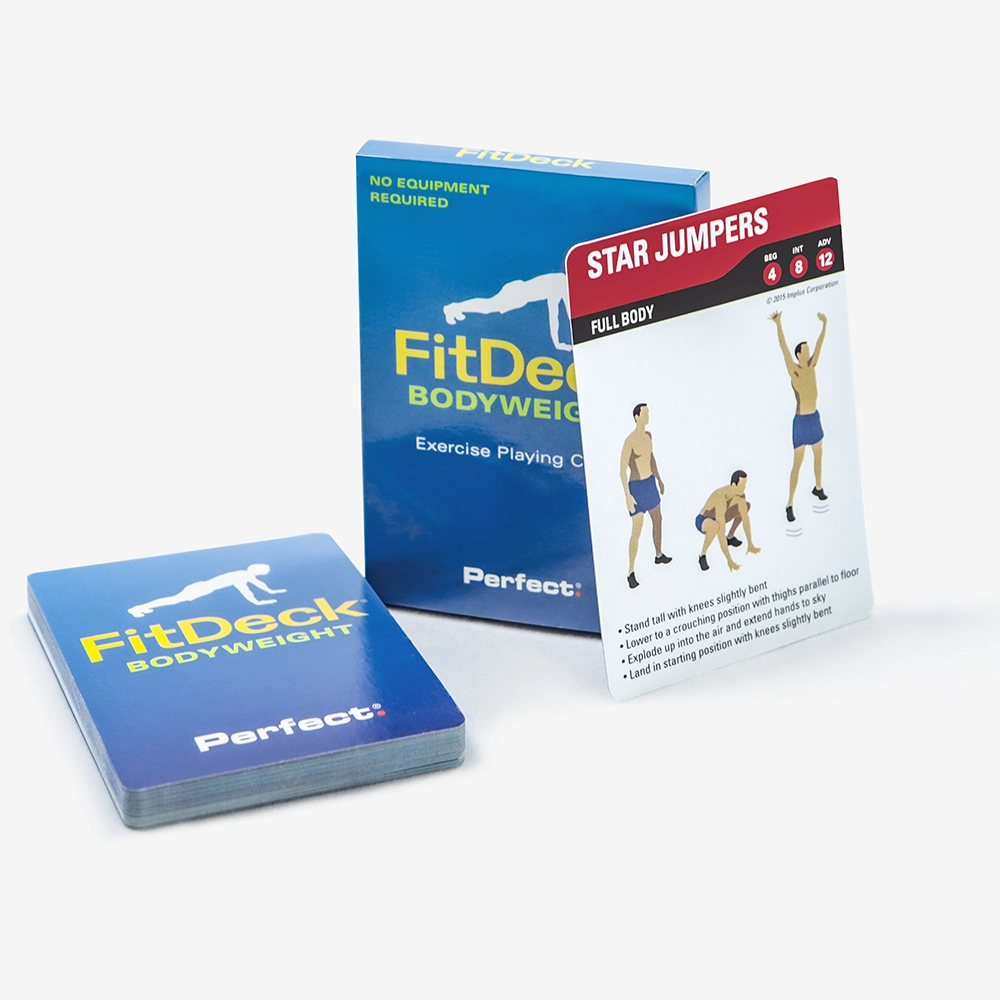
Custom Design Printing Fitness Learning Cards
The Fitness Learning Card is an innovative, beginner-friendly tool for fitness enthusiasts, featuring clear illustrations and instructions to ensure proper form and prevent injury. Organized by topics like strength training, cardio, stretching, and nutrition, it offers a systematic, easy-to-follow approach to building fitness knowledge and avoiding blind workouts.
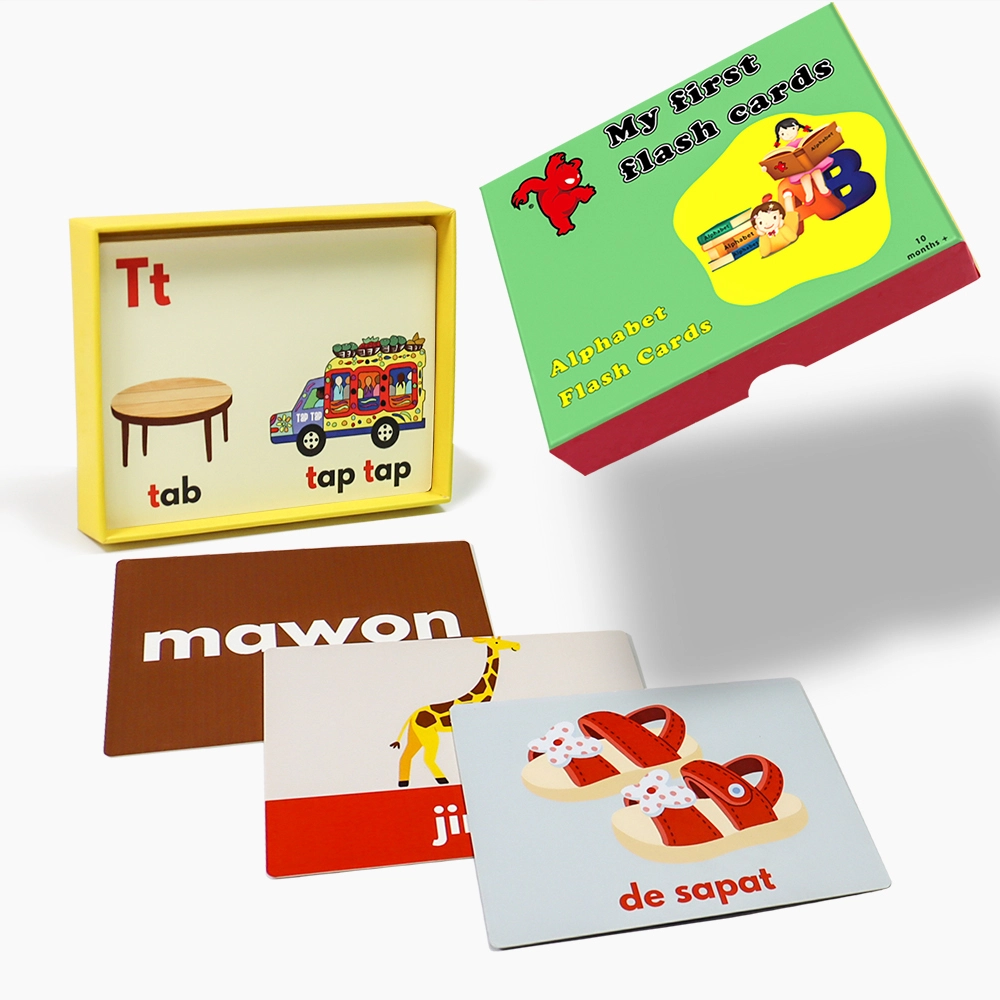
Factory Custom Printing High Quality Children's Learning Cards
Designed for preschoolers, kindergarteners, and primary school students, these cards support early cognitive development by introducing letters, numbers, colors, shapes, animals, fruits, and vehicles. Combining images and words enhances vocabulary and language skills, while games like sorting and pairing foster logical thinking and problem-solving. Repetition builds memory and focus, and the cards also encourage meaningful parent-child interaction.
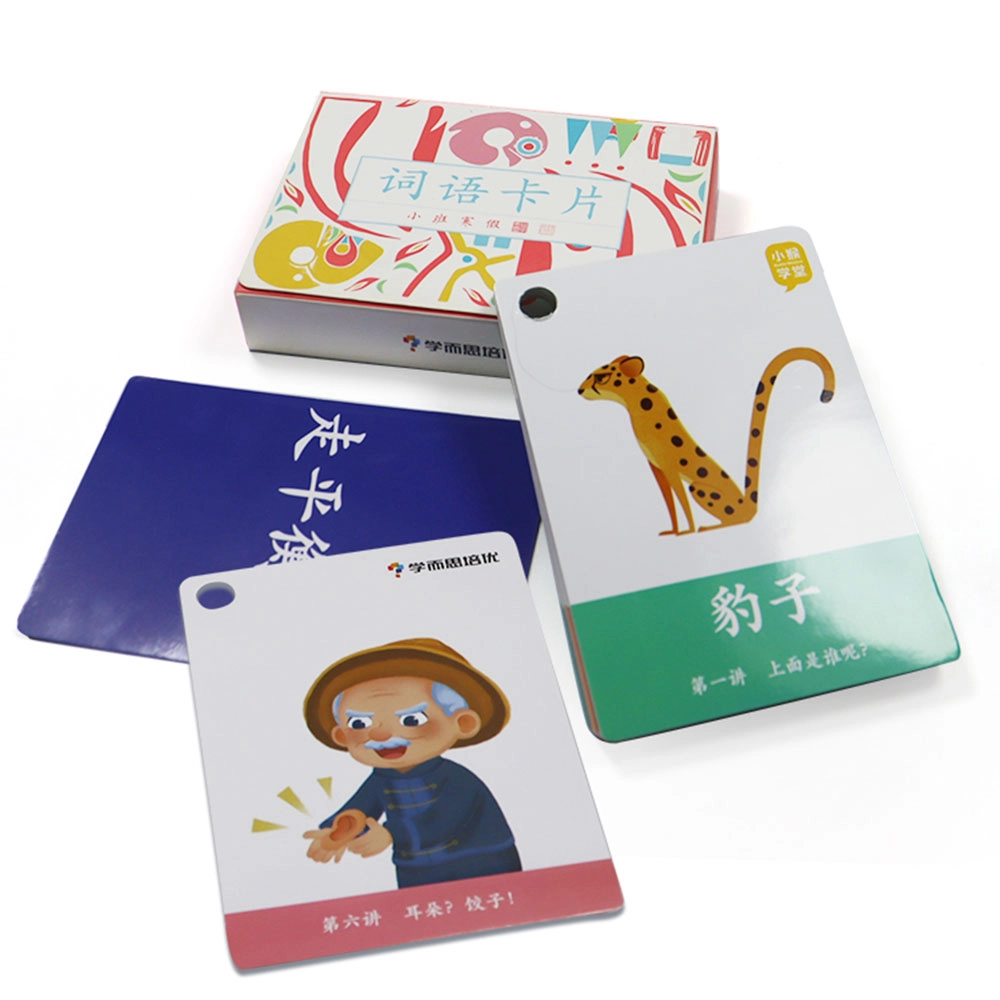
Chinese Words for Children Learning Cards
Chinese Character Learning Cards help kids ages 3-8 master basic Chinese characters through fun illustrations, pinyin, example words, and sentences. Designed for early learners, it builds language skills in an engaging way.
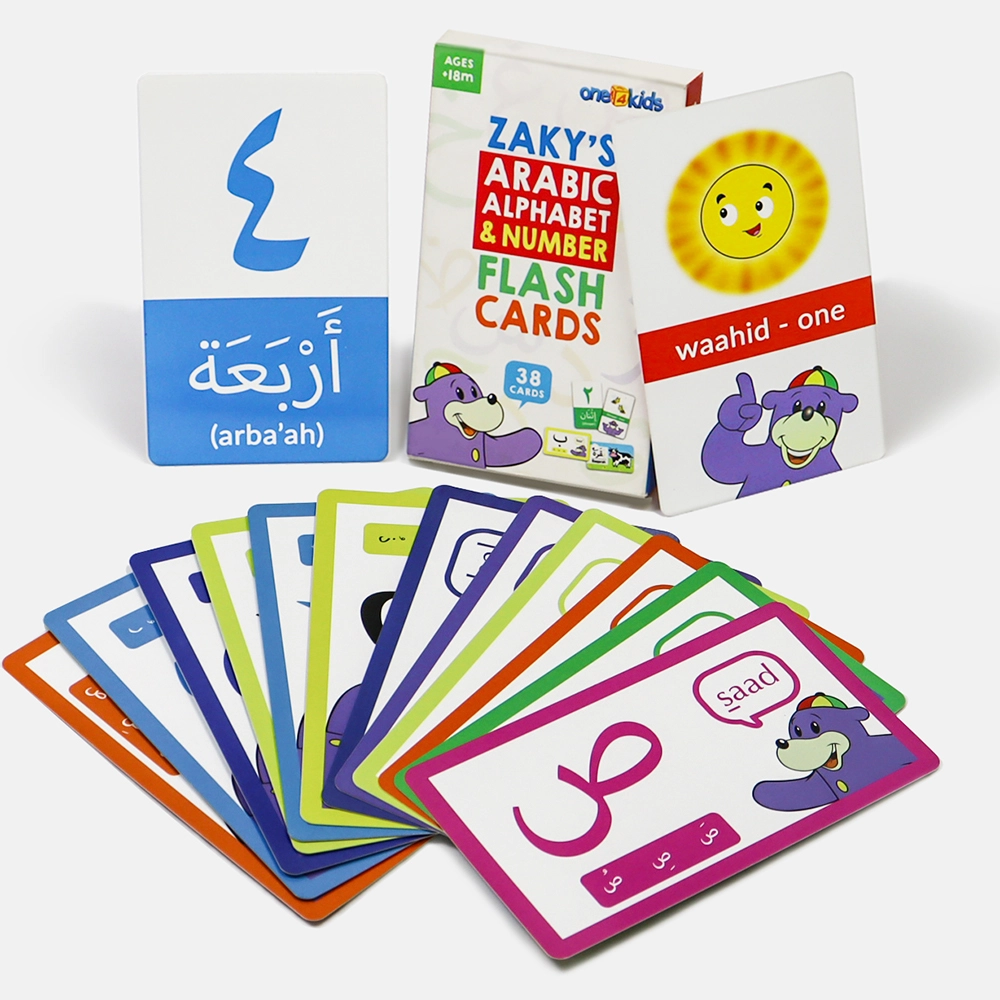
Custom Design Printing Font Stroke Learning Cards
These learning cards feature rich content across various topics, making them suitable for children of different ages. Bright colors and cute patterns engage young learners, while eco-friendly, non-toxic materials and rounded corners ensure safety. Thoughtfully sized for little hands, the cards can be used alone or paired with a reading pen or app for added fun and interactivity.
bbilaser
sq_AL