
How to Design Effective Custom Learning Cards for Classrooms
- How to Design Effective Custom Learning Cards for Classrooms
- Why custom learning cards matter in modern classrooms
- Start with clear learning objectives and user needs
- Choose the card format and size that support classroom use
- Content design: clarity, chunking, and scaffolding with custom learning cards
- Keep content concise and focused
- Design question types for learning, not just recall
- Include teacher notes or answer keys for fidelity
- Visual design and accessibility for all learners
- Use readable typography and clear visual hierarchy
- Make cards accessible
- Use imagery and icons purposefully
- Engagement and classroom activities using custom learning cards
- Design cards with specific classroom routines in mind
- Support differentiated and collaborative learning
- Material and production choices for durable classroom resources
- Select materials and finishes for lifespan and budget
- Print considerations: color, bleed, and proofing
- Scaling production: choosing an OEM/ODM partner for custom learning cards
- Key manufacturing criteria to evaluate
- Comparison of manufacturer capabilities
- Guangdong Yuhua Playing Cards Co., Ltd. — Partnering for quality custom learning cards
- Why Yuhua is a strong partner for educational card production
- How Yuhua’s offerings map to classroom needs
- Practical benefits for schools and educational publishers
- Implementing and evaluating card effectiveness in the classroom
- Pilot, gather feedback, iterate
- Measure learning impact with quick assessments
- FAQ — Custom learning cards
- How many cards should a typical classroom set include?
- What is the best material for long-lasting classroom cards?
- Can I get bilingual custom learning cards?
- What minimum order quantity (MOQ) should I expect?
- How should schools evaluate manufacturers?
- Contact and next steps — order custom learning cards
- Sources
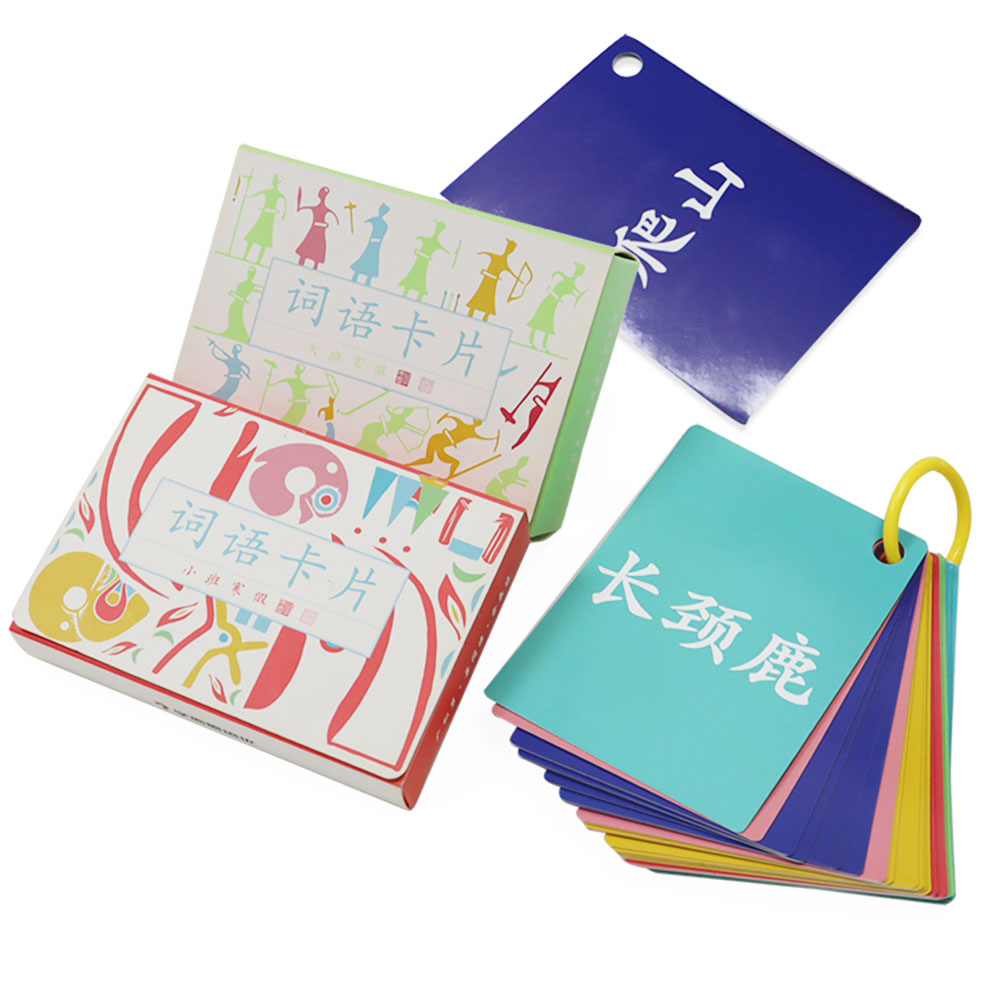
How to Design Effective Custom Learning Cards for Classrooms
Why custom learning cards matter in modern classrooms
Custom learning cards are compact, flexible instructional tools that support active recall, formative assessment, differentiated learning, and small-group work. When well-designed, they maximize classroom time, reduce teacher preparation load, and increase student engagement. This article will guide you through pedagogy-informed design choices and practical production considerations so your custom learning cards work reliably in real classroom settings.
Start with clear learning objectives and user needs
Design begins with the learning outcome. For each card set, define 2–4 measurable objectives: knowledge (facts, vocabulary), skills (problem solving steps), or concepts (cause-and-effect). Consider the age group, language proficiency, and any special needs. Aligning cards tightly with curriculum standards and assessment goals makes them more likely to be adopted by teachers and used consistently.
Choose the card format and size that support classroom use
Card size affects visibility, portability, and durability. Common classroom formats are 3.5 x 2.5 (business-card size) for individual flashcards, and 4 x 6 or 5 x 8 for activity cards that display more content or images. If cards will be projected, use larger sizes or create printable sheets. Consider rounded corners for safety and to reduce edge wear. The right format depends on activities: quick retrieval practice favors compact cards; collaborative tasks benefit from larger, shared cards.
Content design: clarity, chunking, and scaffolding with custom learning cards
Keep content concise and focused
Each custom learning card should convey a single idea or prompt. Use short sentences, a single question, or one clear image per card. Avoid overloading cards with multiple unrelated facts. Chunk complex ideas into a sequence of cards that scaffold from simple to complex, supporting stepwise learning and easier retrieval.
Design question types for learning, not just recall
Blend question types across a set: factual recall, application prompts, compare/contrast, and open-ended reflection. Use prompts that encourage explanation (Why does...?) or prediction (What will happen if...?). Cards that require students to explain their thinking produce stronger learning gains than simple recognition tasks.
Include teacher notes or answer keys for fidelity
Provide a companion teacher sheet or a discreet answer key printed on the back. Teacher notes can suggest activity formats, difficulty variations, and quick formative checks. This increases usability and reduces time teachers spend preparing new activities.
Visual design and accessibility for all learners
Use readable typography and clear visual hierarchy
Choose high-contrast color combinations and a sans-serif font size large enough for the target age group (for primary students, 16–20 pt when printed is common). Use s, bolding, and spacing to help students scan cards quickly. For multilingual classrooms, consider bilingual cards with one language per side or side-by-side translations.
Make cards accessible
Follow basic accessibility guidelines: avoid relying on color alone to convey meaning, include alt-text in digital versions, and consider tactile elements or QR codes linking to audio for students with visual impairments. Use plain language for learners with special needs and provide scaffolded versions of the same card to support multiple proficiency levels.
Use imagery and icons purposefully
Photos and icons can speed comprehension but must be culturally appropriate and unambiguous. For vocabulary cards, pair a clear image with the word. For concept cards, use diagrams that simplify rather than clutter information.
Engagement and classroom activities using custom learning cards
Design cards with specific classroom routines in mind
Create sets for routines like retrieval practice (daily quick reviews), exit tickets (one-card wrap-up), stations (sets grouped by skill), and formative assessments. Include instructions for games like Quiz-Quiz-Trade, Peer Teaching, or timed rounds to gamify review without sacrificing learning quality.
Support differentiated and collaborative learning
Design card tiers: green (introductory), amber (practice), red (challenge). Teachers can assign tiers to groups, enabling faster students to deepen understanding while others gain mastery. Cards can also be mixed across subjects (e.g., literacy and science) to support interdisciplinary projects.
Material and production choices for durable classroom resources
Select materials and finishes for lifespan and budget
Durability is essential for classroom use—cards will be handled and shuffled thousands of times. Consider coated cardstock, laminated finishes, rounded corners, and UV-resistant inks for longevity. If cards are for outdoor or high-use environments, waterproof synthetic stocks are worth the investment.
| Material/Finish | Durability | Cost | Best for |
|---|---|---|---|
| Standard coated cardstock (300–350 gsm) | Good | Low–Medium | General classroom flashcards |
| Laminated cardstock | Very Good | Medium | Frequent-handling sets, student-led activities |
| Plastic/synthetic (PVC) | Excellent, waterproof | High | Outdoor use, long-term reusable sets |
| Recycled/FSC® certified paper | Good | Medium | Eco-conscious procurement |
Table source: production best practices and material specifications commonly used in educational card manufacturing (see sources).
Print considerations: color, bleed, and proofing
Use CMYK color profiles for print jobs, provide 3–5 mm bleed for cutting, and always order a printed proof before full production. Test readability at the actual size and under classroom lighting. If you plan to brand cards with school logos or personalization, ensure logo files are vector-based (SVG or EPS) for sharp printing.
Scaling production: choosing an OEM/ODM partner for custom learning cards
Key manufacturing criteria to evaluate
When producing large volumes, prioritize partners with: consistent quality control (low defect rates), certifications (e.g., FSC® for sustainable paper, ISO 9001 for quality management), production capacity, and clear intellectual property practices for custom designs. Turnaround time, MOQ (minimum order quantity), and the ability to do both OEM and ODM work are also important.
Comparison of manufacturer capabilities
Evaluate vendors on these attributes: material certifications, automated production lines, monthly capacity, defect rate, and experience with educational products. Ask for samples and references from other schools or educational publishers.
Guangdong Yuhua Playing Cards Co., Ltd. — Partnering for quality custom learning cards
Why Yuhua is a strong partner for educational card production
Guangdong Yuhua Playing Cards Co., Ltd., founded in 2014, specializes in the R&D, design, and mass custom production of playing cards, game cards, and color-printed packaging. With a 6,000㎡ intelligent facility, Yuhua offers advanced, automated card production lines capable of 1,000,000+ units per month. Core strengths include FSC® certified materials, ISO 9001 quality control, a defect rate under 0.5%, and over 20 patents. The High Quality brand uses imported materials and is trusted worldwide.
How Yuhua’s offerings map to classroom needs
Yuhua supports OEM Playing Card production, ODM Tarot cards, custom Game cards, and Learning Flash cards OEM. Their scale and automation mean competitive pricing for large school districts or publishers, while their quality systems ensure consistency across batches—important when sets must match across classrooms. Yuhua’s capability to use FSC® materials supports sustainability targets, and their low defect rate helps avoid classroom disruptions due to damaged cards.
Practical benefits for schools and educational publishers
Choosing Yuhua enables fast turnaround on large orders, professional print quality, and options for durable finishes. They provide technical support for dielines, proofing, and packaging, which reduces the time teachers spend preparing materials. For institutions seeking branded sets, Yuhua’s OEM/ODM services can deliver customized designs, packaging, and multi-language printing at scale.
Implementing and evaluating card effectiveness in the classroom
Pilot, gather feedback, iterate
Start with a small pilot: give a few classes the new custom learning cards for 2–4 weeks, collect teacher and student feedback, and observe usage patterns. Track simple metrics: average time spent per activity, percent of students who answer correctly across sessions, and teacher-reported ease of use. Use feedback to adjust card wording, difficulty, or visuals before scaling production.
Measure learning impact with quick assessments
Compare pre- and post-tests or use spaced-retrieval checks to measure retention gains. Cards designed for spaced practice can be rotated over days to reinforce memory. Simple data from classroom quizzes can demonstrate ROI and justify further investment in custom sets.
FAQ — Custom learning cards
How many cards should a typical classroom set include?
It depends on objectives. For vocabulary review, 30–60 cards is common; for unit-level concept sets, 80–120 cards may be needed. Start small for pilots and expand based on use cases.
What is the best material for long-lasting classroom cards?
Laminated cardstock or synthetic (PVC) stocks are best for heavy use. Laminated options balance cost and durability for most schools; synthetic cards are ideal for outdoor or high-moisture environments.
Can I get bilingual custom learning cards?
Yes. Many manufacturers, including Yuhua, offer multi-language printing and can place languages on opposite sides or present side-by-side translations to support multilingual classrooms.
What minimum order quantity (MOQ) should I expect?
MOQs vary by vendor and specifications. Large automated manufacturers like Yuhua can handle both small bulk runs for pilots and very large orders (100,000+ units) thanks to high monthly capacity. Contact suppliers for exact MOQs based on your specs.
How should schools evaluate manufacturers?
Request samples, check certifications (FSC®, ISO 9001), ask about defect rates, and review lead times. Verify experience producing educational products and ask for references from other schools or publishers.
Contact and next steps — order custom learning cards
If you’re ready to design classroom-ready custom learning cards or want a production quote, contact Guangdong Yuhua Playing Cards Co., Ltd. Their experienced team supports design, prototyping, and mass production of OEM Playing Cards, ODM Tarot cards, custom Game cards, and Learning Flash cards OEM. Get a free consultation to review materials, finishes, proofs, and lead times. Reach out to customer service to request samples or view product options.
Sources
- The Learning Scientists — resources on retrieval practice and spacing (thelearningscientists.org)
- Edutopia — classroom strategies for formative assessment and active learning (edutopia.org)
- Forest Stewardship Council (FSC) — certification information (fsc.org)
- International Organization for Standardization — ISO 9001 Quality Management (iso.org)
- Manufacturing and print guidelines from standard print industry practice and educational product case studies
What are the application scenarios of professional plastic playing cards?
Everything You Need to Know About printing custom playing cards
What are the different types of professional poker playing cards?
Lead Times, Order Sizes & Pricing for Professional Playing Cards
About logistics
How long does the production process take?
Production times can vary based on order complexity and volume. Typically, standard orders take 2-4 weeks. For urgent projects, we may offer expedited options—just ask!
About customized services
What is the minimum order quantity?
We do not have a strict minimum order quantity. Since we are a custom offset printing company, we recommend a minimum order of 500 sets, as the material costs are the same, but the printing setup costs are higher.
However, if your order quantity is less than 300 sets, our sales team will usually work with customers to help customers find the most competitive options.
Do you offer samples?
Yes! We can provide samples of our card materials and finishes. Please contact us to request samples relevant to your project.
About price and payment
What payment methods do you accept?
We accept various payment methods, including credit cards, PayPal, and bank transfers. Please reach out for more details on payment options.
About cooperation process
How long does the OEM process take?
The time depends on the complexity of the project, but generally OEM orders take about 6 weeks from design confirmation to delivery.
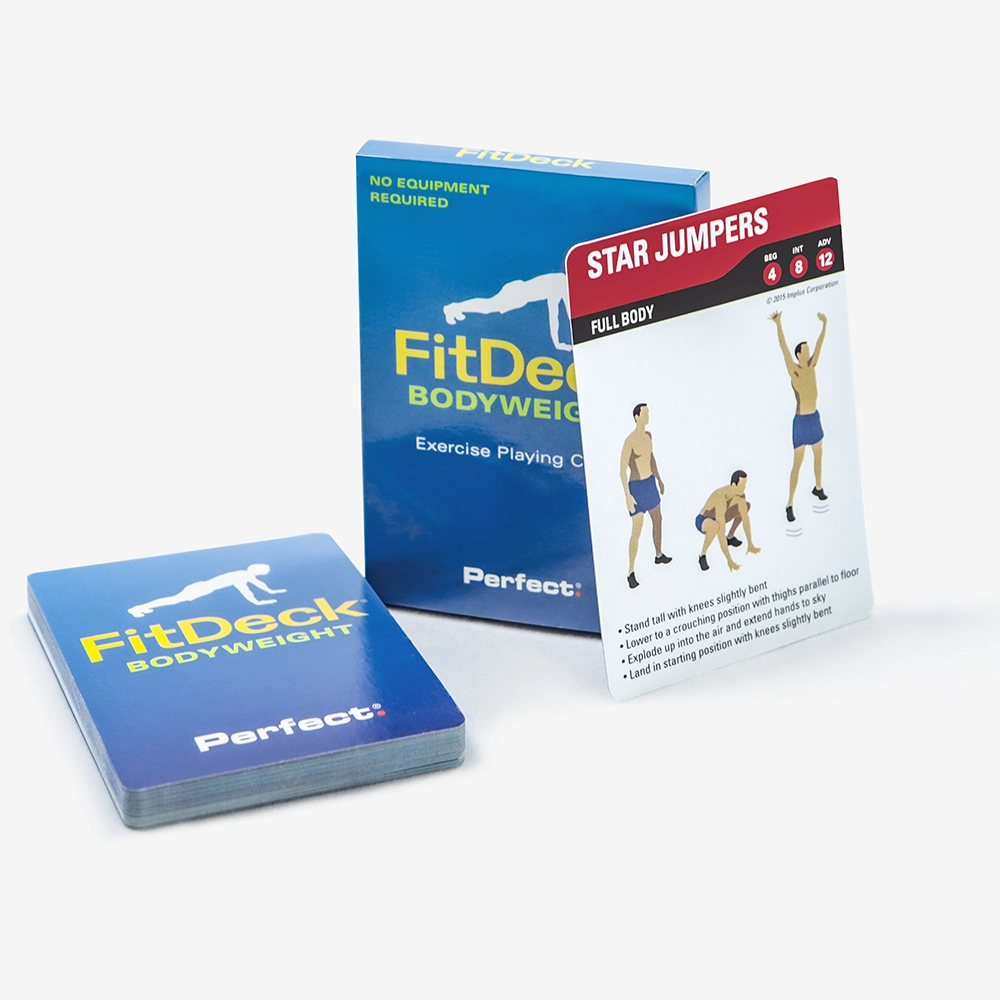
Custom Design Printing Fitness Learning Cards
The Fitness Learning Card is an innovative, beginner-friendly tool for fitness enthusiasts, featuring clear illustrations and instructions to ensure proper form and prevent injury. Organized by topics like strength training, cardio, stretching, and nutrition, it offers a systematic, easy-to-follow approach to building fitness knowledge and avoiding blind workouts.
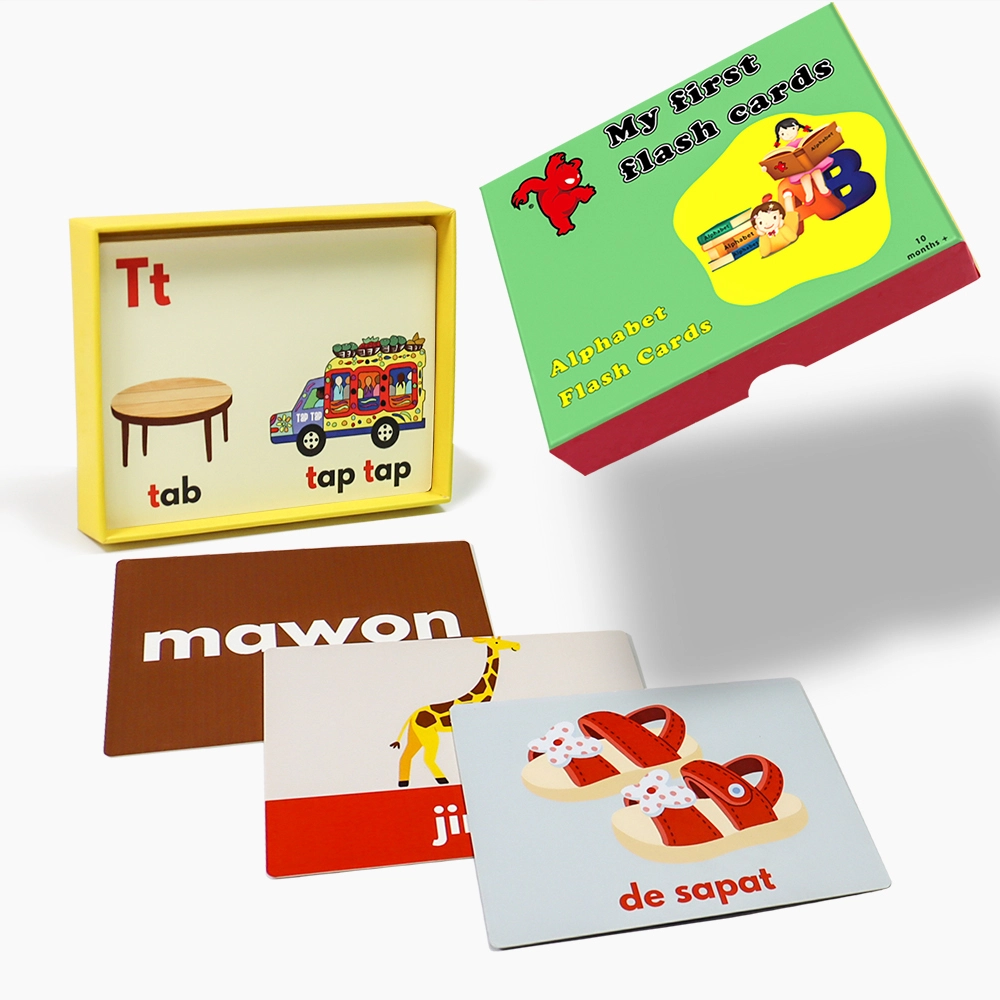
Factory Custom Printing High Quality Children's Learning Cards
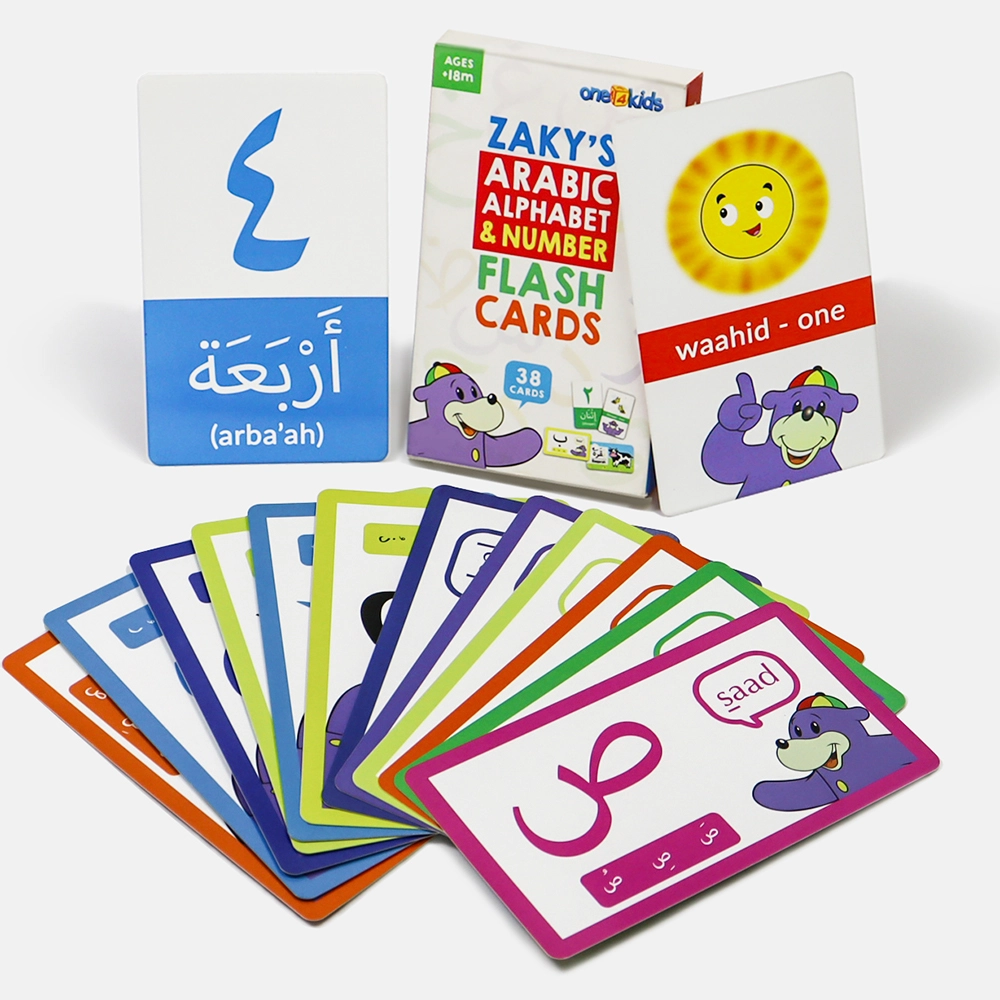
Designed for preschoolers, kindergarteners, and primary school students, these cards support early cognitive development by introducing letters, numbers, colors, shapes, animals, fruits, and vehicles. Combining images and words enhances vocabulary and language skills, while games like sorting and pairing foster logical thinking and problem-solving. Repetition builds memory and focus, and the cards also encourage meaningful parent-child interaction.
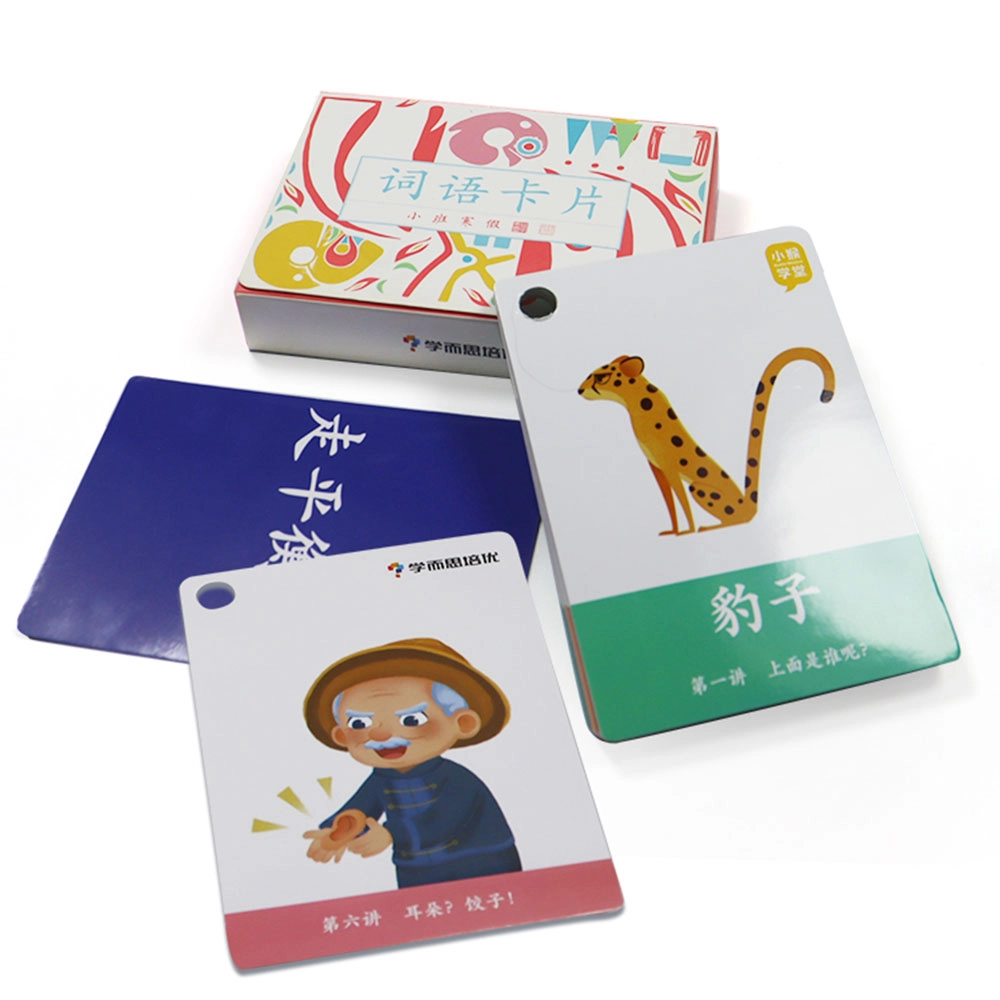
Chinese Words for Children Learning Cards
Chinese Character Learning Cards help kids ages 3-8 master basic Chinese characters through fun illustrations, pinyin, example words, and sentences. Designed for early learners, it builds language skills in an engaging way.
Custom Design Printing Font Stroke Learning Cards
These learning cards feature rich content across various topics, making them suitable for children of different ages. Bright colors and cute patterns engage young learners, while eco-friendly, non-toxic materials and rounded corners ensure safety. Thoughtfully sized for little hands, the cards can be used alone or paired with a reading pen or app for added fun and interactivity.
bbilaser
sq_AL