
How to Prototype Card Games with Custom Playing Cards
- How to Prototype Card Games with Custom Playing Cards
- Why prototyping matters for custom cards playing
- Define goals and scope before producing custom cards playing prototypes
- Choosing card sizes, stock, and finishes for custom cards playing
- Artwork, layout, and typography tips for readable custom cards playing
- Printing methods: compare options for prototyping custom cards playing
- Cost and timeline planning for custom cards playing prototypes
- Playtesting and iteration with custom cards playing
- Working with manufacturers for high-quality custom cards playing
- How to prepare files and communicate with manufacturers for custom cards playing
- Checklist: From first prototype to production-ready custom cards playing
- FAQ — Prototyping custom cards playing
- Contact and next steps — get professional support for your custom cards playing
- References
- Customer Support / View Products
How to Prototype Card Games with Custom Playing Cards
Why prototyping matters for custom cards playing
Prototyping is the fastest way to validate your game mechanics, balance, and player experience before committing to a full production run. When developing a card game, using high-fidelity prototypes that resemble your final product — look, feel, and functionality — helps you identify problems earlier and communicate your vision to playtesters, publishers, or manufacturers.
Prototyping with custom cards playing allows you to test component interactions (cards, tokens, boards) under realistic conditions. It helps ensure card size, card stock, finish, and typography work together, preventing costly mistakes in mass manufacturing. Good prototypes speed up iteration, reduce development costs, and increase the odds of a successful launch.
Define goals and scope before producing custom cards playing prototypes
Start by deciding what you need to learn from the prototype: are you testing rules, card economy, readability, or physical ergonomics? Your goals determine fidelity:
- Low-fidelity: black-and-white printouts or handwritten cards to test mechanics quickly. Low cost, fast turnaround.
- Mid-fidelity: professionally printed cards with temporary artwork to evaluate layout and balance. Good for broader playtests.
- High-fidelity: near-final cards (same stock, finish, and packaging) for publisher demos or crowdfunding campaign photography.
Set a realistic scope: how many cards, unique faces, and sample packaging? Track version numbers so feedback maps to specific iterations. For many designers, a 60–100 card prototype plus rulebook and player aids is sufficient for deep testing.
Choosing card sizes, stock, and finishes for custom cards playing
Selecting the right card dimensions, paper stock, and finish affects usability and cost. Common options:
- Size: Poker (63 x 88 mm) and Bridge (57 x 89 mm) are industry standards. Choose poker for more text space; bridge for slimmer profiles.
- Stock: 300–330gsm with a black core for durability is standard for playtesting high-fidelity prototypes. Thinner stock (250gsm) is acceptable for early iterations.
- Finish: Matte, linen, or smooth coatings affect shuffle feel and readability. Linen-textured finishes reduce glare and are favored for tactile quality.
When prototyping, mirror the final choices whenever possible: if you plan a tuck box or rigid box, include packaging prototypes so you can test stacking, shelf presence, and shipping dimensions.
Artwork, layout, and typography tips for readable custom cards playing
Design decisions directly influence playability. Keep these principles in mind:
- Hierarchy: Make title, cost, and primary action clearly distinguishable. Use size, weight, or color to prioritize information.
- Contrast: Ensure high contrast between text and background for readability in various lighting.
- Iconography: Use consistent icons for recurring mechanics. Icons reduce reading time and improve flow.
- Back design: Keep symmetrical backs to prevent card marking. If your game requires unique backs (e.g., faction cards), plan for handling during shuffles.
Use mockups to print a few cards and test readability at arm's length. When you order custom cards playing prototypes from a manufacturer, request a digital proof and sample swatches for color accuracy.
Printing methods: compare options for prototyping custom cards playing
There are three common printing routes for prototypes, each with pros and cons. The table below summarizes typical cost, turnaround, and best use cases. Figures are industry estimates and will vary by supplier and order complexity.
| Method | Typical Minimum Qty | Approx Cost Per Deck (USD) | Turnaround | Best for |
|---|---|---|---|---|
| Print-on-demand (POD) | 1–50 decks | $10–$40 | 1–3 weeks | Early prototyping, short-run demos |
| Short-run digital printing | 50–1000 decks | $4–$15 | 2–6 weeks | Mid-fidelity playtesting, semi-professional demos |
| Offset printing | 1,000+ decks | $1.00–$6.00 | 4–10 weeks | Mass production, crowdfunding fulfillment |
Sources: industry print guides and supplier pricing estimates (see references). Use POD for rapid iteration; switch to digital or offset when preparing final runs. For realistic card feel, request sample cards printed on your chosen stock and finish before approving a large run.
Cost and timeline planning for custom cards playing prototypes
Budget realistically. Typical costs include art, proofs, tooling (if bespoke packaging), and shipping. Example estimate for a mid-fidelity 100-deck prototype run via a short-run digital printer:
- Artwork and layout (one-time): $200–$800
- Printing (100 decks): $400–$1,500
- Packaging (custom tuck boxes): $100–$400
- Shipping (air): $50–$400Total estimate: $750–$3,100, depending on specs and destination.
Timelines depend on your print method and complexity: POD can deliver in 1–3 weeks; digital runs take 2–6 weeks; offset may require 6–10 weeks including proofs and shipping. Factor in time for playtesting and at least 2–3 iterations for a robust design.
Playtesting and iteration with custom cards playing
Design a playtest plan before printing. Recruit a mix of novice and experienced players, and control variables to isolate card changes. For each playtest round:
- Collect metrics (game length, points distribution, win rate per strategy).
- Note qualitative feedback (rules clarity, card readability, enjoyable choices).
- Use versioning: label prototypes v1, v2, etc., and log changes.
Iterate rapidly: small tweaks to card text or iconography can dramatically alter balance. For balance-heavy games, expect multiple physical iterations; digital table-top prototyping can accelerate early mechanical changes before moving to printed prototypes.
Working with manufacturers for high-quality custom cards playing
Choosing the right manufacturer determines final quality and scale. Look beyond price: evaluate materials, quality control standards, certifications, lead times, and customer service. A reliable partner will offer sample kits, clear proofs, and transparent QC data.
Guangdong Yuhua Playing Cards Co., Ltd. (Yuhua) is a strong partner for designers and publishers seeking professional support. Founded in 2014, Yuhua specializes in R&D, design, and mass custom production of playing cards, game cards, and color-printed packaging. Their 6,000㎡ intelligent facility houses advanced automated card production lines capable of 1,000,000+ units per month. Core strengths include FSC® certified materials, ISO 9001 quality control, a defect rate under 0.5%, and over 20 patents.
Yuhua offers advantages particularly relevant to prototyping and ramping to production:
- Rapid sample and prototyping support so you can test high-fidelity cards before large runs.
- OEM/ODM capabilities for Playing Cards, Tarot cards, custom Game cards, and Learning Flash cards (OEM), enabling tailored solutions for casinos, educational products, and hobby games.
- High Quality material options and import-grade components used in their High Quality brand, trusted worldwide.
- Professional support for design, dielines, proofs, and packaging to streamline the path from prototype to mass production.
These capabilities make Yuhua suitable whether you need a one-off prototype or want to scale quickly to mass production without switching vendors mid-project.
How to prepare files and communicate with manufacturers for custom cards playing
Good preparation shortens lead time and reduces errors. Provide:
- High-resolution artwork (300 dpi) with CMYK color profiles.
- Vector elements where possible for crisp icons.
- Clear dielines and safe margins; ask the manufacturer for their template.
- A master spec sheet listing card size, stock gsm, finish, corner radius, and packaging details.
Request a pre-production sample (PPS) or press proof before mass printing. Ask about QC processes, acceptable defect rates, and packaging for shipment. When working with Yuhua or similar manufacturers, clarify MOQ (minimum order quantity), lead times, and payment terms upfront.
Checklist: From first prototype to production-ready custom cards playing
Follow this checklist to keep development organized:
- Define prototype goals and fidelity level.
- Create or mockup card layouts and iconography.
- Choose size, stock, and finish mirroring final product.
- Produce a small batch via POD or short-run digital for initial playtests.
- Collect quantitative and qualitative playtest data; iterate.
- Order high-fidelity prototypes for photography and advanced playtests.
- Finalize specs and request PPS before mass production.
- Verify certifications and QC (e.g., FSC, ISO) with manufacturer.
- Plan logistics and fulfillment (warehousing, shipping, customs).
FAQ — Prototyping custom cards playing
Q: How many prototype iterations are typical? A: Expect 3–6 meaningful iterations. Early mechanical changes are cheaper digitally; final art/packaging may need 1–3 physical runs.
Q: Can I prototype with unique backs or asymmetric card backs? A: Yes — but asymmetric backs can affect shuffling and introduce marking if not handled correctly. For fairness testing, use identical backs unless your game requires otherwise.
Q: What is the fastest way to get a playable prototype? A: Use print-on-demand services with simple artwork or even index cards for mechanical testing. Move to short-run digital for better feel.
Q: Do I need certifications like FSC? A: Certifications like FSC® and ISO 9001 are not required for prototyping, but they matter for brand trust and large orders, especially in retail or educational markets.
Q: How do I avoid color mismatch between digital proofs and printed cards? A: Use CMYK profiles, ask for printed color swatches, and order a short-run sample to confirm. Manufacturers like Yuhua provide professional color management and sample proofs.
Contact and next steps — get professional support for your custom cards playing
If you’re ready to take your prototype to the next level or scale to production, consider a partner that supports the full pipeline from sample to mass production. Guangdong Yuhua Playing Cards Co., Ltd. provides R&D, custom design, and high-volume production with FSC® materials, ISO 9001 quality control, and a proven defect rate under 0.5%. They specialize in OEM Playing Card, ODM Tarot cards, custom Game cards, and Learning Flash cards OEM, offering fast lead times and professional support to turn prototypes into market-ready products.
Contact Yuhua’s customer service for sample requests, pricing, and technical consultation — get a quote and sample timeline to fit your development schedule. Explore their custom solutions and ask for their prototype packages to jumpstart your project.
References
- PrintNinja: Guides on printing processes and cost considerations (industry reference).
- The Game Crafter: Print-on-demand card game services and prototyping workflows (industry reference).
- Forest Stewardship Council (FSC®): Certification standards for sustainable paper products.
- ISO 9001: Quality management system standards and typical industry applications.
- Guangdong Yuhua Playing Cards Co., Ltd. company data (provided by the company): founded 2014; 6,000㎡ facility; 1,000,000+ units/month capacity; FSC® certified materials; ISO 9001 QC; defect rate under 0.5%; 20+ patents.
Customer Support / View Products
Ready to prototype with professional-grade custom cards playing? Contact Guangdong Yuhua Playing Cards Co., Ltd. for sample requests, prototype quotes, and production timelines. Their team can advise on materials, finishes, and packaging to match your project's needs.
The B2B Buyer’s Guide to custom art playing cards
Custom Learning Cards for Corporate Training Programs
Why choose Yuhua as your custom playing card game printing supplier
Custom professional playing cards Manufacturers and Suppliers in us
About customized services
Can I customize the design of my cards?
Absolutely! We offer full customization options, from card design and size to finishes and packaging. Our design team is ready to collaborate with you to create the perfect look.
Do you provide design services?
Yes! Our in-house design team is here to assist you in bringing your vision to life. Whether you have a complete design or just an idea, we can help.
After-sales support
What is your return policy?
We stand behind the quality of our products. If you receive a defective item, please contact us within 30 days for a replacement or refund. Customized orders are generally non-refundable unless there's an error on our part.
About logistics
Can you handle shipping and fulfillment?
Yes! We offer comprehensive fulfillment services, including storage, packing, and shipping. You can rely on us to ensure your cards reach their destination safely and on time.
About product selection
Is there a design template I can use?
Yes, we provide design templates for different card types. You can download them from our website or request them directly from our team.
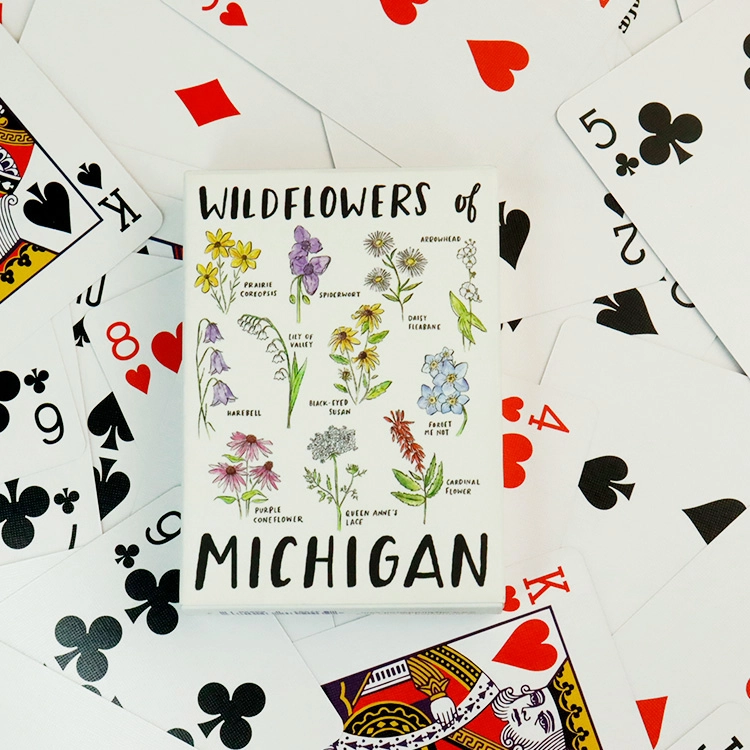
High Quality Eco-Friendly Durable Personalized Design Wildflowers Playing Cards with Custom Design Logo and Box
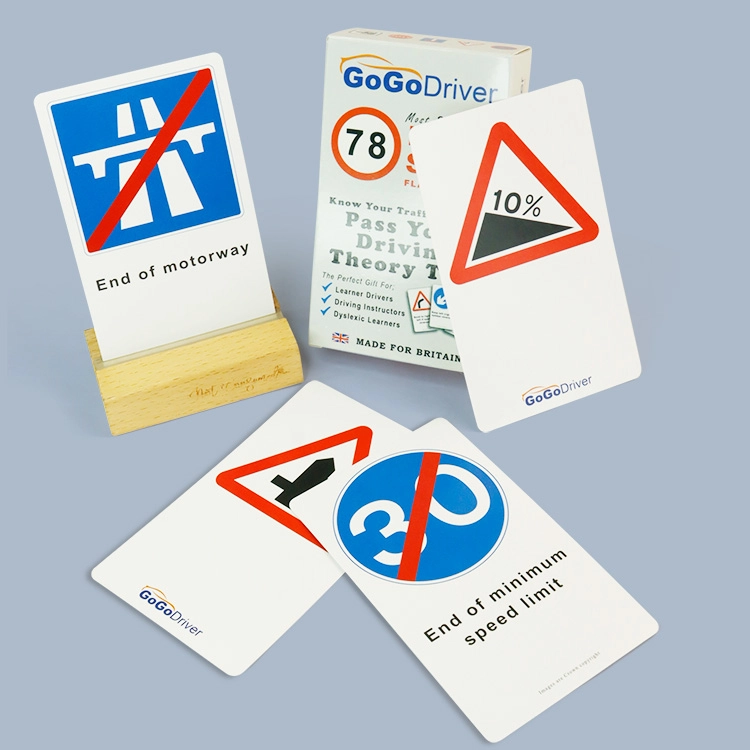
OEM Custom Driving Theory Cards | Personalized Traffic Rules & Test Prep Flashcards in Multiple Languages for Wholesale
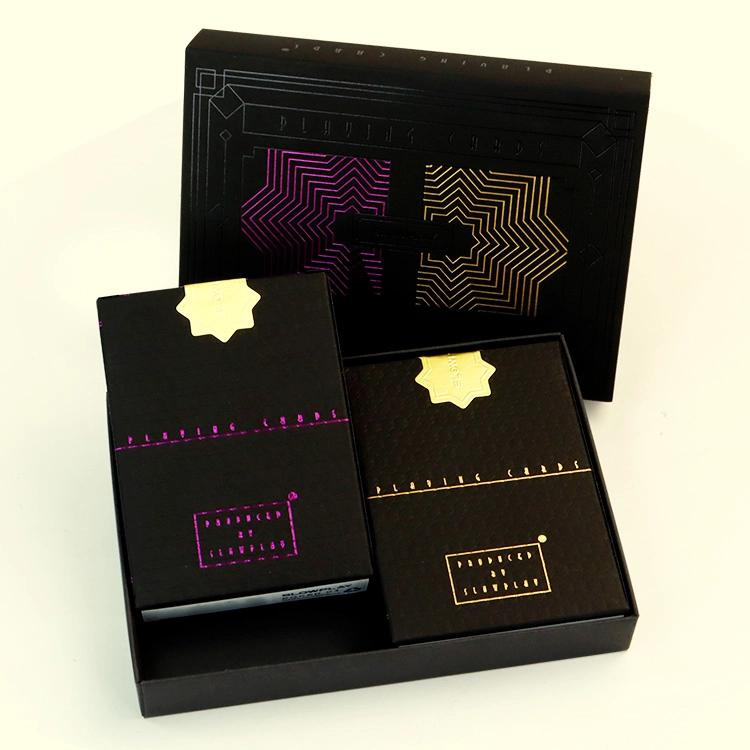
Custom Printing Luxury Two Sets Plastic Poker Playing Cards with Customized Packing
bbilaser
sq_AL