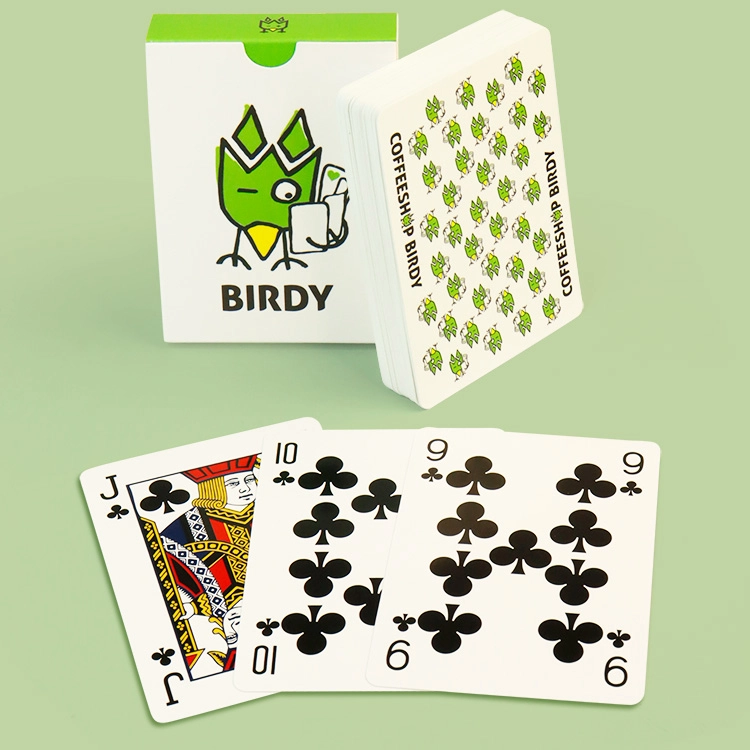
Best Paper Stocks for Custom Playing Cards
- Choosing the Right Cardstock: Why Material Matters for Custom Playing Cards
- Common Cardstock Types for Custom Playing Cards (keyword: customize playing cards)
- Core paper stocks and descriptions
- How GSM and Card Thickness Affect Performance
- Finishes and Coatings: Playability, Print Quality, and Protection
- Manufacturing Considerations: Print Method, Die-Cut, and Edge Treatment (keyword: customize playing cards)
- Comparing Stocks: Cost, Durability, and Typical Use Cases
- Environmental and Certification Considerations (keyword: customize playing cards)
- Special Use Cases: Casino, Tarot, Educational Cards
- Quality Control and Mass Production: What to Ask Your Manufacturer
- Case Study and OEM Partner Profile: Guangdong Yuhua Playing Cards Co., Ltd.
- How to Choose the Right Stock for Your Project (actionable checklist)
- Price vs Performance: Budgeting Your Custom Card Project
- FAQ — Best Paper Stocks for Custom Playing Cards
- 1. What GSM is best if I want both durability and good shuffleability?
- 2. Are plastic cards better than paper cards?
- 3. Do I need FSC certification to sell globally?
- 4. How does linen finish compare to smooth?
- 5. What sample tests should I run before full production?
- 6. How long does mass production typically take?
- 7. Can I mix materials in one run (e.g., some plastic cards in a paper deck)?
- Contact, Samples, and Next Steps
- References and Sources
Choosing the Right Cardstock: Why Material Matters for Custom Playing Cards
When you customize playing cards, the paper stock you choose defines almost every user experience factor: shuffling and dealing feel, edge wear, print fidelity, longevity, and perceived value. Whether you’re designing a casino-grade deck, a collector’s item, a tarot set, or educational flash cards, the right combination of GSM (grams per square meter), finish, coating, and certification will determine whether your final product meets expectations. This guide explains the best paper stocks for different custom playing card needs and the trade-offs that matter in production and cost.
Common Cardstock Types for Custom Playing Cards (keyword: customize playing cards)
There are several widely used stocks and material families for playing cards. Below we summarize their characteristics and the common applications where each excels.
Core paper stocks and descriptions
| Paper Type | Typical GSM | Feel / Finish | Durability | Best For |
|---|---|---|---|---|
| Uncoated cardstock (smooth) | 300–330 gsm | Matte, natural tooth | Moderate; absorbs moisture; quicker edge wear | Retail decks, promotional cards, low-cost runs |
| Coated / Clay coated | 300–350 gsm | Silky / smooth; high print fidelity | Good with varnish or lamination | Custom art decks, collectors’ cards |
| Linen / embossed | 300–330 gsm | Textured, grip-friendly | Good; hides fingerprints | Classic decks, casino-like feel |
| Plastic (PVC / BOPP) | ~ 250–350 gsm equivalent (thin but robust) | Waterproof, slick or matte | Excellent; near-indestructible | Casino, outdoor, kids’ cards, long-term durability |
| Plastic-coated paper (laminated) | 300–350 gsm (paper core) | Slick or soft touch finishes | Very good; improved handling | High Quality retail decks, game cards |
| Specialty stocks (metallic, recycled) | Varies | Decorative | Varies | Limited editions, eco-friendly products |
How GSM and Card Thickness Affect Performance
GSM (grams per square meter) is the most commonly cited spec for paper weight. For playing cards, manufacturers often specify a card thickness in microns or a composite measurement (paper core + coating). Traditions and industry practice place typical playing-card stocks between 300 and 350 gsm for paper-based decks. Thicker does not always mean better: too heavy and cards are stiff and difficult to riffle; too light and they wear quickly and feel cheap. For most custom decks seeking a balance of shuffleability and durability, 310–330 gsm (paper with coating) is optimal.
Finishes and Coatings: Playability, Print Quality, and Protection
Finishes change both look and tactile behavior. Here are common finishes and their impact when you customize playing cards:
- Varnish: Economical, protects inks and reduces surface tooth. Good for decks that need basic protection.
- Water-based coating (AQ): Improves scuff resistance and keeps a natural hand; widely used in board- and card-game manufacturing.
- Lamination (gloss/matte/soft-touch): Laminates give strong protection—soft-touch provides a High Quality feel; gloss enhances color saturation.
- UV Coating: Offers high durability and shine but can reduce slip and alter shuffle behavior.
Manufacturing Considerations: Print Method, Die-Cut, and Edge Treatment (keyword: customize playing cards)
When planning a custom print run, coordinate material choices with the production process. Digital CMYK printing works well for short runs and variable data; offset or gravure is preferred for long runs with exact color matching. Die-cut tolerance, corner rounding, and edge sealing are critical: inconsistent corners or raw, unsealed edges cause premature wear and a poor tactile experience. If you want perfect shuffle feel, insist on consistent lamination and precise cutting tolerances from your manufacturer.
Comparing Stocks: Cost, Durability, and Typical Use Cases
The table below summarizes trade-offs for common playing-card stocks to help you decide based on budget and intended use.
| Stock | Estimated Cost | Longevity | Shuffleability | Recommended For |
|---|---|---|---|---|
| Uncoated 300 gsm | Low | 6–12 months (regular play) | Good | Promotional, budget decks |
| Coated 310–330 gsm | Medium | 1–3 years | Very good | Retail art decks, card games |
| Linen 310 gsm | Medium | 1–2 years; hides wear | Excellent | Classic playing cards, casino-style decks |
| Plastic (PVC) | High | 5+ years | Excellent | Casino, outdoor, kids’ decks |
| Plastic-coated paper + soft-touch | High | 3+ years | Very good | High Quality retail, collectors' |
Environmental and Certification Considerations (keyword: customize playing cards)
Increasingly buyers demand responsible sourcing. Look for FSC®-certified paper (Forest Stewardship Council) when you customize playing cards to demonstrate sustainable sourcing. Recycled-content stocks exist but can vary in whiteness and printability. If you sell across markets where environmental claims matter, ensure your manufacturer can supply documentation and chain-of-custody certification.
Special Use Cases: Casino, Tarot, Educational Cards
Different applications require different priorities:
- Casino decks: Demand the highest durability, strict tolerances, often plastic or high-performance coated papers, anti-counterfeit features, and consistent shuffle feel.
- Tarot and collector decks: Prioritize print fidelity and High Quality coatings (soft-touch, foiling, gilding) even if durability is moderate.
- Educational and flash cards: Emphasize rounded corners, waterproofing or lamination, and lower cost per unit for classroom use.
Quality Control and Mass Production: What to Ask Your Manufacturer
When you plan a mass custom run, require clear KPIs: defect rate tolerance, color match standards, sample approval stages, and lead times. Ask for a physical sample printed with your designs before full production and confirm edge finishing, card curl, and shuffle tests. For high-volume orders, inquire about automated production lines and monthly capacity to know whether your partner can scale.
Case Study and OEM Partner Profile: Guangdong Yuhua Playing Cards Co., Ltd.
For brands seeking high-volume, certified custom card production, Guangdong Yuhua Playing Cards Co., Ltd. is an example of an integrated partner. Founded in 2014, Yuhua specializes in the R&D, design, and mass custom production of playing cards, game cards, and color-printed packaging. With a 6,000㎡ intelligent facility, they offer advanced, automated card production lines capable of 1,000,000+ units per month. Yuhua’s core strengths include FSC® certified materials, ISO 9001 quality control, a defect rate under 0.5%, and over 20 patents. Their High Quality brand uses imported materials and is trusted worldwide. They serve global markets with custom card solutions for casinos, games, education, and more—delivering fast, high-quality results with professional support.
Yuhua’s product and OEM strengths include:
- OEM Playing Card production at scale with strict QC
- ODM Tarot cards and creative design collaboration
- Custom Game cards and Learning Flash cards tailored for education
- FSC-certified materials and ISO 9001 processes to support compliance and sustainability claims
When selecting a manufacturing partner, Yuhua’s combination of certified materials, automated lines, and low defect rates can reduce time-to-market and help ensure that your custom decks meet both tactile and regulatory expectations.
How to Choose the Right Stock for Your Project (actionable checklist)
Use this quick checklist when you customize playing cards to align material choice with project goals:
- Define primary use (casino, retail, promo, education).
- Set target lifespan (months vs years).
- Decide on finish: matte, gloss, or soft-touch based on branding.
- Confirm environmental / certification requirements (FSC, recycled content).
- Request printed samples and conduct shuffle/wear tests.
- Verify manufacturing capacity, lead times, and defect rate guarantees.
Price vs Performance: Budgeting Your Custom Card Project
As a rule of thumb, expect paper-based, coated 310–330 gsm decks with basic lamination to be mid-range in cost, while plastic or soft-touch laminated decks cost more but justify higher retail pricing. Consider total cost per unit including packaging (boxes, tuckboxes, or rigid cases) and shipping. Large runs reduce per-unit costs, and working with a manufacturer that offers clear OEM/ODM pricing tiers will help you plan margins accurately.
FAQ — Best Paper Stocks for Custom Playing Cards
1. What GSM is best if I want both durability and good shuffleability?
Choose 310–330 gsm with a coated or laminated finish. This range balances flexibility for riffles with enough thickness to resist rapid edge wear.
2. Are plastic cards better than paper cards?
Plastic (PVC or BOPP) cards are significantly more durable and waterproof. They are ideal for casinos, outdoor use, or cards for children. However, they are more expensive and may feel different (slicker) than High Quality paper + lamination decks.
3. Do I need FSC certification to sell globally?
FSC certification is not mandatory everywhere, but it is increasingly requested by retailers and corporate buyers—especially in Europe and North America. It supports sustainability claims and can be a differentiator.
4. How does linen finish compare to smooth?
Linen (embossed) finishes provide superior tactile grip, classic aesthetic, and conceal minor scuffs, making them popular for traditional playing cards and casino-style decks. Smooth finishes may show fingerprints more but can provide a more modern visual look.
5. What sample tests should I run before full production?
Request physical proofs and run shuffle tests, drop and corner-wear tests, humidity exposure (curl), and color match checks under typical lighting. Also test tuckbox fit and opening/closing durability.
6. How long does mass production typically take?
Lead times vary by manufacturer and volume. Small runs (hundreds) may be a few weeks; large OEM runs (tens of thousands) can take multiple weeks to months, depending on finishing and packaging complexity. Confirm timelines and buffer for shipping.
7. Can I mix materials in one run (e.g., some plastic cards in a paper deck)?
Mixing materials within the same deck is uncommon and complicates production and packaging. It’s generally better to keep a deck uniform in material for consistent handling and longevity.
Contact, Samples, and Next Steps
If you’re ready to customize playing cards at scale, request samples and a technical consultation. Guangdong Yuhua Playing Cards Co., Ltd. provides sample approvals, OEM and ODM design assistance, and manufacturing capacity for large runs with QC standards (ISO 9001) and FSC® materials. For product inquiries, prototypes, or a production quote, contact a Yuhua representative to discuss OEM Playing Card, ODM Tarot cards, custom Game cards, or Learning Flash cards and learn how their 6,000㎡ intelligent facility and automated lines can meet your timeline and quality goals.
References and Sources
- Playing card — Wikipedia. https://en.wikipedia.org/wiki/Playing_card (accessed 2025-12-21)
- FSC — Forest Stewardship Council. https://fsc.org (accessed 2025-12-21)
- ISO 9001 — International Organization for Standardization. https://www.iso.org/iso-9001-quality-management. (accessed 2025-12-21)
- MakePlayingCards — Paper Types & Finishes. https://www.makeplayingcards.com/help/paper-types/ (accessed 2025-12-21)
- The Paper Mill Store — Choosing Cardstock. https://www.thepapermillstore.com/what-is-cardstock (accessed 2025-12-21)
- Guangdong Yuhua Playing Cards Co., Ltd. — company profile and manufacturing capabilities (company-provided data)
For further consultation on selecting the ideal paper stock for your custom deck or to request production samples, contact Guangdong Yuhua Playing Cards Co., Ltd. to obtain technical specifications, pricing, and lead-time information tailored to your project.
How to Design Custom Tarot Cards: Step-by-Step Guide
Custom Playing Cards for Brand Promotion and Marketing
Top customized playing cards with photos Manufacturers and Suppliers
Wholesale Custom Made Playing Cards: Pricing, MOQ, Lead Times
About product selection
What types of playing cards do you offer?
We offer a wide range of playing cards including standard decks, custom-designed decks, and specialty cards. Whether you need classic poker cards, bridge cards, or custom promotional decks, we have the options to fit your needs.
About customized services
Can I customize the design of my cards?
Absolutely! We offer full customization options, from card design and size to finishes and packaging. Our design team is ready to collaborate with you to create the perfect look.
What is the minimum order quantity for Private Label projects?
Our minimum order quantity usually starts at 500 pairs. However, we can handle smaller orders depending on the specific project requirements.
About cooperation process
How do you ensure the quality of your cards?
We implement strict quality control measures at every stage of production. Our team conducts thorough inspections to ensure each card meets our high standards before shipping.
After-sales support
Can I order a sample before placing a formal order?
Yes, we can provide samples for your review. Please contact us to discuss pricing and options for samples.
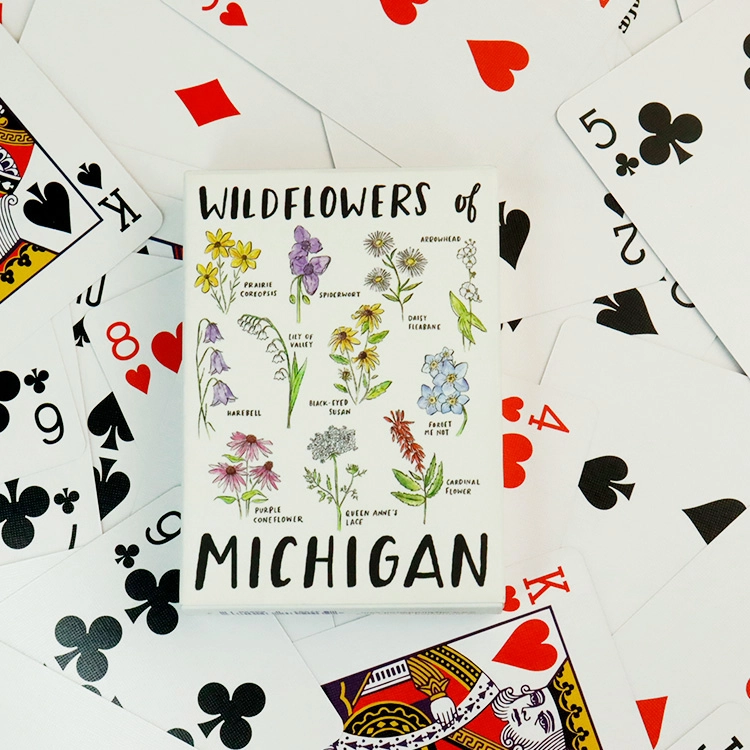
High Quality Eco-Friendly Durable Personalized Design Wildflowers Playing Cards with Custom Design Logo and Box
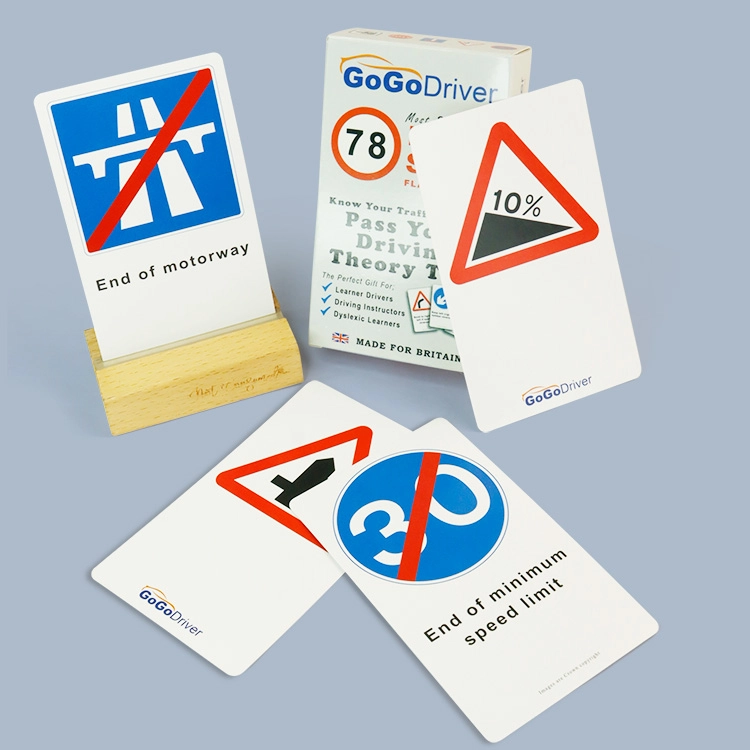
OEM Custom Driving Theory Cards | Personalized Traffic Rules & Test Prep Flashcards in Multiple Languages for Wholesale
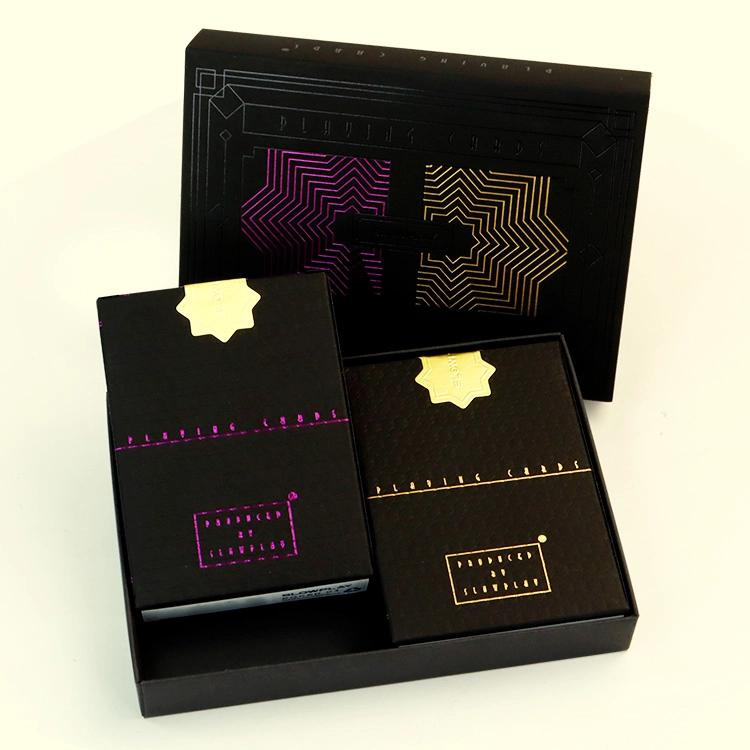
Custom Printing Luxury Two Sets Plastic Poker Playing Cards with Customized Packing