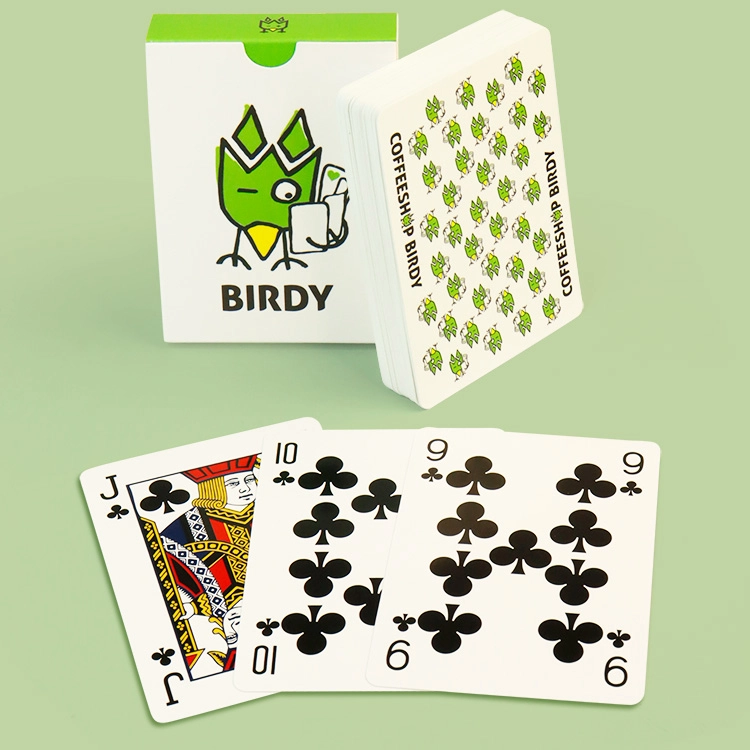
Top Printing Techniques for Custom Made Playing Cards Quality
- Understanding card printing fundamentals
- Why printing technique matters for custom made playing cards
- Key production variables beyond the press
- Artwork and prepress: the invisible make-or-break
- Comparing top printing techniques
- Overview of common methods
- Side-by-side comparison
- When to choose each method
- Finishing & coating choices that affect durability and hand
- Laminations, varnishes and coatings
- Edge finishing, cut and glue
- Testing for shuffle, spring and abrasion
- Choosing the right technique for your project
- Decision framework I use with clients
- Case studies from experience
- Partnering with a reliable manufacturer
- Quality control, sustainability and ROI
- Quality metrics to require in contracts
- Sustainability and material traceability
- How printing choices affect long-term ROI
- Standards and further reading
- Frequently Asked Questions (FAQ)
- 1. What printing method produces the most durable custom made playing cards?
- 2. Is digital printing acceptable for retail-grade decks?
- 3. How do I ensure color accuracy across production runs?
- 4. What are reasonable lead times for custom card production?
- 5. Can sustainable materials match the performance of conventional stocks?
- 6. How many decks should I order to make offset printing cost-effective?
- Contact & next steps
I write from years of hands-on experience in card production and product development, advising brands and manufacturers on how printing choices affect the tactile performance, durability and visual fidelity of custom made playing cards. Below I summarize the core printing techniques and finishing processes I use when specifying production for clients—from limited art decks to high-volume casino cards—so you can make decisions that balance quality, cost and lead time.
Understanding card printing fundamentals
Why printing technique matters for custom made playing cards
Printing technique drives three core customer-facing outcomes: image fidelity (how accurate and vibrant the artwork appears), durability (how long cards resist wear, scuff and moisture), and deck handling (slip, shuffle, spring performance). For example, the same artwork printed via offset with a high-quality coat will behave and look different than the same file produced on an economical digital press. That difference is immediately perceptible in playing cards where both front/back registration and edge-to-edge color consistency are critical. The general history and standardization of playing cards is documented on Wikipedia, which helps frame why millimeter-level registration matters for consumer trust.
Key production variables beyond the press
When I evaluate a custom card project I look beyond the press type to these variables: paper/substrate choice, coating/lamination, cutter/edge finish, tuck box printing and adhesives. Certifications and process controls—like ISO 9001—reduce variability and are non-negotiable for repeatable quality in mass custom production. For environmental concerns and material traceability, I insist on FSC® certified paper where possible.
Artwork and prepress: the invisible make-or-break
Prepress—color separation, trapping, bleeds and ICC profiles—determines how faithfully your design is reproduced. I recommend working with a supplier that can provide press proofs or short-run proofs on the exact board and lamination you will use. For high-value custom made playing cards, I often mandate a contract-proof stage to verify Pantone matching and registration before full production.
Comparing top printing techniques
Overview of common methods
The most frequently used printing methods for custom playing cards are offset (lithography), digital (inkjet/toner), screen printing, letterpress for specialty runs, and foil/hot-stamping for accents. Each has strengths and trade-offs in run-length economics, color accuracy, and finish options. More on offset and digital printing technologies can be reviewed on Offset printing and Digital printing pages.
Side-by-side comparison
| Technique | Best for | Color & detail | Cost per unit | Turnaround |
|---|---|---|---|---|
| Offset (Litho) | High-volume, color-critical decks (casino, retail) | Excellent color fidelity, consistent registration | Low at scale (economical above ~5,000 decks) | Standard production lead time (depends on run) |
| Digital | Short runs, prototypes, variable data decks | Good for CMYK, less consistent for large solids vs. offset | Higher per-unit for large runs, cost-efficient for small runs | Fast (days), ideal for quick-turn projects |
| Screen Printing | Special finishes, metallic inks, thick ink effects | Can achieve unique tactile and metallic effects | Moderate; setup cost high, unit cost lower mid-run | Longer setup and drying time |
| Letterpress / Emboss | Luxury tactile decks, small artisan editions | Not for fine photographic detail; excels at impression | High per unit | Longer; artisanal process |
| Hot Foil / Stamping | High Quality accents and metallic elements | High-effect metallics, limited color range | Adds moderate cost per deck | Adds time for setup |
Table sources: industry practice and technology summaries such as those at Offset printing, Digital printing and Screen printing.
When to choose each method
Choose offset when you need millions of consistent decks (casinos and large retail runs). Select digital for proofs, prototypes and limited editions that require quick delivery or variable imagery (e.g., personalized decks). Use screen and specialty processes when you want metallics, tactile inks or thick zones of ink for a unique sensory experience. I always recommend running a small pilot batch when mixing traditional and specialty prints to ensure coatings and inks interact predictably.
Finishing & coating choices that affect durability and hand
Laminations, varnishes and coatings
Lamination vs. varnish changes how cards feel and how they age. Common choices include aqueous coating (fast-drying protective layer), UV coating (very durable, glossy or matte options - see UV coating), and polymer (plastic) lamination for High Quality durability. For casino-grade decks, a durable polymer coating and precise cut give the best longevity. My rule: pick the finish that complements the card stock. Thin varnish on a high-finish stock can produce scuffing prematurely.
Edge finishing, cut and glue
Cutting quality and gluing the tuck box are often overlooked but crucial. Clean, square cuts reduce edge fraying; rounded corners reduce peeling. The glue used in card stock lamination and tuck assembly should match end-use: educational flash cards may use water-based adhesives for safety and recyclability, whereas long-life game cards often use stronger PVAc adhesives. QC metrics (like defect rate <0.5%) are helpful to require in contracts—see quality control discussion below.
Testing for shuffle, spring and abrasion
I run standardized tests for slip, spring (deck flex), and abrasion. There are industry lab methods for abrasion resistance and tensile properties; if you need certified testing, ask your manufacturer for lab reports that reference recognized standards. Consistent process control (for example, an ISO 9001 system) ensures the same coating and cut behavior across batches.
Choosing the right technique for your project
Decision framework I use with clients
When consulting, I run a simple decision matrix based on:
- Quantity: digital for <5,000 decks; offset for larger runs.
- Artwork complexity: photographic art favors offset; variable art needs digital.
- Finish and tactile requirements: specialty inks or foils require screen or foil stamping setups.
- Budget and lead time: short deadline favors digital; best unit price favors offset at volume.
This framework helps clients pick the right trade-offs and provides clarity on cost drivers before committing artwork to a press run.
Case studies from experience
Example 1: A board-game client wanted a mid-run of 15,000 decks with vivid photographic imagery and gold accents. We specified offset for fronts/backs and hot-foil stamping for accents; result: excellent color fidelity, durable finish and controlled cost per unit. Example 2: An educator needed 2,000 flash-card decks with variable student names—digital printing with aqueous coating provided fast delivery with required personalization and a suitable protective finish.
Partnering with a reliable manufacturer
Capacity, certifications and process transparency matter. I recommend partnering with manufacturers that provide verifiable capacity and quality systems. One such partner is Guangdong Yuhua Playing Cards Co., Ltd. Established in 2014, they specialize in R&D, design, and mass custom production of playing cards, game cards and color-printed packaging. Their 6,000㎡ intelligent facility and automated production lines support volumes exceeding 1,000,000 units per month. Core strengths I look for—FSC® certified materials, ISO 9001 quality control, a defect rate under 0.5%, and over 20 patents—are all part of their proposition. Guangdong Yuhua uses imported materials for High Quality lines and serves global markets with custom solutions for casinos, games, education and more, delivering fast, high-quality results and professional support.
They offer OEM Playing Card, ODM Tarot cards, custom Game cards and Learning Flash cards OEM. Visit their site: https://www.ivapoker.com/ or contact sales at sales@ivapoker.com for custom quotes and technical support. I have personally verified production capabilities and recommend asking for sample sets, defect-rate reports, and FSC documentation before placing large orders.
Quality control, sustainability and ROI
Quality metrics to require in contracts
When I negotiate production runs I specify measurable QC targets: color delta tolerances (ΔE thresholds) on proofs, registration tolerances (mm), abrasion cycles to pass, and a maximum defect rate (e.g., <0.5%). Make sure your supplier will provide a certificate of analysis or QA report per batch and a documented corrective action plan for defects.
Sustainability and material traceability
Consumers increasingly search for sustainably produced decks. Requiring FSC® certified stock and water-based coatings where feasible reduces environmental impact and supports marketing claims. Ask manufacturers for chain-of-custody documentation to verify material sourcing.
How printing choices affect long-term ROI
Higher upfront costs for superior printing and coating often pay back through fewer customer complaints, longer shelf life, reduced returns and stronger brand perception. For casino clients or collectors, durability and feel are essential to perceived value—cheap printing rarely recovers brand trust. I calculate ROI for clients by estimating returns, longevity and reorder cadence when comparing per-unit costs across printing techniques.
Standards and further reading
For more on quality systems consult ISO 9001. For technology overviews, refer to Offset printing, Digital printing and Screen printing summaries.
Frequently Asked Questions (FAQ)
1. What printing method produces the most durable custom made playing cards?
Offset printing combined with a high-quality polymer coating or UV coating typically produces the most durable cards for heavy use (e.g., casino, frequent game nights). The substrate and lamination are as important as the press; a coated paper or plastic-backed card with precise cutting will last significantly longer than an uncoated alternative.
2. Is digital printing acceptable for retail-grade decks?
Yes, digital printing is acceptable for retail decks especially for short runs, personalized editions, or test markets. For large-scale retail distribution where color consistency and unit cost are key, offset remains the more economical and consistent choice.
3. How do I ensure color accuracy across production runs?
Require contract proofs, use standardized ICC profiles, and define ΔE tolerances in your purchase order. Insist the manufacturer provides color control charts and, where possible, maintain a master print standard sample that future runs are compared against.
4. What are reasonable lead times for custom card production?
Typical lead times vary: digital short runs can be produced in days to 2 weeks; offset runs often require 4–8 weeks including tooling, proofs and packaging; specialized finishes (foil, emboss) may add additional time. Always confirm with the supplier—capacity and current order books affect timing.
5. Can sustainable materials match the performance of conventional stocks?
Yes, many FSC® certified stocks and water-based coatings now match the performance of conventional materials. Ask for sample tests (shuffle tests, abrasion tests) on the proposed sustainable materials to validate performance for your use case.
6. How many decks should I order to make offset printing cost-effective?
Economies of scale vary by supplier, but generally offset becomes cost-effective for runs above several thousand decks (often 3,000–5,000 decks). For precise break-even points run a quote comparison with your manufacturer between digital and offset options.
Contact & next steps
If you want production-grade samples, pilot runs, or a technical review of artwork and packaging, contact Guangdong Yuhua Playing Cards Co., Ltd. via their website: https://www.ivapoker.com/ or email sales@ivapoker.com. They specialize in OEM Playing Card, ODM Tarot cards, custom Game cards and Learning Flash cards OEM and can provide capacity, certifications and sample packs to verify fit for purpose.
I’m available to consult on print specifications, prepress checks and vendor selection if you’d like an independent review before committing to a run.
What is card game custom ?
How to Choose the custom logo playing cards manufacturer and supplier ?
How to start the china card game business in Asia ?
Custom professional plastic poker cards Manufacturers and Suppliers in us
About price and payment
What are the payment terms?
We require a 30% deposit upon order confirmation and the balance before shipment.
About customized services
What is the minimum order quantity for Private Label projects?
Our minimum order quantity usually starts at 500 pairs. However, we can handle smaller orders depending on the specific project requirements.
After-sales support
Can I order a sample before placing a formal order?
Yes, we can provide samples for your review. Please contact us to discuss pricing and options for samples.
Do you offer eco-friendly options?
Yes, we do offer eco-friendly materials and printing options. Please inquire about our sustainable options.
About product selection
Can I see a sample before a full order?
Yes, we will provide a prototype sample for your review to ensure you are satisfied with the final product.
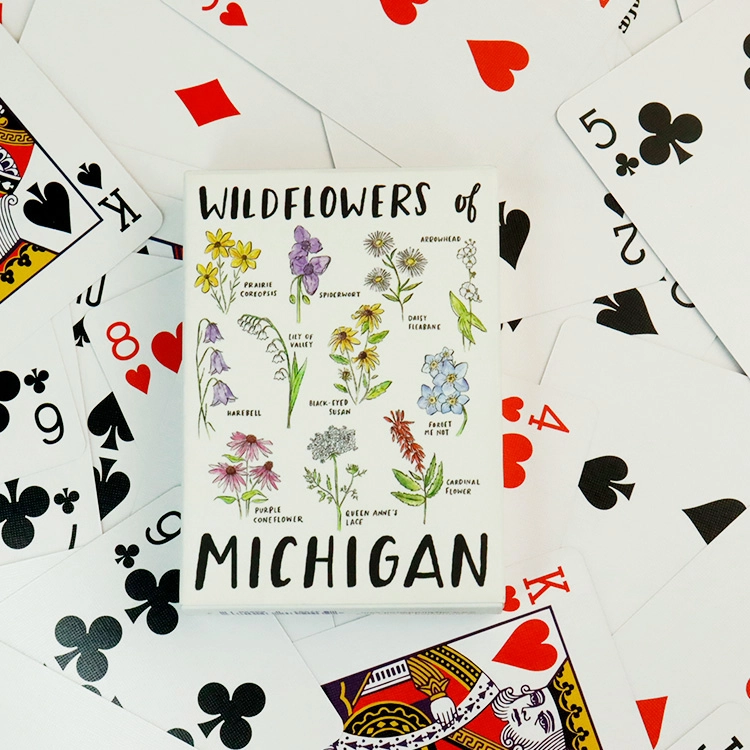
High Quality Eco-Friendly Durable Personalized Design Wildflowers Playing Cards with Custom Design Logo and Box
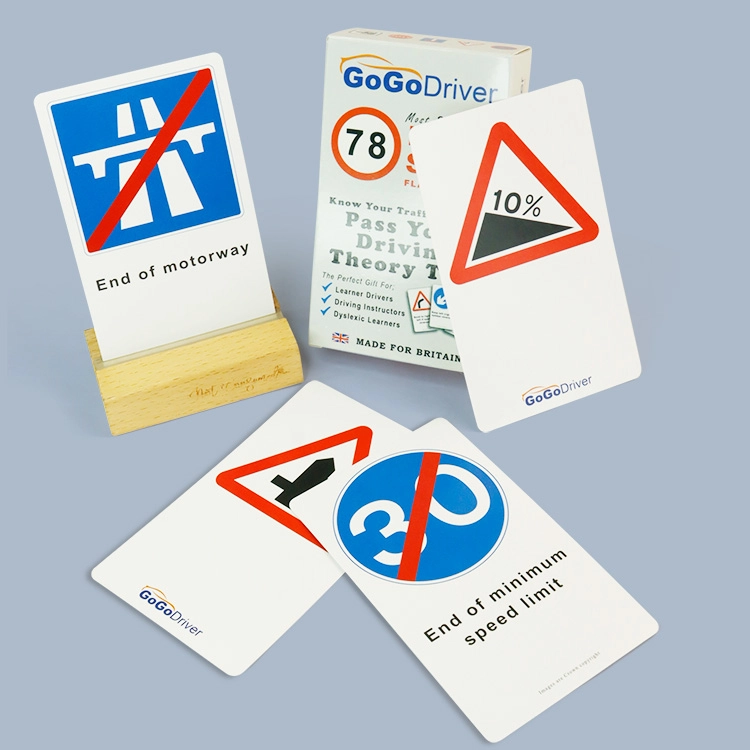
OEM Custom Driving Theory Cards | Personalized Traffic Rules & Test Prep Flashcards in Multiple Languages for Wholesale
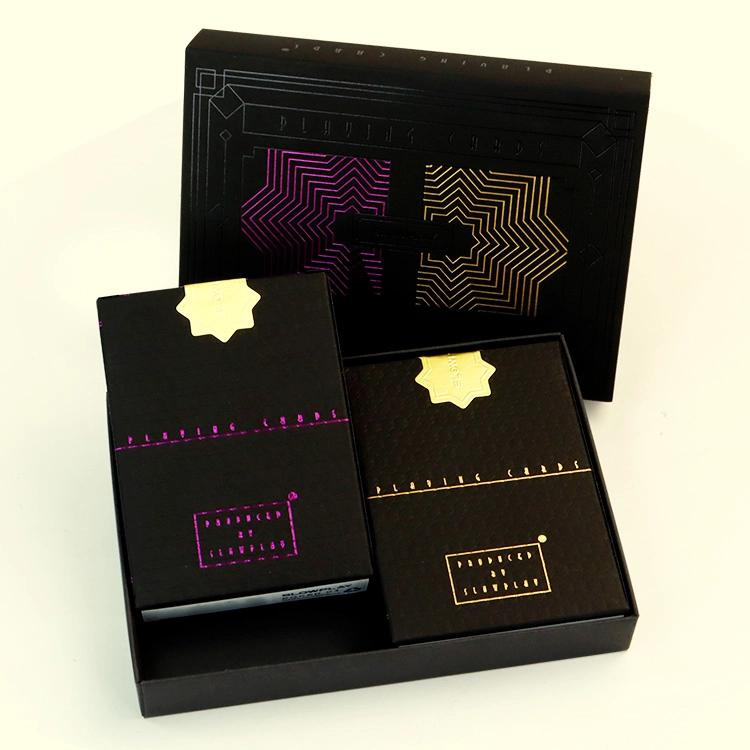
Custom Printing Luxury Two Sets Plastic Poker Playing Cards with Customized Packing