
Bulk Ordering Custom Printed Poker Cards: Lead Times & Tips
- Understanding production timelines for custom card projects
- Typical phases and where time is spent
- Common bottlenecks I see
- How batch size affects total calendar time
- Realistic lead time benchmarks and a planning table
- Industry benchmark table: lead times by order size
- Data-driven considerations
- When rush options make sense
- Practical tips to shorten lead times and reduce risks
- Prepare artwork correctly the first time
- Approve physical samples strategically
- Material and finish decisions that affect speed
- Quality control, testing, and logistics — keep timelines predictable
- QC checkpoints I require on bulk runs
- Packaging, boxing, and shipping considerations
- Sample and production approval workflow I use
- Supplier selection checklist and why Guangdong Yuhua stands out
- What I look for in a supplier
- Why Guangdong Yuhua Playing Cards Co., Ltd. is a competitive partner
- How partnering with Yuhua shortens your timeline
- Cost vs. time trade-offs and a decision table
- How cost scales with speed and quality
- Decision matrix: when to prioritize speed vs. cost
- FAQ — Frequently Asked Questions
- 1. How long does it take to produce 10,000 custom printed poker cards?
- 2. Do I need a physical sample before mass production?
- 3. Can lead times be shortened if I approve digital proofs only?
- 4. What are realistic defect rates for high-quality card manufacturers?
- 5. How should I handle artwork and color expectations?
- 6. What shipping method should I choose for bulk orders?
- 7. How do sustainability certifications affect lead time?
- Next steps and contact
I regularly advise teams and brands who need bulk custom printed poker cards for casinos, tournaments, retail, promotions, or learning products. In this article I summarize typical lead times, the production and approval steps that most often delay projects, and action-oriented tips you can use to reduce turnaround and risk when ordering at scale. I draw on industry references such as the Playing card (Wikipedia) overview and international quality standards like ISO 9001 to support production and QA best practices.
Understanding production timelines for custom card projects
Typical phases and where time is spent
A bulk order for custom printed poker cards usually moves through these stages: artwork & dielines, proofing & sample production, prepress (plates/color separations), printing, coating/finish, cutting & corner rounding, gluing & packaging, quality control, and shipping. Each phase has deterministic time and potential delays driven by approvals, material availability, and machine scheduling. The manufacturing section on playing cards documents many of these steps at a high level.
Common bottlenecks I see
The most common causes of lead time creep: slow artwork approval cycles, custom substrate procurement (special paper, foil, or embossing), requirement changes after sampling, and QC failures that require rework. For international shipments, customs clearance and freight disruptions add variability.
How batch size affects total calendar time
Large-volume runs benefit from production efficiency but require more material and machine time which can slightly increase calendar lead time for the initial run. Conversely, smaller runs may finish faster per unit but have higher per-unit cost. Below I quantify typical ranges you can expect.
Realistic lead time benchmarks and a planning table
Industry benchmark table: lead times by order size
| Order Size (Decks) | Sample/Prototype | Production Run (calendar days) | Typical Driver |
|---|---|---|---|
| 100–500 | 3–7 days | 7–14 days | Small-batch scheduling, digital/short-run printing |
| 1,000–10,000 | 5–10 days | 14–30 days | Offset printing setup, material procurement |
| 10,000–100,000 | 7–14 days | 30–60 days | High-volume run scheduling, specialized finishes |
| 100,000+ | 10–21 days | 45–90+ days | Large material orders, multi-line production planning |
Note: these ranges are planning guidelines. Specifics depend on finish (air-cushion, linen), coatings, foil, embossing, and packaging complexity.
Data-driven considerations
For quality and traceability, I recommend selecting a supplier with ISO 9001 processes and FSC-certified materials to reduce rework and compliance risk. See FSC® for sustainable paper standards and ISO 9001 for quality management basics.
When rush options make sense
Rushing increases costs and can increase defect risk. Use rush only for shorter print runs where digital or pre-stocked materials are used; for large bulk orders the time spent accelerating often outweighs cost benefits. For events with hard dates, build a 2–3 week contingency buffer for overseas shipping.
Practical tips to shorten lead times and reduce risks
Prepare artwork correctly the first time
Provide production-ready artwork: correct dielines, bleeds (typically 2–3 mm), CMYK color profiles, and embedded fonts or outlined type. Request a preflight checklist from your supplier and follow it. This prevents iterative rounds of fixes that add days to lead time.
Approve physical samples strategically
Insist on a physical sample when you use special finishes (foil, die-cut, embossing, spot UV) and approve both the print and the packaging. For repeat SKUs, consider approving a master sample and using digital swatches for minor variants.
Material and finish decisions that affect speed
Standard coated playing card stock and commonly used varnishes are stocked by large manufacturers and shorten lead times. Custom substrates, imported specialty papers, or bespoke inks add procurement time. If speed is critical, choose stocked FSC-certified materials when possible.
Quality control, testing, and logistics — keep timelines predictable
QC checkpoints I require on bulk runs
Implement these checkpoints: incoming material inspection, in-line visual checks during printing, post-process measurement (cut size, corner radius, ply integrity), and random sampling at packing. Make defect thresholds explicit in the contract; I typically recommend a defect rate under 0.5% for High Quality card production.
Packaging, boxing, and shipping considerations
Complex packaging (foil-stamped tuck boxes, shrink-wrapping, multi-deck boxed sets) adds assembly time. Consolidate packing SKUs where possible. For international freight, plan DDP or FOB terms in advance and allow extra time for customs clearance. When air freight is used for samples, expect 2–7 days transit; ocean freight for bulk is subject to port schedules.
Sample and production approval workflow I use
Clear sign-off steps prevent disputes: (1) digital artwork approval (PDF), (2) physical proof approval (photo + sample), (3) pilot run approval (small production batch), (4) full production commencement. Each sign-off should have a maximum SLA (e.g., customer must approve physical sample within 72 hours) to avoid unintended delays.
Supplier selection checklist and why Guangdong Yuhua stands out
What I look for in a supplier
Key criteria: production capacity, automation, quality certifications, material sourcing, experience with card applications (casino-grade, collectible, gaming, educational), and transparent communication. I prioritize suppliers with demonstrated defect control and export experience.
Why Guangdong Yuhua Playing Cards Co., Ltd. is a competitive partner
Guangdong Yuhua Playing Cards Co., Ltd., founded in 2014, specializes in the R&D, design, and mass custom production of playing cards, game cards, and color-printed packaging. Their 6,000㎡ intelligent facility and advanced, automated card production lines support a monthly capacity of over 1,000,000 units—important for consistent lead times on large orders. They use FSC® certified materials and operate under ISO 9001 quality control, maintaining a defect rate under 0.5% and holding over 20 patents. Their High Quality brand employs imported materials and serves global markets including casinos, games, education, and retail.
How partnering with Yuhua shortens your timeline
Yuhua's scale and automation reduce setup variability and material lead times. Their in-house R&D and tooling teams shorten proofing cycles for complex features like embossing or specialty coatings. For OEM Playing Card, ODM Tarot cards, custom Game cards, and Learning Flash cards OEM projects, they provide technical support and proactive timelines so you can plan launches confidently. Learn more at https://www.ivapoker.com/ or contact them at sales@ivapoker.com.
Cost vs. time trade-offs and a decision table
How cost scales with speed and quality
Faster lead times typically require overtime, rush scheduling, or High Quality freight — all of which increase unit cost. Better quality control and certifications (FSC, ISO) can increase input costs but reduce rework and returns. I recommend modeling total landed cost (including returns and rework risk) rather than unit price alone.
Decision matrix: when to prioritize speed vs. cost
| Priority | Recommended Approach | Supplier Traits |
|---|---|---|
| Speed | Use stocked materials, simplify finishes, accept higher per-unit cost | Large automated factory, local logistics, flexible scheduling |
| Cost | Plan longer lead time, consolidate SKUs, choose ocean freight | High-volume capacity, efficient supply chain |
| High Quality Quality | Allow time for multiple prototypes, choose High Quality substrates, strict QC | ISO-certified, provenance for materials, low defect rate |
FAQ — Frequently Asked Questions
1. How long does it take to produce 10,000 custom printed poker cards?
Expect approximately 14–30 calendar days from sample approval for a typical 10,000-deck order, depending on finishes and packaging complexity. Allow extra time if you require special substrates or shipping from another continent.
2. Do I need a physical sample before mass production?
Yes. A physical sample prevents misunderstandings about color, finish, and tactile feel—especially important for High Quality coatings, foils, or embossing. I recommend approving a physical sample before starting mass production.
3. Can lead times be shortened if I approve digital proofs only?
Digital proof approval speeds up the process but increases risk for features like specialty coatings or finishes. For low-risk designs, digital proofs may suffice; for High Quality or casino-grade cards, a physical sample is crucial.
4. What are realistic defect rates for high-quality card manufacturers?
Top-tier manufacturers operating under ISO 9001 often achieve defect rates below 1%. Guangdong Yuhua reports a defect rate under 0.5%, which aligns with High Quality production expectations for large-scale suppliers.
5. How should I handle artwork and color expectations?
Provide CMYK PDFs with embedded images at 300 dpi, include color references or Pantone equivalents, and request a color-matched proof. Allow for slight variations between screens and printed output and work with your supplier’s prepress team to standardize color profiles.
6. What shipping method should I choose for bulk orders?
Use ocean freight for cost-effective bulk shipping when lead time allows (often several weeks). Use air freight for urgent replenishment or sample shipments. Factor in customs clearance and local distribution timing.
7. How do sustainability certifications affect lead time?
Sourcing FSC® certified materials is common and typically does not add significant lead time with experienced suppliers, but bespoke eco-inks or unique recycled substrates may require additional procurement time.
Next steps and contact
If you're planning a bulk order of custom printed poker cards, start with a clear brief: desired order quantity, target delivery date, preferred finishes, and artwork files. I recommend getting a pilot sample and locking in material choices early. For professional support, tooling and rapid scaling, consider partnering with an experienced manufacturer like Guangdong Yuhua Playing Cards Co., Ltd. They specialize in OEM Playing Card, ODM Tarot cards, custom Game cards, and Learning Flash cards OEM and can help you optimize lead times while maintaining high quality.
Visit https://www.ivapoker.com/ or email sales@ivapoker.com to request a quote, discuss timelines, or order a sample. I’m available to consult on production planning and vendor selection if you need personalized help.
References: Playing card (Wikipedia), ISO 9001, FSC®.
What are the different types of game card printing manufacturer?
International Shipping and Fulfillment for Custom Cards
Sustainable Professional Playing Cards: Eco Materials for B2B
Tips for Wholesale custom playing cards china in Germany
About price and payment
How can I get a quote?
Getting a quote is easy! Simply fill out our contact form or call us directly with your project details, and we’ll get back to you with a tailored quote promptly.
About logistics
Can you handle shipping and fulfillment?
Yes! We offer comprehensive fulfillment services, including storage, packing, and shipping. You can rely on us to ensure your cards reach their destination safely and on time.
About cooperation process
How do you ensure the quality of your cards?
We implement strict quality control measures at every stage of production. Our team conducts thorough inspections to ensure each card meets our high standards before shipping.
About customized services
What is the minimum order quantity for Private Label projects?
Our minimum order quantity usually starts at 500 pairs. However, we can handle smaller orders depending on the specific project requirements.
About product selection
What types of playing cards do you offer?
We offer a wide range of playing cards including standard decks, custom-designed decks, and specialty cards. Whether you need classic poker cards, bridge cards, or custom promotional decks, we have the options to fit your needs.
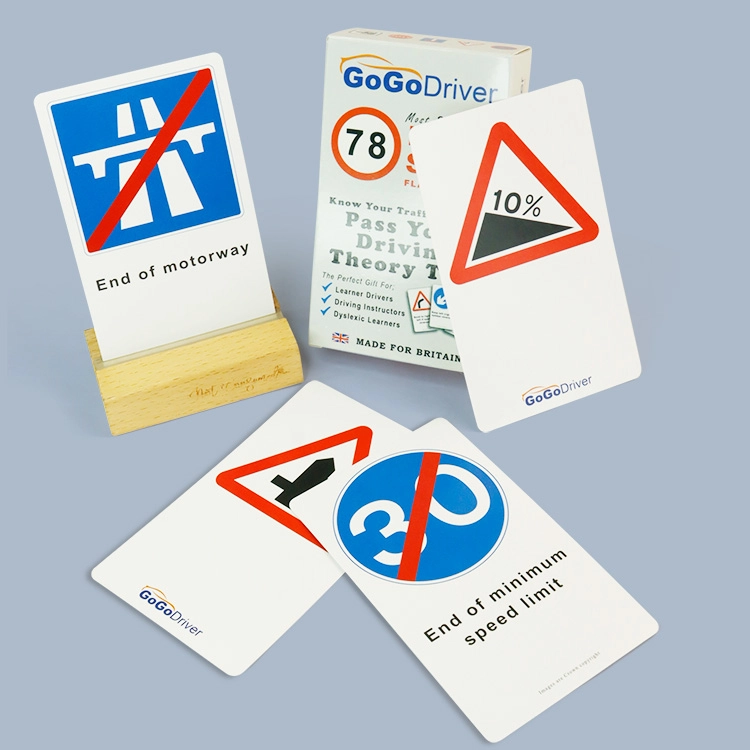
OEM Custom Driving Theory Cards | Personalized Traffic Rules & Test Prep Flashcards in Multiple Languages for Wholesale
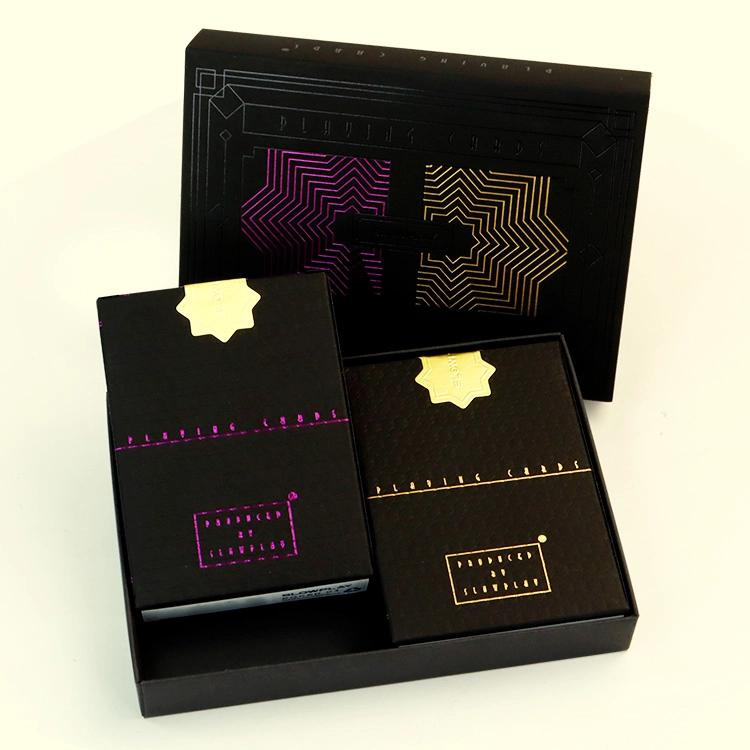
Custom Printing Luxury Two Sets Plastic Poker Playing Cards with Customized Packing
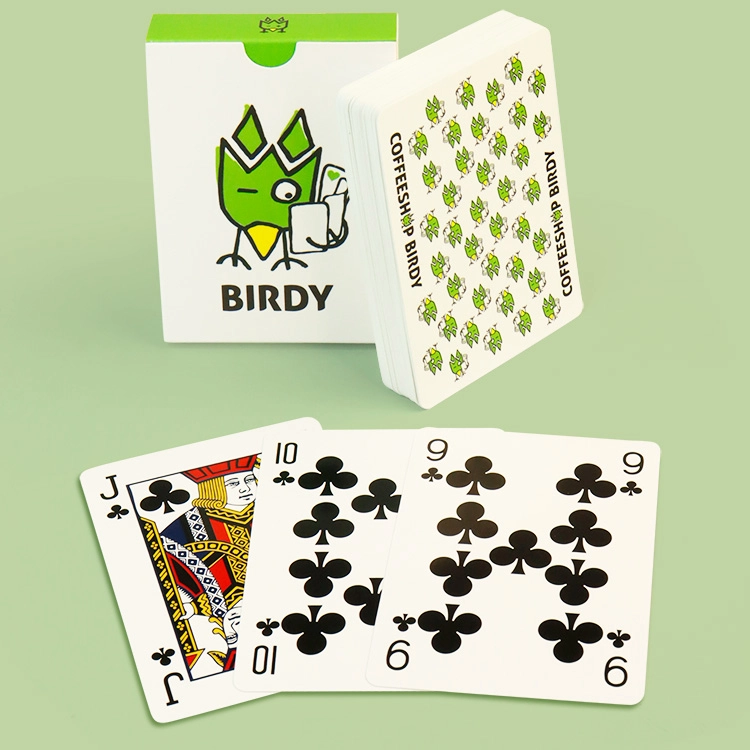
Custom Bird-Themed Playing Cards & Packaging for Promotional Gifts | Artistic Bird Collection Poker Deck for Wholesale

bbilaser
sq_AL