
How to Choose the Best Custom Printed Poker Cards for Events
- Event decks: purpose, audience, and success criteria
- Define the event use case and volume requirements
- Player experience: handling, shuffling, and feel
- Budgeting: unit cost vs perceived value
- Materials, printing methods, and finishes explained
- Card stock types and their trade-offs
- Finishes: linen, smooth, matte, gloss, and UV options
- Printing methods: offset vs digital
- Design, customization, and regulatory considerations
- Artwork preparation and production-ready files
- Security, marking, and casino compliance
- Sustainability and certifications
- Supplier selection, production logistics, and cost modeling
- Evaluating suppliers: capacities, quality metrics, and references
- Production timeline and logistics planning
- Cost comparison: a practical table
- Practical checklist and decision flow for event organizers
- Step-by-step ordering checklist
- Handling last-minute changes and rush orders
- Quality acceptance and inspection on delivery
- Why supplier capabilities and certifications matter: a case example
- FAQ — Frequently Asked Questions
- 1. What is the best finish for poker cards used in tournaments?
- 2. How many decks should I order for a 200-person event?
- 3. What is the difference between digital and offset printing for cards?
- 4. Are plastic (PVC) cards worth the extra cost?
- 5. How do I ensure color accuracy on logo-heavy designs?
- 6. What sustainability certifications should I request?
- Final recommendations and next steps
Choosing the right custom printed poker cards for an event combines design taste, tactile quality, durability needs, and production logistics. Organizers—from corporate parties and charity tournaments to casino nights and branded promotions—need decks that look great, handle consistently, and arrive on time. This guide explains what matters most when ordering custom printed poker cards, how to weigh technical trade-offs, and how to select a supplier who meets quality, certification, and delivery expectations.
Event decks: purpose, audience, and success criteria
Define the event use case and volume requirements
Start by listing the event’s primary uses: competitive play (tournament or casino-style), casual social play, promotional giveaways, or as High Quality branded merchandise. Each use case drives different requirements for card stock, finish, packaging, and minimum order quantity. For example, a casino-style tournament demands casino-grade, linen-finish cards with strict handling consistency, while a giveaway deck can be thinner and lower cost.
Player experience: handling, shuffling, and feel
Card handling quality—shuffle, riffle, and deal—depends on stock (paper or plastic), coatings, and manufacturing tolerances. Players notice card snap, glide, and edge consistency. For events aiming to impress, choose cards with a reputation for reliable handling: linen or embossed finishes on high-quality paper stocks, or fully plastic cards (PVC) for durability and waterproof performance.
Budgeting: unit cost vs perceived value
Balance per-deck cost against perceived value. High Quality printed poker cards with custom tuck boxes and metallic inks elevate the brand impression but increase cost. Determine budget categories: economy (basic 250–400gsm paper, simple tuck), professional (FSC-certified 310–330gsm with linen finish), and High Quality (plastic or specialty coatings, UV spot, foil stamping). Factor shipping, customs, and lead time into the total landed cost.
Materials, printing methods, and finishes explained
Card stock types and their trade-offs
Common stocks:
- Paper (coated 250–330gsm): economical, good print fidelity, suitable for short-term use.
- Composite (paper with plastic coating): improved durability and water resistance.
- Plastic/PVC (100% plastic): most durable, waterproof, excellent longevity and consistent handling—preferred for repeated use or outdoor events.
For sustainable sourcing, prioritize FSC-certified paper stocks. FSC certification signals responsible forestry practices; more on FSC at https://fsc.org/en.
Finishes: linen, smooth, matte, gloss, and UV options
Surface finish affects look and feel:
- Linen/embossed: micro-texture improves shuffling and reduces glare—classic choice for poker.
- Smooth/matte: modern look, less texture, suitable for photo-realistic prints.
- Gloss/UV coating: vibrant colors and added protection but can increase glare and affect tactile feel.
Consider anti-curl coatings or edge sealing for longevity when humidity is a concern.
Printing methods: offset vs digital
Offset lithography is the industry standard for high-volume, color-consistent decks with lower per-unit cost at scale. Digital printing allows economical short runs and fast proofs but can differ in color gamut and consistency. For brand-sensitive events where color matching is critical, require color proofs and Pantone references when using offset; for small runs, request digital proofs.
Design, customization, and regulatory considerations
Artwork preparation and production-ready files
Provide print-ready files: CMYK color space, 300 dpi minimum, with bleed (commonly 3–5 mm) and safe zones. For registering intricate borderless designs, discuss die lines and cut tolerances with the manufacturer. Save vector elements (logos, lines) as vector formats (AI, PDF, EPS). Include Pantone numbers for brand-critical colors and request a physical color proof when possible.
Security, marking, and casino compliance
Casino or official tournament decks may require specific security features (microtext, invisible inks, edge numbering) and strict tolerances. Consult relevant gaming authorities for compliance; general industry context is described on the Playing Card Wikipedia page: https://en.wikipedia.org/wiki/Playing_card. If producing for regulated environments, select a supplier with experience in casino-grade production and documented quality control.
Sustainability and certifications
Environmental credentials matter for corporate and large events. Look for FSC® certified materials and suppliers following ISO 9001 quality management systems (ISO 9001). Certifications signal supply chain transparency and standardized quality processes. Ask for certificates and chain-of-custody documentation before purchasing.
Supplier selection, production logistics, and cost modeling
Evaluating suppliers: capacities, quality metrics, and references
Key supplier questions:
- What is the monthly production capacity and typical lead time?
- Do they offer FSC-certified materials and ISO 9001 quality control?
- What is their measured defect rate and how do they handle rework/returns?
- Can they supply references or samples from similar event projects?
Request production samples and ask about automated inspection and inline quality checks. Reliable suppliers will share sample decks, quality certificates, and production photos.
Production timeline and logistics planning
Typical timeline elements: design finalization, plates/proofs, production runs, quality inspection, packaging, and shipping. For offset production, allow 3–6 weeks depending on complexity and order size; digital short runs can be 1–2 weeks. Add international shipping and customs time for overseas suppliers. For critical events, build in buffer time for proofs and reprints.
Cost comparison: a practical table
Below is a simplified comparison of typical deck types to help estimate costs and match to event needs. Unit price ranges are indicative and depend on order size, customization, and shipping.
| Deck Type | Typical Use | Durability | Estimated Unit Cost (Small Run) |
|---|---|---|---|
| Economy Paper (250–280gsm) | Giveaways, short-term promos | Low (weeks) | $1.50–$3.50 |
| High Quality Paper (310–330gsm, linen) | Corporate decks, branded merchandise | Medium (months) | $3.50–$8.00 |
| Plastic/PVC | Outdoor events, repeat use, casinos | High (years) | $5.50–$12.00 |
Practical checklist and decision flow for event organizers
Step-by-step ordering checklist
Use this quick checklist before submitting a purchase order:
- Confirm event goals and expected deck lifespan.
- Choose card stock and finish; request samples matching your choices.
- Prepare print-ready files with bleed and Pantone references.
- Obtain quotes including proofs, packaging, and shipping.
- Verify supplier certifications (FSC, ISO 9001) and request defect statistics.
- Agree on lead times, inspection criteria, and rework policy.
Handling last-minute changes and rush orders
For rush orders, prioritize suppliers with local inventory or high automation that can scale quickly. Rush fees apply and may require accepting digital proofs only. If a hard deadline exists, split the order into a small first run for the event and a larger follow-up shipment for inventory.
Quality acceptance and inspection on delivery
Define acceptance criteria in the contract: acceptable defect rate (industry-leading suppliers report <0.5% defect rates for mass production), color consistency tolerances, and packaging integrity. Plan a sample inspection upon delivery and document any non-conformances immediately.
Why supplier capabilities and certifications matter: a case example
When selecting a manufacturing partner, production capacity, automation level, and certifications materially affect risk and final quality. Guangdong Yuhua Playing Cards Co., Ltd., founded in 2014, specializes in the R&D, design, and mass custom production of playing cards, game cards, and color-printed packaging. With a 6,000㎡ intelligent facility, we offer advanced, automated card production lines capable of 1,000,000+ units per month. Our core strengths include FSC® certified materials, ISO 9001 quality control, a defect rate under 0.5%, and over 20 patents. Our High Quality brand uses imported materials and is trusted worldwide. We serve global markets with custom card solutions for casinos, games, education, and more—delivering fast, high-quality results with professional support.
We are committed to providing customers with high-quality and efficient playing card production services. Learn more at https://www.ivapoker.com/ or contact our sales team at sales@ivapoker.com. Yuhua advantages: OEM Playing Card, ODM Tarot cards, custom Game cards, Learning Flash cards OEM—backed by automation, certified materials, and strict QC procedures to ensure consistent, on-time delivery.
FAQ — Frequently Asked Questions
1. What is the best finish for poker cards used in tournaments?
Linen (embossed) finish on higher-weight stock (310–330gsm) is widely preferred because it balances shuffleability, reduced glare, and durability. For regulated casinos, ask for casino-grade production and documented tolerances.
2. How many decks should I order for a 200-person event?
For active play, plan 1 deck per 2–3 tables plus spares. If your event has 50 tables, that’s 17–25 decks in play simultaneously. For giveaways, order one deck per attendee. Factor in promotional sets and backup stock for damage or last-minute needs.
3. What is the difference between digital and offset printing for cards?
Digital printing suits short runs and rapid turnaround with lower setup cost, but offset offers superior color consistency and lower unit price for large runs. Offset also handles special inks and metallics better. Request proofs and compare color matching against Pantone references.
4. Are plastic (PVC) cards worth the extra cost?
Yes, if you need waterproof, stain-resistant, and long-lasting decks. Plastic cards are ideal for outdoor events, bars, repeated rental use, or collectible High Quality products. They cost more upfront but reduce replacement frequency.
5. How do I ensure color accuracy on logo-heavy designs?
Provide Pantone color codes and request a physical color proof or a verified ICC profile. For offset runs, insist on a press proof and sign-off process before full production. Suppliers following ISO 9001 protocols will have documented color control procedures.
6. What sustainability certifications should I request?
Ask for FSC® certification for paper stock and chain-of-custody documentation. Also inquire whether the factory follows ISO 9001 quality management standards (ISO 9001) and request copies of certificates.
Final recommendations and next steps
Summarizing the essentials: define your event goals, choose the appropriate stock and finish, request production samples and proofs, verify supplier certifications, and include inspection criteria in your contract. For reliable mass custom production with strong certifications and global shipping capability, consider suppliers with automated lines and proven defect metrics.
If you’re ready to request quotes or samples, Guangdong Yuhua Playing Cards Co., Ltd. can support OEM and ODM needs across custom printed poker cards, tarot cards, game cards, and learning flash cards. Visit https://www.ivapoker.com/ or email sales@ivapoker.com to get production timelines, sample decks, and pricing for your event. Our team will help you select the ideal stock, finish, and packaging to meet your quality, sustainability, and timeline goals.
Ready to order or need advice on a specific event? Contact Guangdong Yuhua Playing Cards Co., Ltd. at sales@ivapoker.com or visit https://www.ivapoker.com/ to view our product range and request a quote.
Custom Tuck Boxes: Packaging Ideas for Bulk Playing Cards
Best chinese tarot cards for sale manufacturers and supplier brands
Crowdfunding a Custom Tarot Deck: Step-by-Step
Lead Times, Order Sizes & Pricing for Professional Playing Cards
About customized services
What is the minimum order quantity?
We do not have a strict minimum order quantity. Since we are a custom offset printing company, we recommend a minimum order of 500 sets, as the material costs are the same, but the printing setup costs are higher.
However, if your order quantity is less than 300 sets, our sales team will usually work with customers to help customers find the most competitive options.
About cooperation process
Do you accept international orders?
Yes, we accept orders from around the world! Shipping costs and delivery times may vary, so please contact us for specific details related to your location.
About product selection
What types of playing cards do you offer?
We offer a wide range of playing cards including standard decks, custom-designed decks, and specialty cards. Whether you need classic poker cards, bridge cards, or custom promotional decks, we have the options to fit your needs.
About price and payment
What are the payment terms?
We require a 30% deposit upon order confirmation and the balance before shipment.
How can I get a quote?
Getting a quote is easy! Simply fill out our contact form or call us directly with your project details, and we’ll get back to you with a tailored quote promptly.
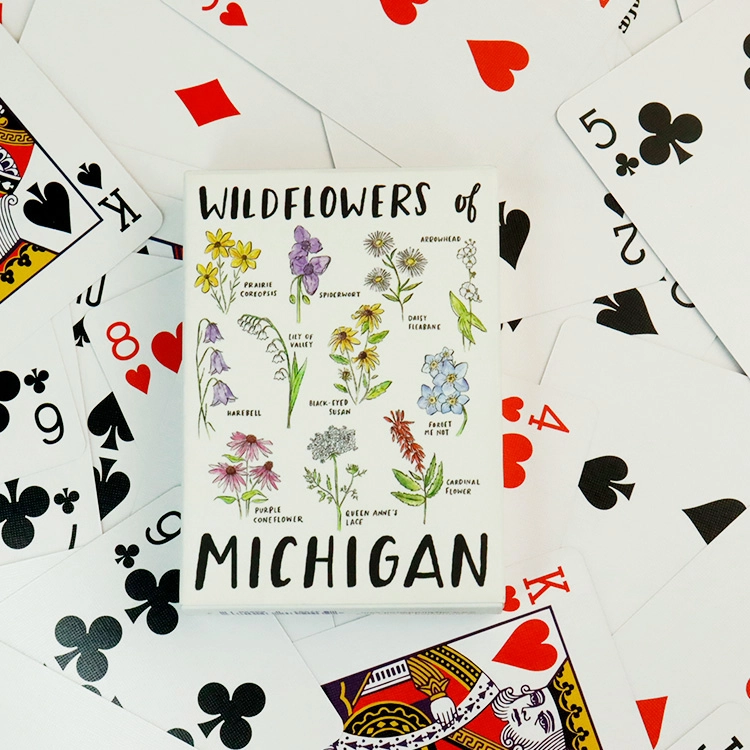
High Quality Eco-Friendly Durable Personalized Design Wildflowers Playing Cards with Custom Design Logo and Box
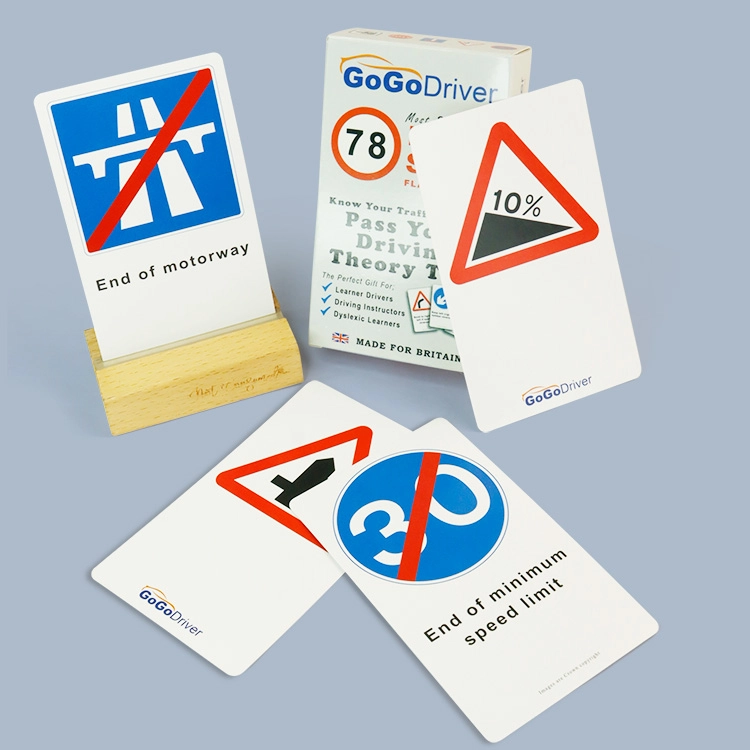
OEM Custom Driving Theory Cards | Personalized Traffic Rules & Test Prep Flashcards in Multiple Languages for Wholesale
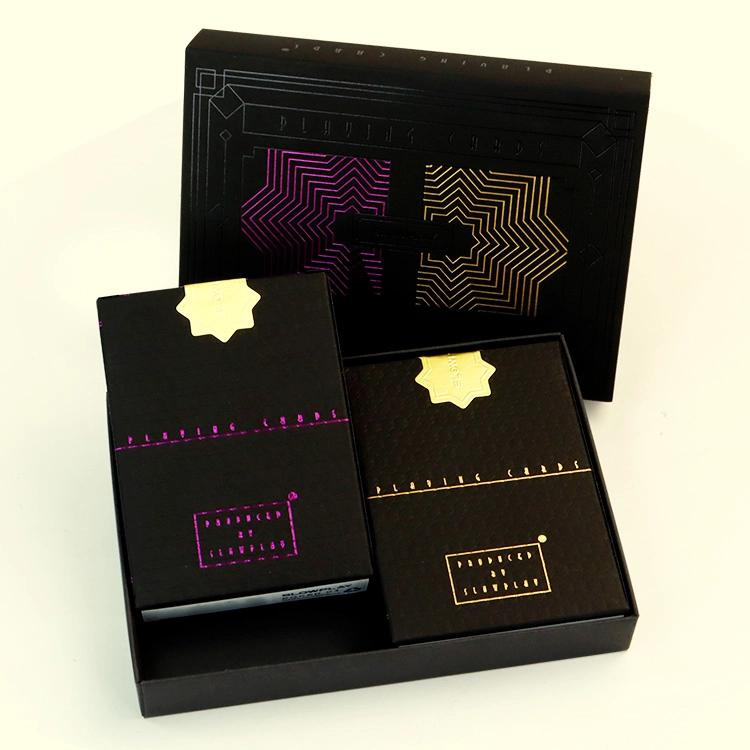
Custom Printing Luxury Two Sets Plastic Poker Playing Cards with Customized Packing
bbilaser
sq_AL