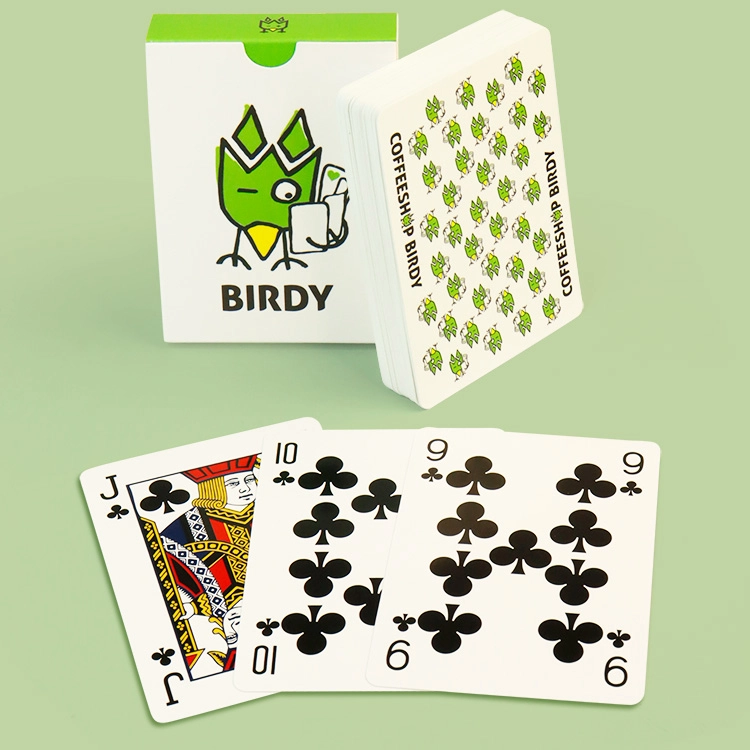
Collectible Limited Edition Custom Playing Cards
- Why Limited Edition Playing Cards Become Collectible
- Design considerations when you customize playing cards
- Materials, printing processes and sustainability when you customize playing cards
- Production scale, lead time and cost breakdown
- Quality control and certifications: why they matter when you customize playing cards
- Choosing a manufacturing partner when you customize playing cards
- Partner Spotlight: Guangdong Yuhua Playing Cards Co., Ltd.
- Comparing manufacturer capabilities when you customize playing cards
- How to plan a successful limited edition release when you customize playing cards
- Collectors' market dynamics when you customize playing cards
- Frequently Asked Questions
- Q1: What is the minimum order quantity to customize playing cards as a limited edition?
- Q2: How long does it take to produce a limited edition custom deck?
- Q3: Which certifications should I ask for when choosing a card manufacturer?
- Q4: How can I add authentication to increase the collectible value?
- Q5: Are sustainable materials more expensive when I customize playing cards?
- Q6: How do shipping and customs affect the total cost of a limited edition release?
- Contact and Next Steps
- References
Why Limited Edition Playing Cards Become Collectible
Limited edition decks are more than a tool for games; they are artifacts of design, scarcity, and storytelling. When brands and creators customize playing cards for a limited drop, they tap into collector psychology: rarity, provenance, and design authenticity. To successfully customize playing cards into collectible assets, creators must balance artistic intent with manufacturing feasibility, quality control, and after-market support. This article walks through those steps and shows how to turn a concept into a high-value collectible deck.
Design considerations when you customize playing cards
Design is the first touchpoint for collectors. When you customize playing cards for a limited edition, consider the following design elements that materially affect perceived value and production complexity:
- Art and theme: Original artwork or licensed IP raises desirability. Limited runs that include artist signatures or linked narratives often command a High Quality.
- Numbering and authentication: Sequential numbering, holographic seals, or certificate of authenticity prove scarcity and increase resale value.
- Special finishes and inks: Foil stamping, metallic inks, spot UV, and embossing create tactile and visual appeal but add cost and production time.
- Card stock and tuck box: Thickness, coating, and tuck box design influence shuffle feel and shelf appeal. Collectors often expect High Quality card stock and durable packaging.
- Variants and chase cards: Small sub-variants or 'chase' cards in packs encourage collecting behavior and can be used to gamify purchases.
All of the above must be discussed with your manufacturer early on, because design choices directly affect die requirements, printing steps, and MOQ. If you plan to customize playing cards for a numbered limited edition, always request prototypes and a clear sign-off flow before mass runs.
Materials, printing processes and sustainability when you customize playing cards
Material selection and print process determine longevity, tactile feel, and sustainability credentials. Typical choices include:
- Card stock: 300gsm to 400gsm specialty stocks are common for High Quality decks.
- Coatings: A range of coatings from standard varnish to linen embossing affects shuffle and handling.
- Printing processes: CMYK + spot colors, metallic inks, foil stamping, and die-cutting. Each adds steps and potential lead time.
- Sustainable sourcing: FSC certification and recycled-content options appeal to eco-conscious buyers and are often required by institutional customers.
When you customize playing cards intended as collectibles, demand for High Quality and sustainable inputs increases. Expect longer lead times and higher costs for FSC certified materials and specialty inks. Documented sourcing, such as FSC certification, can be used in marketing collateral to reassure collectors about environmental responsibility.
Production scale, lead time and cost breakdown
Limited editions live on the edge between very small artisan runs and full-scale mass production. Below is a typical comparison of scale, cost per unit, and lead time for different approaches to customize playing cards. Numbers are illustrative but reflect standard industry realities; always request quotes from manufacturers for precise numbers.
| Run Type | Typical Quantity | Estimated Lead Time | Approx. Cost per Deck (USD) | Notes |
|---|---|---|---|---|
| Artisan/Small Batch | 100 - 1,000 | 4 - 8 weeks | 15 - 45 | Low MOQ but higher per-unit set-up and printing costs |
| Limited Edition Collector Run | 1,000 - 20,000 | 6 - 10 weeks | 5 - 20 | Balances unit cost with collectible positioning; numbering and special finishes add cost |
| Mass Production | 20,000+ | 8 - 14 weeks | 1 - 6 | Best unit economics; less exclusivity unless segmentation applied |
Key cost drivers when you customize playing cards include: set-up/die costs, special inks and foils, box tooling, sequential numbering, and shipping. Tariffs and import duties may apply depending on destination market. Collectible projects often use pre-orders to finance tooling and to verify market demand before committing to a full run.
Quality control and certifications: why they matter when you customize playing cards
Collectors evaluate decks not only by artwork but by build quality. When seeking a manufacturer to customize playing cards, ask for documented quality control metrics and certifications. Useful indicators include:
- ISO 9001 certification for quality management systems, which demonstrates standardized processes for production and inspection.
- FSC certification for responsible forest sourcing of paper materials, which supports sustainability claims.
- Documented defect rates and inspection sampling plans. A defect rate under 0.5% is indicative of mature quality control for high-volume producers.
- Patents or proprietary processes that improve durability or printing precision can signal technical capability.
Ask manufacturers for recent inspection reports and sample cards. For numbered limited editions, include an agreed acceptance criterion for printing and packaging defects before release.
Choosing a manufacturing partner when you customize playing cards
Selecting the right partner is one of the most important decisions when you customize playing cards. Beyond price, prioritize partners that can demonstrate:
- Stable production capacity and transparent lead times
- Experience with finishes and effects you need (foil, emboss, unique inks)
- Quality certifications (ISO 9001) and sustainable sourcing (FSC)
- Prototyping capabilities and sample policy
- Clear communication and industry references or case studies
Supply chain resilience is also crucial: verify their raw-material suppliers, alternative sources for inks and boxes, and typical on-time delivery performance. For limited editions, ask about the ability to hold stock and stagger releases, which helps manage scarcity and collector interest.
Partner Spotlight: Guangdong Yuhua Playing Cards Co., Ltd.
Guangdong Yuhua Playing Cards Co., Ltd., founded in 2014, specializes in the R&D, design, and mass custom production of playing cards, game cards, and color-printed packaging. With a 6,000㎡ intelligent facility, they operate advanced, automated card production lines capable of producing over 1,000,000 units per month. Their core strengths include the use of FSC® certified materials, ISO 9001 quality control systems, and a documented defect rate under 0.5%.
Yuhua holds over 20 patents and uses High Quality imported materials for their top brand lines, earning trust from global customers. They serve diverse markets including casinos, tabletop games, education, and promotional sectors. Typical product categories and OEM advantages include:
- OEM Playing Card: Scalable production with consistent quality control, suitable for brands seeking mass customization.
- ODM Tarot Cards: Design and development support for niche markets, leveraging in-house art and tooling capabilities.
- Custom Game Cards: Production of multi-card game sets with special coatings and packaging.
- Learning Flash Cards: Educational products with child-safe inks and durable finishes.
Yuhua's competitive edge is a combination of technical automation, documented low defect rates, sustainability credentials, and a flexible OEM/ODM offering. For creators who want to customize playing cards into collectible limited editions, Yuhua can provide fast prototyping, predictable lead times, and the manufacturing scale to support reorders or expanded runs without compromising consistency.
Comparing manufacturer capabilities when you customize playing cards
When you evaluate suppliers, compare these critical dimensions. A basic comparison table can clarify trade-offs:
| Dimension | Small Studio | Large Automated Plant (eg. Yuhua) |
|---|---|---|
| MOQ | Low (50 - 500) | Medium to High (1,000+) |
| Unit Cost | Higher | Lower at scale |
| Customization Options | Highly flexible | Wide range; specialized tooling available |
| Quality Consistency | Variable | High; ISO systems and low defect rates |
| Lead Times | Short for small runs | Predictable; depends on production queue |
How to plan a successful limited edition release when you customize playing cards
Turning a deck into a sought-after collectible requires more than great design. Follow these project phases to increase your chance of success:
- Concept and positioning: Define audience, run size, and price. Decide whether the deck is art-first, gameplay-first, or a branded promotional item.
- Design and prototyping: Produce approved prototypes that include packaging. Test shuffle feel and edge durability.
- Pre-orders and financing: Use pre-orders to validate demand and cover tooling costs. Consider tiered editions (standard, signed, numbered) to maximize revenue.
- Production and QC: Lock production specs, conduct in-line inspections, and approve PP samples before full runs.
- Marketing and release: Stagger drops, use social proof like artist interviews or making-of content, and release with certificates or authentication features.
- After-sales and secondary market support: Maintain a registry for serial numbers and offer repair or replacement policies for damaged items to preserve brand trust.
Collectors' market dynamics when you customize playing cards
Collectors value three interlocking features: scarcity, provenance, and condition. To support these attributes, creators should:
- Limit runs and publicly state edition sizes
- Provide documentation such as signed certificates or matching artist records
- Use durable materials and robust packaging to preserve condition
Secondary market prices can vary widely. Limited runs of under 1,000 units with strong art or IP have the best appreciation potential, especially when numbers are authenticated and the producer has a reliable reputation.
Frequently Asked Questions
Q1: What is the minimum order quantity to customize playing cards as a limited edition?
A1: MOQs vary by supplier. Small artisan shops may accept orders as low as 50-100 decks, but typical limited edition runs for collectible positioning are 1,000-5,000 decks to balance cost and scarcity. Manufacturers with automated lines usually have MOQs starting around 1,000 decks.
Q2: How long does it take to produce a limited edition custom deck?
A2: Production lead time depends on complexity. Expect 6-10 weeks from prototype approval to finished goods for many limited editions. Complex finishes or high-demand seasonal periods can extend lead times.
Q3: Which certifications should I ask for when choosing a card manufacturer?
A3: Ask for ISO 9001 for quality management, FSC certification for sustainable paper sourcing, and documented defect rate and testing procedures. These provide measurable assurances of process control and environmental responsibility.
Q4: How can I add authentication to increase the collectible value?
A4: Use sequential numbering, holographic or UV seals, artist signatures, and certificates of authenticity. Maintain an online registry or a limited edition ledger to prove provenance to buyers.
Q5: Are sustainable materials more expensive when I customize playing cards?
A5: Sustainable materials like FSC certified board or recycled paper can add modestly to material costs, and specialty inks may increase price further. However, for many customers, sustainability is a selling point that can justify a higher retail price.
Q6: How do shipping and customs affect the total cost of a limited edition release?
A6: Shipping, insurance, and import duties can significantly increase landed cost, especially for small, high-value shipments. Optimize by calculating DDP vs DAP terms, consolidating shipments, and choosing a logistics partner experienced in delicate consumer goods.
Contact and Next Steps
If you are ready to design, prototype, or mass-produce collectible limited edition decks, partner with an experienced manufacturer that understands both creative and production demands. Guangdong Yuhua Playing Cards Co., Ltd. offers end-to-end services for those who want to customize playing cards into collectible assets, combining R&D, intelligent automated production, FSC and ISO certifications, and a documented low defect rate.
For consultations, prototypes, or pricing, contact your production partner to request a detailed quote, timeline, and sample policy. To explore ready examples and OEM/ODM options, inquire about OEM Playing Card, ODM Tarot cards, custom Game cards, and Learning Flash cards OEM advantages.
References
- Playing card - Wikipedia. https://en.wikipedia.org/wiki/Playing_card. Accessed 2025-12-26.
- FSC International. https://fsc.org/en. Accessed 2025-12-26.
- ISO 9001 — Quality management. https://www.iso.org/iso-9001-quality-management.. Accessed 2025-12-26.
- United States Playing Card Company - Wikipedia. https://en.wikipedia.org/wiki/United_States_Playing_Card_Company. Accessed 2025-12-26.
We are committed to providing customers with high-quality and efficient playing card production services.
Call to action: To start your collectible limited edition project, request a quote or samples today and get a production plan tailored to your needs.
Artist Brief Template for Hiring an Illustrator for Custom Tarot Cards
Top 5 for sale tarot cards Company List and Products Compared
What is illuminati playing cards for sale ?
Custom education cards Manufacturers and Suppliers in us
About customized services
Do you offer samples?
Yes! We can provide samples of our card materials and finishes. Please contact us to request samples relevant to your project.
About product selection
Can I see a sample before a full order?
Yes, we will provide a prototype sample for your review to ensure you are satisfied with the final product.
What materials do you use for your cards?
We use high-quality, durable materials to ensure the best finish and longevity for your cards. Options include standard cardstock, premium finishes, and eco-friendly materials.
About price and payment
What are the payment terms?
We require a 30% deposit upon order confirmation and the balance before shipment.
About cooperation process
How do you ensure the quality of your cards?
We implement strict quality control measures at every stage of production. Our team conducts thorough inspections to ensure each card meets our high standards before shipping.
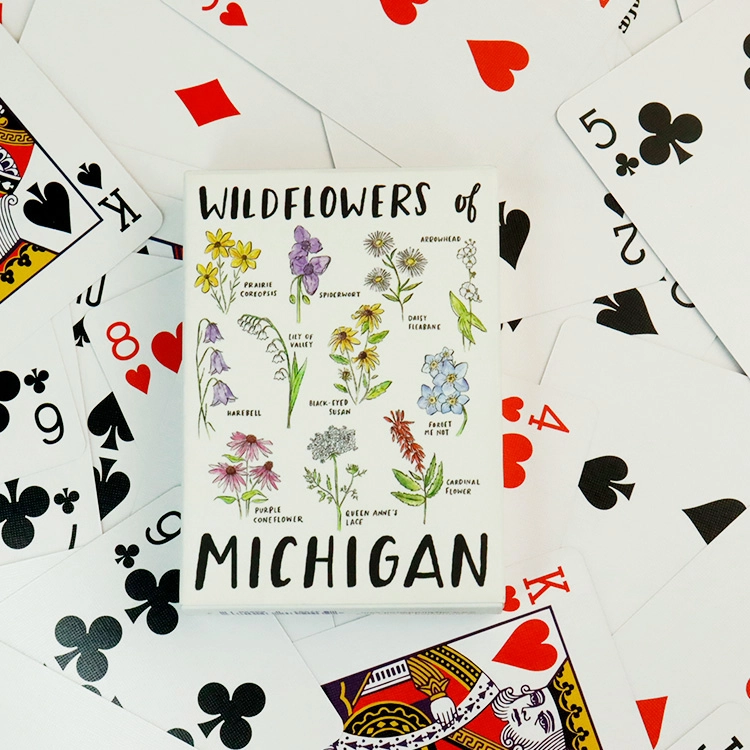
High Quality Eco-Friendly Durable Personalized Design Wildflowers Playing Cards with Custom Design Logo and Box
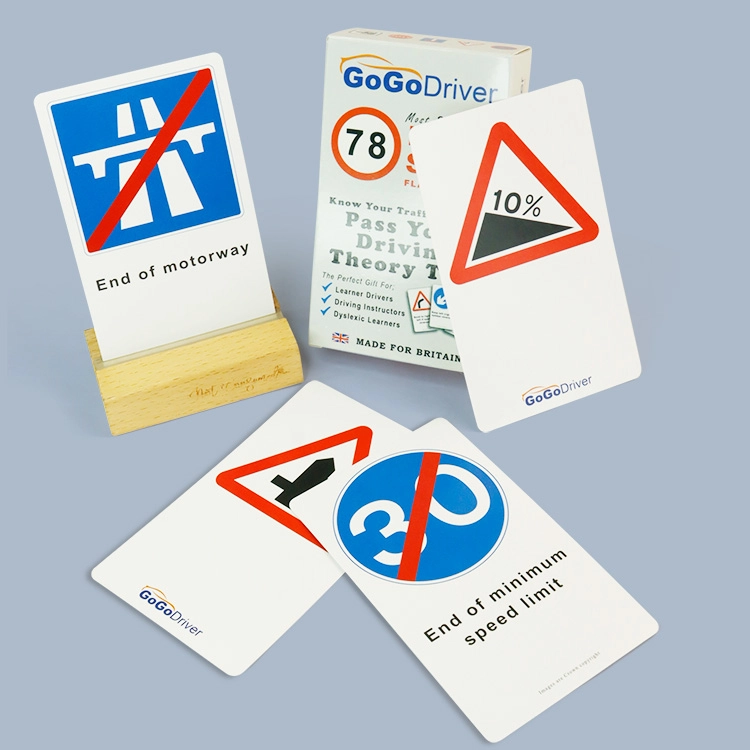
OEM Custom Driving Theory Cards | Personalized Traffic Rules & Test Prep Flashcards in Multiple Languages for Wholesale
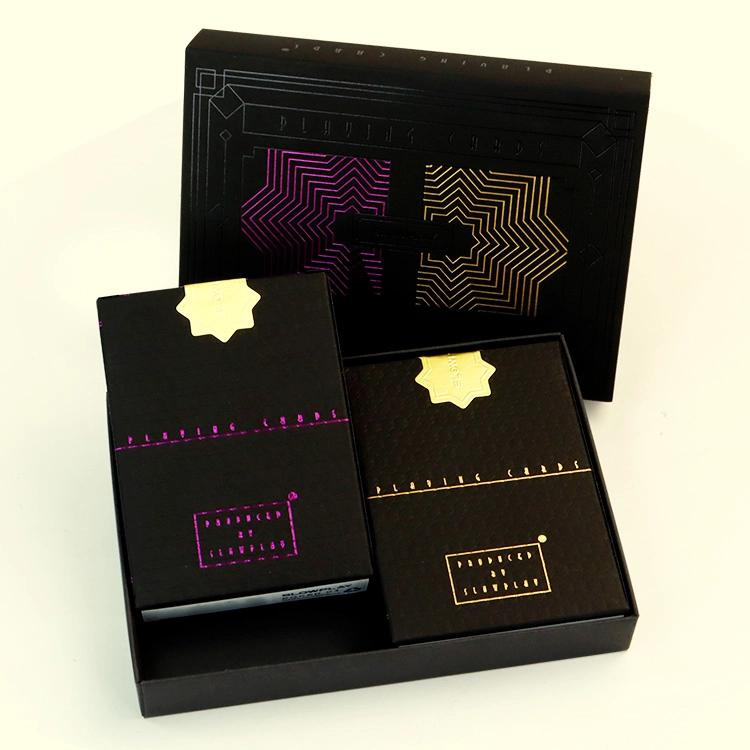
Custom Printing Luxury Two Sets Plastic Poker Playing Cards with Customized Packing