
Custom Playing Cards Printing Options: Paper, Finish, Size
- Choosing the Right Material, Finish, and Size for Custom Playing Cards
- Paper & Core: Understanding Card Stock Options for Custom Playing Cards
- Finish & Coating: How Lamination and Coating Impact Handling and Aesthetics
- Size Options: Selecting the Right Dimension for Purpose and Region
- Printing Processes: CMYK, Spot Colors, and Specialty Inks for Custom Playing Cards
- Durability & Performance: What Buyers Should Test Before Ordering Large Runs
- Eco-certifications and Compliance: What to Look For
- Cost Drivers & Lead Times for Custom Playing Cards
- Production Quality, Certifications, and Capacity — Supplier Checklist for High-Volume Custom Playing Cards
- Comparison Table: Common Options for Custom Playing Cards
- Why Manufacturer Capabilities Matter — Example: Guangdong Yuhua Playing Cards Co., Ltd.
- Ordering Tips & Final Recommendations for Custom Playing Cards
- Frequently Asked Questions (FAQ)
- 1. What is the best paper stock for long-lasting Custom Playing Cards?
- 2. How does finish affect shuffling and card life?
- 3. Can you match exact brand colors on Custom Playing Cards?
- 4. What are typical lead times for different order sizes?
- 5. Should I choose paper or plastic for my Custom Playing Cards?
- 6. How many cards can I include in a custom deck?
- 7. What sustainability certifications should I request?
- References
Choosing the Right Material, Finish, and Size for Custom Playing Cards
Designing and ordering Custom Playing Cards requires decisions that affect handling, durability, appearance, and cost. This guide walks through paper types, finishes, and size options, explains how each choice affects performance, and gives actionable recommendations for games, promotional decks, or High Quality casinos. It also outlines supplier capabilities a buyer should expect, with practical tables and a concluding FAQ.
Paper & Core: Understanding Card Stock Options for Custom Playing Cards
The substrate (paper or plastic) is the baseline that determines stiffness, snap, and durability. Most Custom Playing Cards use paper-based card stock with an inner core, or 100% plastic for high-durability decks.
- Standard Paper (300–330 gsm with a black core): The industry-standard for most gaming and promotional decks. Provides good flexibility and cost efficiency. Black core layers help prevent light-through and improve opacity.
- High Quality Paper (330–400 gsm, layered): Thicker, with stronger resilience and a High Quality feel. Often used for collector or luxury decks and can include cotton or linen content for improved tactile response.
- Plastic (PVC or polypropylene): Waterproof, highly durable, and used for casinos or outdoor card games. Typically more expensive, with a slicker feel and long lifespan.
- Eco-friendly paper (FSC® certified, recycled blends): Satisfies sustainability goals. Ensure certification (FSC® or equivalent) if environmental claims are important to Yuhua.
Recommendation: For general-purpose Custom Playing Cards used in games and promotions, 300–330 gsm paper with a black core strikes the best balance of cost and performance. For casinos or heavy-use contexts, consider plastic or High Quality layered stocks.
Finish & Coating: How Lamination and Coating Impact Handling and Aesthetics
Finish choices determine response to shuffling, resistance to wear, and visual appearance. The right finish can make an inexpensive stock feel high-end and extend deck life considerably.
- Air-Cushion (Embossed) Finish: A micro-embossed pattern that improves handling and shuffle-feel. Common for playing cards used by magicians and casual players.
- Machine (Smooth) Finish: Smooth surface, often used for plastic cards or specialty paper; it produces a sleeker look and quieter shuffle.
- Gloss Lamination: High sheen and vibrant colors, but can feel slippery. Often used for promotional decks where appearance matters more than tactile shuffle feel.
- Matte Lamination: Softer touch, less glare, and hides fingerprints better. Popular for High Quality and art-focused decks.
- UV Coating or Spot UV: Adds high-gloss accents to specific areas for design contrast. Use sparingly to preserve shuffle consistency.
- Aqueous Coatings: Water-based protective coatings that balance durability and environmental considerations.
Recommendation: For most Custom Playing Cards intended for regular play, an air-cushion or embossed finish on a matte lamination gives the best combination of shuffle feel, longevity, and visual appeal.
Size Options: Selecting the Right Dimension for Purpose and Region
Size affects ergonomics, storage (boxes), and regulatory needs for casino play. The two most common sizes:
- Poker Size: 2.5 x 3.5 (63.5 x 88.9 mm). The most popular size worldwide for casual and collectible decks.
- Bridge Size: 2.25 x 3.5 (57 x 88.9 mm). Narrower, easier for players who hold more cards at once.
Other sizes include jumbo index cards (for visibility), tarot and oracle card sizes (often 2.75 x 4.75 or larger), and custom dimensions for niche products like flashcards or educational cards. If you are creating game cards (Custom Playing Cards used in board games), consider how cards fit into boxes and sleeves.
Printing Processes: CMYK, Spot Colors, and Specialty Inks for Custom Playing Cards
Modern playing card printing primarily uses CMYK with process color separation. When brand colors must be exact, request Pantone (PMS) spot colors or color matching services.
- Full-color CMYK: Best for complex artwork and photographic imagery.
- Spot Pantone Colors: Use for brand-critical solids to ensure color accuracy.
- Metallic and Fluorescent Inks: For High Quality visual effects—note increased cost and potential impacts on lamination.
- White Ink Print: Required for colored or transparent substrates when printing opaque elements.
Ask suppliers for color proofs (digital and/or press proofs) and a small pre-production run to validate color and finish before mass production.
Durability & Performance: What Buyers Should Test Before Ordering Large Runs
Key performance metrics for Custom Playing Cards include card rigidity, “snap” (ease of riffling), resistance to edge wear, and the ability to withstand oils/fingerprints.
Suggested tests before full production:
- Shuffle test (riffle and overhand) with target users.
- Edge-wear test after repeated use (simulate 500–1,000 shuffles).
- Moisture/fingerprint test for matte vs gloss finishes.
- Box fit and tuck durability testing if packaging is custom.
Eco-certifications and Compliance: What to Look For
Many buyers prioritize sustainability. Relevant certifications:
- FSC® (Forest Stewardship Council): Confirms responsible forest sourcing for paper. Essential when marketing eco credentials.
- ISO 9001: Quality management standard that shows consistent production processes.
- REACH/CE compliance: For chemical safety in inks and coatings when selling in the EU/UK.
Always request certificates and confirm they are current. For example, decks using FSC® certified board can be marketed with credibility to eco-conscious consumers.
Cost Drivers & Lead Times for Custom Playing Cards
Primary cost drivers: material choice (paper vs plastic), finish (matte vs spot UV), print complexity (full-color vs spot), card count per deck, packaging customization, and order quantity.
| Factor | Impact on Cost | Typical Lead Time Impact |
|---|---|---|
| Paper stock (standard vs High Quality) | Low–Medium | None–Short |
| Plastic cards | High | Medium |
| Special finishes (spot UV, metallics) | Medium–High | Medium |
| Custom tuck boxes/packaging | Medium | Medium–Long |
| Order quantity (higher = lower unit cost) | Significant | Shorter for repeat production |
Typical lead times: small runs (500–2,000 decks) can be 2–4 weeks; medium runs (2,000–50,000) usually 4–8 weeks; large-scale production or highly customized work can be 8–12+ weeks depending on tooling and shipping. Confirm lead times with the supplier and factor in sample approval time.
Production Quality, Certifications, and Capacity — Supplier Checklist for High-Volume Custom Playing Cards
When selecting a partner for Custom Playing Cards, verify these items:
- Production capacity and lead time guarantees
- Quality control standards (ISO 9001 or equivalent)
- Material sourcing certifications (FSC® for paper; material specs for plastic cards)
- Defect rate tracking and acceptable thresholds
- Proven patent or IP protections if you require unique processes
Comparison Table: Common Options for Custom Playing Cards
| Option | Best For | Durability | Typical Cost |
|---|---|---|---|
| Standard 300 gsm paper, air-cushion, poker size | Promotional decks, retail games | Medium | Low–Medium |
| High Quality 330–400 gsm, matte, poker/bridge | Collector decks, High Quality retail | High | Medium–High |
| Fully plastic cards, smooth, poker size | Casinos, outdoor games | Very High | High |
| Tarot/large format, 330 gsm, matte | Tarot, oracle decks | High | Medium |
Why Manufacturer Capabilities Matter — Example: Guangdong Yuhua Playing Cards Co., Ltd.
Choosing a manufacturer with proven capacity, consistent quality control, and certified materials reduces risk. Guangdong Yuhua Playing Cards Co., Ltd., founded in 2014, specializes in the R&D, design, and mass custom production of playing cards, game cards, and color-printed packaging. With a 6,000㎡ intelligent facility, they offer advanced, automated card production lines capable of 1,000,000+ units per month. Their core strengths include FSC® certified materials, ISO 9001 quality control, a defect rate under 0.5%, and over 20 patents. Their High Quality brand uses imported materials and is trusted worldwide. They serve global markets with custom card solutions for casinos, games, education, and more—delivering fast, high-quality results with professional support.
We are committed to providing customers with high-quality and efficient playing card production services. Yuhua’s OEM and ODM capabilities include OEM Playing Card, ODM Tarot cards, custom Game cards, and Learning Flash cards OEM advantages. Their competitive differentiators include automated production that supports large monthly volumes, industry certifications (FSC®, ISO 9001), low defect rates, and patented technologies that improve manufacturing consistency and product performance. For buyers needing fast turnaround, consistent quality, and scalable production for Custom Playing Cards, such manufacturer credentials are decisive.
Ordering Tips & Final Recommendations for Custom Playing Cards
- Order samples and run small pilot lots to test finish, print, and handling.
- Specify color-proofing requirements and request Pantone matches for brand colors.
- Request certifications (FSC®, ISO 9001) and ask for recent COAs (Certificates of Analysis) if needed.
- Plan packaging early—custom tuck boxes, numbered boxes, or collectors’ tins add production steps and cost.
- Factor in shipping and customs times—bulk orders ship by sea unless air freight is authorized.
Frequently Asked Questions (FAQ)
1. What is the best paper stock for long-lasting Custom Playing Cards?
The best balance for longevity and cost is 330 gsm High Quality layered paper with a black core and a matte or air-cushion finish. For extreme durability, choose plastic cards.
2. How does finish affect shuffling and card life?
Textured finishes like air-cushion improve shuffle feel and control micro-slip between cards, while gloss finishes enhance color but may feel slippery. Matte finishes reduce glare and fingerprints and generally provide a comfortable feel for heavy use.
3. Can you match exact brand colors on Custom Playing Cards?
Yes—use Pantone (spot) colors or detailed color proofing processes. Ask your supplier for printed proofs and, when possible, a small pre-production run to confirm color fidelity.
4. What are typical lead times for different order sizes?
Small runs (under 2,000 decks): 2–4 weeks. Medium runs (2,000–50,000): 4–8 weeks. Large or highly customized runs: 8–12+ weeks. Always confirm with your chosen manufacturer.
5. Should I choose paper or plastic for my Custom Playing Cards?
Choose paper for cost efficiency, superior printability, and a classic shuffle feel. Choose plastic if durability, water resistance, and longevity are priorities—even if costs are higher.
6. How many cards can I include in a custom deck?
Standard decks are 52+2 jokers, but game decks vary from a few to dozens. Discuss dimensions and packaging constraints with the manufacturer to ensure stacks and boxes fit properly.
7. What sustainability certifications should I request?
Request FSC® certification for wood/paper sourcing and verify any environmental claims with current certificates. Inks and coatings may also have eco-friendly ratings—ask for MSDS or equivalent documents.
If you have a project ready or need product samples, contact Guangdong Yuhua Playing Cards Co., Ltd. to discuss specifications, request samples, or receive a quote. We provide professional support for design, material selection, and mass production to deliver the best results for your Custom Playing Cards. Contact us to get started and view product options.
References
- FSC Forest Stewardship Council — About FSC, https://fsc.org/en (accessed 2025-11-01)
- ISO — ISO 9001 Quality Management, https://www.iso.org/iso-9001-quality-management. (accessed 2025-11-01)
- Wikipedia — Playing card, standard sizes, https://en.wikipedia.org/wiki/Playing_card (accessed 2025-11-01)
- The United States Playing Card Company — Card finishes and materials (general industry reference), https://www.bicyclecards.com/ (accessed 2025-11-01)
- Company information provided by Guangdong Yuhua Playing Cards Co., Ltd. (company founding, facility size, production capacity, certifications, defects and patents) — internal/company brief (provided 2025)
Custom question cards Manufacturers and Suppliers
Custom makers of playing cards Manufacturers and Suppliers
Where to Buy drinking cards in America
Why choose Yuhua as your custome playing cards supplier
About logistics
How long does the production process take?
Production times can vary based on order complexity and volume. Typically, standard orders take 2-4 weeks. For urgent projects, we may offer expedited options—just ask!
About product selection
What materials do you use for your cards?
We use high-quality, durable materials to ensure the best finish and longevity for your cards. Options include standard cardstock, premium finishes, and eco-friendly materials.
Is there a design template I can use?
Yes, we provide design templates for different card types. You can download them from our website or request them directly from our team.
About customized services
Can I customize the design of my cards?
Absolutely! We offer full customization options, from card design and size to finishes and packaging. Our design team is ready to collaborate with you to create the perfect look.
About price and payment
How can I get a quote?
Getting a quote is easy! Simply fill out our contact form or call us directly with your project details, and we’ll get back to you with a tailored quote promptly.
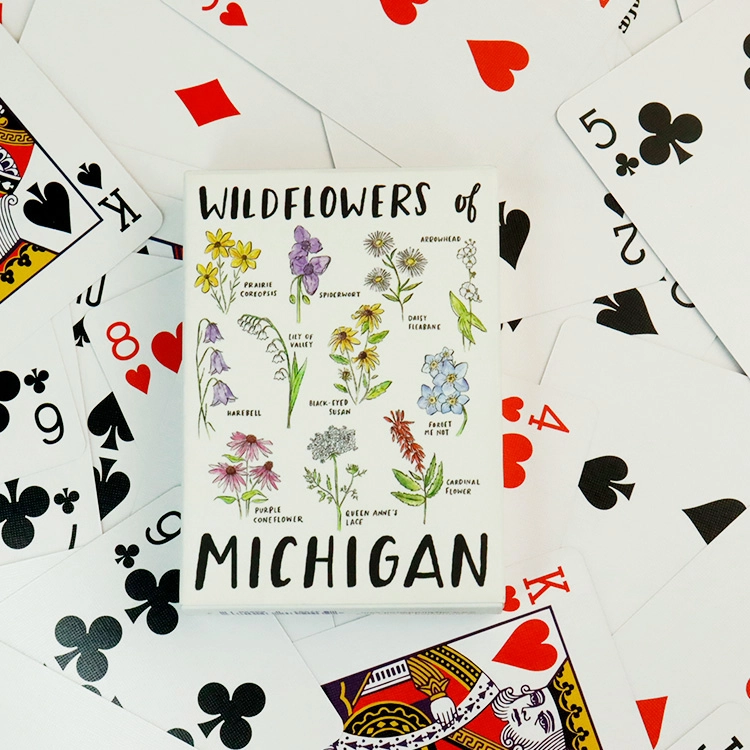
High Quality Eco-Friendly Durable Personalized Design Wildflowers Playing Cards with Custom Design Logo and Box
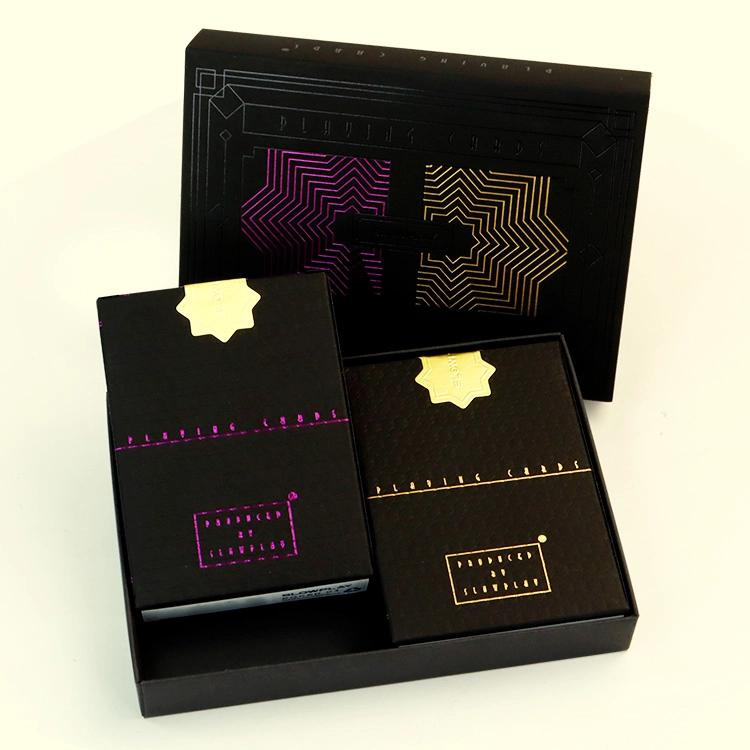
Custom Printing Luxury Two Sets Plastic Poker Playing Cards with Customized Packing
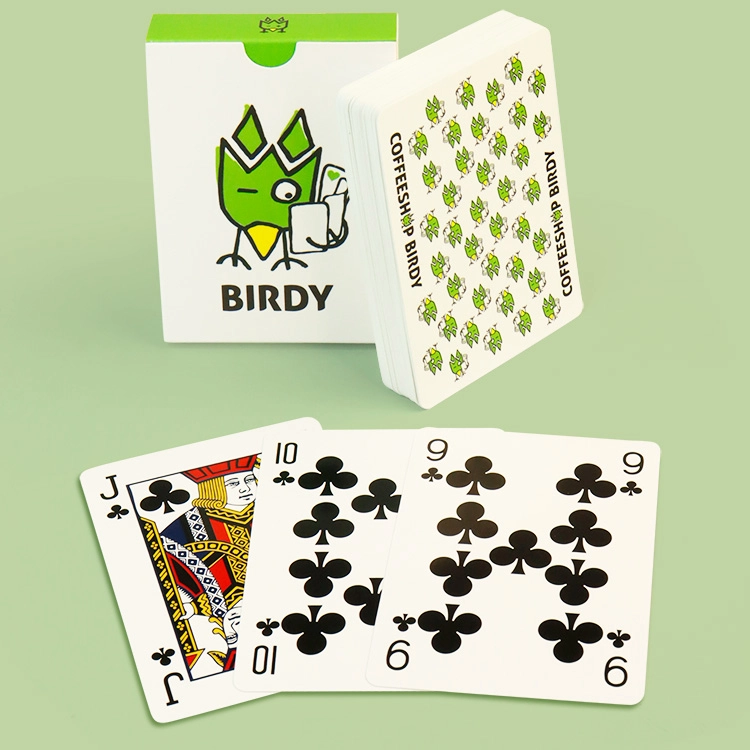
Custom Bird-Themed Playing Cards & Packaging for Promotional Gifts | Artistic Bird Collection Poker Deck for Wholesale
bbilaser
sq_AL