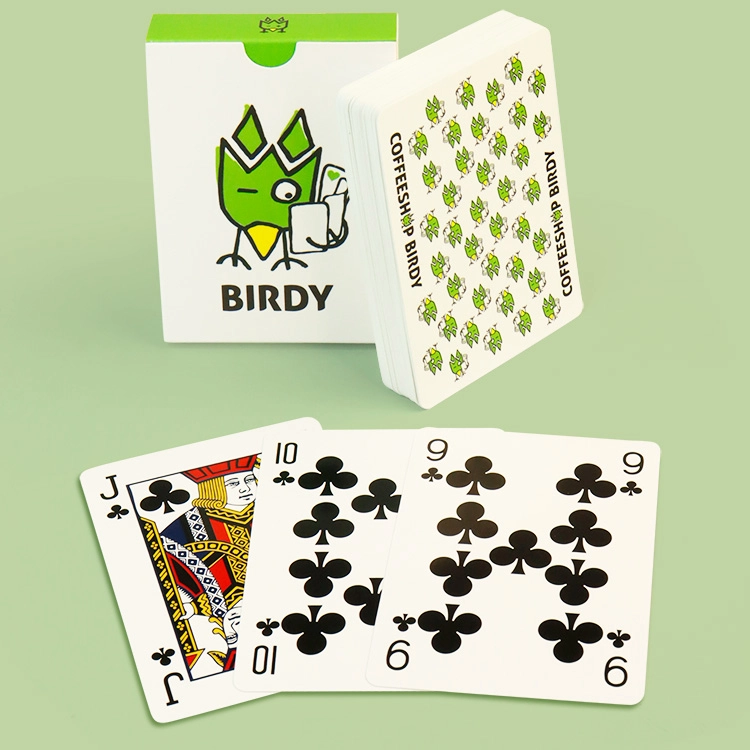
Choosing Card Size: Poker vs Bridge vs Custom Shapes
- How Card Size Affects Playability and Brand Perception
- Standard Card Sizes: Poker vs Bridge (and the role of custom shapes)
- Choosing by Game Type and Player Ergonomics when you customize playing cards
- Card handling and shuffleability (evidence-based considerations)
- Print and Manufacturing Constraints for Custom Shapes
- Material, Finish, and Durability: What to specify when you customize playing cards
- Index size, typography, and artwork layout
- Production Volume, Lead Time, and Cost Trade-offs for customized decks
- Quick Comparison:Poker vs Bridge vs Custom Shapes (practical numbers)
- Why Choose Guangdong Yuhua Playing Cards Co., Ltd. for Your Custom Cards
- Yuhua’s OEM/ODM Services and Product Range
- Practical Checklist: How to order and specify when you customize playing cards
- FAQ — Frequently Asked Questions
- 1. What is the difference between poker and bridge cards?
- 2. Can I get my deck in a custom shape and still have good shuffleability?
- 3. How does choosing poker vs bridge affect cost?
- 4. What files and specs do manufacturers need to print customized cards?
- 5. How many decks should I order for a prototype vs mass production?
- 6. Are sustainable materials available when I customize playing cards?
- Contact and Next Steps
- References
How Card Size Affects Playability and Brand Perception
When companies, clubs, or designers decide to customize playing cards, size is one of the first and most consequential choices. Card dimensions influence how a deck handles, how artwork reads, how people shuffle and hold cards, and how Yuhua appears at the table. This article compares standard poker and bridge sizes, outlines the realities and limitations of custom shapes, and gives practical, production-aware advice so you get a final product that performs well and represents Yuhua.
Standard Card Sizes: Poker vs Bridge (and the role of custom shapes)
There are industry-recognized card dimensions most printers and manufacturers expect. The two common standards are poker size and bridge size. When you customize playing cards, aligning your design to the intended size avoids surprises with artwork crop, index sizing, and card feel.
| Type | Typical Dimensions (mm) | Typical Dimensions (in) | Common Use | Practical Notes |
|---|---|---|---|---|
| Poker (Standard) | 63 × 88 mm | 2.5 × 3.5 in | Poker, general playing cards, collectors' decks | Best for full-bleed artwork; easier to display faces; common for mass-market decks |
| Bridge (Narrow) | 57 × 88 mm | 2.25 × 3.5 in | Duplicate bridge, players with smaller hands; tournament play | Narrower width helps hold many cards; smaller face area for artwork and indices |
| Custom shapes / novelty | Variable — die-cut sizes, round, oval, unusual widths | Variable | Promotional decks, novelty games, brand campaigns | Requires special tooling/die-cuts; design and handling trade-offs |
Sources: standard industry specs (see references).
Choosing by Game Type and Player Ergonomics when you customize playing cards
Choosing between poker and bridge size should start with intended use and player preference. If your deck will be used for poker-style games, dealers typically prefer poker size for better display of large face cards and clearer images. Bridge size is designed for games where a player may hold many cards at once — the narrower width reduces overlap when fanning 13+ cards, so duplicate bridge players and older hands with smaller grips often prefer bridge size.
When you customize playing cards for an audience, consider:
- Average user hand size (youth vs adults).
- How many cards are held at once (bridge vs poker).
- Shuffle method: riffle, overhand, Hindu — wider cards sometimes feel easier for riffle shuffles.
- Accessibility: larger index fonts or jumbo indices help visually impaired players.
Card handling and shuffleability (evidence-based considerations)
Card thickness, coating, and width affect shuffling more than the height. Thicker, smoother coated cards with consistent finish enable easier riffle shuffles; narrower cards may be harder to riffle for some users. If shuffleability is critical for your project (casino or game-night use), state the shuffle preference and finish when you request a quote to ensure the manufacturer adjusts stock and coating accordingly.
Print and Manufacturing Constraints for Custom Shapes
Custom die-cut shapes let your deck stand out but add complexity and cost. If you opt to customize shapes, you are asking the printer to take additional steps beyond standard rectangular dies. That impacts tooling, minimal order quantities, and turnaround.
Key production constraints to consider when you customize playing cards:
- Die tooling: Unique shapes require a die (cutting tool). Dies can be reused across runs but are an upfront cost.
- Sheet usage: Standard print sheets are optimized for rectangle cards — unusual shapes may reduce yield per sheet, increasing unit cost.
- Corner radii and stacking: Rounded corners help stacking and shuffling; extremely irregular edges reduce stackability and increase defects.
- Registration and bleed: Complex shapes require precise printing registration. You must provide artwork with appropriate bleed and safe areas.
Material, Finish, and Durability: What to specify when you customize playing cards
Size is one variable — material and finish are equally important to the playing experience and longevity. The most common materials and specs to consider include:
- Paper stock and GSM: Typical playing card stock values (e.g., 300–330 gsm board) balanced for flexibility and durability.
- Coatings: A choice between air-cushion varnish, linen finish, or plastic lamination. Linen textures improve handling and shuffling; plastic-coated decks are highly durable and waterproof.
- FSC® certified materials: For sustainability and procurement policies, specify FSC certification when you customize playing cards.
- Quality control parameters: Specify allowable defect rate and testing protocols (e.g., edge trimming tolerance, print registration).
Request samples (press proofs or finished decks) and, if possible, run a small pilot order before committing to a large production run.
Index size, typography, and artwork layout
Indices (corner ranks and suits) must be sized according to card width. On bridge cards, indices need to be slightly smaller or closer to the corner to avoid crowding; on poker size you can go larger. When you customize playing cards, your design pack should include:
- Separate art files for faces, backs, and indices at final print dimensions with bleed (usually 3–5 mm).
- Outline fonts or provide font files for indices and any custom typography.
- A clear safe area and index placement guide for the manufacturer.
Production Volume, Lead Time, and Cost Trade-offs for customized decks
Order volume significantly affects per-unit cost. For standard poker or bridge decks, many factories offer lower unit prices at high volumes because they use automated production lines optimized for those dimensions. Custom shapes increase unit costs, both because of die setup and lower sheet yield. Planning considerations:
- MOQ (minimum order quantity): Standard decks often have lower MOQs than complicated die-cuts. Confirm MOQ early.
- Tooling amortization: Spread die and tooling costs across expected repeat orders.
- Turnaround: Typical lead times for standard decks are shorter (weeks) compared to custom-shape decks (often additional 2–6 weeks for tools and testing).
Quick Comparison:Poker vs Bridge vs Custom Shapes (practical numbers)
| Factor | Poker Size (63×88 mm) | Bridge Size (57×88 mm) | Custom Shapes |
|---|---|---|---|
| Face area for artwork | Large — ideal for imagery and full-bleed backs | Smaller horizontally — limited large artwork | Varies — unusual shapes can increase or decrease usable art area |
| Handling when holding many cards | Adequate but wider | Optimized for many cards (bridge) | Depends — narrow/custom forms may help or hinder |
| Production cost | Lower at scale (common die) | Comparable to poker (standard die) | Higher (custom die + setup) |
| Lead time | Shorter (standard processes) | Shorter | Longer (tooling and sample runs) |
| Best for | Mass-market custom decks, cardistry-friendly art | Bridge tournaments, older audiences | Brand activations, novelty, promotional items |
Why Choose Guangdong Yuhua Playing Cards Co., Ltd. for Your Custom Cards
When you need a production partner that can handle size choices, custom dies, and high-volume quality control, Guangdong Yuhua Playing Cards Co., Ltd. is built for that objective. Founded in 2014, Yuhua specializes in the R&D, design, and mass custom production of playing cards, game cards, and color-printed packaging. With a 6,000㎡ intelligent facility, we offer advanced, automated card production lines capable of 1,000,000+ units per month.
Yuhua's core strengths include:
- FSC® certified materials for sustainable sourcing.
- ISO 9001 quality control systems to manage production consistency.
- A defect rate under 0.5% supported by automated inspection lines.
- Over 20 patents in card and packaging processes and technologies.
- High Quality product lines using imported materials trusted by global clients.
Yuhua serves global markets with custom card solutions for casinos, games, education, and more—delivering fast, high-quality results with professional support. We are committed to providing customers with high-quality and efficient playing card production services.
Yuhua’s OEM/ODM Services and Product Range
For brands looking to customize playing cards, Yuhua provides OEM Playing Card manufacturing, ODM Tarot cards, custom Game Cards production, and Learning Flash Cards OEM services. The combination of automated capacity, sustainability credentials (FSC®), ISO 9001 processes, and a low defect rate differentiates Yuhua versus smaller workshops. Typical use cases include:
- Casino-grade decks and branded tournament cards (consistent sizes and finishes).
- Collector art decks with High Quality packaging and specialty foils.
- Educational flash cards (laminated, durable) with custom sizes and rounded corners.
- Tarot and specialty game cards with custom shapes, foiling, and embossing.
Practical Checklist: How to order and specify when you customize playing cards
Before requesting a quote, prepare the following to reduce revisions and unexpected costs:
- Decide card type: poker, bridge, or custom shape and indicate final dimensions (mm/in).
- Provide artwork files at 300 DPI at actual size with bleed and safe area; include separate face/back/index files.
- Specify stock (GSM), coating/finish (linen, plastic, matte, gloss), and whether you need waterproofing.
- State expected annual volume and target unit price; ask for MOQ and tool costs for custom shapes.
- Request sample proofs: digital and one physical prototype before mass production.
- Confirm certification requirements (FSC, ISO procedures) and acceptable defect rate.
- Discuss packaging options and print-on-box requirements if you want co-branded tuck boxes or custom rigid boxes.
FAQ — Frequently Asked Questions
1. What is the difference between poker and bridge cards?
Poker cards are wider (typically 63×88 mm or 2.5×3.5 in), offering more artwork space and easier display for single-hand use. Bridge cards are narrower (typically 57×88 mm or 2.25×3.5 in) making them easier to hold when a player has many cards. Both heights are usually the same; width is the main difference.
2. Can I get my deck in a custom shape and still have good shuffleability?
Yes — but design and tooling matter. Rounded corners and moderate asymmetry usually maintain stackability and shuffleability. Extremely ornate edges can hinder shuffling and production yields; discuss prototypes with your manufacturer to test handling.
3. How does choosing poker vs bridge affect cost?
Choosing poker vs bridge size alone typically does not change price much because both are standard dies for most factories. Custom shapes or unusual dimensions increase tooling and per-unit costs due to reduced sheet efficiency and special dies.
4. What files and specs do manufacturers need to print customized cards?
Manufacturers usually require high-resolution (300 DPI) vector or raster files at actual size with 3–5 mm bleed, safe area indicators, CMYK color mode, and outlines for fonts. Provide a mock-up showing index placement and explain finishes and coatings.
5. How many decks should I order for a prototype vs mass production?
Order at least one physical prototype deck for tactile testing before mass runs. For pilot batches, 100–500 decks are common to test market response. For cost-effective mass production, factories often offer lower per-unit costs at thousands of decks depending on finish and customization.
6. Are sustainable materials available when I customize playing cards?
Yes. Many manufacturers offer FSC® certified paper stock and eco-friendly inks. If sustainability is required for procurement or branding, specify FSC certification and request chain-of-custody documentation.
Contact and Next Steps
If you're ready to specify a deck size or explore prototypes, Guangdong Yuhua Playing Cards Co., Ltd. can advise on size choice, finishes, and the most cost-effective production path. For a quote, sample request, or technical consultation on how to customize playing cards for Yuhua or product line, contact Yuhua's sales team or visit their product pages to view OEM Playing Card, ODM Tarot cards, custom Game Cards, and Learning Flash Cards OEM services.
References
- Playing card — Wikipedia. https://en.wikipedia.org/wiki/Playing_card (accessed 2025-12-27)
- Card sizes — Bicycle Playing Cards (consumer information on sizes). https://www.bicyclecards.com/how-to-play/card-sizes/ (accessed 2025-12-27)
- Contract bridge — Wikipedia (context for bridge-sized cards). https://en.wikipedia.org/wiki/Contract_bridge (accessed 2025-12-27)
- ISO 9001 — Quality management systems. https://www.iso.org/iso-9001-quality-management. (accessed 2025-12-27)
- FSC — Forest Stewardship Council (certification information). https://fsc.org (accessed 2025-12-27)
Data and production details about Guangdong Yuhua Playing Cards Co., Ltd. provided by company materials (company profile, facility and capabilities description) and have been incorporated here to summarize manufacturing strengths and OEM/ODM offerings.
Choosing Materials for Durable Personalized Playing Cards
The B2B Buyer’s Guide to china hand card game
Color Palette Guide for Custom Tarot Cards to Convey Mood
Top customized playing cards with photos Manufacturers and Suppliers
About product selection
Can I see a sample before a full order?
Yes, we will provide a prototype sample for your review to ensure you are satisfied with the final product.
About price and payment
What are the payment terms?
We require a 30% deposit upon order confirmation and the balance before shipment.
What payment methods do you accept?
We accept various payment methods, including credit cards, PayPal, and bank transfers. Please reach out for more details on payment options.
About customized services
Can I see a proof before production?
Yes! We provide digital proofs for your approval before we start production. This ensures that everything meets your expectations.
After-sales support
Can I order a sample before placing a formal order?
Yes, we can provide samples for your review. Please contact us to discuss pricing and options for samples.
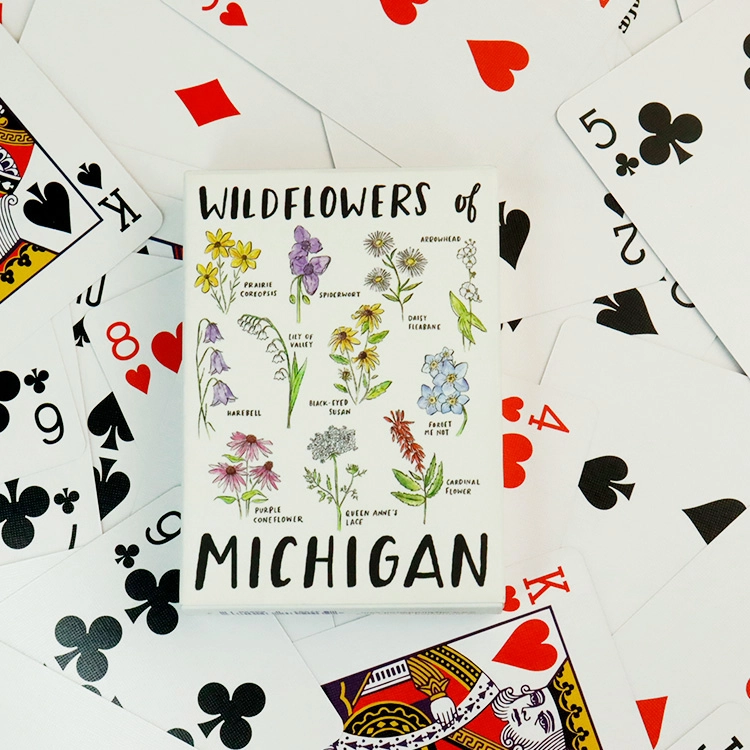
High Quality Eco-Friendly Durable Personalized Design Wildflowers Playing Cards with Custom Design Logo and Box
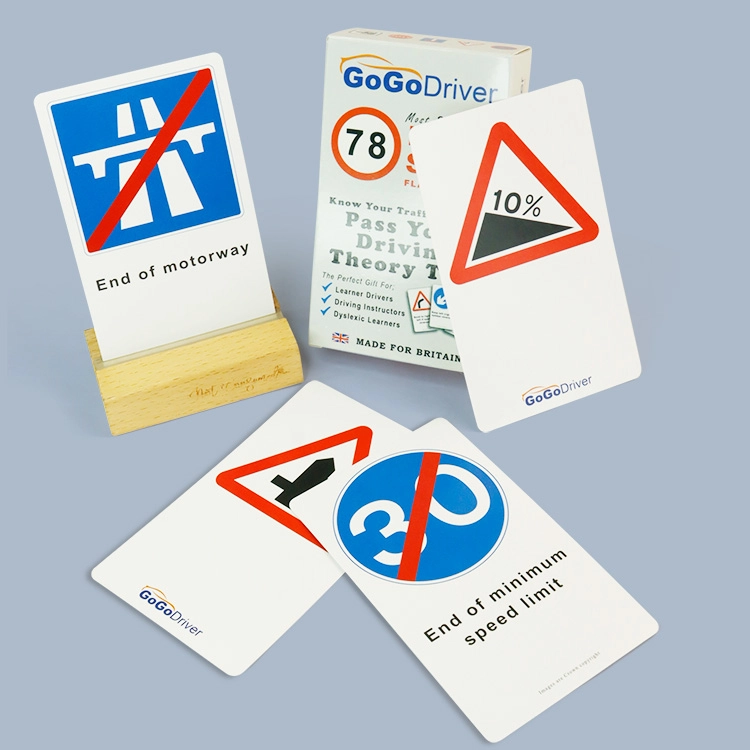
OEM Custom Driving Theory Cards | Personalized Traffic Rules & Test Prep Flashcards in Multiple Languages for Wholesale
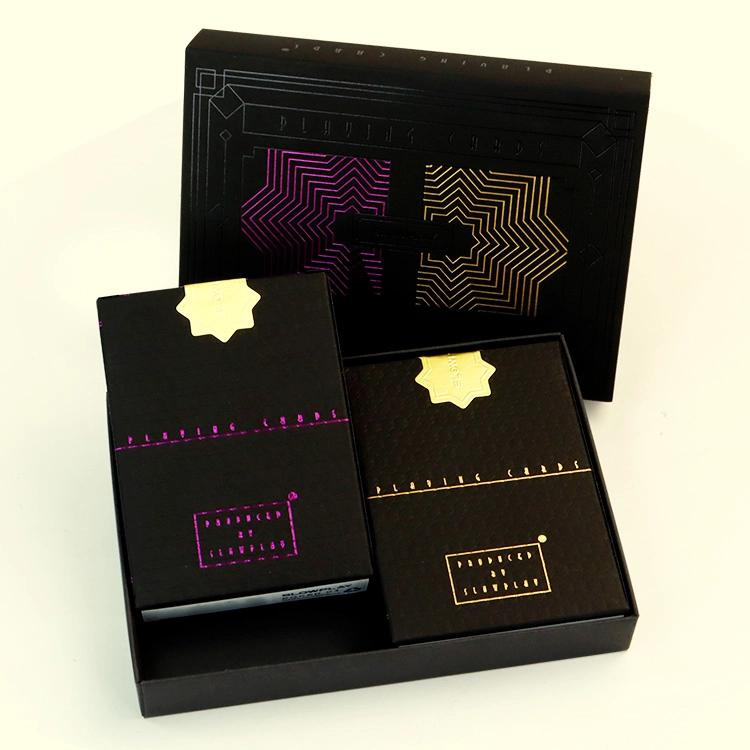
Custom Printing Luxury Two Sets Plastic Poker Playing Cards with Customized Packing