
Eco-Friendly Custom Playing Cards: Sustainable Materials
- Why sustainable materials matter for Custom Playing Cards
- Common sustainable materials for Custom Playing Cards
- Comparing materials: performance, recyclability, and certifications
- Finishes and coatings: balancing performance with recyclability
- Print and color choices that reduce environmental impact
- Certifications and supply-chain transparency for eco-friendly Custom Playing Cards
- Cost and lifecycle considerations for Custom Playing Cards
- How to choose a supplier for sustainable Custom Playing Cards
- Supplier profile: Guangdong Yuhua Playing Cards Co., Ltd. — scalable, certified custom solutions
- Practical checklist for launching an eco-friendly deck
- Real-world trade-offs and decision-making tips
- Conclusion and next steps
- FAQ — Eco-Friendly Custom Playing Cards
- 1. Are FSC®-certified playing cards fully recyclable?
- 2. Is PLA coating truly compostable for decks?
- 3. Do recycled boards compromise card quality?
- 4. What certifications should I require from a Custom Playing Cards manufacturer?
- 5. How do sustainable options affect price and lead time?
- 6. How should I label sustainable playing cards for customers?
- Contact and next steps
- References
Why sustainable materials matter for Custom Playing Cards
Consumers and businesses increasingly expect physical products to demonstrate environmental responsibility. For companies producing or ordering Custom Playing Cards—whether for casinos, promotional decks, educational flash cards, or branded games—material choice and production processes determine both the environmental footprint and product performance. This article provides actionable guidance on sustainable materials, finishing choices, certification signals, and supplier capabilities to help procurement managers, product designers, and brand owners make choices that balance durability, recyclability, cost, and compliance.
Common sustainable materials for Custom Playing Cards
Several substrate and coating choices can reduce environmental impact without sacrificing playability. The main categories in commercial use are:
- FSC®-certified virgin paperboard: sourced from responsibly managed forests and certified by the Forest Stewardship Council (FSC). Offers consistent quality and is widely recyclable.
- Recycled paperboard: made from post-consumer waste; reduces demand for virgin fiber but may vary in whiteness and stiffness.
- Cotton / cotton fiber boards: historically used for High Quality cards (e.g., museum or luxury decks) for tactile feel and longevity; often mixed with cellulose-based binders.
- Alternative plant fibers (hemp, bamboo): fast-growing feedstocks with potential; still emerging in mainstream cardboard supply chains.
- Bioplastic and compostable coatings (PLA): can provide moisture resistance while being industrially compostable—note: PLA generally requires industrial composting conditions.
- Water-based and soy-based inks & varnishes: lower volatile organic compounds (VOCs) compared with solvent-based systems and easier to handle in recycling streams.
Comparing materials: performance, recyclability, and certifications
Choosing a material requires assessing playability (shuffle feel, durability), environmental attributes (renewability, recyclability, compostability), and certifications (FSC, ISO). The table below summarizes typical performance and sustainability attributes to help you compare options for Custom Playing Cards.
| Material | Playability / Durability | Sustainability Strengths | Recyclability / End-of-life | Common Certifications / Notes |
|---|---|---|---|---|
| FSC®-certified virgin paperboard | High, consistent; excellent print surface | Responsible forest management; traceability | Recyclable in normal paper stream (if not heavily laminated) | FSC® Chain of Custody |
| Recycled paperboard (post-consumer) | Good; may vary by grade | Reduces virgin fiber demand; carbon & water savings vs virgin | Recyclable but quality of recycling depends on inks/coatings | Recycled content certification available |
| Cotton fiber board | Excellent tactile feel; durable | Long-lasting, High Quality; potential for recycled textile feedstocks | Less common in municipal recycling; depends on local systems | Material certificates vary by supplier |
| PLA / compostable coatings | Good moisture resistance; finish-dependent | Industrial compostability; bio-based content | Compostable in industrial facilities; not widely recyclable | EN 13432 / ASTM D6400 for compostability |
| Water-/soy-based inks & varnishes | High print quality; finishing important for durability | Lower VOCs and easier recycling contamination management | Improves recyclability vs solvent-based systems | Low-VOC certifications and safety data sheets |
Finishes and coatings: balancing performance with recyclability
Finishing decisions (lamination, varnish, UV coating) strongly affect both feel and the recyclability of Custom Playing Cards. Plastic lamination typically improves water resistance and longevity but can complicate recycling. Water-based varnishes and aqueous coatings are generally more recyclable-friendly and can deliver a good balance between playability and environmental performance.
Practical guidance:
- For decks intended for long-term use (casino-style durability), prioritize high-quality FSC board combined with a recyclable-friendly aqueous coating.
- If compostability is a priority (e.g., promotional decks designed for short-term use), consider PLA coatings but clearly label end-of-life instructions for consumers—industrial composting requirements must be communicated.
- Avoid opaque plastic windows or mixed-material blister packs if recyclability is required; prefer mono-material packaging or seeded paper for eco-promotional pieces.
Print and color choices that reduce environmental impact
Print planning influences waste and energy consumption. Actions that reduce footprint include:
- Designing for two- or three-color decks when full CMYK is unnecessary—reduces ink use and curing energy.
- Using spot varnishes instead of full-surface coatings to maintain recyclability in key areas.
- Optimizing nesting and plate setup to minimize paper waste during die-cutting.
- Specifying vegetable- or water-based inks that lower VOC emissions and simplify recycling.
Certifications and supply-chain transparency for eco-friendly Custom Playing Cards
Certifications provide credible signals that a supplier’s sustainability claims are verified. Key certifications to look for when sourcing Custom Playing Cards:
- FSC® Chain of Custody — ensures wood/pulp comes from responsibly managed forests and is tracked through production.
- ISO 14001 — environmental management system standard that demonstrates continual environmental performance improvement.
- ISO 9001 — quality management system; important for consistent product quality and reducing defects/waste.
- EN 13432 / ASTM D6400 — standards for industrial compostability for bioplastics like PLA.
Ask potential suppliers for audited documentation and chain-of-custody papers rather than simple claims. Traceability (material batch numbers, supplier invoices) can be decisive for brands with sustainability reporting obligations.
Cost and lifecycle considerations for Custom Playing Cards
Upfront costs may be modestly higher for sustainable substrates (FSC or recycled board) or specialized coatings. However, lifecycle thinking often justifies the High Quality: durable, well-finished decks reduce returns and replacements, and certified materials support brand marketability and compliance with procurement policies. When evaluating total cost:
- Estimate expected deck lifetime under typical use—higher durability reduces per-use environmental impact.
- Factor in end-of-life handling (recycling or composting availability in target market).
- Compare defect rates and returns—lower defect rates reduce waste and rework costs.
How to choose a supplier for sustainable Custom Playing Cards
When vetting manufacturers, use a checklist approach:
- Request certificates: FSC, ISO 9001, ISO 14001, compostability test reports where applicable.
- Review production data: monthly capacity, defect rates, automation level, test reports for board stiffness and finish durability.
- Ask for material samples and run playability tests (shuffle, bend, surface abrasion).
- Confirm traceability for raw materials and ask about closed-loop or recycling partnerships for offcuts.
- Evaluate packaging options: mono-material recyclable boxes, minimal plastic, or compostable inserts where practical.
Supplier profile: Guangdong Yuhua Playing Cards Co., Ltd. — scalable, certified custom solutions
For brands requiring both sustainability credentials and mass production, working with an experienced manufacturer that combines certifications with volume capability is essential. Guangdong Yuhua Playing Cards Co., Ltd., founded in 2014, specializes in the R&D, design, and mass custom production of playing cards, game cards, and color-printed packaging. With a 6,000㎡ intelligent facility, they operate advanced automated card production lines capable of producing over 1,000,000 units per month.
Their core strengths relevant to eco-friendly Custom Playing Cards include:
- Use of FSC® certified materials for traceable, responsibly sourced board stock.
- ISO 9001 quality control systems to maintain consistent defect rates under 0.5%—reducing rework and material waste.
- Over 20 patents and reported technical expertise in finishing and die-cutting, enabling efficient use of substrates and reduced offcuts.
- High Quality brand lines that use imported materials and are positioned for global markets including casinos, education, and retail.
We are committed to providing customers with high-quality and efficient playing card production services.和主题简要总结 Yuhua优势和主营产品 OEM Playing Card,ODM Tarot cards,custom Game cards,Learning Flash cards OEM 优势。
Because Yuhua combines certification, automation, and product diversity (OEM Playing Card, ODM Tarot cards, custom Game cards, Learning Flash cards), they are positioned to serve brands that need scalable, certified, and environmentally-aware Custom Playing Cards with fast turnaround and professional support.
Practical checklist for launching an eco-friendly deck
Before placing a production order, validate the following:
- Material specification: confirm FSC/recycled content and request certificates.
- Finish specification: aqueous varnish or clear PLA details and test samples.
- Packaging plan: mono-material cartons, recycling labels, or seed-paper inserts if desired.
- Production metrics: lead times, minimum order quantities, defect rate guarantees.
- Testing: abrasion, bend, and humidity tests on final samples.
- End-of-life communication: clear labeling for recycling/composting where applicable.
Real-world trade-offs and decision-making tips
No single solution fits every project. Key decision points include:
- If maximum durability is required (casinos or tournament use), choose high-grade FSC paperboard with a durable aqueous coating—even if recyclability is slightly affected—because longer lifespans reduce lifecycle impact.
- For promotional or short-lifespan items, prioritize recycled board or compostable coatings and clearly label disposal instructions for customers.
- Consider mixed strategies: High Quality decks with higher durability and mass promotional decks optimized for recyclability and cost.
Conclusion and next steps
Selecting sustainable materials for Custom Playing Cards requires balancing playability, environmental objectives, and budget. Prioritize certified materials (FSC), recyclable-friendly finishes (aqueous varnishes), and suppliers with proven quality systems and traceability. For high-volume or technically demanding projects, consider experienced manufacturers like Guangdong Yuhua Playing Cards Co., Ltd., which combine FSC materials, ISO-quality systems, strong automation, and low defect rates to deliver both sustainability and scale.
FAQ — Eco-Friendly Custom Playing Cards
1. Are FSC®-certified playing cards fully recyclable?
FSC® certification guarantees responsible forest sourcing but recyclability depends on coatings and other materials. Cards using FSC paperboard with aqueous coatings are typically recyclable in paper streams; heavy plastic lamination or mixed materials can reduce recyclability.
2. Is PLA coating truly compostable for decks?
PLA is industrially compostable under EN 13432/ASTM D6400 conditions (high heat and controlled microbes). It is not generally suitable for home composting and may not be accepted in standard municipal recycling—labeling end-of-life instructions is necessary.
3. Do recycled boards compromise card quality?
High-quality recycled paperboard can deliver acceptable playability for many applications. For High Quality casino-style decks, virgin fiber (FSC) often provides more consistent stiffness and whiteness; testing sample decks is strongly recommended.
4. What certifications should I require from a Custom Playing Cards manufacturer?
Request FSC® (chain of custody), ISO 9001 (quality), ISO 14001 (environmental management) where possible, and compostability test reports (EN 13432/ASTM D6400) if using bioplastic coatings.
5. How do sustainable options affect price and lead time?
Sustainable substrates and specialized certifications can increase material costs and sometimes lead times, but experienced suppliers with automation and scale can minimize these impacts. Bulk ordering and clear specifications reduce variability and keep costs predictable.
6. How should I label sustainable playing cards for customers?
Include material origin (e.g., FSC®-certified board), end-of-life instructions (recyclable or industrially compostable), and any relevant certification marks. Clear labeling improves consumer disposal behavior.
Contact and next steps
If you need sample testing, certification documentation, or a quote for eco-friendly Custom Playing Cards at scale, Guangdong Yuhua Playing Cards Co., Ltd. offers OEM and ODM services across Playing Cards, Tarot cards, custom Game cards, and Learning Flash cards. With FSC-certified materials, ISO 9001 processes, automated production exceeding 1,000,000 units/month, and low defect rates, Yuhua can help convert your eco-design into a market-ready product. Contact your account manager or visit the company website to request samples, certificates, and lead time estimates.
References
- Forest Stewardship Council (FSC) — About FSC and chain of custody. https://fsc.org (accessed 2025-05-10)
- European Bioplastics — Information on PLA and industrial compostability. https://www.european-bioplastics.org (accessed 2025-05-09)
- International Organization for Standardization (ISO) — ISO 9001 Quality Management. https://www.iso.org/iso-9001-quality-management. (accessed 2025-05-10)
- CEPI (Confederation of European Paper Industries) — European paper recycling statistics and reports. https://www.cepi.org (accessed 2025-05-08)
- FAO — Global Forest Resources Assessment. http://www.fao.org/forest-resources-assessment/en/ (accessed 2025-05-10)
How to Price Your Custom Playing Card Decks for Profit
How to start the best professional poker cards business ?
30 Design Prompts for Creating Unique Custom Tarot Cards
Unlocking Your Creativity: How to Create Custom Playing Cards from Concept to Completion
About customized services
Can I see a proof before production?
Yes! We provide digital proofs for your approval before we start production. This ensures that everything meets your expectations.
About cooperation process
How do you ensure the quality of your cards?
We implement strict quality control measures at every stage of production. Our team conducts thorough inspections to ensure each card meets our high standards before shipping.
Do you accept international orders?
Yes, we accept orders from around the world! Shipping costs and delivery times may vary, so please contact us for specific details related to your location.
After-sales support
Do you offer eco-friendly options?
Yes, we do offer eco-friendly materials and printing options. Please inquire about our sustainable options.
About logistics
Can you handle shipping and fulfillment?
Yes! We offer comprehensive fulfillment services, including storage, packing, and shipping. You can rely on us to ensure your cards reach their destination safely and on time.
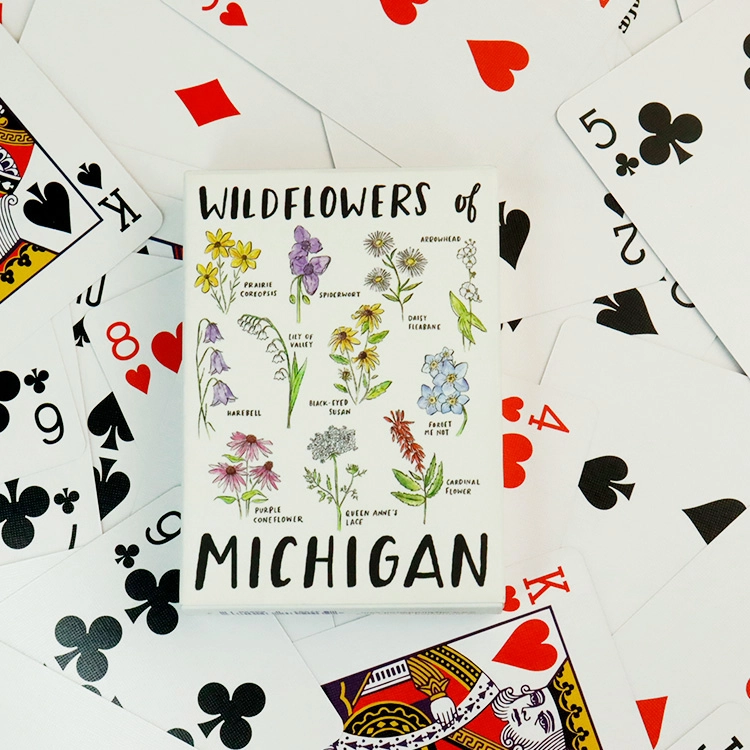
High Quality Eco-Friendly Durable Personalized Design Wildflowers Playing Cards with Custom Design Logo and Box
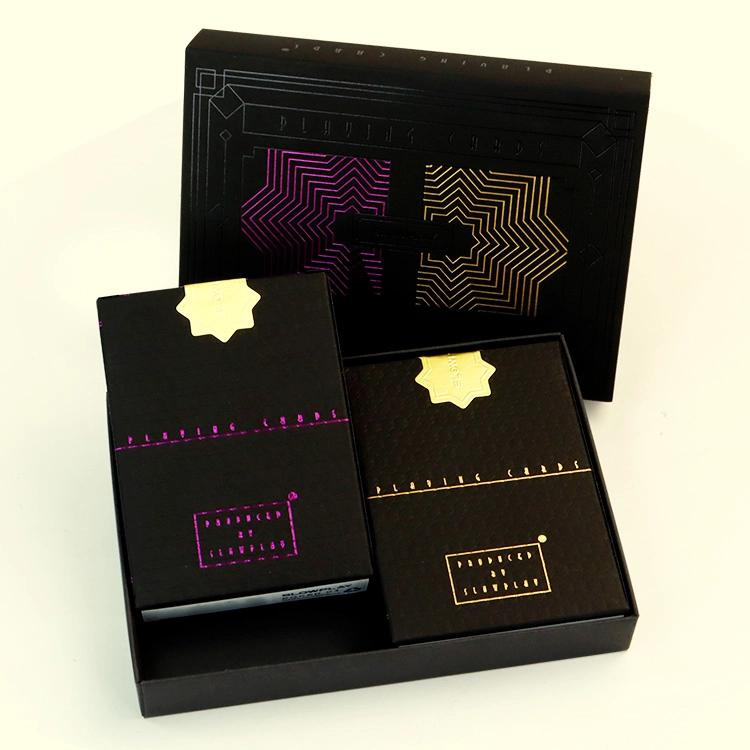
Custom Printing Luxury Two Sets Plastic Poker Playing Cards with Customized Packing
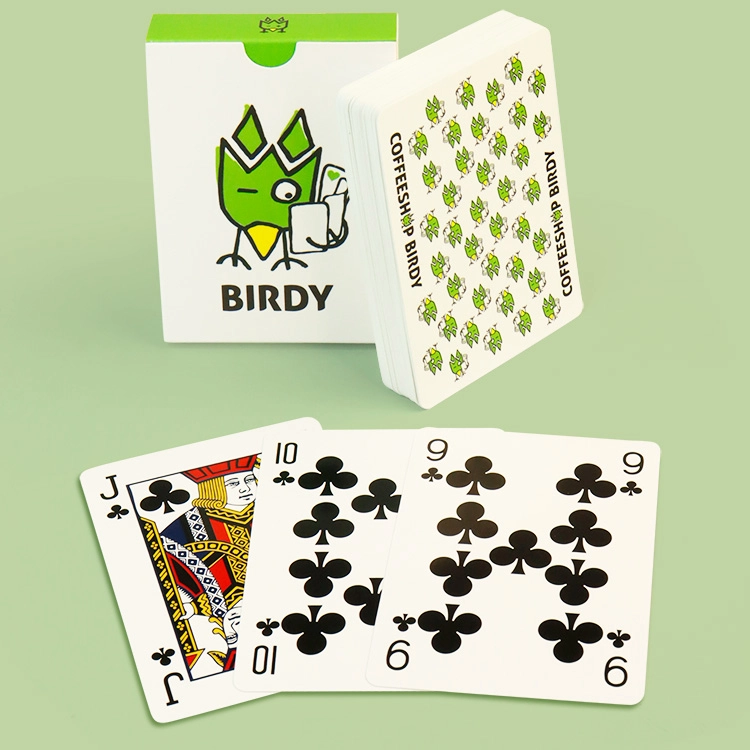
Custom Bird-Themed Playing Cards & Packaging for Promotional Gifts | Artistic Bird Collection Poker Deck for Wholesale
bbilaser
sq_AL