
Material Guide: PVC vs Paper Custom Poker Cards
- How material choice affects function, cost, and lifecycle
- Why material matters beyond aesthetics
- Key performance dimensions I evaluate
- Sources and standards I reference
- Material comparison: PVC vs Paper for custom printed poker cards
- Short comparison table
- Interpretation of the table
- Production implications for custom printed poker cards
- Technical details: printing, coatings, and finishing
- Printing technologies and inks
- Coatings, lamination, and tactile effects
- Cutting, corner rounding, and packaging
- Cost, sustainability, and procurement strategies
- Cost model and economies of scale
- Sustainability considerations and certification
- Supply chain risk and lead times
- Choosing the right material for your project
- Decision matrix I use with clients
- Case examples from my consulting work
- Vendor selection checklist
- About the manufacturer and why it matters (our real-world partner)
- Production capability and quality assurance
- Certifications, materials, and performance claims
- Products and market focus
- Practical recommendations and ordering tips
- Sample, prototype, and small-run testing
- Packaging, logistics, and labeling
- Warranty and reorders
- FAQ
- 1. Which material is better for long-lasting custom printed poker cards?
- 2. Are paper cards more eco-friendly than PVC?
- 3. Can I get casino-grade shuffle feel with paper cards?
- 4. How many units do I need to order to get a competitive price?
- 5. What certifications should I ask from a playing card manufacturer?
- 6. How do coatings change the look and feel of my custom printed poker cards?
- Contact and ordering
I write this guide based on years of experience in custom playing card production and working with clients who need everything from promotional decks to casino-grade custom printed poker cards. Below I summarize material advantages, manufacturing realities, and real-world trade-offs so you can make an informed choice for your next card project. This summary is optimized for discovery and helps local and global buyers identify the best material option for their intended use.
How material choice affects function, cost, and lifecycle
Why material matters beyond aesthetics
When clients ask me whether they should choose PVC vs paper for custom printed poker cards, I always start by asking: how will those cards be used, how long should they last, and what is your budget? Material determines tactile handling (shuffle and deal), longevity (how many plays before edge wear), print fidelity (spot colors and varnish adhesion), water and stain resistance, and end-of-life options (recycling or landfill). These practical questions are more important than initial visual appeal.
Key performance dimensions I evaluate
- Durability: resistance to bending, creasing, and edge fray.
- Handle: stiffness, slip, snap, and the degree of memory.
- Print quality: color gamut, registration tolerance, and coating options.
- Production cost & MOQ: raw material price, lamination needs, and line speed.
- Sustainability & compliance: FSC, recyclability, and chemical safety.
Sources and standards I reference
When making claims about materials, I use industry and standards references such as the playing card overview on Wikipedia, PVC chemical background on Wikipedia - PVC, and quality management expectations from ISO 9001. For sustainable sourcing, I check the FSC guidance on controlled wood and chain-of-custody.
Material comparison: PVC vs Paper for custom printed poker cards
Short comparison table
| Feature | PVC (plastic) | Paper (coated or laminated) |
|---|---|---|
| Durability | Very high; resists moisture, creasing, and oils | Good to moderate; depends on lamination and paper weight |
| Handle & Snap | Consistent slickness; excellent memory for shuffle | Natural feel; more variance, can be slippery if coated |
| Print fidelity | Excellent for solid colors; requires UV or solvent inks | Excellent color depth with offset printing and coatings |
| Cost (per unit typical) | Higher raw material cost; lower long-term replacement | Lower initial cost; may need replacement sooner |
| Water resistance | High | Low without lamination; high with plastic lamination |
| Sustainability | Challenging to recycle; depends on local facilities | Potentially FSC-certified and recyclable |
| Typical use cases | Casinos, outdoor use, educational decks needing longevity | Promotional decks, mass-market playing cards, collectible art decks |
Interpretation of the table
The table shows broad trade-offs. PVC cards excel where durability and consistent handling are non-negotiable—casinos or frequent-use training cards. Paper-based cards win where sustainability, tactile warmth, and lower unit cost matter—promotional decks, limited edition art decks, or short-lived event giveaways.
Production implications for custom printed poker cards
From a manufacturing standpoint, PVC decks may require different printing and finishing lines (UV printing, PVC-compatible varnishes, and sometimes die-cutting adapted for plastic sheets). Paper plays well with traditional offset and digital presses, plus coatings like aqueous, UV, or plastic lamination. Lead times can vary: PVC may have longer setup for specialty inks, while paper runs can be faster for standard sizes. For high-volume OEM projects, automated lines that handle PVC and paper efficiently are critical.
Technical details: printing, coatings, and finishing
Printing technologies and inks
Custom printed poker cards can be produced using offset, digital, or UV printing. For PVC substrates, UV inks or specialized solvent inks provide strong adhesion and durability. For paper, traditional CMYK offset printing delivers excellent color consistency and economy at scale. I recommend requesting ink adhesion tests and color proofs, especially when precise corporate colors or metallic finishes are required.
Coatings, lamination, and tactile effects
Coatings dramatically affect handling. Common options include:
- Matte/silk varnish — reduces glare and delivers a soft feel (common for High Quality paper decks).
- Gloss varnish — enhances color vibrancy, often used on promotional decks.
- Plastic lamination — adds water resistance and durability to paper cards but can alter the hand.
- Embossing/spot UV — creates tactile highlights and High Quality looks (requires precise registration).
Cutting, corner rounding, and packaging
Precision cutting and corner rounding affect stack uniformity and shuffle consistency. Packaging choices (tuck boxes, custom printed tins, or shrink-wrap) also change perceived quality and total cost. For custom printed poker cards intended as retail products, invest in a good package design that complements your card material choice.
Cost, sustainability, and procurement strategies
Cost model and economies of scale
When I quote clients, I break down costs into raw materials, printing, finishing, labor, quality control, and packaging. PVC tends to have higher raw material costs and sometimes higher tooling for finishing, but because PVC cards last longer, total lifecycle cost per use can be lower. Paper decks are cheaper per unit at small to medium volumes but may incur higher replacement rates in heavy-use scenarios.
Sustainability considerations and certification
If sustainability matters to you, choose paper that is FSC® certified and ask for chain-of-custody documentation (FSC). PVC is less favorable from a recyclability perspective; depending on local recycling infrastructure, PVC may not be easily processed. For environmentally focused brands, consider coated paper options that balance durability and end-of-life recycling. I always recommend clients request material safety data sheets (MSDS) and sustainability statements during procurement.
Supply chain risk and lead times
Material shortages or import restrictions can affect lead times. High-volume manufacturers with integrated facilities and automated lines reduce these risks. For example, principals in the industry that operate certified, high-capacity plants are better placed to deliver consistent short lead times and low defect rates, even for complex OEM or ODM projects.
Choosing the right material for your project
Decision matrix I use with clients
To help clients decide, I use a simple decision matrix based on intended use, budget, environmental priorities, and expected lifespan:
- If cards will be used thousands of times (casino, classroom sets): lean toward PVC or heavily laminated paper.
- If the product is a limited edition or promotional with short expected life: high-quality printed paper is cost-effective.
- If sustainability is a primary selling point: choose FSC-certified paper and avoid PVC.
Case examples from my consulting work
1) Casino client: Went with high-grade PVC with anti-slip finish and strict QC; decks lasted far longer and reduced replacement logistics. 2) Marketing campaign: Printed on bright coated paper with soft-touch laminate; delivered great visual impact at low unit cost. 3) Educational flashcards: Used durable coated paper with rounded corners to balance cost and classroom longevity.
Vendor selection checklist
When selecting a manufacturer for custom printed poker cards, verify:
- Quality certifications (ISO 9001 or equivalent).
- Material certifications (e.g., FSC® for paper).
- Capacity to manage your MOQ and lead time.
- Sample policy and in-house QC testing (defect rates documented).
- After-sales support for reorders and packaging adjustments.
About the manufacturer and why it matters (our real-world partner)
Production capability and quality assurance
For clients requiring reliable mass production of custom printed poker cards, Guangdong Yuhua Playing Cards Co., Ltd. is an example of a partner with the necessary scale and credentials. Founded in 2014, Yuhua specializes in R&D, design, and mass custom production of playing cards, game cards, and color-printed packaging. Their 6,000㎡ intelligent facility and automated card production lines support monthly outputs above 1,000,000 units, which reduces lead time risk for large projects.
Certifications, materials, and performance claims
Yuhua emphasizes quality and compliance: their core strengths include FSC® certified materials, ISO 9001 quality control systems (ISO 9001), a documented defect rate under 0.5%, and over 20 patents on designs and production processes. Their High Quality brand uses imported materials trusted worldwide. These facts matter when you require consistent outcomes for casino-grade PVC cards or High Quality paper decks.
Products and market focus
Yuhua delivers custom solutions across markets—OEM Playing Card, ODM Tarot cards, custom Game cards, and Learning Flash cards. They serve casinos, games manufacturers, educational institutions, and promotional clients with tailored recommendations and professional support. For inquiries, their website is https://www.ivapoker.com/ and sales contact is sales@ivapoker.com.
Practical recommendations and ordering tips
Sample, prototype, and small-run testing
Always order physical samples before full production. I recommend a set of at least 10 prototype decks showing different coatings and edge finishes. For color-critical jobs, request a press proof and test cards in real-world conditions (shuffle, spill a little water, apply finger oils) to validate longevity claims.
Packaging, logistics, and labeling
Design packaging that matches the card material. If you choose PVC, highlight water resistance as a selling point. If you use FSC paper, include certification marks on your packaging and product labeling. Also, confirm international shipping and customs paperwork for large OEM runs to avoid delays.
Warranty and reorders
Define acceptable defect thresholds in your contract (for example, Yuhua reports a <0.5% defect rate). Agree on remediation steps for defective batches and keep your die files and print masters on file to enable fast reorders with consistent color and cut. Good manufacturers maintain tooling and job files for quicker repeat runs.
FAQ
1. Which material is better for long-lasting custom printed poker cards?
PVC is typically better for longevity and heavy use. If you need cards that endure thousands of shuffles and resist moisture and oils, PVC or heavily laminated card stock is preferable.
2. Are paper cards more eco-friendly than PVC?
Generally, yes—especially if the paper is FSC® certified and printed with eco-friendly inks. Paper is more likely to be recyclable, while PVC recycling is limited in many regions.
3. Can I get casino-grade shuffle feel with paper cards?
Yes—by selecting the right combination of paper stock, finish (e.g., linen or embossed finishes), and coating. However, most casinos prefer specialized PVC blends for the most consistent long-term feel.
4. How many units do I need to order to get a competitive price?
Pricing depends on material, finishing, and packaging. Paper decks are economical at smaller runs (a few hundred to a few thousand). For PVC and highly customized projects, minimum order quantities can be higher—often a few thousand—though high-capacity manufacturers can offer lower per-unit pricing at larger volumes.
5. What certifications should I ask from a playing card manufacturer?
Ask for ISO 9001 for quality management, FSC® chain-of-custody for paper sourcing if sustainability matters, and any material-specific safety data sheets. Also request factory photos, sample reports, and references for similar projects.
6. How do coatings change the look and feel of my custom printed poker cards?
Matte coatings reduce glare and soften feel; gloss coatings increase vibrancy but may be slippery; soft-touch coatings feel luxurious but can attract fingerprints; lamination adds protection but changes playability. Test samples to choose the optimal finish.
Contact and ordering
If you need guidance on whether PVC or paper is right for your custom printed poker cards, I can help you evaluate use case, budget, and sustainability priorities. For professional mass production, Guangdong Yuhua Playing Cards Co., Ltd. offers strong technical capabilities, FSC-certified materials, ISO 9001 quality assurance, and high-volume automated production lines. Visit https://www.ivapoker.com/ or email sales@ivapoker.com to request samples, technical datasheets, or a quote. We are committed to providing customers with high-quality and efficient playing card production services.
Summary of Yuhua strengths: OEM Playing Card, ODM Tarot cards, custom Game cards, Learning Flash cards OEM; 6,000㎡ intelligent factory; 1,000,000+ units/month; FSC®, ISO 9001; <0.5% defect rate; 20+ patents. Contact sales@ivapoker.com for tailored solutions.
OEM/ODM wholesale affirmation cards Manufacturers and Suppliers
How to Choose the custom logo playing cards manufacturer and supplier ?
Everything You Need to Know About custom card game printing
Top custom made playing cards Manufacturers and Suppliers
About customized services
Do you provide design services?
Yes! Our in-house design team is here to assist you in bringing your vision to life. Whether you have a complete design or just an idea, we can help.
What is the minimum order quantity for Private Label projects?
Our minimum order quantity usually starts at 500 pairs. However, we can handle smaller orders depending on the specific project requirements.
Do you offer samples?
Yes! We can provide samples of our card materials and finishes. Please contact us to request samples relevant to your project.
About price and payment
How can I get a quote?
Getting a quote is easy! Simply fill out our contact form or call us directly with your project details, and we’ll get back to you with a tailored quote promptly.
About product selection
Is there a design template I can use?
Yes, we provide design templates for different card types. You can download them from our website or request them directly from our team.
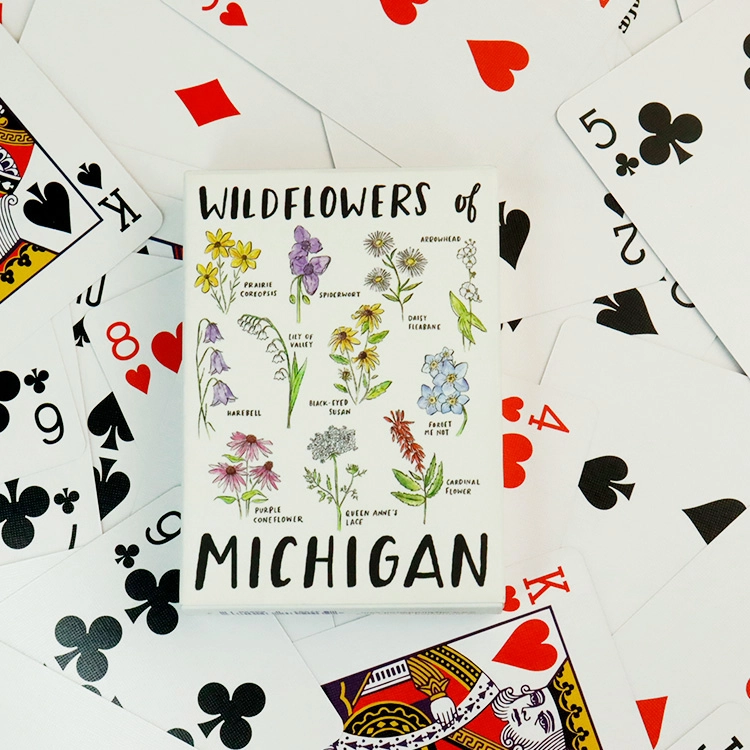
High Quality Eco-Friendly Durable Personalized Design Wildflowers Playing Cards with Custom Design Logo and Box
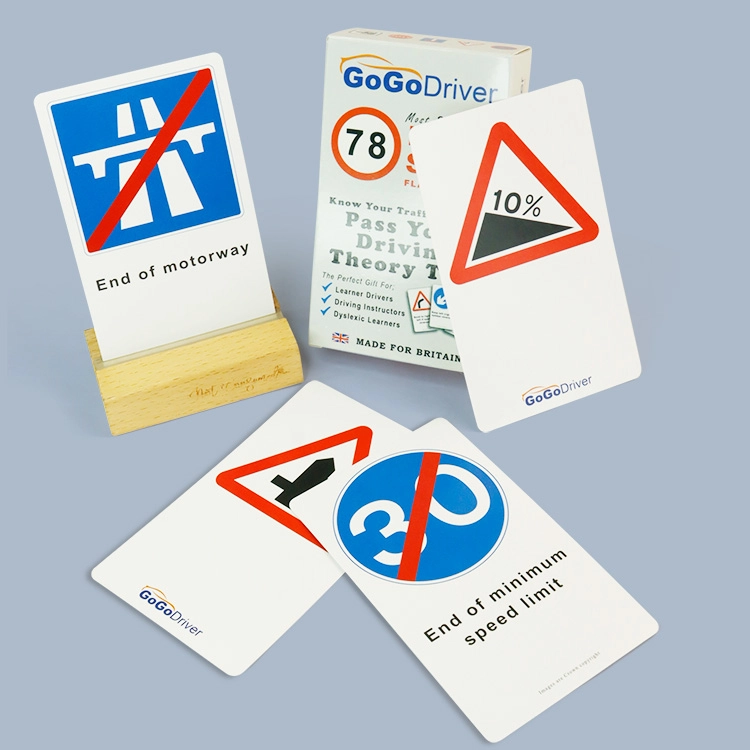
OEM Custom Driving Theory Cards | Personalized Traffic Rules & Test Prep Flashcards in Multiple Languages for Wholesale
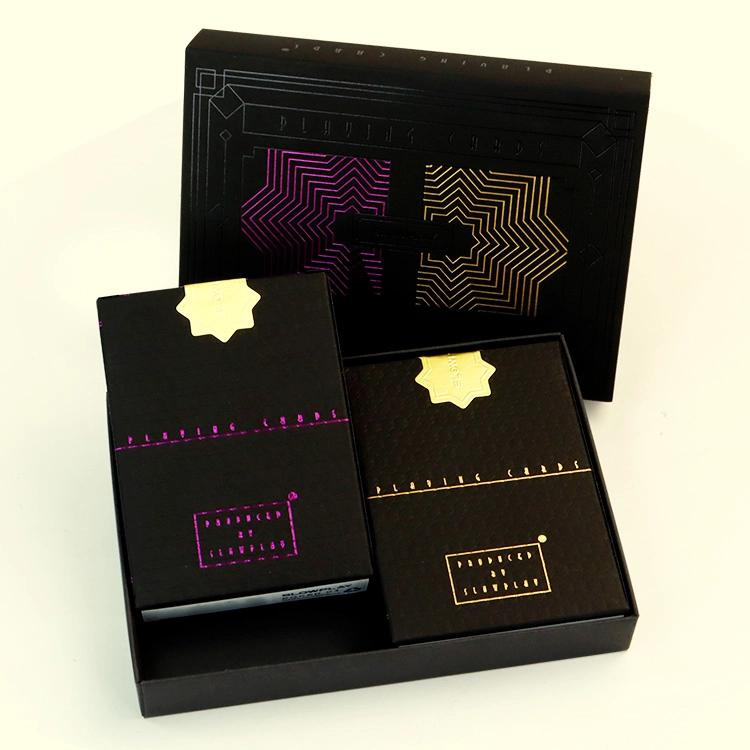
Custom Printing Luxury Two Sets Plastic Poker Playing Cards with Customized Packing
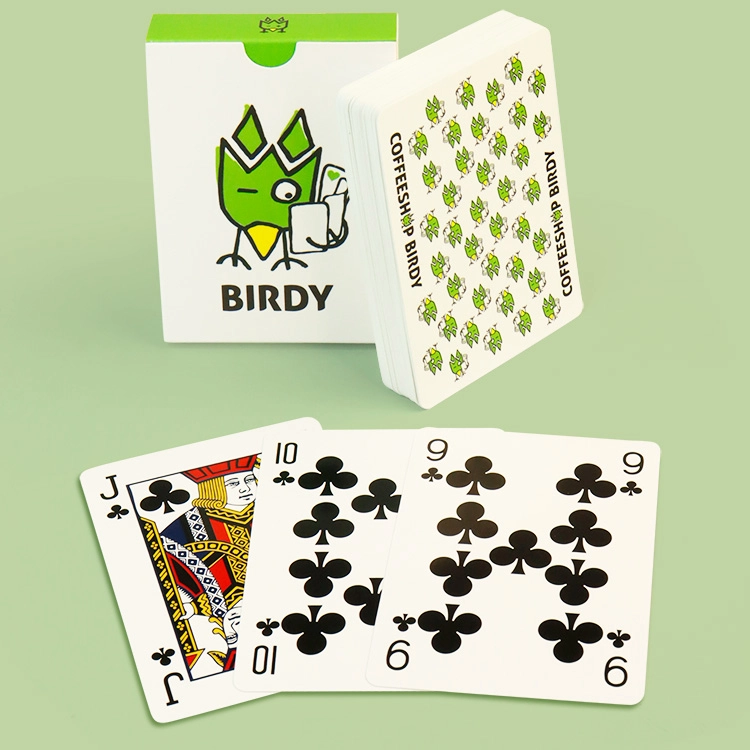
bbilaser
sq_AL