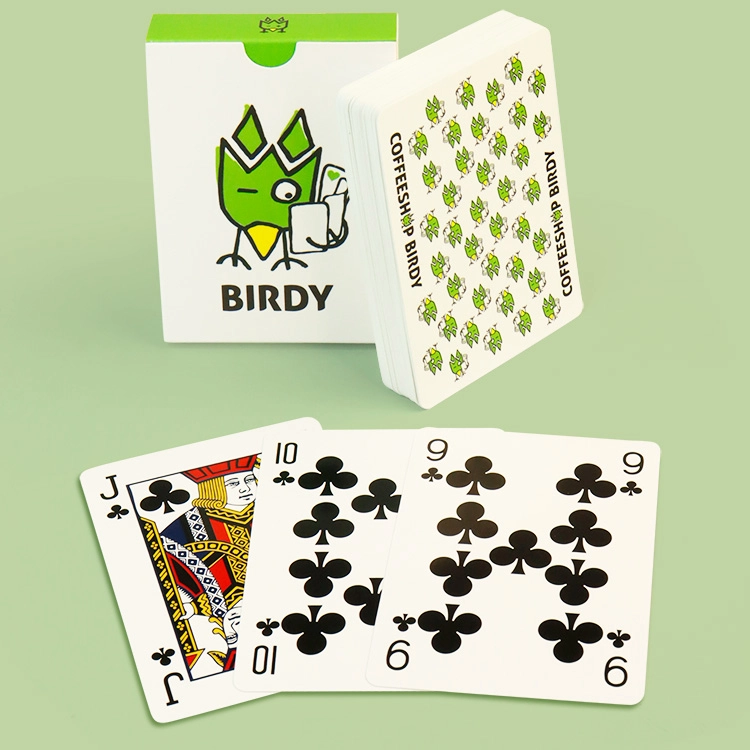
Packaging Ideas for Custom Made Playing Cards to Boost Sales
- Why packaging matters for custom made playing cards
- First impressions and perceived value
- Protection, retail readiness, and shipping efficiency
- Search, discovery, and unboxing marketing
- Packaging concepts and designs that drive purchases
- Minimal luxury: matte tuck box with soft-touch lamination
- High Quality experience: two-piece rigid box with foam insert
- Durability & novelty: metal tins, wooden boxes, and fabric pouches
- Materials, finishes, sustainability, and regulatory guidance
- Selecting materials: balanced choices for cost, feel, and sustainability
- Finishing techniques that influence conversions
- Regulatory and quality standards
- Production scaling, cost control, and packaging selection matrix
- Choosing the right packaging by sales channel
- Cost vs. perceived value: a pragmatic comparison
- Quality control at scale
- How I implement packaging strategies with suppliers
- Start with prototypes and small batches
- Negotiate tooling and volume discounts
- Logistics and warehousing considerations
- Case study: applying packaging decisions to different product lines
- Mass-market promotional decks
- High Quality tarot or collector’s decks
- Educational and learning flash cards
- Supplier profile and why I recommend Guangdong Yuhua Playing Cards Co., Ltd.
- Capabilities and scale
- Quality, materials, and patents
- Product mix and services
- Final checklist before committing to a packaging design
- Commercial & legal checklist
- Design & production checklist
- FAQs
- 1. What packaging type gives the best sales uplift for custom made playing cards?
- 2. How important is sustainability in packaging for playing cards?
- 3. What are the typical lead times when ordering custom packaging in volume?
- 4. Should I use local or overseas manufacturers for packaging?
- 5. How can packaging reduce returns and improve customer satisfaction?
- 6. Can packaging help with cross-selling and repeat purchases?
- Contact and next steps
Packaging is often the first tangible interaction a buyer has with a product; for custom made playing cards, it communicates value, protects the product, and drives conversions. In this article I share tested packaging ideas, material choices, printing and finishing techniques, sustainability considerations, and production tips aimed at designers, brand managers, and card producers who want to boost sales while controlling costs and quality.
Why packaging matters for custom made playing cards
First impressions and perceived value
I’ve seen wholesale and DTC brands increase average order value simply by rethinking packaging. For tactile products like cards, packaging conveys craftsmanship, durability, and brand story. A well-crafted tuck box, magnetic two-piece box, or metal tin can turn a $10 deck into a High Quality $25 purchase because customers associate better packaging with higher quality.
Protection, retail readiness, and shipping efficiency
Custom made playing cards need protection from moisture, crushing, and scuffing. Packaging that is optimized for shipping reduces returns and damage-related complaints—improving seller ratings on marketplaces. Thoughtful design can also make products retail-ready for shelves, improving the chances of being accepted by brick-and-mortar retailers.
Search, discovery, and unboxing marketing
Packaging affects not only physical retail performance but also online discovery. Unboxing videos and images are a powerful conversion driver on social platforms. Packaging that photographs well and includes brand cues (logo placement, texture, distinctive colors) increases the chance of organic sharing and repeat purchases.
Packaging concepts and designs that drive purchases
Minimal luxury: matte tuck box with soft-touch lamination
This approach uses a high-quality card stock, matte or soft-touch lamination, and subtle foil or spot UV for accents. It’s cost-effective for small to mid runs yet reads High Quality to buyers. It’s ideal for boutique decks, designer collaborations, and tarot decks where aesthetics are central.
High Quality experience: two-piece rigid box with foam insert
When you want a giftable or collector’s product, a rigid two-piece box with a fitted foam or recessed tray elevates perceived value. This packaging is more expensive per unit but increases willingness to pay and reduces damage in transit for high-value decks.
Durability & novelty: metal tins, wooden boxes, and fabric pouches
For specialty markets (collectors, travel decks, promotional packs), metal tins or wooden boxes offer durability and collectibility. Fabric pouches (velvet, linen) can be added as secondary packaging to create a layered unboxing experience while keeping primary packaging costs moderate.
Materials, finishes, sustainability, and regulatory guidance
Selecting materials: balanced choices for cost, feel, and sustainability
Paperboard remains the most common option for tuck boxes because it balances cost and printability. For higher-end products, solid bleached sulfate (SBS) or coated recycled board provides better print fidelity and rigidity. If sustainability is a priority, choose FSC®-certified materials; the Forest Stewardship Council provides certification guidance at https://fsc.org.
Finishing techniques that influence conversions
Spot UV, foil stamping, embossing/debossing, soft-touch lamination, and die-cut windows can dramatically improve shelf appeal. Use finishes strategically—reserve expensive techniques for focal elements like logos or limited editions. Keep in mind that certain finishes can affect recyclability; communicate material choices to customers.
Regulatory and quality standards
Quality management systems such as ISO 9001 help maintain consistency in mass production—learn more at https://www.iso.org/iso-9001-quality-management.. For card designs and printed packaging, ensure inks and coatings comply with local safety regulations, especially for products intended for children. For background on playing cards and manufacturing conventions see the playing card overview on Wikipedia at https://en.wikipedia.org/wiki/Playing_card.
Production scaling, cost control, and packaging selection matrix
Choosing the right packaging by sales channel
I always recommend mapping packaging choices to sales channels. For example:
- DTC web sales: prioritize photography-friendly finishes and protective inserts to reduce returns.
- Retail: focus on shelf presence, UPC placement, and standardized box sizes for efficient shelving.
- Wholesale/giveaway: choose cost-effective yet brandable options like printed tuck boxes or simple tins for promotions.
Cost vs. perceived value: a pragmatic comparison
Below is a concise comparison of common packaging types I use when advising clients. Costs are relative (low/med/high) and reflect materials, finishing, and added protective inserts.
| Packaging Type | Perceived Value | Relative Cost | Best Use | Notes |
|---|---|---|---|---|
| Standard Tuck Box (printed) | Low–Medium | Low | Mass-market decks, promos | Highly printable, low cost, limited protection |
| Soft-touch / Spot UV Tuck | Medium–High | Medium | Designer decks, DTC | Feels High Quality; photo-friendly |
| Two-piece Rigid Box | High | High | Collector’s editions, gifts | Excellent protection and shelf presence |
| Metal Tin | High | High | Travel decks, High Quality promos | Durable and collectible |
| Simple Poly Shrinkwrap | Low | Low | Bulk shipping, economy SKUs | Minimal protection; low branding options |
Quality control at scale
When scaling up, insist on clear QC parameters: print color matching (CMYK/spot), lamination adhesion, corner and flap tolerances, and defect sampling. Using an ISO 9001-certified supplier reduces variance in large production runs; the certification page provides good baseline expectations at https://www.iso.org/iso-9001-quality-management..
How I implement packaging strategies with suppliers
Start with prototypes and small batches
Before committing to a full run, test 2–3 packaging variants with a small batch and gather both qualitative and quantitative feedback: unboxing videos, return rates, and customer reviews. This mitigates risk and helps determine which finishes meaningfully impact conversions.
Negotiate tooling and volume discounts
Tooling for rigid boxes or tins can be expensive; amortize tooling costs across higher volumes. When negotiating with suppliers, request cost-break schedules for quantities and ask about consolidating SKUs to reduce setup time—and therefore per-unit cost.
Logistics and warehousing considerations
Packaging choices influence stackability and storage costs. Rigid boxes and tins require more warehousing volume but reduce damage. Consider drop-shipping compatible designs and pack sizes that match carrier dimensional pricing to control fulfillment costs.
Case study: applying packaging decisions to different product lines
Mass-market promotional decks
For giveaways and event promos, I recommend high-visibility printed tuck boxes with simple coatings; keep unit cost low and use bold graphics for discoverability. Bulk shipping in master cartons with minimal void space reduces freight costs.
High Quality tarot or collector’s decks
These benefit most from two-piece rigid boxes with foam inserts and certificate cards. Include a numbered certificate for limited runs to increase collectibility and resale value. High Quality finishes and FSC-certified materials reinforce the high-end positioning.
Educational and learning flash cards
Durability and clear labeling matter here. For classroom use, choose sturdy tuck boxes or plastic-coated sleeves; consider including a QR code on the packaging that links to lesson plans or downloadable resources to add functional value.
Supplier profile and why I recommend Guangdong Yuhua Playing Cards Co., Ltd.
Capabilities and scale
From my experience evaluating suppliers, Guangdong Yuhua Playing Cards Co., Ltd. stands out for balanced capabilities and scale. Founded in 2014, the company focuses on R&D, design and mass custom production of playing cards, game cards and color-printed packaging. They operate a 6,000㎡ intelligent facility with advanced automated card production lines capable of more than 1,000,000 units per month—useful when you need to scale quickly.
Quality, materials, and patents
Yuhua emphasizes quality controls (ISO 9001) and sustainable sourcing (FSC® certified materials). The company reports a defect rate under 0.5% and holds over 20 patents—indicators of process maturity and product innovation. Their High Quality brand uses imported materials trusted across global markets.
Product mix and services
They offer OEM playing cards, ODM tarot cards, custom game cards and learning flash cards OEM services. I’ve recommended them to clients who need fast turnaround, consistent quality, and professional support for packaging and printing decisions because their vertical integration reduces coordination overhead and speeds time-to-market.
Final checklist before committing to a packaging design
Commercial & legal checklist
Confirm the following before production:
- Material certifications (FSC®, recyclability) and ink safety for target markets
- UPC/labeling and any language requirements for markets you ship to
- Insurance and claims handling for damaged shipments
Design & production checklist
Also confirm:
- Approved dielines and color matches (provide physical swatches if color-critical)
- Prototyped fit with cards and any inserts
- Sampling pass/fail criteria and agreed QC sampling frequency
FAQs
1. What packaging type gives the best sales uplift for custom made playing cards?
There’s no one-size-fits-all answer, but in my experience two-piece rigid boxes and soft-touch tuck boxes with spot UV produce the largest uplift in perceived value and conversion rates. Choose based on price point: invest in High Quality packaging when the MSRP supports a higher price.
2. How important is sustainability in packaging for playing cards?
Very important—especially for younger demographics. Using FSC®-certified boards and minimizing plastic increases purchase intent for eco-conscious buyers. See the FSC website for certification details: https://fsc.org. Nielsen also shows sustainability influences purchasing behavior (global reports available at https://www.nielsen.com).
3. What are the typical lead times when ordering custom packaging in volume?
Lead times depend on complexity and supplier capacity. Simple tuck boxes can be produced in a few weeks; rigid boxes or tins including tooling typically require 6–10 weeks. If you need speed, work with a supplier that has in-house tooling and automated lines to cut lead time.
4. Should I use local or overseas manufacturers for packaging?
Local manufacturers shorten lead times and simplify logistics, but costs may be higher. Overseas suppliers often offer lower per-unit costs at scale. Evaluate total landed cost (including freight, duties, and inventory carrying) and QC track record when choosing a supplier. ISO certification and clear defect metrics (e.g., under 0.5%) are strong indicators of reliability.
5. How can packaging reduce returns and improve customer satisfaction?
Use protective inserts, choose materials that resist scuffing, and ensure secure closures. Clear product photos and honest packaging previews reduce expectation gaps. Also include care instructions and contact information inside the package to make post-purchase support easier.
6. Can packaging help with cross-selling and repeat purchases?
Yes. Include discount codes, QR codes linking to complementary products, or collector’s information encouraging customers to complete a series. Packaging that tells a brand story or includes a freebie increases the chance of a follow-up purchase.
Contact and next steps
If you’re ready to turn packaging into a sales driver, I recommend starting with a two-phase approach: prototype and test, then scale with a trusted production partner. For reliable custom card and packaging production, consider Guangdong Yuhua Playing Cards Co., Ltd. Their website is https://www.ivapoker.com/ and you can reach their sales team at sales@ivapoker.com. Yuhua’s strengths include OEM Playing Card, ODM Tarot cards, custom Game cards, and Learning Flash cards OEM services, backed by FSC® materials, ISO 9001, low defect rates, and scalable monthly capacity.
I’m available to advise on packaging selection, cost modeling, and supplier evaluation. Reach out if you’d like a packaging audit or a side-by-side cost-benefit for a new SKU.
Printing Finishes: Matte vs Gloss vs UV for Playing Cards
Personalizing Learning Cards for Special Education
Best Materials and Finishes for Custom Tarot Cards
Custom Learning Cards for Corporate Training Programs
After-sales support
Do you offer eco-friendly options?
Yes, we do offer eco-friendly materials and printing options. Please inquire about our sustainable options.
About cooperation process
How long does the OEM process take?
The time depends on the complexity of the project, but generally OEM orders take about 6 weeks from design confirmation to delivery.
Do you accept international orders?
Yes, we accept orders from around the world! Shipping costs and delivery times may vary, so please contact us for specific details related to your location.
About customized services
What is the minimum order quantity for Private Label projects?
Our minimum order quantity usually starts at 500 pairs. However, we can handle smaller orders depending on the specific project requirements.
About product selection
What types of playing cards do you offer?
We offer a wide range of playing cards including standard decks, custom-designed decks, and specialty cards. Whether you need classic poker cards, bridge cards, or custom promotional decks, we have the options to fit your needs.
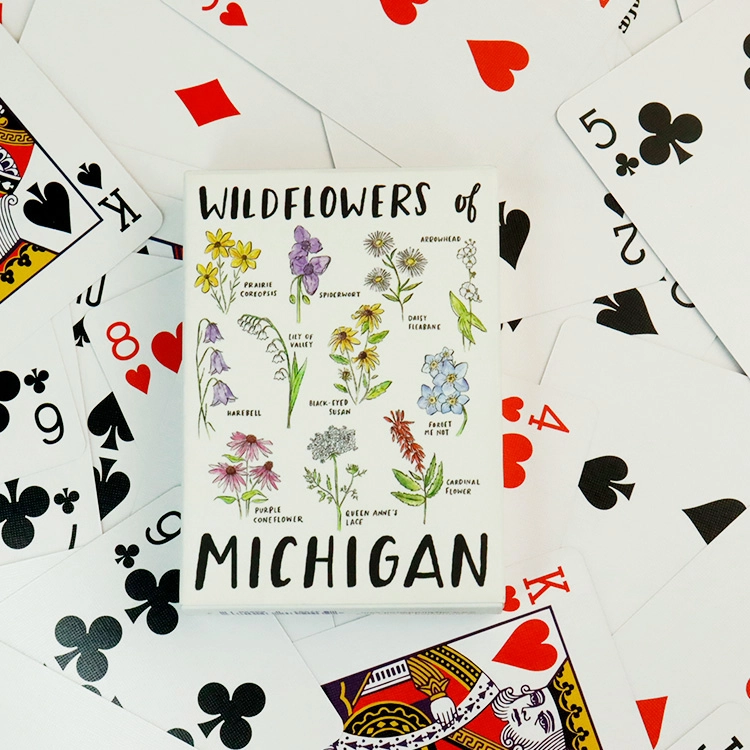
High Quality Eco-Friendly Durable Personalized Design Wildflowers Playing Cards with Custom Design Logo and Box
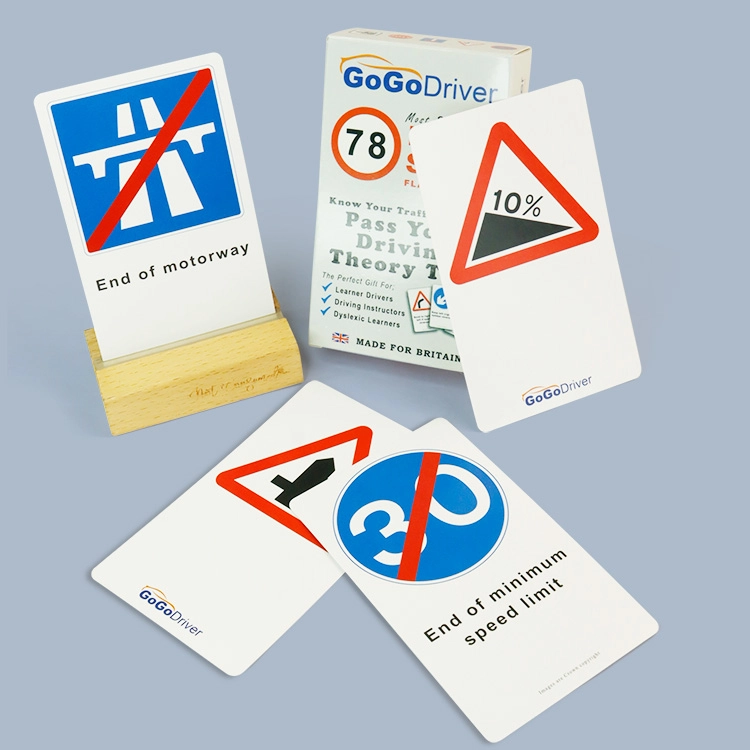
OEM Custom Driving Theory Cards | Personalized Traffic Rules & Test Prep Flashcards in Multiple Languages for Wholesale
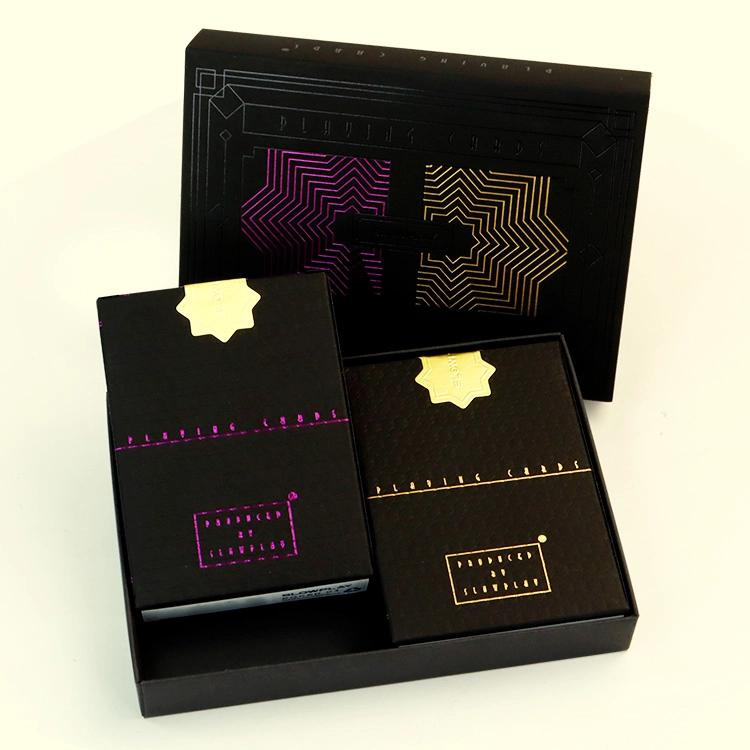
Custom Printing Luxury Two Sets Plastic Poker Playing Cards with Customized Packing