
Personalizing Learning Cards for Special Education
- Personalizing Learning Cards for Special Education
- Why custom learning cards matter in special education
- Learning goals and measurable objectives with custom learning cards
- Assessing learners before designing custom learning cards
- Collect baseline data and functional information
- Design principles for effective custom learning cards
- Keep layouts simple, consistent, and accessible
- Multisensory and multimodal options
- Types of custom learning cards and practical uses
- Common formats and instructional uses
- Materials, finishes, and production considerations for custom learning cards
- Choosing durable, safe materials
- Comparison of common materials and finishes
- Production features to request for special education custom learning cards
- Accessibility and interactivity options
- Workflow: from concept to classroom for custom learning cards
- Recommended production workflow
- Measuring outcomes and demonstrating ROI for custom learning cards
- Practical metrics to track
- Costs, lead times, and scalability — what buyers need to know
- Cost drivers and minimum order quantities
- Speed and scale with an experienced manufacturer
- How Yuhua supports special education projects
- Implementation checklist for educators and procurement teams
- Actionable steps before placing an order
- Practical classroom scenarios
- Example 1 — Building vocabulary for a non-verbal student
- Example 2 — Transition routines for a group of students with ASD
- FAQ — Personalizing custom learning cards for special education
- Q: How many cards should I order for a classroom?
- Q: Can I include Braille or tactile elements?
- Q: What is the usual lead time for custom learning cards?
- Q: Are eco-friendly materials available?
- Q: How should I pilot the cards in a classroom?
- Contact and next steps
- References
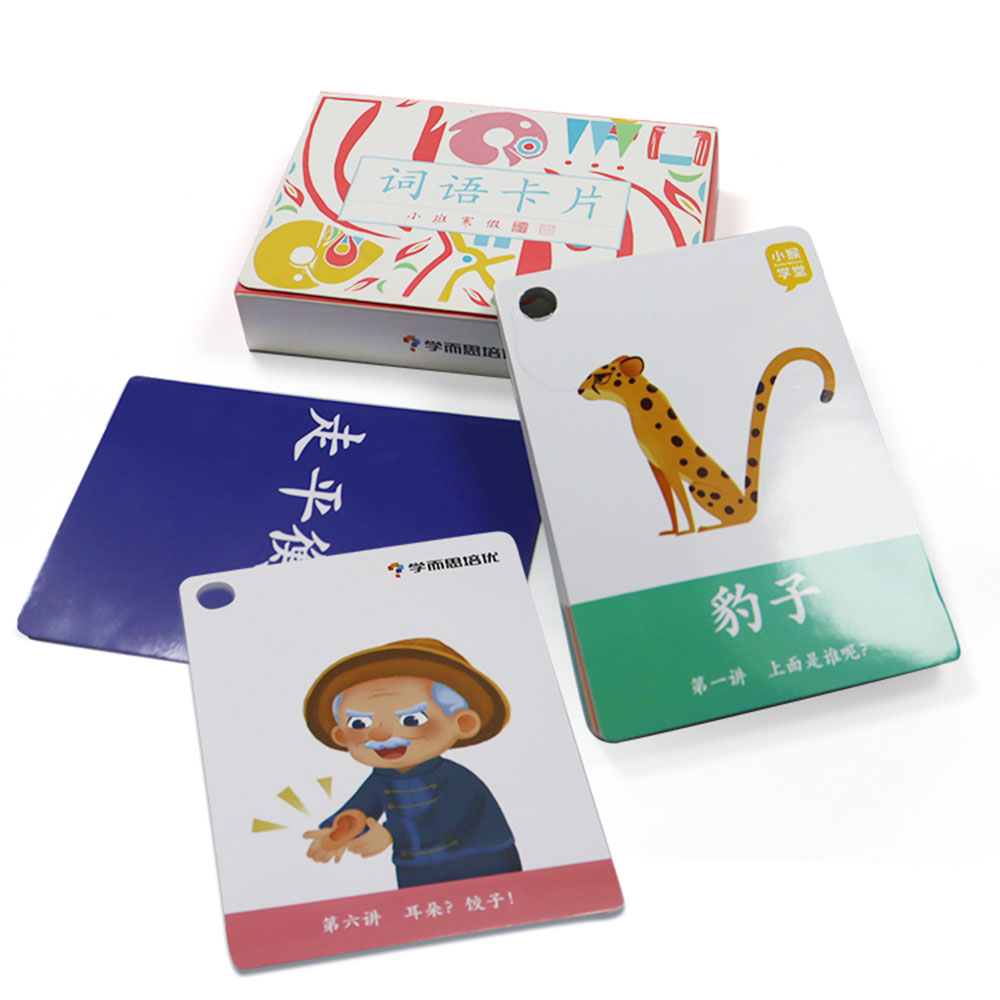
Personalizing Learning Cards for Special Education
Why custom learning cards matter in special education
Custom learning cards are a versatile, evidence-based tool for supporting learners with diverse needs—autism spectrum disorder (ASD), intellectual disabilities, language delays, and sensory impairments. Unlike off-the-shelf flashcards, custom learning cards are tailored to the pupil’s cognitive level, interests, communication mode, and therapy goals. This personalization increases relevance, reduces cognitive load, and improves engagement and retention. For teams seeking measurable progress, well-designed custom learning cards become repeatable, scalable interventions across classrooms, therapy sessions, and home environments.
Learning goals and measurable objectives with custom learning cards
Start by converting IEP goals or therapy targets into measurable objectives that cards can support. Examples:
- Expressive language: Prompt production of 15 target words across three contexts within 6 weeks.
- Social skills: Use 10 role-play scenario cards to demonstrate turn-taking in 4/5 trials.
- Academic readiness: Sequence 8 steps of a task using picture strip cards with 80% accuracy.
Defining precise objectives guides content selection, card frequency, reinforcement schedule, and assessment methods—ensuring custom learning cards serve specific instructional intent, not just general practice.
Assessing learners before designing custom learning cards
Collect baseline data and functional information
Effective personalization begins with assessment. Use IEPs, speech/language evaluations, occupational therapy reports, and classroom observations to identify:
- Preferred communication modes (verbal, PECS, sign, AAC device)
- Sensory preferences and aversions (visual contrast, textures, sound sensitivity)
- Attention span and optimal session length
- Generalization needs (home, classroom, community)
Baseline data lets you choose card complexity (single image vs. multi-step), size, and reinforcement strategy. For learners with limited literacy, rely on images, symbols, or tactile cues rather than text.
Design principles for effective custom learning cards
Keep layouts simple, consistent, and accessible
Design rules that consistently improve comprehension and usability:
- One focal item per card. Avoid clutter.
- High-contrast visuals and large, sans-serif fonts for readability.
- Color coding for categories (e.g., red for emotions, blue for actions).
- Symbols and pictograms for non-readers—use established sets like Boardmaker or Widgit where applicable.
- Include tactile cues (raised dots, textures) or Braille when needed.
These principles maximize accessibility and reduce the need for repeated clarification during instruction.
Multisensory and multimodal options
Many learners benefit from multisensory inputs. Consider producing sets that combine:
- Visual cards with matching tactile pieces (felt, magnets)
- Cards with QR codes linking to audio prompts or short video models
- Sequencing strips and manipulatives for kinesthetic learning
Providing the same content in multiple modalities supports diverse learning styles and helps generalize skills across contexts.
Types of custom learning cards and practical uses
Common formats and instructional uses
Some effective custom learning card formats include:
- Single-word or picture flashcards for vocabulary building.
- Sentence strip cards to practice syntax and sequencing.
- Social story cards illustrating scripts for greetings, complaints, or emotional regulation.
- Choice boards and communication cards for AAC systems.
- Behavior cue cards and token economy cards for reinforcement systems.
Each format should map to an intervention plan—e.g., use social story cards to rehearse a transition and token cards to reinforce compliance during that transition.
Materials, finishes, and production considerations for custom learning cards
Choosing durable, safe materials
Material selection affects cost, longevity, and sensory properties. Typical options include laminated paperboard, PVC/plastic cards, and coated recycled board. Consider:
- Durability and edge protection (lamination, rounded corners)
- Washability for clinical/hygienic settings
- Weight and flexibility for portability
- Environmental certifications (FSC®) if sustainability matters
Comparison of common materials and finishes
Below is a practical comparison to help procurement decisions.
| Material / Finish | Pros | Cons | Typical Uses |
|---|---|---|---|
| Laminated paperboard (300–400gsm) | Cost-effective, matte/gloss options, lightweight | Can delaminate if exposed to moisture; moderate durability | Flashcards, sequencing cards |
| PVC/plastic (0.3–0.5mm) | Very durable, washable, long-lasting | Higher cost, less eco-friendly (recyclable options exist) | Communication cards, field use |
| Recycled board with coating | Eco-friendly, acceptable durability | Limited color vibrancy; coating affects texture | Schools with sustainability policies |
Source: Guangdong Yuhua production and materials guidance; accessibility best practices.
Production features to request for special education custom learning cards
Accessibility and interactivity options
When briefing a manufacturer, specify features that support learners with special needs:
- Rounded corners and thick card stock to prevent curling
- Velcro or magnetic backing for mounting in classrooms and on communication boards
- Braille embossing or raised tactile elements for low-vision users
- QR codes that link to audio prompts, video demonstrations, or downloadable teacher guides
- Spot UV or matte finishes to reduce glare for sensory-sensitive learners
Workflow: from concept to classroom for custom learning cards
Recommended production workflow
A robust workflow reduces waste and improves outcomes. Typical steps:
- Consultation: Educator/therapist shares objectives, learner profile, and sample content.
- Design draft & prototyping: Low-cost prototype run (20–50 units) for classroom piloting.
- Pilot testing: Collect data on engagement, comprehension, and durability for 2–4 weeks.
- Iterate: Adjust visuals, size, or modalities based on feedback.
- Mass production: Confirm materials, finish, quantity, and delivery timeline.
- Post-delivery support: Training materials for staff and replacement policy.
Including a pilot stage is critical—what works in theory often needs minor tweaks for specific learners.
Measuring outcomes and demonstrating ROI for custom learning cards
Practical metrics to track
Measure both learning outcomes and operational metrics:
- Academic/behavioral outcomes: pre/post skill probes, percent correct, prompted vs. independent responses
- Engagement metrics: minutes on-task, number of successful trials per session
- Durability and cost metrics: card lifespan (months/years), replacement rate
Collect simple data sheets or digital logs during pilot testing. Evidence of improved independent responses or reduced support time makes purchasing decisions easier for schools and districts.
Costs, lead times, and scalability — what buyers need to know
Cost drivers and minimum order quantities
Key cost drivers include card size, material, lamination, tactile additions, and finish. Custom printing, specialized embossing (Braille), and accessories (magnetic backing, boxes) add cost. Many manufacturers set MOQs to balance tooling and setup costs—however, options exist for smaller batches through digital printing or sample runs.
Speed and scale with an experienced manufacturer
Working with an experienced card producer speeds time-to-classroom and lowers defect risk. Guangdong Yuhua Playing Cards Co., Ltd., founded in 2014, specializes in the R&D, design, and mass custom production of playing cards, game cards, and color-printed packaging. With a 6,000㎡ intelligent facility, Yuhua offers advanced, automated card production lines capable of 1,000,000+ units per month. Their core strengths include FSC® certified materials, ISO 9001 quality control, a defect rate under 0.5%, and over 20 patents. Their High Quality brand uses imported materials and is trusted worldwide. Yuhua serves global markets with custom card solutions for casinos, games, education, and more—delivering fast, high-quality results with professional support. They are committed to providing customers with high-quality and efficient playing card production services.
How Yuhua supports special education projects
Choosing a supplier with relevant certifications and production capacity matters for educational procurement. Yuhua’s capabilities allow for:
- Small prototype runs followed by rapid scaling to thousands or millions of units
- FSC® materials and ISO 9001 practices for district purchasing requirements
- Special finishes like matte, gloss, tactile embossing, and protective laminates
- OEM & ODM services: OEM Playing Card, ODM Tarot cards, custom Game cards, Learning Flash cards OEM
These strengths reduce administrative friction and ensure consistent product quality for classroom deployments.
Implementation checklist for educators and procurement teams
Actionable steps before placing an order
Use this checklist to ensure a smooth procurement and rollout:
- Define learning objectives and the target learner group.
- Specify card format, size, materials, and any tactile or accessibility needs.
- Request a prototype or small pilot run and budget for iteration.
- Confirm certifications (FSC®, ISO 9001) and defect rate guarantees.
- Plan teacher/therapist training and print usage guides.
- Set metrics for a 4–8 week pilot: engagement, accuracy gains, replacement rate.
Practical classroom scenarios
Example 1 — Building vocabulary for a non-verbal student
Create a set of 40 picture-symbol cards with tactile edges, magnetic backing for board display, and audio QR codes. Pilot for 6 weeks with daily 10-minute sessions, tracking independently initiated requests. Adjust image clarity and add contextual photos from the student’s environment if generalization is weak.
Example 2 — Transition routines for a group of students with ASD
Produce laminated sequence cards (4 steps each) with color-coded borders and a token card for reinforcement. Test during hallway transitions and refine symbol complexity based on group performance.
FAQ — Personalizing custom learning cards for special education
Q: How many cards should I order for a classroom?
A: Start with a prototype set of 25–50 cards for piloting. For a full classroom deployment, 200–500 cards typically cover vocabulary, routines, and social scenarios depending on the curriculum scope.
Q: Can I include Braille or tactile elements?
A: Yes. Discuss embossing and tactile materials during the design brief. Braille and raised textures are available but increase manufacturing complexity and cost—plan for a prototype run first.
Q: What is the usual lead time for custom learning cards?
A: Lead time depends on complexity. Prototypes: 7–21 days. Mass production: 2–6 weeks. Large or highly customized orders may take longer. Manufacturers with automated lines (like Yuhua) can reduce lead time for scaled orders.
Q: Are eco-friendly materials available?
A: Yes. FSC® certified boards and recycled coated stock are commonly available. Confirm certifications with your supplier and request material samples before final production.
Q: How should I pilot the cards in a classroom?
A: Use the cards during regular instruction for 2–6 weeks, collect simple data (accuracy, prompts needed, engagement minutes), and gather teacher feedback. Iterate on visuals or formats based on results before scaling up.
Contact and next steps
If you’re ready to develop custom learning cards tailored to your learners, request a consultation and prototype. Guangdong Yuhua Playing Cards Co., Ltd. offers OEM and ODM support for Learning Flash cards, custom Game cards, OEM Playing Card, and ODM Tarot cards with fast turnaround and professional support. Contact Yuhua for a project quote, sample pack, or to discuss accessibility features.
Call your project manager or sales team to: request a sample, upload artwork and learner profiles, and ask for a pilot order. View product options and request a quote today to start the pilot phase and bring personalized learning tools to your classroom.
References
- Centers for Disease Control and Prevention (CDC) — Data & Statistics on Autism Spectrum Disorder
- Individuals with Disabilities Education Act (IDEA) — U.S. federal special education guidance
- WebAIM — Accessibility Principles for Visual Design
- Guangdong Yuhua Playing Cards Co., Ltd. — company production and materials specifications (internal data provided by Yuhua)
Why choose Yuhua as your paper poker cards manufacturer in US
What are the different types of playing cards custom printed?
Top 10 branded playing cards Manufacturers and Supplier Brands in Saudi Arabia
Why choose Yuhua as your custom couple playing cards supplier in US
After-sales support
Can I order a sample before placing a formal order?
Yes, we can provide samples for your review. Please contact us to discuss pricing and options for samples.
About product selection
What materials do you use for your cards?
We use high-quality, durable materials to ensure the best finish and longevity for your cards. Options include standard cardstock, premium finishes, and eco-friendly materials.
What types of playing cards do you offer?
We offer a wide range of playing cards including standard decks, custom-designed decks, and specialty cards. Whether you need classic poker cards, bridge cards, or custom promotional decks, we have the options to fit your needs.
About customized services
Can I see a proof before production?
Yes! We provide digital proofs for your approval before we start production. This ensures that everything meets your expectations.
About price and payment
What payment methods do you accept?
We accept various payment methods, including credit cards, PayPal, and bank transfers. Please reach out for more details on payment options.
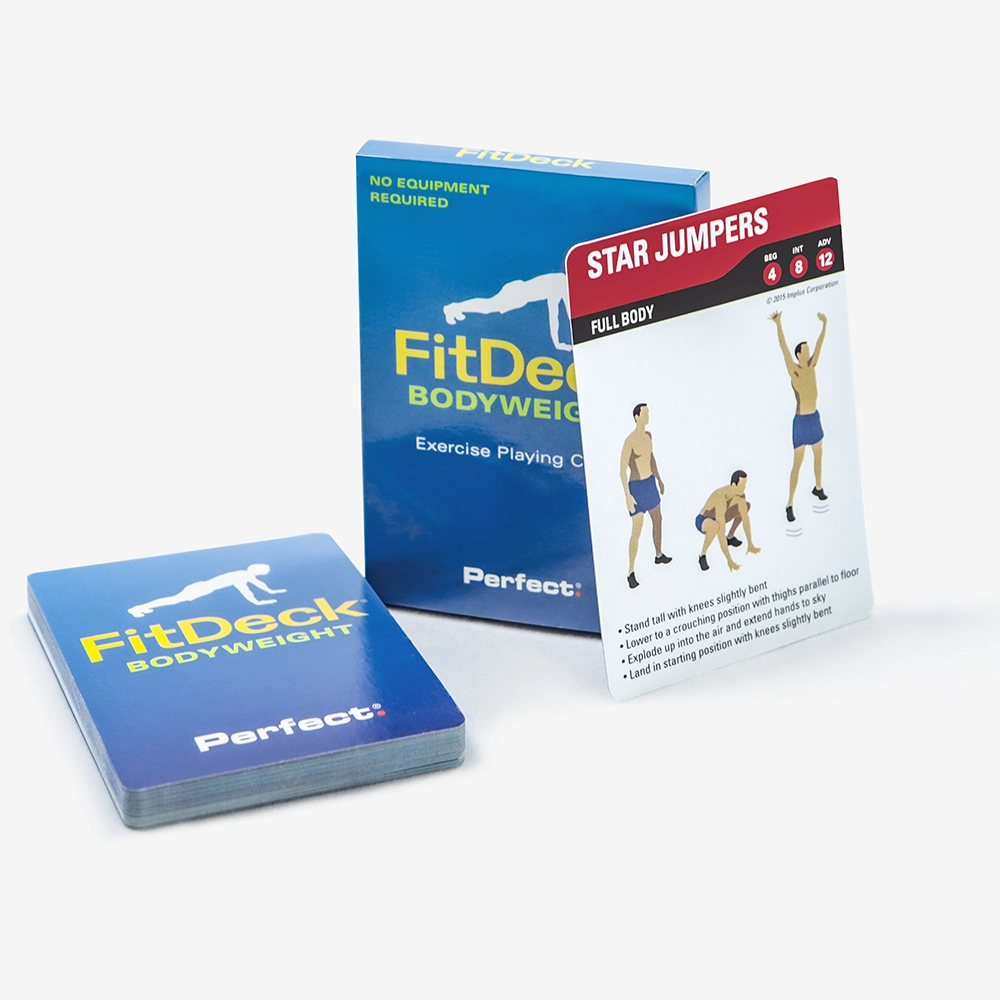
Custom Design Printing Fitness Learning Cards
The Fitness Learning Card is an innovative, beginner-friendly tool for fitness enthusiasts, featuring clear illustrations and instructions to ensure proper form and prevent injury. Organized by topics like strength training, cardio, stretching, and nutrition, it offers a systematic, easy-to-follow approach to building fitness knowledge and avoiding blind workouts.
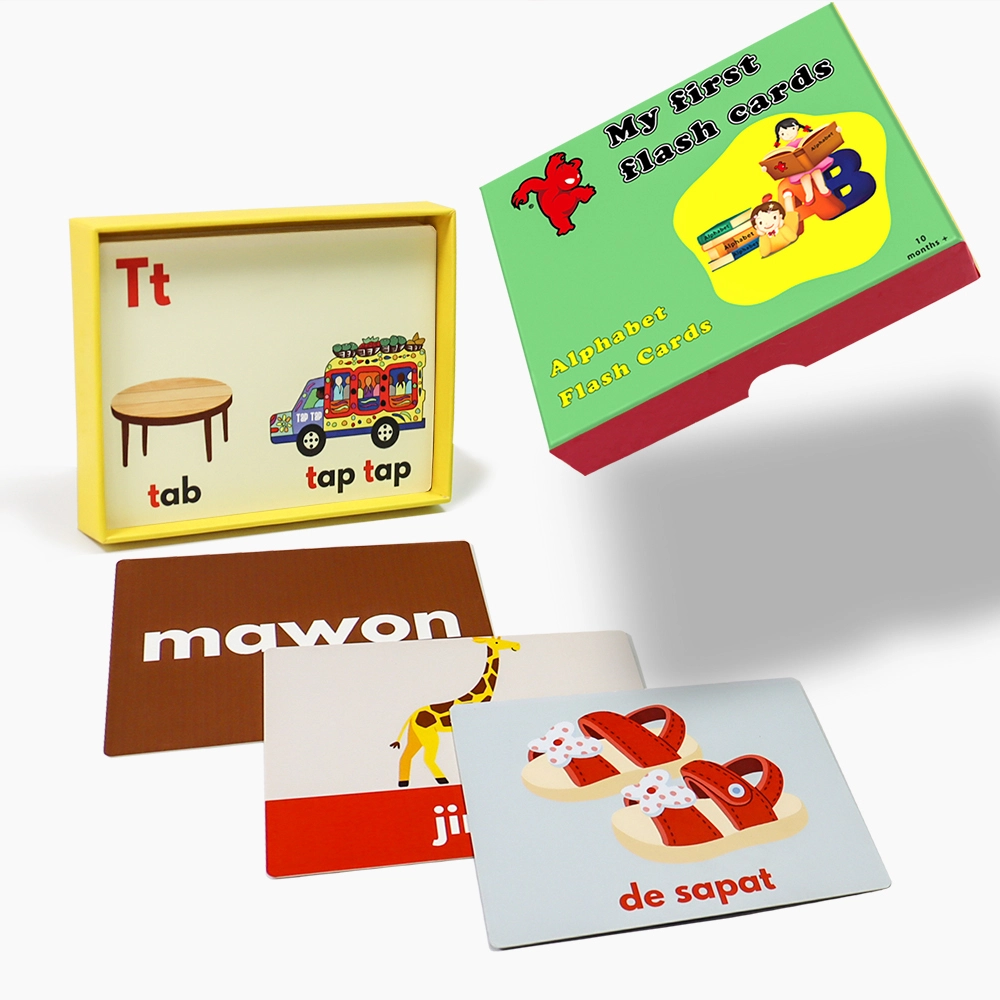
Factory Custom Printing High Quality Children's Learning Cards
Designed for preschoolers, kindergarteners, and primary school students, these cards support early cognitive development by introducing letters, numbers, colors, shapes, animals, fruits, and vehicles. Combining images and words enhances vocabulary and language skills, while games like sorting and pairing foster logical thinking and problem-solving. Repetition builds memory and focus, and the cards also encourage meaningful parent-child interaction.
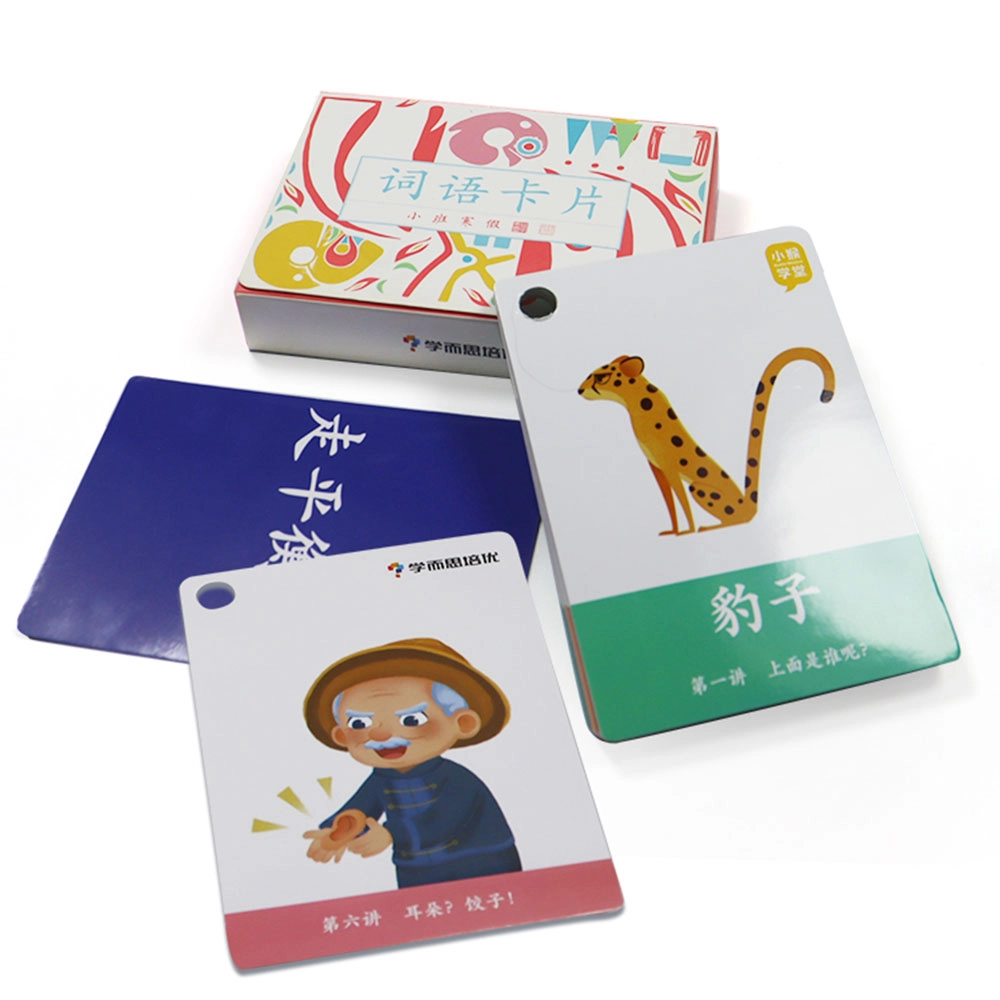
Chinese Words for Children Learning Cards
Chinese Character Learning Cards help kids ages 3-8 master basic Chinese characters through fun illustrations, pinyin, example words, and sentences. Designed for early learners, it builds language skills in an engaging way.
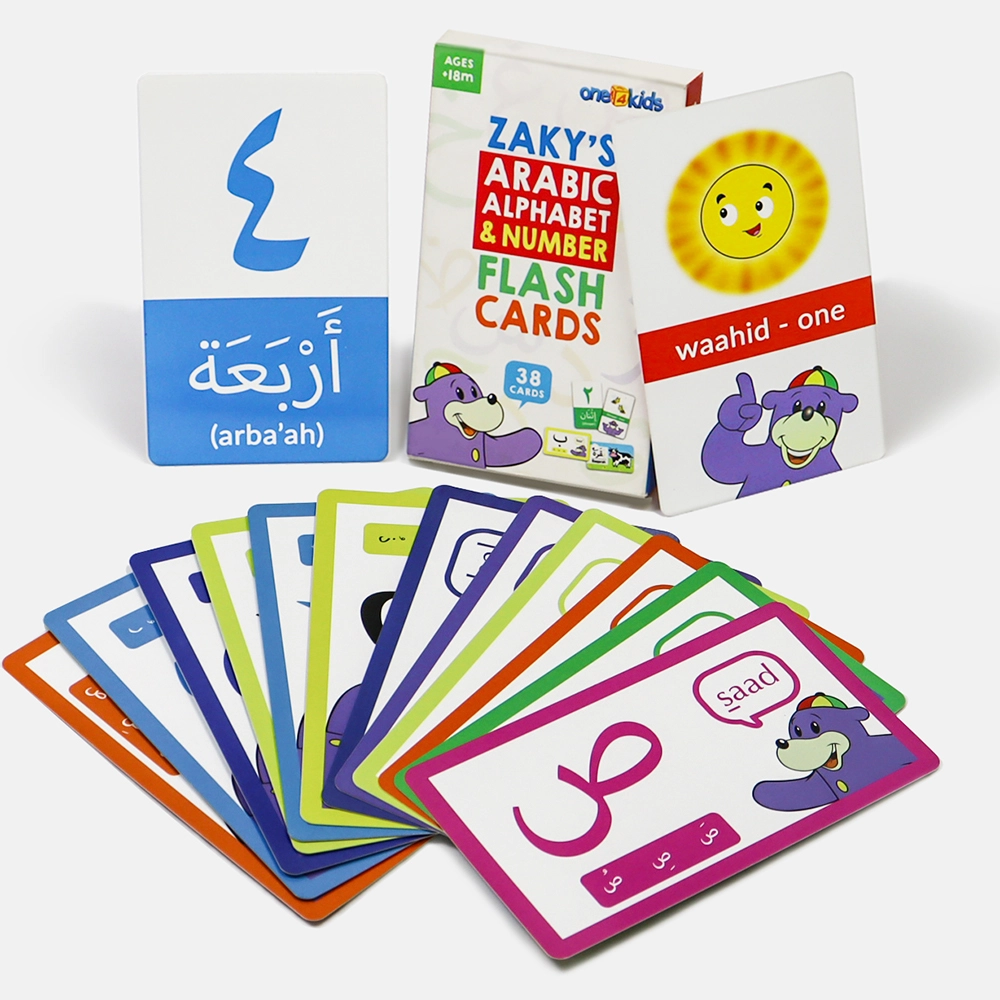
Custom Design Printing Font Stroke Learning Cards
These learning cards feature rich content across various topics, making them suitable for children of different ages. Bright colors and cute patterns engage young learners, while eco-friendly, non-toxic materials and rounded corners ensure safety. Thoughtfully sized for little hands, the cards can be used alone or paired with a reading pen or app for added fun and interactivity.
bbilaser
sq_AL