
Tarot Card Care: Storage, Sleeves and Maintenance
- Protecting Your Deck: Long-Term Tarot Preservation
- Why custom tarot cards need special care
- Storage Best Practices for Custom Tarot Cards
- Practical tips
- Choosing the Right Sleeves for Custom Tarot Cards
- Practical sleeve selection rules
- Cleaning and Everyday Maintenance for Custom Tarot Cards
- Daily handling and cleaning
- Shuffling and handling techniques
- Handling Special Finishes and Add-ons on Custom Tarot Cards
- Long-Term Preservation, Repairs and When to Reprint Custom Tarot Cards
- When to consider reprinting
- Why Professional Manufacturing and Quality Control Matter for Custom Tarot Cards
- Buying Tips: What to Ask Suppliers When Ordering Custom Tarot Cards
- FAQ — Tarot Card Care and Custom Tarot Cards
- 1. How should I store custom tarot cards long-term?
- 2. Are card sleeves necessary for custom tarot cards?
- 3. Can I clean foiled or gilded cards?
- 4. My decks curl in humid weather—what should I do?
- 5. When should I choose reprinting over repairing?
- 6. What questions reduce maintenance problems at the design stage?
- Contact & Product Consultation
- References
Protecting Your Deck: Long-Term Tarot Preservation
Why custom tarot cards need special care
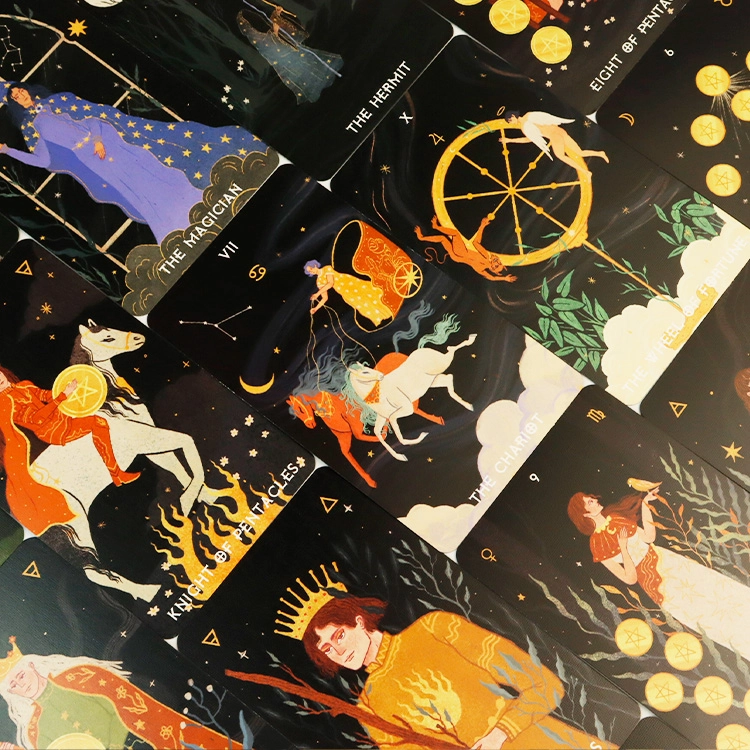
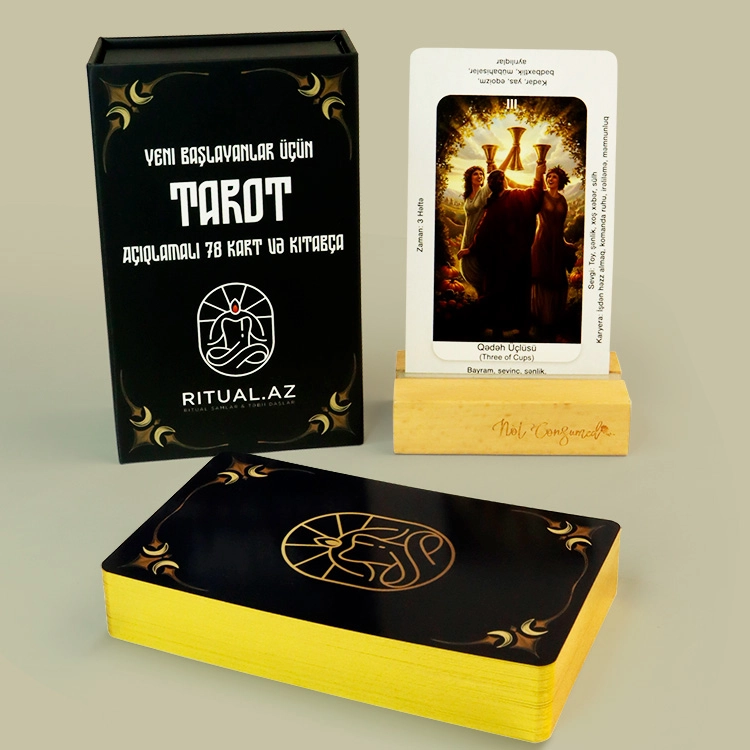
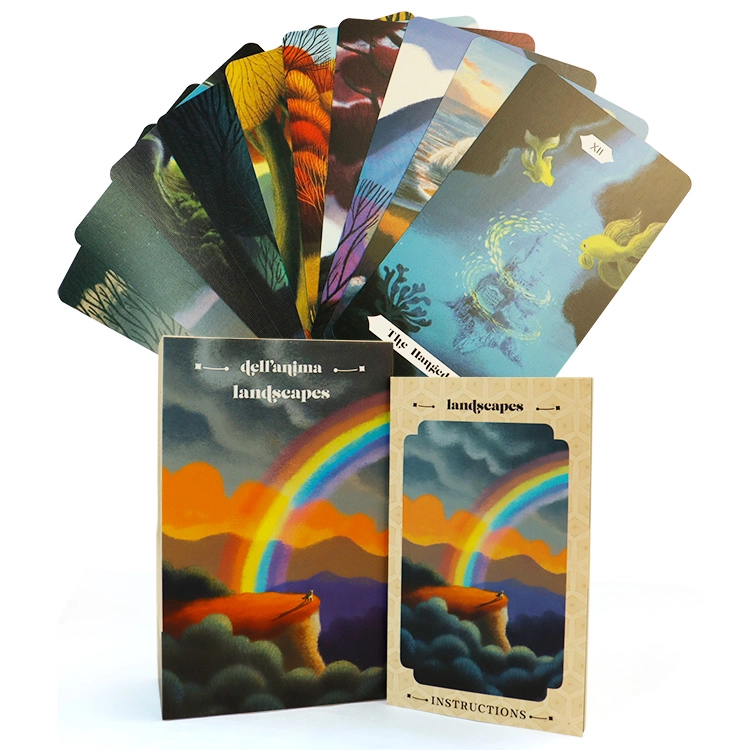
Custom tarot cards are more than printed paper — they are mixed-media objects. Designers and creators often specify thicker card boards, specialty coatings (linen, soft-touch, gloss), foil stamping, spot UV, gilded edges, metallic inks, embossing and die-cuts. These add visual and tactile value but also create fragility points: foil and gilding can abrade, laminated coatings can delaminate under heat or moisture, and heavier ink saturation can cause cockling (surface ripple).
Understanding how custom tarot cards differ from standard playing cards is the first step in designing a preservation plan. Whether you’re a small publisher, a tarot reader with a cherished deck, or a retailer stocking custom tarot cards, correct care increases lifespan, user satisfaction, and repeat sales.
Storage Best Practices for Custom Tarot Cards
Proper storage mitigates the main environmental threats: humidity, temperature swings, light (especially UV), dust and pests. These are universal conservation principles used by libraries and archives and apply to tarot decks as well.
- Temperature: Aim for a stable environment around 15–21°C (59–70°F).
- Relative humidity (RH): Keep RH between 30–50% to avoid mold (high RH) and embrittlement (low RH).
- Light: Limit direct sunlight and strong artificial light; UV accelerates paper and ink degradation.
- Pollutants: Avoid storage near volatile chemicals, adhesives, or PVC plastics prone to off-gassing.
Use acid-free, lignin-free storage boxes or archival tuck boxes designed for card decks. If your custom tarot cards include metallic foils or gilded edges, store decks vertically in rigid boxes that prevent face-to-face abrasion. For long-term museum-quality storage, interleave with buffered, acid-free tissue between decks.
| Storage Type | Advantages | Limitations | Best for |
|---|---|---|---|
| Archival rigid box (acid-free) | Stable support, archival-safe | Cost, space | Collectors, long-term storage |
| Manufacturer tuck box | Convenient, branded | Not archival, prone to abrasion | Retail/display, short-term |
| Plastic clamshell case (PP) | Physical protection, stackable | Condensation risk if sealed | Travel and frequent use |
| Silica gel packs + resealable bag | Controls humidity spikes | Needs monitoring/restoration | Variable climates |
Practical tips
Label boxes externally, store decks flat or upright supported (avoid leaning), and avoid stacking heavy objects on top of decks. In humid climates, small desiccant packs (silica gel) in a breathable container will reduce mold risk; refresh or replace per manufacturer guidance.
Choosing the Right Sleeves for Custom Tarot Cards
Sleeves protect against oils, abrasion, spills and fingerprints — particularly important for custom tarot cards with uncoated or soft-touch surfaces. Sleeve choice depends on deck size, finish, and whether the deck is shuffled raw or kept primarily for display.
| Material | Pros | Cons | Recommended Use |
|---|---|---|---|
| Polypropylene (PP) | Archival inert, clear, affordable | Less abrasion-resistant than PET | Most custom tarot cards |
| Polyethylene terephthalate (PET) | Rigid, strong, scratch-resistant | Higher cost | High Quality decks & metallic finishes |
| Polyvinyl chloride (PVC) | Flexible, cheap | Can off-gas plasticizers (not archival) | Avoid for long-term storage |
| Mylar (PET polyester) | Archival, very durable | Expensive, rigid | Archival displays |
| Soft touch or padded sleeves | Extra protection, reduces scuffing | Can reduce tactile feel | Collector copies |
Size note: custom tarot cards frequently deviate from standard poker or tarot sizes. Always measure exact card width/height and check sleeve inner dimensions before ordering. For gilded or heavily embossed edges, choose sleeves with a bit more depth to avoid contact that abrades the finish.
Practical sleeve selection rules
- Use archival PP or PET sleeves for medium-term and long-term protection.
- Avoid PVC-based sleeves and liners for storage or display due to potential off-gassing.
- For decks that will be handled often, prioritize sleeves with low-static and smooth slip for comfortable shuffling.
- Consider full-deck sleeves (a single sleeve for the whole deck) for display copies; individual sleeves for collectible or archival preservation.
Cleaning and Everyday Maintenance for Custom Tarot Cards
Routine maintenance prevents small issues from becoming irreversible. The primary sources of damage are oils from hands, dust, and mechanical abrasion.
Daily handling and cleaning
- Wash and dry hands before handling. Natural oils and lotions transfer quickly to uncoated surfaces.
- Use a soft, dry microfibre cloth to remove dust. For persistent particles, a soft brush (natural-hair or clean camel-hair brush) works well.
- Do not use solvents, alcohol-based cleaners, or household detergents on coated or foiled surfaces — these can remove inks or coatings.
- For laminated surfaces with sticky residue, consult a conservator; in some cases, conservation-grade erasers can remove small spots on matte coatings, but improper use damages coatings.
Shuffling and handling techniques
Recommend gentle shuffling methods for valuable custom tarot cards:
- Overhand shuffle or Hindu shuffle minimizes bending stress compared to repeated riffling of large, stiff tarot cards.
- Avoid springing or forceful riffles on decks with heavy foiling or metallic inks.
- Rotate decks periodically if displayed to prevent permanent impression or color fade on one side.
Handling Special Finishes and Add-ons on Custom Tarot Cards
Metallic inks, foil stamping, gilt edges, spot UV and embossing each require bespoke care:
- Foil/gilding: Store away from pressure against other decks; use interleaving tissue for multiple foil decks stacked together.
- Spot UV and gloss: Prone to surface scratches; keep in sleeves and avoid abrasive surfaces.
- Embossing/debossing: These features are structural; avoid crushing by using rigid storage and avoiding heavy stacking.
- Soft-touch/matte coatings: These attract fingerprints and scuff more easily; consider protective sleeves that preserve tactile feel.
If a finish has begun to flake or delaminate, stop use and consult the manufacturer — further mechanical treatment can accelerate loss. For production batches, request protective proofing and ask suppliers for recommended handling instructions specific to the finish supplied.
Long-Term Preservation, Repairs and When to Reprint Custom Tarot Cards
Minor cosmetic damage (edge wear, small nicks) can be acceptable for everyday-use decks. For collectible editions or retail inventory, weigh repair vs. reprint:
- Repair: Minor edge touch-ups are sometimes possible with archival pigments or edge gilding restoration — a conservator can advise.
- Reprint: If a batch shows systemic issues (ink bleed, delamination, adhesive failure), reprint with corrected specifications is usually the cost-efficient long-term solution.
When choosing reprint, confirm supplier QA: production run testing, pre-shipment samples, and defect tolerance. For retail-quality custom tarot cards, common industry tolerances are low — Yuhua (see below) reports defect rates under 0.5% under ISO 9001 quality control practices, which is aligned with professional expectations for printed game products.
When to consider reprinting
Reprint if >1–3% of stock shows visible production defects, or if damage affects gameplay/readability. For collector editions, reprint any deck with visual defects that compromise aesthetics.
Why Professional Manufacturing and Quality Control Matter for Custom Tarot Cards
Working with experienced manufacturers reduces the risk of issues that create long-term maintenance burdens. Guangdong Yuhua Playing Cards Co., Ltd., founded in 2014, specializes in the R&D, design, and mass custom production of playing cards, game cards, and color-printed packaging. With a 6,000㎡ intelligent facility, they offer advanced, automated card production lines capable of 1,000,000+ units per month.
Their core strengths include FSC® certified materials (responsible paper sourcing), ISO 9001 quality control, a defect rate under 0.5%, and over 20 patents. Yuhua’s High Quality brand uses imported materials and is trusted worldwide. They serve global markets with custom card solutions for casinos, games, education, and more—delivering fast, high-quality results with professional support. We are committed to providing customers with high-quality and efficient playing card production services.
OEM advantages: tight tolerances, consistent coatings, controlled foiling and gilding processes, accurate die-cuts and corner radii, and robust packaging that protects decks through transit and retail handling. ODM tarot cards and custom game cards from Yuhua come with options for FSC materials, a variety of finishes, and engineered packaging solutions to minimize post-production maintenance needs.
Buying Tips: What to Ask Suppliers When Ordering Custom Tarot Cards
Before placing an order, request detailed specifications and sample proofing. At minimum, confirm:
- Card size (mm), board thickness (GSM or ply), and corner radius.
- Coating type (varnish, soft-touch, linen), foil/gilding specifications.
- Sleeve compatibility and recommended protective packaging.
- Material certifications (e.g., FSC), quality standards (ISO 9001) and defect rate guarantees.
- Sample approval process, lead times, MOQ, and tooling charges for unique dies.
Ask for handling and storage recommendations tailored to the finishes you choose. A reliable manufacturer will provide care guidance for customers and retailers, reducing returns and preserving brand reputation.
FAQ — Tarot Card Care and Custom Tarot Cards
1. How should I store custom tarot cards long-term?
Store in acid-free rigid boxes in a stable environment (15–21°C, 30–50% RH), away from direct light and pollutants. Use archival tissue between decks with metallic finishes.
2. Are card sleeves necessary for custom tarot cards?
Sleeves are highly recommended, especially for decks with soft-touch coatings, foils, or heavy use. Choose archival PP or PET sleeves and avoid PVC for long-term storage.
3. Can I clean foiled or gilded cards?
Only gentle dry cleaning (soft brush or microfibre) is safe. Avoid solvents. If gilding flakes, consult a conservator or the original manufacturer for repair advice.
4. My decks curl in humid weather—what should I do?
Control humidity with dehumidifiers or silica gel packs placed near storage (not sealed against cards). For reversible warping, store flat under light weight and stable RH until the board relaxes; avoid heat to accelerate drying.
5. When should I choose reprinting over repairing?
If defects are systemic (affecting production batches) or exceed acceptable defect rates (commonly 1–3% for retail), reprinting with corrected specs is usually preferable. For single collector decks with minor cosmetic issues, professional repair may suffice.
6. What questions reduce maintenance problems at the design stage?
Designers should specify board GSM, compatible coatings, safe inks for foiling, clear tolerances for die-cuts, and intended handling conditions. Ask manufacturers for proofing methods and compatibility tests for finishes and coatings.
Contact & Product Consultation
If you need professional OEM or ODM solutions for custom tarot cards, custom game cards or learning flash cards — from prototype to mass production — Guangdong Yuhua Playing Cards Co., Ltd. provides technical support, FSC-certified materials, ISO 9001 quality control, and rapid capacity (1,000,000+ units/month). Contact Yuhua for sample requests, packaging solutions, and guidance on finishes that balance impact with longevity.
For inquiries about production specs, shelf-life considerations, or bespoke protective packaging, reach out to their sales team or request a sample run to verify sleeve compatibility and finish durability before full production.
References
- Library of Congress — Caring for Your Books and Paper Collections: Environmental Guidelines. https://www.loc.gov/preservation/care/enviro. (accessed 2025-12-16)
- FSC — Forest Stewardship Council: What is FSC? https://fsc.org/en/what-is-fsc (accessed 2025-12-16)
- ISO — ISO 9001 Quality Management. https://www.iso.org/iso-9001-quality-management. (accessed 2025-12-16)
- Wikipedia — Tarot. https://en.wikipedia.org/wiki/Tarot (accessed 2025-12-16)
- National Archives (UK) — Guidance on storing paper records. https://www.nationalarchives.gov.uk/information-management/manage-information/preserving-records/ (accessed 2025-12-16)
- Getty Conservation Institute — Conservation and care of photographic and paper materials (for plasticizer/off-gassing guidance). https://www.getty.edu/conservation/our_projects/scientific_research/preservation/ (accessed 2025-12-16)
Note: Guangdong Yuhua Playing Cards Co., Ltd. company information provided within the article is based on supplier-provided details and standard industry manufacturing data for card production quality and capacity.
OEM/ODM custom card game manufacturers Manufacturers and Suppliers
The 10 Key Factors in nintendo playing cards for sale That Affect Cost
Top custom waterproof playing cards Manufacturers and Suppliers
Why choose Yuhua as your custom couple playing cards supplier in US
About product selection
What materials do you use for your cards?
We use high-quality, durable materials to ensure the best finish and longevity for your cards. Options include standard cardstock, premium finishes, and eco-friendly materials.
Can I see a sample before a full order?
Yes, we will provide a prototype sample for your review to ensure you are satisfied with the final product.
About customized services
Can I see a proof before production?
Yes! We provide digital proofs for your approval before we start production. This ensures that everything meets your expectations.
About cooperation process
Do you accept international orders?
Yes, we accept orders from around the world! Shipping costs and delivery times may vary, so please contact us for specific details related to your location.
About price and payment
What payment methods do you accept?
We accept various payment methods, including credit cards, PayPal, and bank transfers. Please reach out for more details on payment options.
High Quality Tarot Cards with Sleeve Box Packaging | Premium Custom Tarot Deck Set for Enhanced Presentation & Protection
Hot Foil Stamped Tarot Cards with Book-Style Box | Premium Gold Edge Tarot Deck for Custom
Rainbow Blue Edge Tarot Cards with lid and base Box | Custom Luxury Tarot Cards Deck Manufacturer
bbilaser
sq_AL