
The 10 Key Factors in nintendo playing cards for sale That Affect Cost
- Unlocking the Value: What Drives the Cost of Nintendo Playing Cards for Sale?
- 1. Rarity and Collectibility: The Scarcity High Quality
- 2. Condition and Grading: Pristine Equals High Quality
- 3. Licensing and Branding: The Nintendo Seal of Authenticity
- 4. Production Materials: The Foundation of Quality
- 5. Printing Technology and Quality: Precision and Vibrancy
- 6. Customization and Special Features: Beyond the Standard Deck
- 7. Deck Size and Packaging: Presentation Matters
- 8. Design Complexity and Artwork: The Artist's Touch
- 9. Manufacturer Reputation and Quality Control: Assurance of Excellence
- 10. Market Demand and Supply: The Economic Tug-of-War
- Summary of Cost Factors for Nintendo Playing Cards
- Conclusion: Making Informed Choices for Your Playing Card Needs
- FAQs About Nintendo Playing Cards and Their Cost
Unlocking the Value: What Drives the Cost of Nintendo Playing Cards for Sale?
For decades, Nintendo has captivated hearts worldwide, not just with its iconic video games but also through a diverse range of merchandise. Among the most cherished items are Nintendo playing cards, which can range from affordable, mass-produced decks to highly sought-after collector's items. If you've ever browsed for nintendo playing cards for sale and wondered why prices vary so wildly, you're not alone. Understanding the underlying factors that contribute to these costs is crucial for collectors, casual buyers, and even businesses looking into custom card manufacturing. Here at Guangdong Yuhua Playing Cards Co., Ltd., with our deep expertise in R&D, design, and production of high-quality playing and game cards, we know precisely what goes into valuing a deck. Let’s delve into the 10 key factors that affect the cost of these beloved cards.
1. Rarity and Collectibility: The Scarcity High Quality
One of the most significant drivers of cost for any collectible item, including nintendo playing cards for sale, is its rarity. Limited edition releases, promotional decks issued for specific events (like game launches or anniversaries), or regional exclusives instantly command higher prices. Historical significance also plays a role; vintage Nintendo decks from earlier eras, especially those in excellent condition, are often highly coveted. For instance, early Hanafuda cards produced by Nintendo pre-video game era are legendary for their rarity and value. Scarcity creates demand, and demand drives up the price.
2. Condition and Grading: Pristine Equals High Quality
The physical condition of playing cards profoundly impacts their value. A mint, unopened, factory-sealed deck will always be worth significantly more than a used, creased, or damaged one. Collectors often seek professional grading services (similar to comic books or sports cards) to authenticate and assess the condition of rare decks. Cards graded as Gem Mint (e.g., PSA 10 or equivalent) can see their value multiply exponentially. Even slight imperfections like bent corners, faded colors, or scuff marks can drastically reduce the market price.
3. Licensing and Branding: The Nintendo Seal of Authenticity
The mere presence of the Nintendo brand is a powerful cost factor. Officially licensed Nintendo playing cards carry the weight of intellectual property, meaning the manufacturer has paid licensing fees to Nintendo to use their characters, logos, and artwork. These fees are passed on to the consumer. Unlicensed or counterfeit cards, while sometimes cheaper, lack the authenticity and often the quality of official products, and typically hold no collector's value. When you see nintendo playing cards for sale with official branding, you’re paying for the assurance of authenticity and often, superior production standards.
4. Production Materials: The Foundation of Quality
The quality of the materials used in card production directly influences both durability and feel, and thus, cost. High Quality playing cards, like those produced by Guangdong Yuhua, often use high-grade card stock (e.g., 300-350gsm black core paper), which offers superior snap, shuffle feel, and longevity compared to standard paper stock. Coatings (like aqueous, UV, or linen finishes) also add to the material cost but enhance durability and aesthetics. Environmentally conscious materials, such as FSC® certified paper used by Yuhua, may also influence cost but reflect a commitment to sustainability.
| Material Type | Impact on Cost | Benefits |
|---|---|---|
| Standard Paper (270-280gsm) | Low | Economical, suitable for basic use |
| Blue/Grey Core Paper (280-300gsm) | Medium | Better opacity, moderate durability |
| Black Core Paper (300-350gsm) | High | Superior opacity, snap, durability, High Quality feel (Yuhua standard) |
| Plastic (PVC/PET) | Very High | Waterproof, extreme durability, ideal for casinos |
5. Printing Technology and Quality: Precision and Vibrancy
The sophistication of the printing process significantly affects cost and the final look of the nintendo playing cards for sale. Advanced printing technologies, such as those utilized in Guangdong Yuhua's 6,000㎡ intelligent facility, ensure vibrant colors, sharp details, and consistent quality across millions of units. Techniques like offset printing offer superior color accuracy and detail for large runs, while digital printing is cost-effective for smaller, customized batches. The number of colors used, special inks (metallic, fluorescent), and the precision of the cut all contribute to production expenses and, ly, the final price.
6. Customization and Special Features: Beyond the Standard Deck
Custom elements can elevate a standard deck into a High Quality collectible. Features like embossing, debossing, foil stamping, spot UV, unique die-cuts, or even custom shapes for the cards themselves add considerable cost. These specialized processes require additional setup time, materials, and skilled labor. A custom-designed tuck box with intricate artwork and special finishes will naturally be more expensive than a simple, mass-produced cardboard box. Yuhua specializes in such custom solutions, understanding that unique touches create exceptional value.
7. Deck Size and Packaging: Presentation Matters
While most playing cards come in a standard 52-card + jokers configuration, some Nintendo-themed decks might include extra cards for unique games, promotional purposes, or simply as collector's bonuses. The type and complexity of the packaging also play a crucial role. A simple cellophane wrap is cheap, but a custom-designed, robust tuck box, a tin case, or an elaborate presentation box with magnetic closures and intricate inserts will add significantly to the overall cost. For nintendo playing cards for sale meant for collectors, High Quality packaging is often part of the allure.
8. Design Complexity and Artwork: The Artist's Touch
The quality and originality of the artwork are paramount. If a deck features unique, highly detailed illustrations of beloved Nintendo characters, the design fees for illustrators and graphic designers can be substantial. Licensing existing character art is one thing, but commissioning bespoke art for every card face and back, as well as the tuck box, incurs significant creative costs. The intellectual property and artistic talent behind the designs contribute directly to the perceived value and actual cost of the cards.
9. Manufacturer Reputation and Quality Control: Assurance of Excellence
The reputation of the manufacturer and their commitment to quality control are invisible but crucial cost factors. Companies like Guangdong Yuhua, with ISO 9001 certification and a reported defect rate under 0.5%, invest heavily in robust quality assurance processes. This includes rigorous material selection, consistent printing, precise cutting, and thorough inspection. While these processes add to production costs, they ensure a consistently high-quality product, minimizing errors and maximizing customer satisfaction. Buyers are often willing to pay more for nintendo playing cards for sale produced by reputable manufacturers known for their reliability and adherence to standards.
10. Market Demand and Supply: The Economic Tug-of-War
Basic economic principles heavily influence pricing. High demand for a particular Nintendo-themed deck, coupled with limited supply, will inevitably drive up its cost. Conversely, if a deck is widely available and demand is low, prices will drop. Factors like seasonal trends, viral popularity of a new Nintendo game, or even news about a character can cause market fluctuations. The collector's market, in particular, is highly sensitive to these dynamics.
Summary of Cost Factors for Nintendo Playing Cards
To give you a clearer overview, here's a summary of the key factors that influence the cost of nintendo playing cards for sale:
| Factor | Description | Impact on Cost |
|---|---|---|
| Rarity & Collectibility | Limited editions, historical significance, promotional items. | High |
| Condition & Grading | Pristine, professionally graded cards vs. damaged ones. | High |
| Licensing & Branding | Official Nintendo licensing vs. unofficial products. | High |
| Production Materials | Card stock quality (black core, plastic), finishes, coatings. | Medium to High |
| Printing Technology | Advanced offset vs. digital, special inks, precision. | Medium to High |
| Customization & Features | Embossing, foil, unique cuts, special designs. | High |
| Deck Size & Packaging | Number of cards, complexity of tuck box or case. | Medium |
| Design & Artwork | Original art, design complexity, artist fees. | Medium to High |
| Manufacturer Reputation | Quality control, certifications (ISO 9001), defect rate. | Medium |
| Market Demand & Supply | Hype, seasonality, collector interest. | High |
Conclusion: Making Informed Choices for Your Playing Card Needs
Understanding these 10 key factors is essential whether you're a collector seeking a rare Nintendo gem, a casual buyer looking for an affordable deck, or a business considering custom playing card production. The perceived value and actual cost of nintendo playing cards for sale are a complex interplay of art, materials, manufacturing excellence, and market dynamics.
At Guangdong Yuhua Playing Cards Co., Ltd., we apply these very principles to every custom playing card, game card, and color-printed packaging project we undertake. Our commitment to FSC® certified materials, ISO 9001 quality control, advanced automated production, and a defect rate under 0.5% ensures that our clients receive products that embody exceptional quality and value. We empower businesses to create custom card solutions that meet their specific needs, understanding that every detail contributes to the final product's appeal and cost-effectiveness. Whether for casinos, games, education, or promotional purposes, knowing these factors helps you make an informed decision and appreciate the intricate craftsmanship behind every deck.
FAQs About Nintendo Playing Cards and Their Cost
Q: Are all Nintendo playing cards expensive?A: No, not all Nintendo playing cards are expensive. While rare, vintage, or limited-edition decks can command high prices, many standard Nintendo-themed decks are mass-produced and sold at accessible prices, similar to regular playing cards.
Q: How can I tell if a Nintendo playing card deck is genuine?A: Look for official Nintendo licensing logos on the packaging and cards. Check for high-quality printing, consistent colors, and High Quality card stock. Counterfeit cards often have blurry images, poor material quality, and lack official branding.
Q: Does the manufacturer affect the value of nintendo playing cards for sale?A: Absolutely. Reputable manufacturers with stringent quality control standards (like Guangdong Yuhua Playing Cards Co., Ltd.) ensure consistent quality, durability, and authenticity, which can enhance a deck's value, especially for collectors.
Q: What is the most expensive Nintendo playing card deck ever sold?A: It's difficult to pinpoint one definitive most expensive deck, as private sales are common. However, rare, mint-condition, early-era Nintendo Hanafuda decks or extremely limited promotional decks can fetch thousands, or even tens of thousands, of dollars at auction.
Q: Can I get custom Nintendo-themed playing cards made?A: Producing custom Nintendo-themed playing cards for commercial sale typically requires official licensing from Nintendo due to intellectual property rights. However, for personal use or licensed promotional events, companies like Guangdong Yuhua Playing Cards Co., Ltd. can create high-quality custom playing cards with your own designs and themes, applying the same manufacturing excellence.
Q: What certifications should I look for in a playing card manufacturer?A: Key certifications include FSC® (Forest Stewardship Council) for sustainable materials and ISO 9001 for quality management systems. These indicate a commitment to both environmental responsibility and high production standards.
Sources:
- Industry standards and practices in playing card manufacturing.
- General principles of collectibles valuation and market economics.
- Publicly available information on intellectual property and licensing in the consumer goods sector.
- Guangdong Yuhua Playing Cards Co., Ltd.'s internal expertise and quality control standards.
How to start the poker cards custom business ?
Tips for buy card game manufacturers usa
Packaging Ideas for Custom Playing Card Decks
How to Choose the custom branded playing cards manufacturer and supplier in Germany?
About customized services
What is the minimum order quantity?
We do not have a strict minimum order quantity. Since we are a custom offset printing company, we recommend a minimum order of 500 sets, as the material costs are the same, but the printing setup costs are higher.
However, if your order quantity is less than 300 sets, our sales team will usually work with customers to help customers find the most competitive options.
About price and payment
How can I get a quote?
Getting a quote is easy! Simply fill out our contact form or call us directly with your project details, and we’ll get back to you with a tailored quote promptly.
About cooperation process
How do you ensure the quality of your cards?
We implement strict quality control measures at every stage of production. Our team conducts thorough inspections to ensure each card meets our high standards before shipping.
After-sales support
Can I order a sample before placing a formal order?
Yes, we can provide samples for your review. Please contact us to discuss pricing and options for samples.
About product selection
Is there a design template I can use?
Yes, we provide design templates for different card types. You can download them from our website or request them directly from our team.
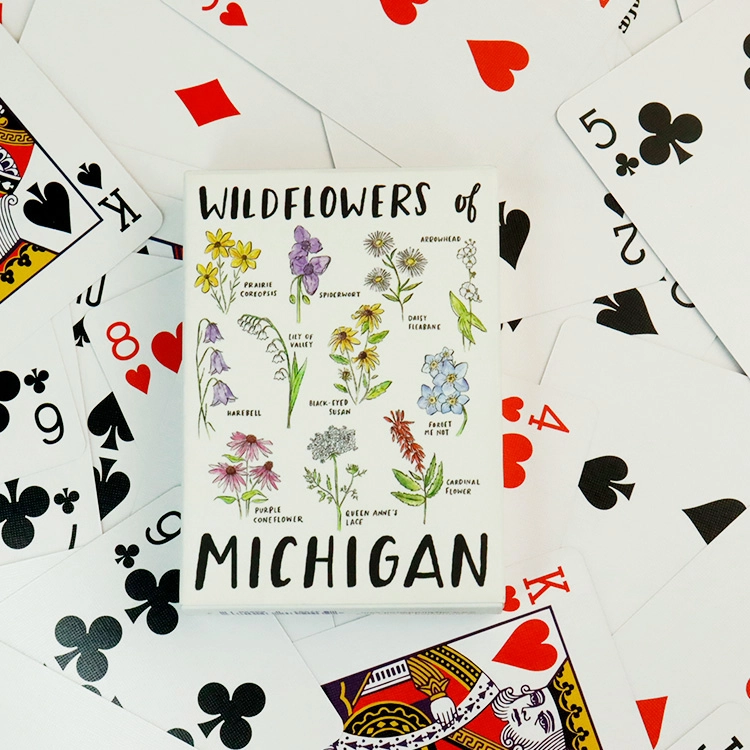
High Quality Eco-Friendly Durable Personalized Design Wildflowers Playing Cards with Custom Design Logo and Box
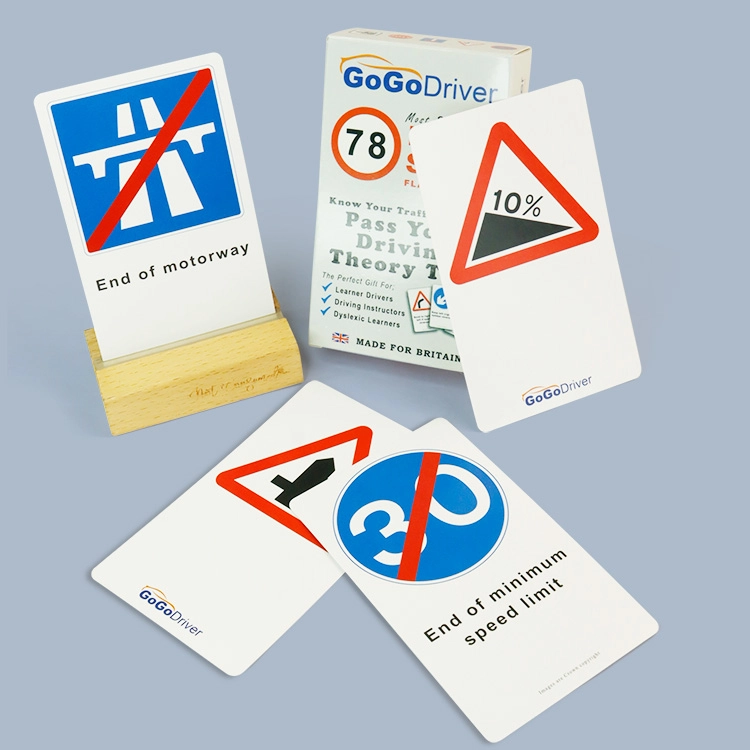
OEM Custom Driving Theory Cards | Personalized Traffic Rules & Test Prep Flashcards in Multiple Languages for Wholesale
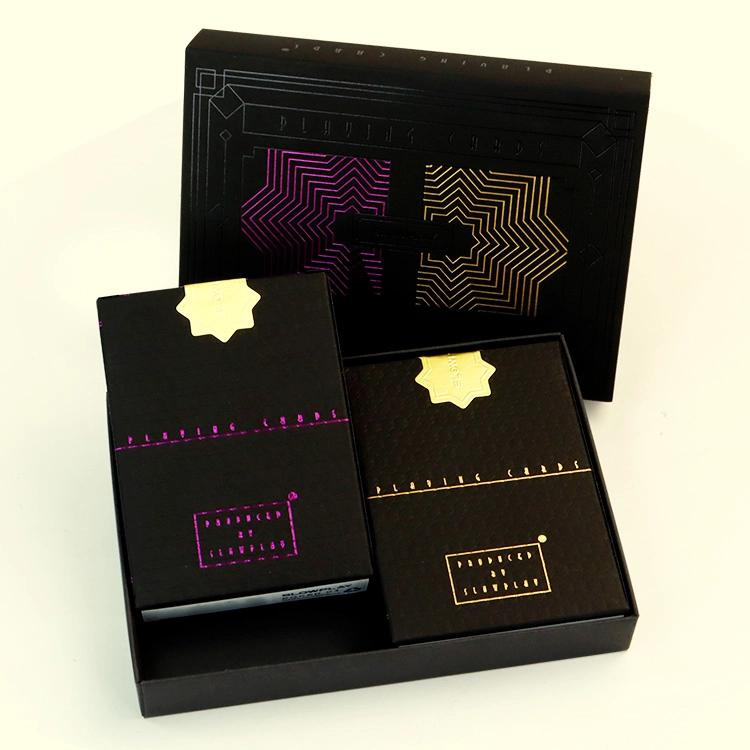
Custom Printing Luxury Two Sets Plastic Poker Playing Cards with Customized Packing
bbilaser
sq_AL