
Best Printing Options for Custom Playing Cards in 2026
- Best Printing Options for Custom Playing Cards in 2026
- Why the right printing process for your playing card matters
- Offset vs Digital vs UV Inkjet: Choosing the best print technology for playing card production
- Quick comparison table for common printing technologies for playing card
- Specialty finishes and enhancements for High Quality playing card aesthetics and durability
- Finishes: pros, cons, and recommended use-cases
- Card stocks and materials: balancing feel, longevity, and sustainability
- Card stock comparison
- Print runs, lead times, and cost optimization for custom playing card orders
- Typical lead times and cost factors in 2026
- Quality control and compliance for commercial card production
- Best printing options by use-case: recommendations for 2026
- 加入 Yuhua 的介绍:
- How Guangdong Yuhua Playing Cards Co., Ltd. supports custom playing card production
- Yuhua’s advantages summarized (relevance to choosing printing options)
- Core products and competitive strengths
- How to choose the right printing partner and what to ask
- Conclusion: recommended printing paths for 2026
- FAQ (Common questions about printing custom playing card in 2026)
- Q: What is the minimum order quantity for custom playing card?
- Q: How long does production typically take?
- Q: Can I get personalized or numbered playing card decks?
- Q: Are sustainable materials available for playing card production?
- Q: What finish is best for heavy-use cards (e.g., casinos or frequent handling)?
- Contact / View Products (联系客服 / 查看产品)
- Sources
Best Printing Options for Custom Playing Cards in 2026
Why the right printing process for your playing card matters
Choosing the correct printing method for a custom playing card project affects look, feel, durability, lead time, and overall cost. Whether you’re producing casino-grade decks, promotional giveaways, educational flash cards, or collectible tarot sets, the printing process determines color fidelity, edge quality, resistance to wear, and the feasibility of specialty finishes. By 2026 buyers expect faster turnaround, higher sustainability standards (e.g., FSC materials), and consistent quality at scale. This guide explains the best options available in 2026 and how to pick one based on use case, volume, and budget.
Offset vs Digital vs UV Inkjet: Choosing the best print technology for playing card production
Three primary technologies dominate contemporary card printing: offset lithography, digital (including high-end presses like HP Indigo), and UV/late-model inkjet. Each has strengths and trade-offs.
Quick comparison table for common printing technologies for playing card
| Technology | Best for | Typical MOQ | Color fidelity | Per-unit cost (relative) | Strengths |
|---|---|---|---|---|---|
| Offset lithography | Large runs, casino-grade, highest color consistency | 2,000–10,000 decks | Excellent (Pantone support) | Low at scale | Lowest unit cost at volume, excellent feel, proven longevity |
| Digital (HP Indigo / toner-based) | Short runs, variable data, full-color small batches | 25–2,000 decks | Very good (high-res CMYK + profiles) | Higher at large volume, competitive for small runs | Fast proofs, no plate costs, good for prototypes and personalization |
| UV Inkjet / UV-cured | Special effects, coatings, mixed substrates | 50–5,000 decks | High for coated stocks | Variable | Enables spot varnish, textured coatings, flexible substrate options |
Table source: industry manufacturer specifications and printing trade analyses (see Sources). Use offset for large, consistent decks (e.g., casino, retail). Choose digital for personalization, short runs, or rapid proofs. UV inkjet is preferred when spot finishes or unique substrates are needed.
Specialty finishes and enhancements for High Quality playing card aesthetics and durability
Finishes change the tactile experience and longevity of a playing card. Common finishing options include aqueous (AQ) coating, UV coating, soft-touch lamination, varnish (spot or full), embossing, foil stamping, and edge painting. Each finish affects shuffle feel, slip, and resistance to scuffs or moisture.
Finishes: pros, cons, and recommended use-cases
- Aqueous coating: Fast-drying, economical, protects ink; good for mid-volume retail decks.
- UV coating: High gloss or matte possible; excellent abrasion resistance; best for High Quality retail and game cards.
- Soft-touch lamination: Luxury hand-feel, reduced reflection; great for boutique or collectible decks.
- Spot UV and varnish: Highlight elements without coating the full surface; ideal for art decks and collectible cards.
- Foil stamping and embossing: High-end visual and tactile effects for luxury decks and gift sets.
When selecting finishes, consider how the deck will be used (frequent handling vs display) and whether players prefer a slick or textured shuffle feel. For casino-grade decks, finishes that prioritize slip and uniformity are essential.
Card stocks and materials: balancing feel, longevity, and sustainability
Card stock defines stiffness, resilience, and how the surface accepts ink and finishes. Typical playing card stocks in 2026 include coated paperboard with clay or air-cushion linen finishes, crushed cotton core boards, and PVC or polypropylene plastics for waterproof decks. Sustainability-minded brands increasingly request FSC-certified paper and recyclable or compostable stocks.
Card stock comparison
| Stock type | Weight / Thickness | Feel | Durability | Best for |
|---|---|---|---|---|
| Coated paperboard (300–350 gsm) | Medium | Smooth to semi-textured (linen) | Good with coating | Standard retail decks, promotional |
| Crushed cotton core board (330–400 gsm) | Medium–High | High Quality, card-player preferred | Very good (casino-like) | Casino, luxury decks |
| PVC / Plastic (0.25–0.35 mm) | Thin but rigid | Slick, waterproof | Excellent (washable) | Outdoor, educational, long-term use |
| Recycled or FSC-certified board | Varies | Varies | Good with coating | Sustainable brands and eco-conscious products |
Choose cotton-core or high-quality coated boards for High Quality tactile response. For vending or learning aids requiring frequent cleaning, plastic or laminated stocks work best. If sustainability is a priority, require FSC-certified materials (see Sources).
Print runs, lead times, and cost optimization for custom playing card orders
Understanding minimum order quantities (MOQs), plate/setup costs, and lead times helps optimize budgets. Offset printing typically has higher setup costs but lower per-unit costs at scale; digital printing has minimal setup but higher per-unit costs for large volumes.
Typical lead times and cost factors in 2026
- Digital short runs: 5–14 business days after artwork approval; ideal for 25–2,000 decks.
- Offset medium to large runs: 10–30 business days after proof approval; economies at 2,000+ decks.
- Special finishes and custom boxes: Add 7–14 days depending on tooling and foiling steps.
- Rush options: Some factories with automated lines can deliver within 7–10 days at High Quality rates.
Cost variables: print technology, stock selection, finishes, packaging, personalization (variable data increases digital attractiveness), and shipping. To reduce costs: consolidate SKUs, select standard finishes, order higher volumes, and partner with manufacturers that have automated production and robust QC.
Quality control and compliance for commercial card production
High-volume manufacturers implement ISO 9001 quality systems, inline inspection, and final sampling to keep defect rates low. For regulated clients (e.g., casinos), additional tests like colorfastness, slip measurement, and bend/fatigue testing may be required. If you’re purchasing at scale, ask for documented defect rates, inspection certificates, and production photos of pre-shipment samples.
Best printing options by use-case: recommendations for 2026
Match the print process to the deck’s primary use:
- Casino-grade playing card: Offset lithography with crushed cotton core, linen finish, and edge-sealed coating for uniform slip and durability.
- Collector/artist decks: Offset or digital (for small limited editions) + soft-touch lamination, spot UV, foil stamping, and embossed tuck boxes.
- Promotional decks: Digital for small runs with variable data; aqueous coating for cost-efficiency.
- Educational/flash cards: Waterproof or laminated stock, UV-cured inks for quick-turn small runs.
- Tarot and specialty games: Digital for prototyping and small runs; offset for larger production; specialty finishes as required.
加入 Yuhua 的介绍:
How Guangdong Yuhua Playing Cards Co., Ltd. supports custom playing card production
Guangdong Yuhua Playing Cards Co., Ltd., founded in 2014, specializes in the R&D, design, and mass custom production of playing cards, game cards, and color-printed packaging. With a 6,000㎡ intelligent facility, we operate advanced automated card production lines capable of producing 1,000,000+ units per month. Our core strengths include the use of FSC® certified materials, ISO 9001 quality control systems, and a demonstrated defect rate under 0.5%. Backed by over 20 patents, our High Quality brand sources imported materials to ensure consistent, high-quality results and global trust.
Yuhua’s advantages summarized (relevance to choosing printing options)
Yuhua’s capacity and certifications mean faster lead times for large orders (economies of scale via automated lines), traceable sustainable materials (FSC®), and robust quality control (ISO 9001 and sub-0.5% defect rate). For businesses needing reliable OEM or ODM partnerships for decks—ranging from casinos to educational institutions—Yuhua offers proven production reliability and custom finishing capabilities.
Core products and competitive strengths
Yuhua’s main offerings include OEM Playing Card production, ODM Tarot cards, custom Game cards, and Learning Flash cards OEM. Core competitive strengths are integrated R&D for artwork and tooling, automated production that reduces human error, strict quality procedures, and the ability to scale quickly while maintaining consistent finishes and packaging. These facilities are set up to deliver both high-volume offset jobs and flexible small-batch digital projects, with options for specialty coatings, foil, embossing, and custom printed tuck boxes.
How to choose the right printing partner and what to ask
When evaluating a printer, ask the following:
- What printing technologies do you operate (offset, digital, UV inkjet)?
- What are your MOQs, lead times, and sample policies?
- Can you provide material certifications (FSC) and quality system certificates (ISO 9001)?
- What is your documented defect rate and inspection process?
- Do you supply pre-production samples and color proofs? How do you handle color matching (ICC profiles, Pantone)?
- What finishing and packaging options do you offer (lamination, foil, embossing, tuck box printing)?
- What are your logistics capabilities for international shipping and customs support?
Ask for production photos, sample reports, and references from similar projects. A strong partner will offer technical guidance (file setup, bleed requirements, color profiles), sample turnaround, and transparent pricing for tooling or plates.
Conclusion: recommended printing paths for 2026
For 2026, the optimal approach depends on volume and purpose: choose offset for high-volume, casino, or retail-grade playing card projects to achieve the best per-unit economics and consistent quality. Use digital printing for short runs, prototypes, and personalization where speed and variable data are important. Leverage UV inkjet or specialty finishing lines when you need spot varnish, textured coatings, or unusual substrates. Prioritize partners who provide FSC-certified materials and ISO-quality systems to meet modern sustainability and quality expectations.
FAQ (Common questions about printing custom playing card in 2026)
Q: What is the minimum order quantity for custom playing card?
A: MOQs vary by process: digital runs can start as low as 25–50 decks; offset generally requires 2,000+ decks to be cost-effective. Ask suppliers for exact MOQs and sample options.
Q: How long does production typically take?
A: Digital production and short runs: typically 5–14 business days after artwork approval. Offset production: 10–30 business days depending on finishing and packaging. Rush services may be available for a High Quality.
Q: Can I get personalized or numbered playing card decks?
A: Yes. Digital printing is ideal for variable data (names, numbers). Offset can also handle personalization with additional processes (e.g., numbering machines) but at higher setup complexity.
Q: Are sustainable materials available for playing card production?
A: Yes. Many manufacturers now offer FSC®-certified board and recycled options. If sustainability is critical, request FSC documentation and ask about recyclable packaging options.
Q: What finish is best for heavy-use cards (e.g., casinos or frequent handling)?
A: Casino-grade cards often use a crushed cotton core or High Quality coated board with a linen or air-cushion finish plus protective coatings that optimize slip and durability. Request technical specifications and wear tests from the printer.
Contact / View Products (联系客服 / 查看产品)
If you’re ready to produce custom playing card decks at scale or need a prototype for approval, contact our sales team to request a quote, production timeline, and sample. Guangdong Yuhua Playing Cards Co., Ltd. provides OEM and ODM support across playing cards, tarot cards, game cards, and learning flash cards with rapid turnaround and strict QC. Contact Sales / View Products (联系客服 / 查看产品) via our website to get started.
Sources
- FSC International — information on certified materials and responsible sourcing (FSC®).
- ISO.org — ISO 9001 quality management standard details.
- HP Indigo — technical specification pages on digital presses and use in short-run packaging/print.
- Printing trade publications and manufacturer datasheets — industry comparisons of offset, digital, and UV printing technologies.
The 10 Key Factors in create custom tarot cards That Affect Cost
How to Create Limited Edition Tarot Decks That Sell
How to Choose the custom playing cards poker manufacturer and supplier ?
Custom card game box manufacturer Manufacturers and Suppliers
About logistics
How long does the production process take?
Production times can vary based on order complexity and volume. Typically, standard orders take 2-4 weeks. For urgent projects, we may offer expedited options—just ask!
About customized services
Do you offer samples?
Yes! We can provide samples of our card materials and finishes. Please contact us to request samples relevant to your project.
Can I see a proof before production?
Yes! We provide digital proofs for your approval before we start production. This ensures that everything meets your expectations.
About price and payment
What payment methods do you accept?
We accept various payment methods, including credit cards, PayPal, and bank transfers. Please reach out for more details on payment options.
About cooperation process
How long does the OEM process take?
The time depends on the complexity of the project, but generally OEM orders take about 6 weeks from design confirmation to delivery.
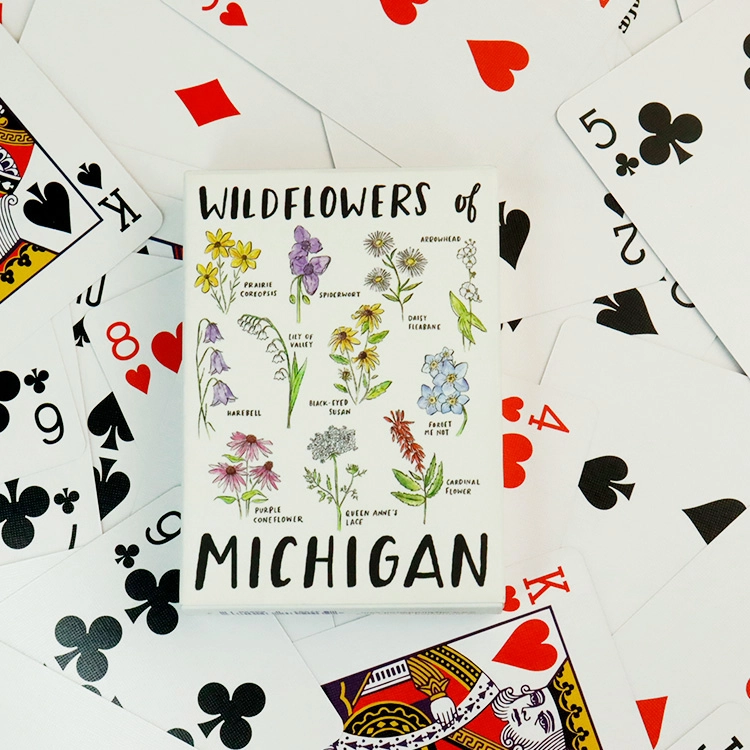
High Quality Eco-Friendly Durable Personalized Design Wildflowers Playing Cards with Custom Design Logo and Box
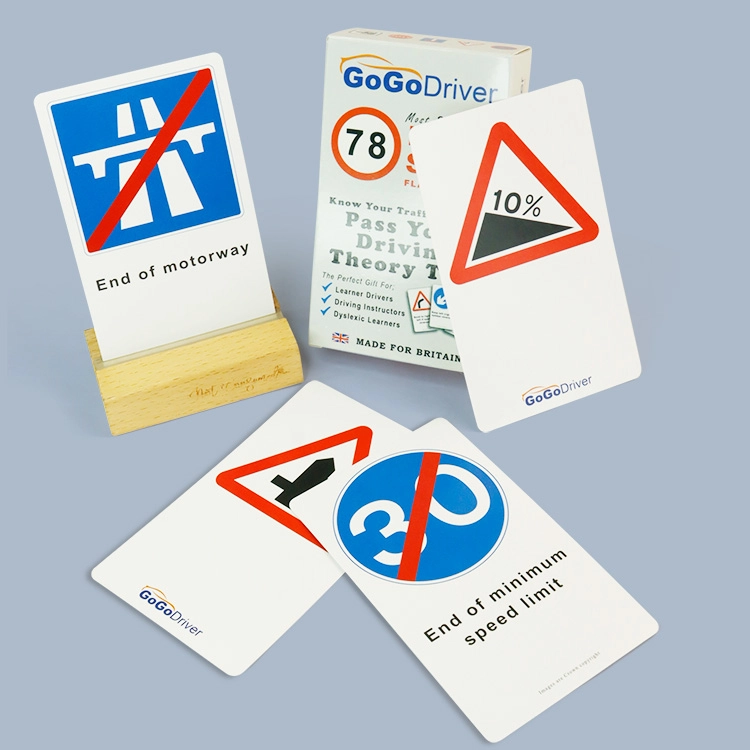
OEM Custom Driving Theory Cards | Personalized Traffic Rules & Test Prep Flashcards in Multiple Languages for Wholesale
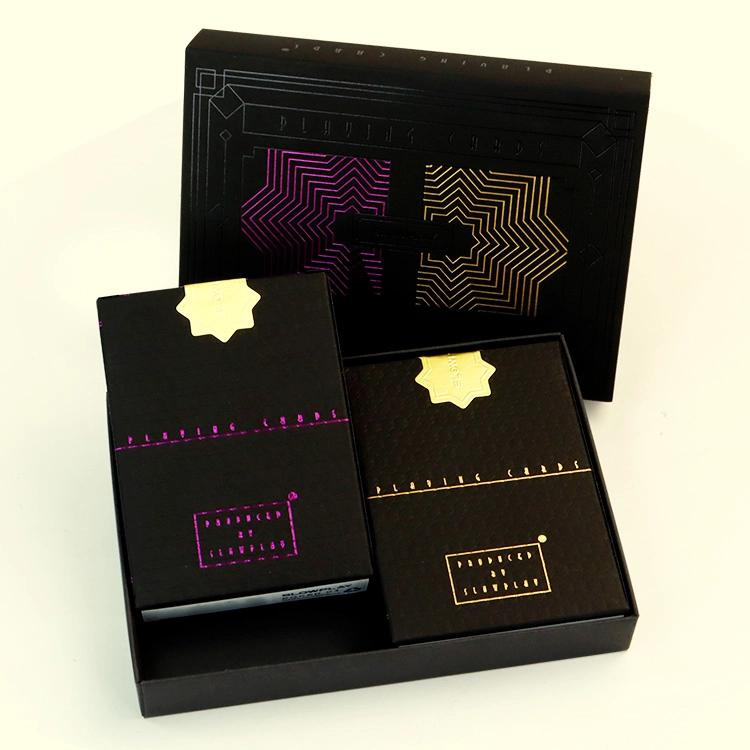
Custom Printing Luxury Two Sets Plastic Poker Playing Cards with Customized Packing
bbilaser
sq_AL