
Choosing Card Stock and Finish for Custom Decks
- Choosing Card Stock and Finish for Custom Decks
- Why card stock and finish matter for custom cards playing
- Understanding card stock types for custom cards playing
- Card stock specifications and a practical comparison
- Finishes and coatings: how they change performance in custom cards playing
- Choosing stock + finish for your use case in custom cards playing
- Key production variables to specify with your manufacturer
- Prototyping and testing for reliable custom cards playing results
- Quality standards, certifications and environmental considerations
- Production capacity, delivery timelines and cost drivers for custom cards playing
- Why Guangdong Yuhua is a strong partner for custom cards playing projects
- How Yuhua’s capabilities relate to your stock and finish choices
- Practical checklist before placing a custom cards playing order
- Contact us / view products
- FAQ — Custom Cards Playing: common questions
- Q: What stock should I choose for a durable yet affordable game deck?
- Q: How does finish affect shuffle and cardistry performance?
- Q: Are eco-friendly materials available for custom cards playing?
- Q: How many sample decks should I order before mass production?
- Q: What is a reasonable defect rate for mass-produced playing cards?
- Q: Can finishes be combined (e.g., soft-touch plus spot UV)?
- Q: How long does a typical custom deck production take?
- Q: Can you print both CMYK and Pantone colors accurately on playing cards?
- References
Choosing Card Stock and Finish for Custom Decks
Why card stock and finish matter for custom cards playing
When you order custom cards playing decks, the choices you make for card stock and finish determine the deck’s feel, lifespan, and user experience. Players, dealers, educators and collectors all notice differences in shuffle, snap, curvature, and durability. A poor material or inappropriate finish can lead to rapid wear, sticky handling, ink scuffing, poor printing results, or even cards that reveal markings under light. Conversely, the right combination makes the deck look and perform like a professional product designed for its intended audience.
Understanding card stock types for custom cards playing
Card stock is typically described by composition and weight. For custom cards playing, common categories include paper (coated), linen-textured, plastic-coated, and full plastic (PVC or composite). Each has pros and cons.
- Paper (coated): Often the most economical, made from high-quality paperboard with a clay or plastic coating for print clarity. Good for standard playing cards and game decks where cost and print detail matter.
- Linen-textured paper: Paperboard embossed with a linen finish that improves handling, shuffle feel, and optical diffusion for sharper printed images. Popular for High Quality playing cards and branded custom decks.
- Plastic-coated (paper core with plastic lamination): Adds moisture resistance and extra durability while retaining a paper core feel — a middle-ground option for longevity without full plastic cost.
- Full plastic (PVC or synthetic): Extremely durable, waterproof, and flexible; favoured for heavy-use environments (casinos, outdoor games). Often higher cost and different tactile qualities than paper-based cards.
Card stock specifications and a practical comparison
When evaluating card stocks for custom cards playing, consider grammage (g/m2 or GSM), thickness, bend/recovery properties and finish compatibility. The table below compares typical options used in custom decks.
| Stock Type | Typical GSM / Thickness | Durability | Handling/Shuffle | Cost | Best Use Cases |
|---|---|---|---|---|---|
| Coated Paperboard | 250–350 GSM (board weight varies) | Moderate | Good; varies with coating | Low–Medium | Standard playing cards, board game cards |
| Linen-Textured Paper | 300–360 GSM | Good | Excellent (preferred for shuffling) | Medium | High Quality decks, custom branded playing cards |
| Plastic-Coated Paper | 300–380 GSM (including lamination) | High | Smoother; slightly stiffer | Medium–High | Durable game cards, trade cards, collectible decks |
| Full Plastic (PVC / Composite) | ~300–350 GSM equivalent (measured differently) | Very High | Very smooth; unique snap | High | Casino-grade, outdoor use, long-life educational cards |
Sources for typical specifications: paper industry standards for grammage and common manufacturing practices (see references).
Finishes and coatings: how they change performance in custom cards playing
Finish determines surface friction, print appearance, and longevity. Common finishes include varnish (matte or gloss), aqueous coating, UV coating, soft-touch lamination, and specialized textures like linen embossing.
- Matte varnish / aqueous: Low glare, pleasant tactile feel, resists fingerprints; sometimes slightly more drag when shuffling.
- Gloss varnish / UV: High shine and color pop; easier to fan and glide but can show fingerprints and scuffs if low-quality.
- Soft-touch lamination: Luxurious feel with muted sheen and excellent abrasion resistance; often used on High Quality boxes and limited-run decks.
- Linen or embossed finishes: Provide a textured feel that improves control for riffle shuffles and cardistry; reduces visible icing (white wear) on edges.
Choosing stock + finish for your use case in custom cards playing
Your selection should be driven by who will use the deck and how. Below are practical recommendations:
- Casino or professional play: Full plastic or highly consistent plastic-coated stock with anti-marking finish. Durability and consistent handling are paramount. Use strict quality control (tight tolerance on thickness, edge finishing).
- Cardistry / collectors: Linen-textured or High Quality plastic with finishes that support fast fanning and resilience. Consider specialty coatings that minimize drag while resisting wear.
- Board and party games: Coated paperboard with aqueous coating provides good print detail and cost control. For longer-lived games, upgrade to plastic-coated paper.
- Educational / flash cards: Choose stock prioritizing durability and write/wipe compatibility (e.g., laminated cards or plastic-coated surfaces). For kids’ use, waterproof or rounded-corner plastics are advisable.
- Tarot and art decks: Emphasize print fidelity and tactile experience — linen finish or soft-touch lamination often delivers the High Quality feel collectors seek.
Key production variables to specify with your manufacturer
When you place a custom cards playing order, be explicit about the following so the manufacturer can match expectations:
- Exact stock type and GSM (or reference a sample SKU).
- Finish type (matte/soft-touch/gloss/linen/UV).
- Card dimensions and corner radius (e.g., 63 x 88 mm, 3–6 mm radius).
- Card thickness tolerance and deck count (affects spine thickness and tuck box design).
- Edge treatment (sealed edges, gilding, or standard cut).
- Color profile and print proof approval — supply CMYK PDFs and request a press proof where possible.
- Quality Control standards and acceptable defect rate.
Prototyping and testing for reliable custom cards playing results
Before mass production, get physical prototypes. Tests you should run:
- Shuffle and deal tests (riffle, overhand, fan) to ensure the finish and thickness behave as expected.
- Abrasion and scuff testing to simulate use cycles — check for color loss and edge wear.
- Humidity and bend tests if cards will be used in varied environments.
- Print registration and color consistency checks across a sample run.
Request a small pilot production batch to validate packaging fit and deck weight prior to committing to large volumes.
Quality standards, certifications and environmental considerations
Increasingly, buyers of custom cards playing products ask for environmental certifications and production standards. Look for manufacturers that can supply:
- FSC® certified paper and board (responsibly managed forestry).
- ISO 9001 quality management systems to ensure consistent processes and documentation.
- Clear defect-rate targets and testing records.
Choosing certified suppliers reduces risk for large orders and supports sustainability goals for eco-conscious brands and retailers.
Production capacity, delivery timelines and cost drivers for custom cards playing
Key cost drivers include material choice (plastic > laminated > coated paper), custom tooling for tuck boxes, special inks or foils, and finishing processes (soft-touch, UV, gilding). Production timelines are influenced by sample approval, tooling, and factory capacity. For larger runs, look for manufacturers with automated, high-capacity lines to secure consistent lead times and pricing.
Why Guangdong Yuhua is a strong partner for custom cards playing projects
Guangdong Yuhua Playing Cards Co., Ltd., founded in 2014, specializes in the R&D, design, and mass custom production of playing cards, game cards, and color-printed packaging. With a 6,000㎡ intelligent facility, we offer advanced, automated card production lines capable of 1,000,000+ units per month. Our core strengths include FSC® certified materials, ISO 9001 quality control, a defect rate under 0.5%, and over 20 patents. Our High Quality brand uses imported materials and is trusted worldwide. We serve global markets with custom card solutions for casinos, games, education, and more—delivering fast, high-quality results with professional support.
How Yuhua’s capabilities relate to your stock and finish choices
Working with a partner like Yuhua means access to a wide material library and finishing options. Benefits include:
- Material sourcing: FSC® certified papers and imported specialty stocks for High Quality handling.
- Finish options: automated application of aqueous, UV, soft-touch and linen embossing at scale.
- Quality assurance: ISO 9001 systems and a verified defect rate under 0.5% give confidence in consistency.
- High capacity: automated lines that support runs from small custom batches to >1,000,000 units/month.
- Product breadth: OEM playing cards, ODM tarot cards, custom game cards, and learning flash cards OEM services with end-to-end support from design to delivery.
Practical checklist before placing a custom cards playing order
Use this checklist to reduce revisions and unexpected costs:
- Choose target audience and primary use (casino, game, educational, collectors).
- Select stock family and finish; request samples from the factory.
- Confirm exact dimensions, corner radius and deck count.
- Approve color proofs or physical press proofs.
- Specify packaging finish and any special features (foil, emboss, tuck box window).
- Agree on QC standards and tolerance for defects.
- Plan for lead times and shipping logistics; discuss production capacity with the factory.
Contact us / view products
If you’re ready to produce a custom cards playing project or want samples to test stocks and finishes, Guangdong Yuhua Playing Cards Co., Ltd. offers professional support from design to delivery. Contact our customer service for product catalogs, sample requests and a production timeline. View our OEM Playing Card, ODM Tarot cards, custom Game cards and Learning Flash cards OEM offerings and request a quote tailored to your specifications.
FAQ — Custom Cards Playing: common questions
Q: What stock should I choose for a durable yet affordable game deck?
A: For a balance of durability and cost, choose coated paperboard with plastic lamination (plastic-coated paper). It improves moisture resistance and lifespan while keeping costs below full plastic decks. Consider a linen emboss if better shuffle-feel is needed.
Q: How does finish affect shuffle and cardistry performance?
A: Finishes alter surface friction. Linen and certain matte coatings give more control for classic shuffles, while high-gloss or smooth plastic supports fast fans and certain cardistry moves. Test samples to match your performers’ preferences.
Q: Are eco-friendly materials available for custom cards playing?
A: Yes. Many manufacturers source FSC® certified papers and use aqueous coatings with lower VOCs. Ask suppliers for certification documents and recyclable packaging options.
Q: How many sample decks should I order before mass production?
A: Order at least one physical prototype of the card stock and finish combination and a small pilot batch (10–50 decks) for handling and packaging validation. Larger, complex projects may require multiple iterations.
Q: What is a reasonable defect rate for mass-produced playing cards?
A: Best-in-class factories aim for defect rates under 1%. Guangdong Yuhua reports a defect rate under 0.5%, which is consistent with high-quality production controls and ISO 9001 processes.
Q: Can finishes be combined (e.g., soft-touch plus spot UV)?
A: Yes, but combining finishes increases complexity and cost. Common combinations include matte/soft-touch on the general card face and spot UV for dramatic highlights. Ensure the printer can apply both consistently at scale.
Q: How long does a typical custom deck production take?
A: Timelines vary. With approved proofs and available materials, typical lead times range from 3–8 weeks for medium-sized runs. High-volume orders or specialty finishes may extend lead times. Confirm with the manufacturer’s current production schedule.
Q: Can you print both CMYK and Pantone colors accurately on playing cards?
A: Yes. CMYK is standard for full-color prints, while Pantone (spot colors) ensures color consistency for brand-critical elements. Ask for color proofs and specify whether spot inks are required to maintain brand colors.
References
Sources used for specifications and best practices:
- ISO 536:2012 — Paper and board — Determination of grammage (GSM).
- FSC® (Forest Stewardship Council) — documentation on certified materials and responsible sourcing.
- ISO 9001 — Quality management systems standards and guidance on manufacturing consistency.
- PaperSpecs — industry guidance on paper weights and coatings.
- Wikipedia — Playing card entry for manufacturing and historical context (manufacturing summaries).
Top personalized playing cards wholesale Manufacturers and Suppliers in Saudi Arabia
Cost Breakdown: Pricing Professional Playing Card OEM and MOQ
Custom playing cards poker Manufacturers and Suppliers in us
Tarot Card Packaging Ideas for Custom Playing Cards
About customized services
Do you provide design services?
Yes! Our in-house design team is here to assist you in bringing your vision to life. Whether you have a complete design or just an idea, we can help.
Do you offer samples?
Yes! We can provide samples of our card materials and finishes. Please contact us to request samples relevant to your project.
About product selection
Can I see a sample before a full order?
Yes, we will provide a prototype sample for your review to ensure you are satisfied with the final product.
Is there a design template I can use?
Yes, we provide design templates for different card types. You can download them from our website or request them directly from our team.
After-sales support
Do you offer eco-friendly options?
Yes, we do offer eco-friendly materials and printing options. Please inquire about our sustainable options.
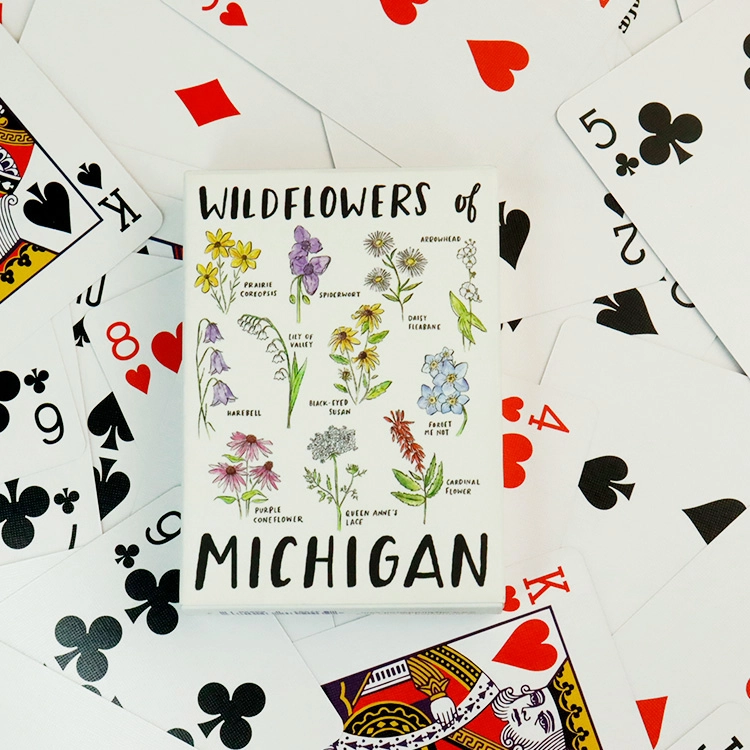
High Quality Eco-Friendly Durable Personalized Design Wildflowers Playing Cards with Custom Design Logo and Box
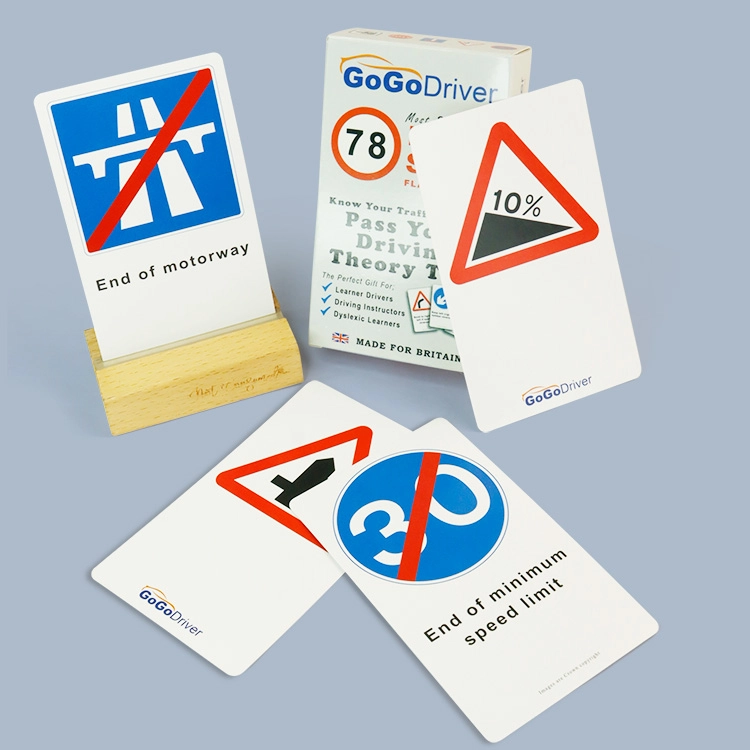
OEM Custom Driving Theory Cards | Personalized Traffic Rules & Test Prep Flashcards in Multiple Languages for Wholesale
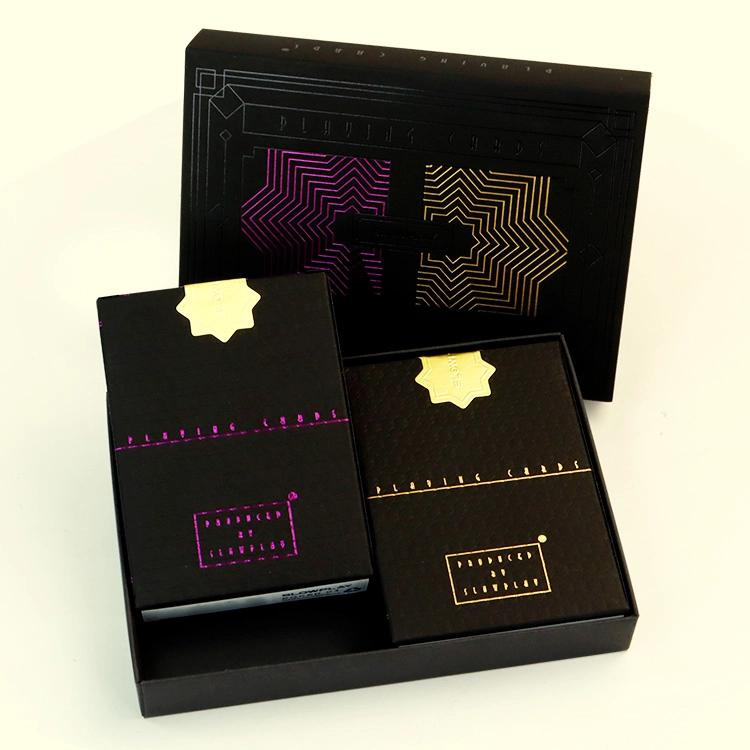
Custom Printing Luxury Two Sets Plastic Poker Playing Cards with Customized Packing
bbilaser
sq_AL