
Custom Learning Cards for Early Childhood Development
- Custom Learning Cards for Early Childhood Development
- Why custom learning cards matter in early childhood
- Design principles for effective custom learning cards
- Materials, safety and durability of custom learning cards
- Production considerations for custom learning cards: scalability, lead times and quality
- How to use custom learning cards in classrooms and at home
- Measuring learning outcomes from custom learning cards
- Cost and ROI of investing in custom learning cards
- Why choose a professional partner for custom learning cards: Guangdong Yuhua Playing Cards Co., Ltd.
- Choosing the right custom learning cards partner: checklist
- FAQ — Custom Learning Cards
- Contact us / View products
- Sources and references
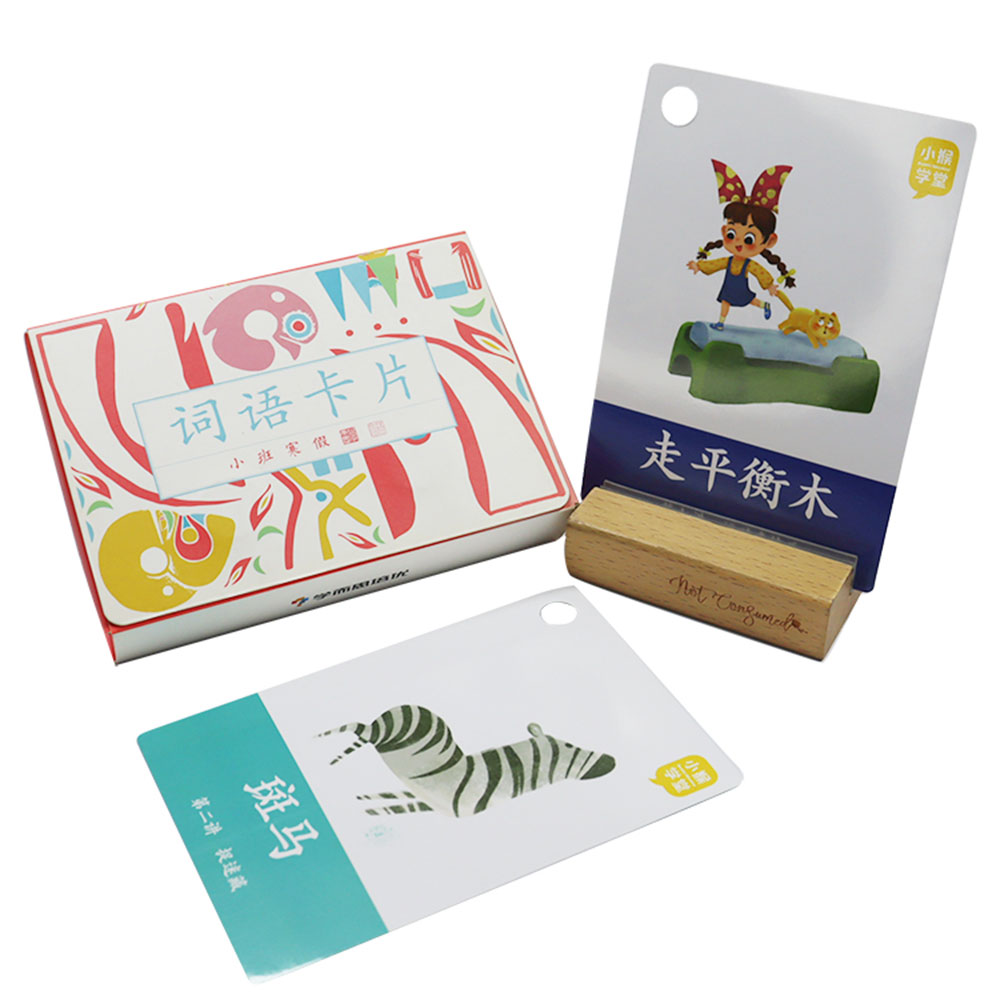
Custom Learning Cards for Early Childhood Development
Why custom learning cards matter in early childhood
Custom learning cards are a simple, scalable, and research-backed tool for accelerating early childhood development. They support vocabulary building, concept formation, memory, attention, and early literacy and numeracy through short, repeatable interactions. The educational value is grounded in cognitive science—retrieval practice (the testing effect) and spaced repetition both show that repeated, active recall strengthens memory more than passive review (Karpicke & Roediger, 2008). For parents, caregivers, and educators who want measurable gains without complex technology, custom learning cards offer a low-cost, high-impact solution.
Design principles for effective custom learning cards
Design matters. Custom learning cards that are visually clear, age-appropriate, and culturally relevant increase engagement and learning speed. Key design principles include:
- Clear focal image with minimal background clutter for ages 0–3.
- Readable fonts and high-contrast colors for ages 3–5; use sans-serif fonts sized 18–36 pt depending on card size.
- One concept per card (word, number, shape, emotion, action) to avoid cognitive overload.
- Multimodal cues—simple images paired with single words, phonetic hints, or tactile elements for kinesthetic learners.
- Adaptable difficulty levels: color cues or icons indicating beginner/intermediate/advanced sets.
When commissioning custom learning cards, specify learning objectives (vocabulary, phonics, counting, social-emotional cues) so the manufacturer can recommend the best layouts, sizes, and finishes for those goals.
Materials, safety and durability of custom learning cards
Early childhood environments require products that are safe, durable, and cleanable. The choice of material directly affects lifespan and suitability:
| Material | Durability | Cleaning | Recommended Age | Typical Use / Notes |
|---|---|---|---|---|
| Coated paper card (FSC® certified options) | Medium (100s–1,000s of uses) | Wipe with damp cloth; avoid soaking | 3+ | Cost-effective; good for classroom sets |
| Laminated paper card | High (1,000s of uses) | Wipe and disinfect; water-resistant | 0+ | Better for messy environments; higher cost |
| Plastic cards (PVC-free options) | Very high (10,000s of uses) | Washable and durable | 0+ | Excellent longevity; higher upfront cost |
| Chipboard with rounded corners | Medium | Surface wipe | 3+ | Eco-friendlier than PVC; sturdy |
Sources for environmental standards such as FSC® and quality systems such as ISO 9001 should be considered when selecting suppliers. FSC-certified paper reduces deforestation risk and signals a commitment to sustainable sourcing—important for school procurement and eco-conscious buyers.
Production considerations for custom learning cards: scalability, lead times and quality
When moving from prototype to production, manufacturers will ask about order quantity, packaging, and certification. Typical production considerations include:
- Minimum order quantities (MOQs): smaller MOQs allow pilots but increase unit cost; larger MOQs reduce per-unit cost.
- Lead time: from artwork approval to delivery can range from 2–8 weeks depending on customization and factory capacity.
- Quality control: sorting, edge finishing, print color consistency, and defect rates should be specified. A defect rate under 0.5% is a strong benchmark for mass-custom production.
- Regulatory compliance: safety testing for small parts, ink non-toxicity, and flame resistance if required by local regulations.
Choosing a manufacturer with automated production lines, certified materials, and tight QC reduces risk for large orders intended for schools and distributors.
How to use custom learning cards in classrooms and at home
Custom learning cards are versatile. Below are practical, age-appropriate activities that maximize learning impact:
- Vocabulary Building (0–3 yrs): Show a card and name the object; repeat during routines (mealtime, bath) to create contextual associations.
- Matching Games (3–5 yrs): Use paired cards (image+word) for matching and phonics recognition.
- Memory/Concentration (4+ yrs): Traditional memory game with face-down cards builds working memory and attention.
- Story Prompts (4+ yrs): Children pick several cards and tell a story using the images—boosts narrative skills and creative language use.
- Counting & Math (3–6 yrs): Use number cards alongside physical counters for one-to-one correspondence.
- Social-Emotional Learning (2–6 yrs): Emotion cards help label feelings and practice coping strategies.
Incorporate spaced repetition by revisiting the same small set of cards across days and using short, frequent sessions (5–10 minutes), which aligns with cognitive research on retention.
Measuring learning outcomes from custom learning cards
To evaluate effectiveness, use simple, repeatable measures that align with your learning goals. Examples:
- Pre/post vocabulary checklists: record the number of target words a child can identify before and after a 4-week intervention.
- Observation rubrics: attention span during card activities, verbal output, and correct responses.
- Retention checks: test recall after 24 hours and again after 7 days to measure longer-term retention (testing effect).
Documenting outcomes helps justify budgets and informs iterative improvements to card design and sequencing.
Cost and ROI of investing in custom learning cards
Costs depend on material, print complexity, and order volume. While laminated or plastic cards cost more up-front, their longer lifespan reduces replacement frequency, making them more cost-effective in high-use settings such as daycare centers.
Consider these ROI factors:
- Durability reduces replacement frequency and administrative costs.
- High-quality visuals and tactile features increase engagement and therefore learning speed.
- Custom branding or curriculum alignment increases value for resale or teacher adoption in institutional markets.
When budgeting, include design work, prototype runs, safety testing, and packaging. Bulk orders frequently unlock significant per-unit savings.
Why choose a professional partner for custom learning cards: Guangdong Yuhua Playing Cards Co., Ltd.
Choosing a professional manufacturer with education-focused experience ensures reliable quality, compliance, and scale. Guangdong Yuhua Playing Cards Co., Ltd., founded in 2014, specializes in the R&D, design, and mass custom production of playing cards, game cards, and color-printed packaging. With a 6,000㎡ intelligent facility, we offer advanced, automated card production lines capable of 1,000,000+ units per month. Our core strengths include FSC® certified materials, ISO 9001 quality control, a defect rate under 0.5%, and over 20 patents. Our High Quality brand uses imported materials and is trusted worldwide. We serve global markets with custom card solutions for casinos, games, education, and more—delivering fast, high-quality results with professional support.
When you partner with Yuhua for custom learning cards, you gain:
- Full-service R&D and design support to translate learning objectives into effective card content and visuals.
- Flexible OEM/ODM production: OEM Playing Card, ODM Tarot cards, custom Game cards, and Learning Flash cards OEM tailored to curriculum needs.
- Materials and compliance expertise (FSC® sourcing, ISO 9001 quality systems) and strong production capacity for timely scaling.
- Low defect rates and patent-backed production techniques that improve consistency and reduce waste.
Yuhua's combination of educational product experience and industrial capacity makes them a solid choice for schools, educational publishers, and early childhood program managers seeking reliable custom learning cards at scale.
Choosing the right custom learning cards partner: checklist
Before placing an order, evaluate suppliers against this checklist:
- Can they provide FSC® or equivalent sustainable materials?
- Do they hold ISO 9001 or similar quality certifications?
- What is their typical defect rate and how do they handle QC?
- Can they produce prototypes and iterate artwork quickly?
- Do they support child-safety testing or provide material safety data?
- Are packaging and labeling options suitable for classroom distribution or retail?
Suppliers who answer positively to these items reduce procurement risk and increase the likelihood of a successful rollout.
FAQ — Custom Learning Cards
Q: What ages benefit most from custom learning cards?
A: Custom learning cards can be designed for any early childhood age range, but most commonly they target 0–6 years with content and durability tailored by age group.
Q: How many cards should a starter set contain?
A: For vocabulary or concept sets, 20–50 cards per level is typical. Small sets (10–20) work well for targeted interventions and spaced repetition.
Q: Are custom learning cards safe for toddlers who put items in their mouths?
A: Yes—when produced with non-toxic inks, rounded corners, and appropriate materials (laminated or durable plastics) and when they comply with safety testing for small parts.
Q: How long does it take to produce custom learning cards?
A: Lead times vary. Prototyping can take 1–2 weeks; full production typically ranges from 2–8 weeks depending on quantity and customization level.
Q: Can cards be bilingual or localized?
A: Absolutely. Custom learning cards are ideal for bilingual programs—text and audio prompts can be localized for different languages and cultural contexts.
Q: What is the best material for longevity in classrooms?
A: Laminated paper or durable plastic cards are the best choice for high-use classrooms due to water resistance and easier cleaning.
Contact us / View products
If you’re ready to design or order custom learning cards, contact Guangdong Yuhua Playing Cards Co., Ltd. for a consultation, prototype, and quote. Our team can advise on materials, finishes, educational design, and packaging, and support OEM/ODM projects for Learning Flash cards, custom Game cards, Tarot cards, and more. Reach out to customer service to view sample catalogs and start a pilot order.
Sources and references
- Karpicke, J. D., & Roediger, H. L. (2008). The critical importance of retrieval for learning. Science.
- Roediger, H. L., & Butler, A. C. (2011). The critical role of retrieval practice in long-term retention. Trends in Cognitive Sciences.
- UNESCO. Early Childhood Care and Education (ECCE) resources and guidelines.
- Forest Stewardship Council (FSC®) information on certified materials and responsible sourcing.
- ISO 9001 standard for quality management systems—overview and implementation guidance.
Note: Company-specific manufacturing claims (production capacity, facility size, patents, defect rates) are provided by Guangdong Yuhua Playing Cards Co., Ltd. as part of their product and service description.
Custom Poker Cards Pricing: MOQ, Bulk Discounts and Costs
OEM/ODM create custom affirmation cards Manufacturers and Suppliers
Custom professional playing cards Manufacturers and Suppliers in us
Case Studies: Successful B2B Personalized Playing Cards
About cooperation process
How long does the OEM process take?
The time depends on the complexity of the project, but generally OEM orders take about 6 weeks from design confirmation to delivery.
Do you accept international orders?
Yes, we accept orders from around the world! Shipping costs and delivery times may vary, so please contact us for specific details related to your location.
About logistics
Can you handle shipping and fulfillment?
Yes! We offer comprehensive fulfillment services, including storage, packing, and shipping. You can rely on us to ensure your cards reach their destination safely and on time.
How long does the production process take?
Production times can vary based on order complexity and volume. Typically, standard orders take 2-4 weeks. For urgent projects, we may offer expedited options—just ask!
After-sales support
What is your return policy?
We stand behind the quality of our products. If you receive a defective item, please contact us within 30 days for a replacement or refund. Customized orders are generally non-refundable unless there's an error on our part.
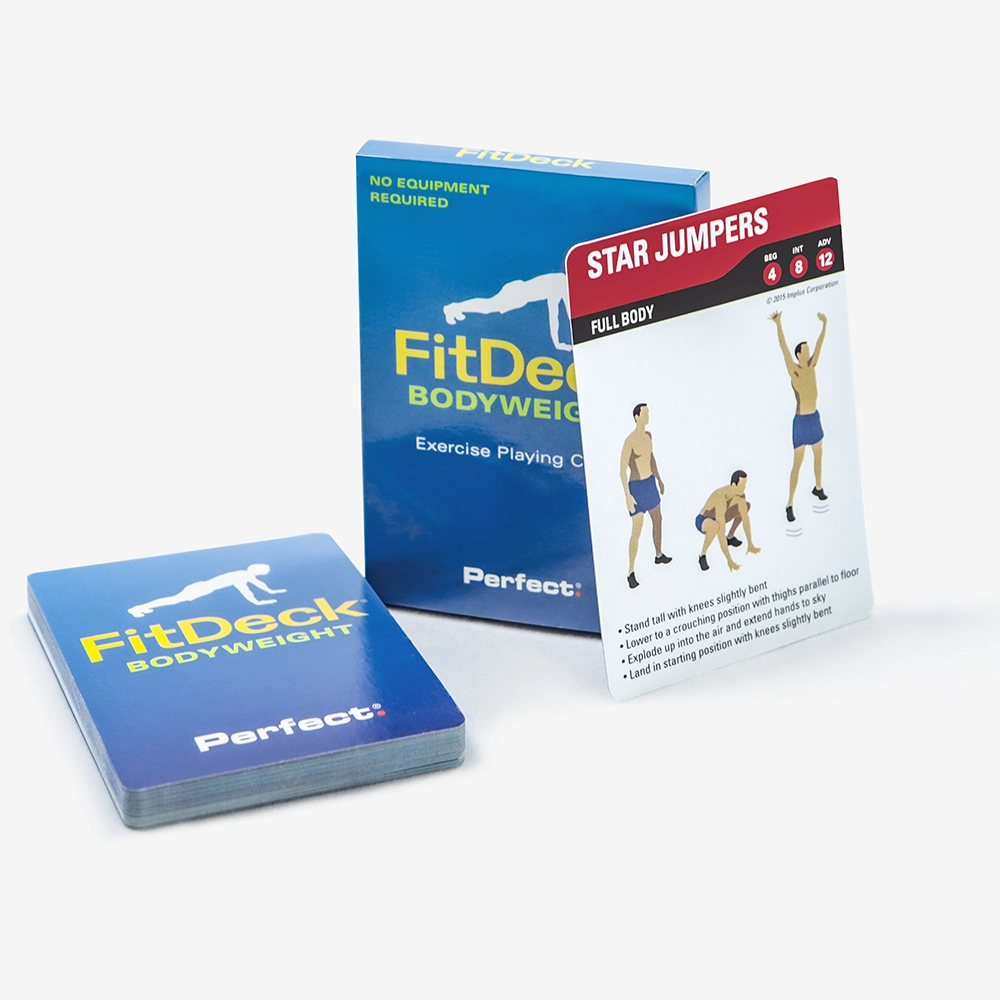
Custom Design Printing Fitness Learning Cards
The Fitness Learning Card is an innovative, beginner-friendly tool for fitness enthusiasts, featuring clear illustrations and instructions to ensure proper form and prevent injury. Organized by topics like strength training, cardio, stretching, and nutrition, it offers a systematic, easy-to-follow approach to building fitness knowledge and avoiding blind workouts.
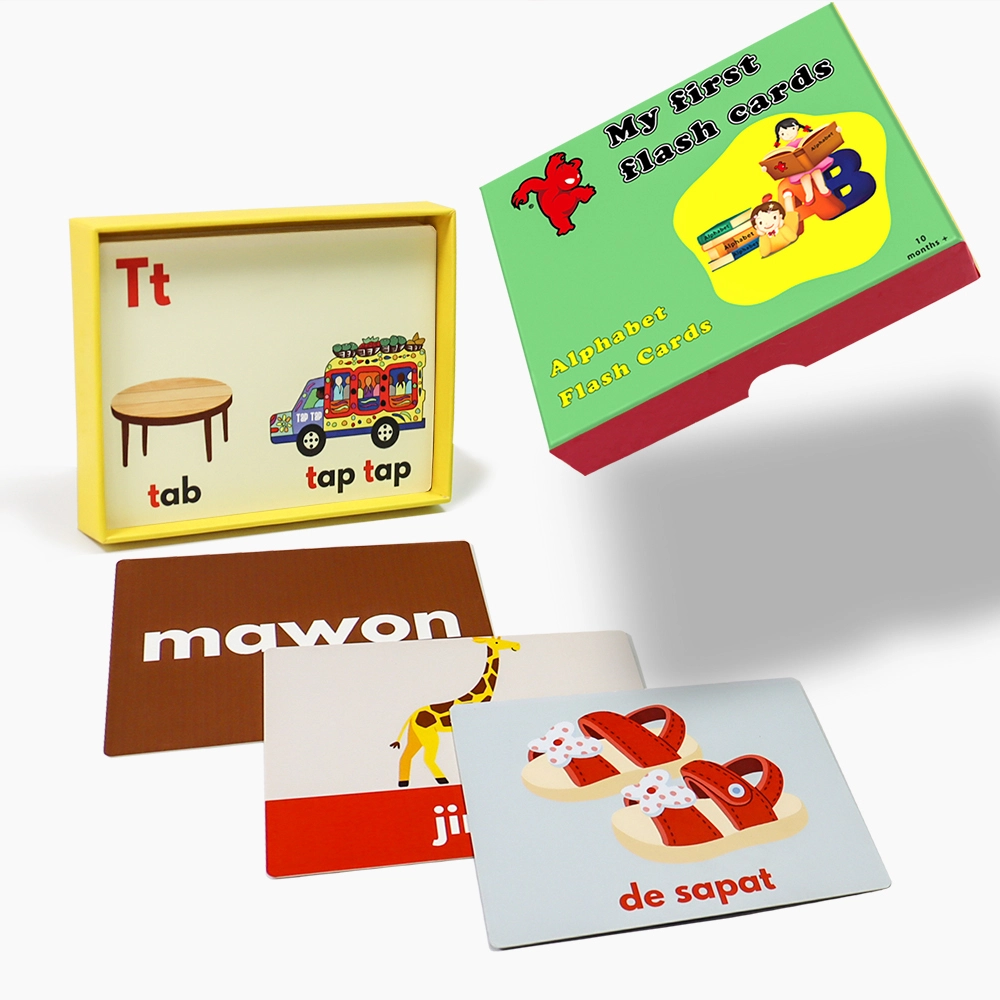
Factory Custom Printing High Quality Children's Learning Cards
Designed for preschoolers, kindergarteners, and primary school students, these cards support early cognitive development by introducing letters, numbers, colors, shapes, animals, fruits, and vehicles. Combining images and words enhances vocabulary and language skills, while games like sorting and pairing foster logical thinking and problem-solving. Repetition builds memory and focus, and the cards also encourage meaningful parent-child interaction.
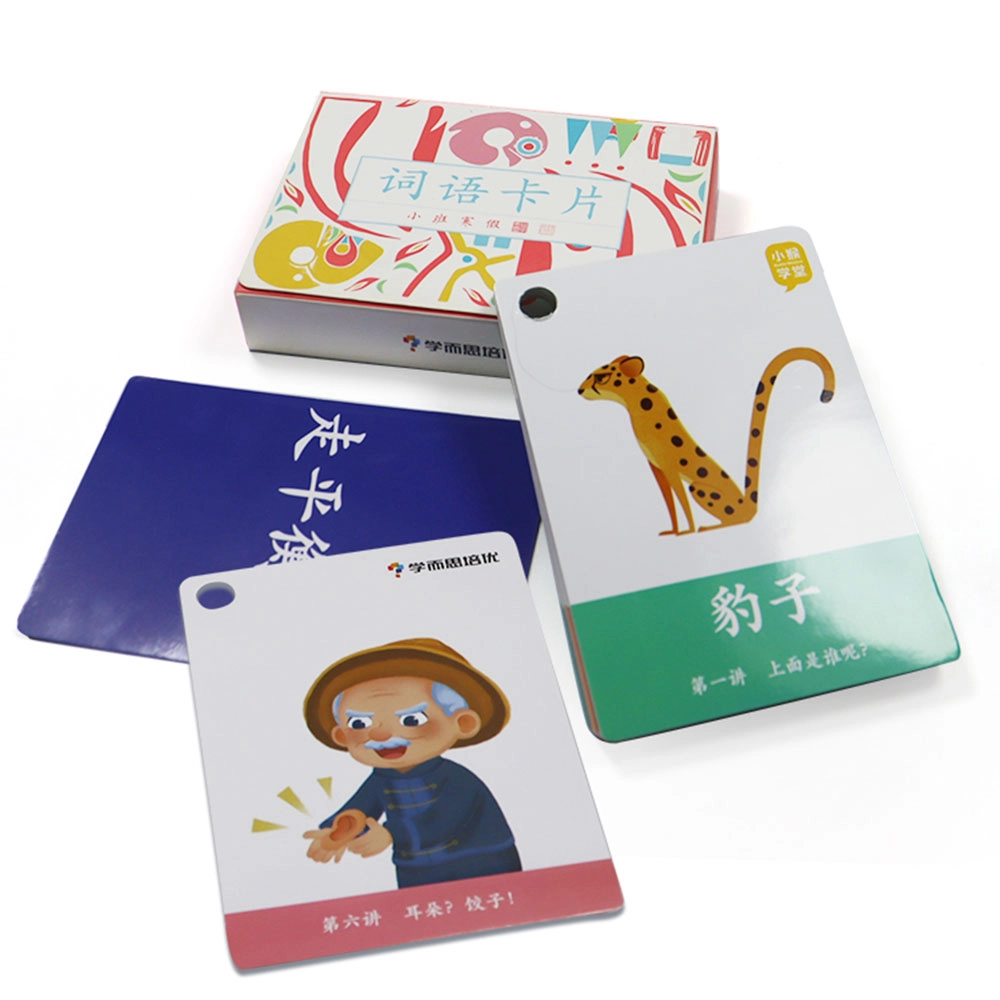
Chinese Words for Children Learning Cards
Chinese Character Learning Cards help kids ages 3-8 master basic Chinese characters through fun illustrations, pinyin, example words, and sentences. Designed for early learners, it builds language skills in an engaging way.
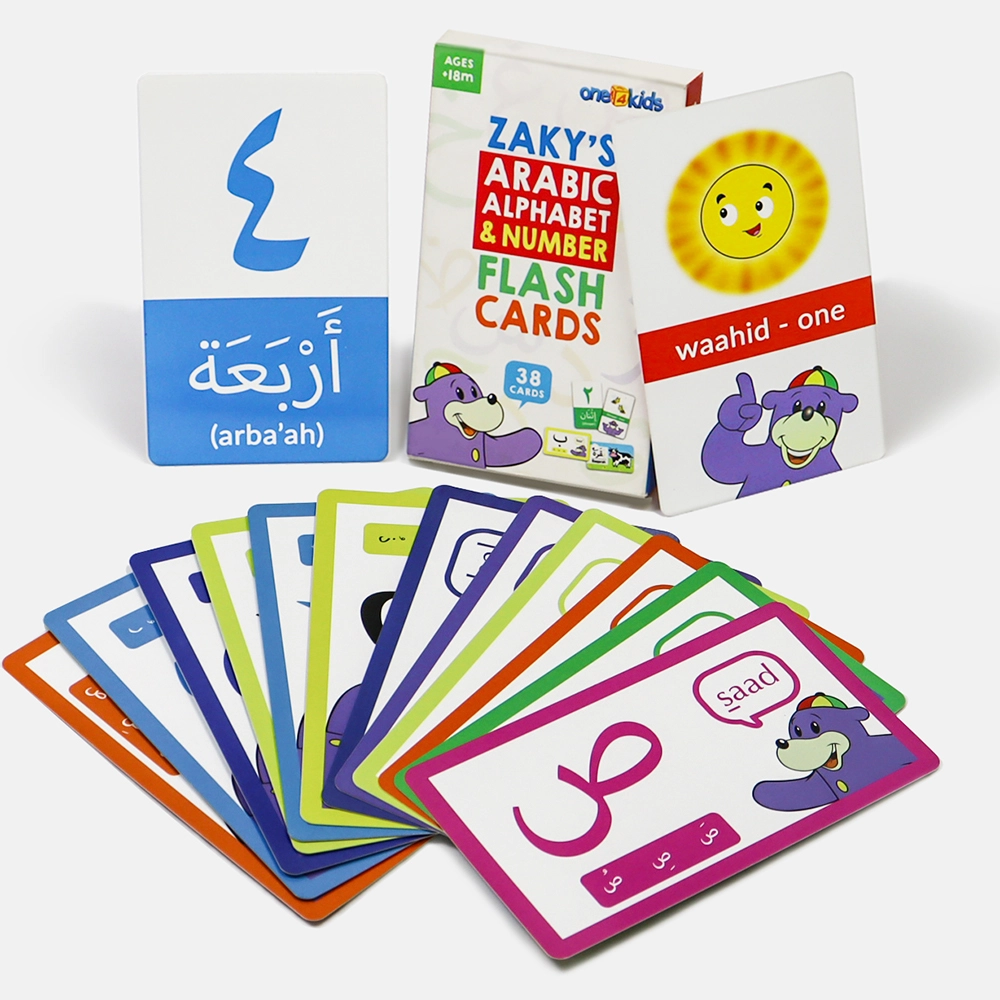
Custom Design Printing Font Stroke Learning Cards
These learning cards feature rich content across various topics, making them suitable for children of different ages. Bright colors and cute patterns engage young learners, while eco-friendly, non-toxic materials and rounded corners ensure safety. Thoughtfully sized for little hands, the cards can be used alone or paired with a reading pen or app for added fun and interactivity.
bbilaser
sq_AL