
Using Custom Learning Cards for Special Education Needs
- Using Custom Learning Cards to Support Special Education Needs
- Why custom learning cards matter in special education
- How evidence supports the use of custom learning cards
- Design principles for effective custom learning cards
- Practical classroom strategies using custom learning cards
- Customization features that improve learning outcomes
- Comparing common card material and feature options
- Creating assessment and progress tracking with custom learning cards
- Choosing a reliable manufacturer for custom learning cards
- Why Guangdong Yuhua Playing Cards Co., Ltd. is suited for special education card production
- How Yuhua’s product range supports custom learning card needs
- Ordering workflow and tips for educators
- Cost, turnaround, and production considerations
- Real-world examples: use cases and measurable outcomes
- Frequently Asked Questions (FAQ)
- Q: What makes custom learning cards different from off-the-shelf flashcards?
- Q: Can I order small pilot batches to test with students?
- Q: Are there accessible design standards to follow?
- Q: How durable should cards be for classroom use?
- Q: How do I ensure cards meet safety and environmental standards?
- Contact us / View product options
- Sources and references
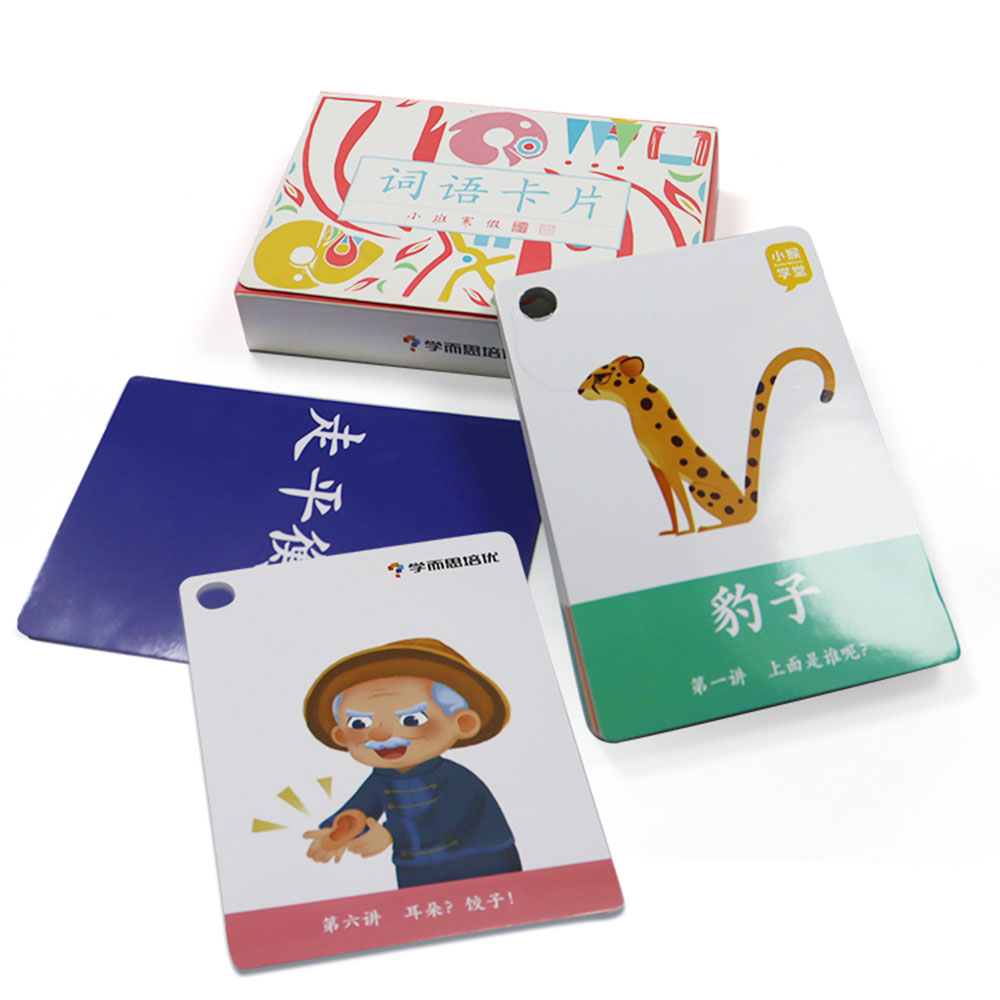
Using Custom Learning Cards to Support Special Education Needs
Why custom learning cards matter in special education
Custom learning cards are compact, flexible teaching tools designed to address individualized learning goals. For students with special education needs—such as learning disabilities, autism spectrum disorder (ASD), attention differences, or speech and language impairments—carefully designed cards can make abstract concepts concrete, give predictable structure, and enable repeated, low-stress practice. The term custom learning cards refers to cards that are produced to specific content, format, tactile features, and durability requirements to match learners’ unique needs and the educator’s instructional goals.
How evidence supports the use of custom learning cards
Research in cognitive psychology and special education highlights several effective learning techniques that map directly to card-based practice: retrieval practice, spaced repetition, multimodal encoding, and scaffolded cueing. A prominent review by Dunlosky et al. (2013) identified retrieval practice and distributed practice as high-utility techniques for durable learning—approaches easily implemented with flash-style custom learning cards. Similarly, Universal Design for Learning (UDL) principles recommend multiple means of representation and action, which custom cards can provide through images, text, tactile features, and sequencing supports.
Design principles for effective custom learning cards
When developing custom learning cards for special education, follow these core design principles to ensure clarity, accessibility, and pedagogical impact:
- Keep content simple and focused: one goal per card (vocabulary, number recognition, step in a routine).
- Use high-contrast visuals and plain fonts for readability.
- Incorporate multisensory cues — images, color coding, braille or textured surfaces when appropriate.
- Include clear prompts or scaffolds on the reverse (e.g., prompts for peer prompting or graduated hints).
- Design for durability: laminated finishes, rounded corners, and thicker stock for frequent handling.
- Personalize sequence and difficulty: create sets ordered from supported to independent practice.
Practical classroom strategies using custom learning cards
Custom learning cards can be integrated across settings—special education classrooms, resource rooms, therapy sessions, and home practice. Below are practical, evidence-aligned strategies:
- Retrieval practice stations: small sets of cards used in quick, timed review cycles to build recall.
- Peer-teaching decks: simplified cards for peers to use while practicing communication supports with classmates.
- Visual schedules and social stories: sequenced cards to teach routines and social expectations.
- Token-reinforcement linked cards: combine cards with tangible reinforcement systems for motivation.
- Progression decks: create color-coded levels so students and teachers can track mastery.
Customization features that improve learning outcomes
Not all card sets are created equal. For students with special education needs, consider these custom features that research and practitioner experience show improve engagement and retention:
- Size options: larger cards for small-group visibility vs. pocket-sized cards for individual hands-on practice.
- Tactile and sensory options: raised ink, textured laminates, or soft-touch coatings for sensory learners.
- Durable materials: waterproof coatings and thicker stock for frequent cleaning and long-term use.
- Writable surfaces: laminated or dry-erase faces for on-the-spot prompts and tracking.
- Color-coding and icon systems: consistent cues to support category learning and reduce cognitive load.
Comparing common card material and feature options
Educators must balance durability, cost, and sensory needs. The table below summarizes typical options and their suitability for special education settings.
| Feature | Benefits | Best for | Considerations |
|---|---|---|---|
| Laminated cardstock | Durable, writable (dry-erase), easy to clean | Classrooms, therapy centers, home use | Moderate cost; edge wear over very long use |
| Plastic (PVC) cards | High durability, waterproof, long lifespan | High-frequency handling, outdoor use | Higher cost; less eco-friendly unless recycled material |
| Textured/tactile finishes | Provides sensory feedback, supports fine-motor focus | Students with sensory processing needs | Must be chosen to avoid overstimulation |
| Rounded corners & thick stock | Safer, more durable, easier to handle | All student age groups | Slightly higher production cost |
Sources: manufacturing and special education best practices combined with production standards and classroom use patterns (see citations at article end).
Creating assessment and progress tracking with custom learning cards
Use cards not only as instruction but as quick assessment tools. Simple checklists aligned to card sets can document error types, prompt dependency, and response latency. Examples include:
- One-minute fluency checks using a defined card set to monitor improvements in recall.
- Prompt-fading logs attached to card IDs to show how much support was needed over time.
- Mastery grids where each card has a box for dates when the student met criteria.
These small-data approaches support IEP goal tracking and can be shared with families and multidisciplinary teams.
Choosing a reliable manufacturer for custom learning cards
When ordering custom learning cards, quality control, material options, and production capacity matter—especially if you need consistent sets for multiple classrooms or districts. Look for manufacturers that offer:
- Certifications for material sourcing and quality control (e.g., FSC®, ISO 9001).
- Low defect rates and consistent color matching.
- Flexible OEM/ODM capabilities to produce both small pilot runs and large-scale orders.
- Experience with education products, including safety and tactile feature production.
Why Guangdong Yuhua Playing Cards Co., Ltd. is suited for special education card production
Guangdong Yuhua Playing Cards Co., Ltd., founded in 2014, specializes in the R&D, design, and mass custom production of playing cards, game cards, and color-printed packaging. With a 6,000㎡ intelligent facility, we offer advanced, automated card production lines capable of 1,000,000+ units per month. Our core strengths include FSC® certified materials, ISO 9001 quality control, a defect rate under 0.5%, and over 20 patents. Our High Quality brand uses imported materials and is trusted worldwide. We serve global markets with custom card solutions for casinos, games, education, and more—delivering fast, high-quality results with professional support. We are committed to providing customers with high-quality and efficient playing card production services.
How Yuhua’s product range supports custom learning card needs
Yuhua’s OEM and ODM capabilities make it easy to produce education-focused cards at scale. Relevant product lines include:
- OEM Playing Cards — standard and custom sizes, durable finishes suitable for classroom use.
- ODM Tarot Cards — high-quality printing and coatings, useful for classroom sets requiring rich imagery and symbolism.
- Custom Game Cards — for activity-based learning, social skills games, and turn-taking exercises.
- Learning Flash Cards OEM — tailored flash cards with options for lamination, tactile surfaces, and large-print formats.
Core competitive advantages: scalable production (1,000,000+ units/month), strict quality control (ISO 9001; defect rate <0.5%), sustainable sourcing (FSC®), advanced automated lines, and over 20 patents enabling specialty finishes (textured ink, soft-touch coatings, and precise die-cutting). These strengths translate into reliable delivery for pilot programs through to district-wide deployments.
Ordering workflow and tips for educators
To speed up the creation of effective custom learning cards, follow this streamlined process:
- Define learning goals: one or two measurable IEP objectives per card set.
- Choose formats and features: size, laminate, tactile options, color-coding.
- Create clear artwork and copy: use large fonts, high-contrast imagery, and short prompts.
- Request a proof and tactile sample: test a small pilot set with students before mass production.
- Plan for iteration: collect teacher feedback and adjust content or format in later runs.
Cost, turnaround, and production considerations
Costs will vary by material, features, and quantities. Suppliers with high automation and ISO systems—such as Yuhua—can offer competitive pricing on large runs and faster turnaround for repeat orders. Typical lead-time guidance:
- Pilot/sample orders: 2–3 weeks (depending on tactile features and printing complexity).
- Small-quantity runs (hundreds to low thousands): 3–6 weeks.
- Large-scale production (tens of thousands and up): 4–8 weeks with faster options for repeat designs.
Always confirm timelines during the quoting phase, and plan for shipping and customs when ordering internationally.
Real-world examples: use cases and measurable outcomes
Sample implementations where custom learning cards have shown benefit include:
- Vocabulary mastery for K–3 students with language-based learning disabilities: weekly retrieval cycles using pictorial cards improved recall and oral labeling rates.
- Social routine acquisition for students with ASD: sequenced social story cards reduced transition-related behaviors when paired with token reinforcement.
- Math fluency for students with dyscalculia: color-coded decks for number families increased response speed and accuracy in timed checks.
Outcomes depend on fidelity of implementation and alignment to evidence-based practices, but these examples illustrate practical gains when cards are thoughtfully designed and used consistently.
Frequently Asked Questions (FAQ)
Q: What makes custom learning cards different from off-the-shelf flashcards?
A: Custom learning cards are tailored in content, format, and sensory features to meet specific learner profiles and instructional goals. Off-the-shelf cards are generic and may lack necessary supports (e.g., tactile cues, enlarged text, or specific sequencing).
Q: Can I order small pilot batches to test with students?
A: Yes. Many manufacturers, including Yuhua, support small pilot orders and will provide proofs and physical samples before mass production.
Q: Are there accessible design standards to follow?
A: Follow Universal Design for Learning (UDL) principles: multiple means of representation, action and expression, and engagement. Use high-contrast colors, clear fonts, and consider tactile or auditory supports as needed.
Q: How durable should cards be for classroom use?
A: For daily classroom handling, laminated cardstock or PVC options with rounded corners and thicker stock are recommended. If frequent cleaning is required, opt for waterproof coatings.
Q: How do I ensure cards meet safety and environmental standards?
A: Choose manufacturers with recognized certifications (FSC® for responsible sourcing, ISO 9001 for quality management) and request material safety data when needed.
Contact us / View product options
If you’re ready to develop custom learning cards for special education use, contact Guangdong Yuhua Playing Cards Co., Ltd. for a consultation, sample request, or quote. Our team can help with design guidance, material selection, and production timelines to meet educational goals. View product options or reach customer service to start your custom order today.
Sources and references
- Dunlosky, J., Rawson, K. A., Marsh, E. J., Nathan, M. J., & Willingham, D. T. (2013). Improving Students’ Learning With Effective Learning Techniques. Psychological Science in the Public Interest, 14(1), 4–58.
- CAST. Universal Design for Learning (UDL) Guidelines. CAST, 2018.
- National Center for Learning Disabilities. Parent and Educator resources on evidence-based practices for students with learning disabilities.
- Individuals with Disabilities Education Act (IDEA). U.S. Department of Education guidance on special education services.
- Forest Stewardship Council (FSC). Information on responsible forest products and certification programs.
- ISO 9001 Quality Management Systems. International Organization for Standardization documentation on quality control standards.
Samples & Prototyping: Testing Custom Made Playing Cards Before Orders
Where to Buy for sale card game in Germany
Crowdfunding a Custom Tarot Deck: Step-by-Step
What is how to print custom playing cards ?
About logistics
Can you handle shipping and fulfillment?
Yes! We offer comprehensive fulfillment services, including storage, packing, and shipping. You can rely on us to ensure your cards reach their destination safely and on time.
About cooperation process
How do you ensure the quality of your cards?
We implement strict quality control measures at every stage of production. Our team conducts thorough inspections to ensure each card meets our high standards before shipping.
About price and payment
What payment methods do you accept?
We accept various payment methods, including credit cards, PayPal, and bank transfers. Please reach out for more details on payment options.
How can I get a quote?
Getting a quote is easy! Simply fill out our contact form or call us directly with your project details, and we’ll get back to you with a tailored quote promptly.
About customized services
Can I customize the design of my cards?
Absolutely! We offer full customization options, from card design and size to finishes and packaging. Our design team is ready to collaborate with you to create the perfect look.
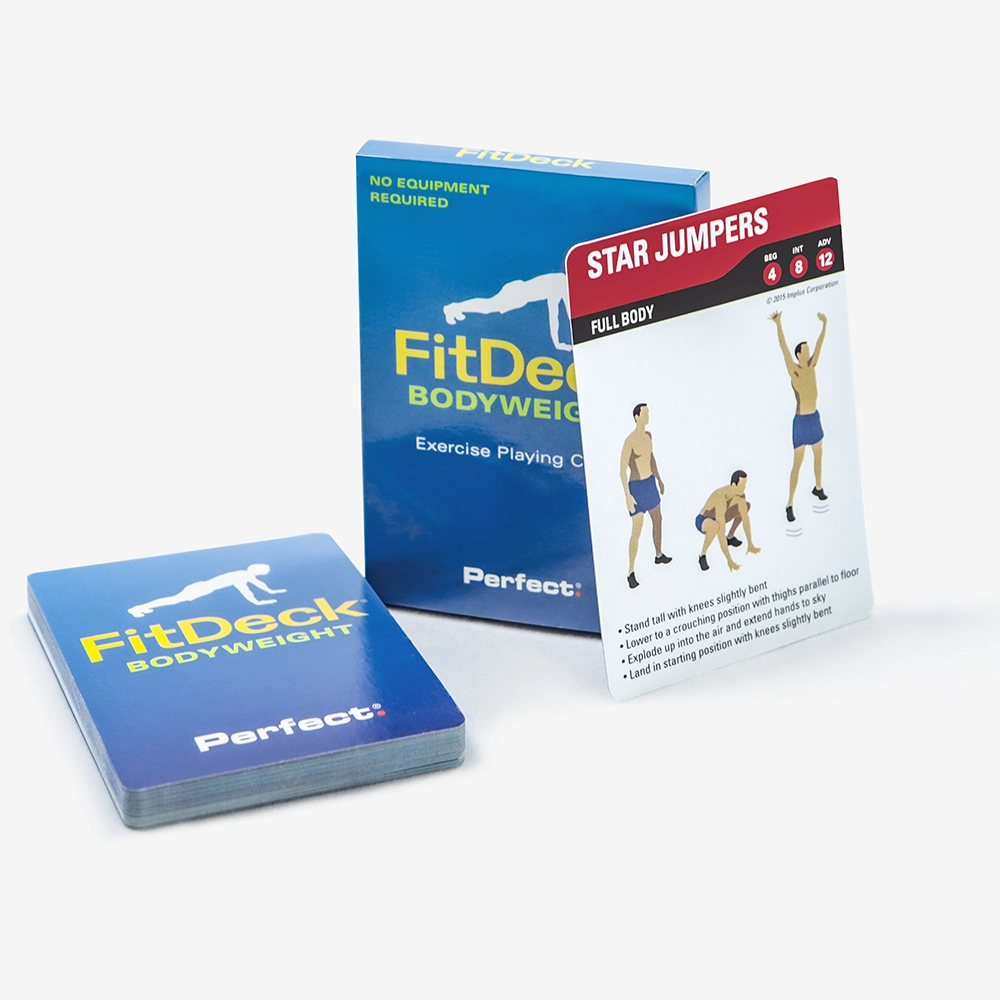
Custom Design Printing Fitness Learning Cards
The Fitness Learning Card is an innovative, beginner-friendly tool for fitness enthusiasts, featuring clear illustrations and instructions to ensure proper form and prevent injury. Organized by topics like strength training, cardio, stretching, and nutrition, it offers a systematic, easy-to-follow approach to building fitness knowledge and avoiding blind workouts.
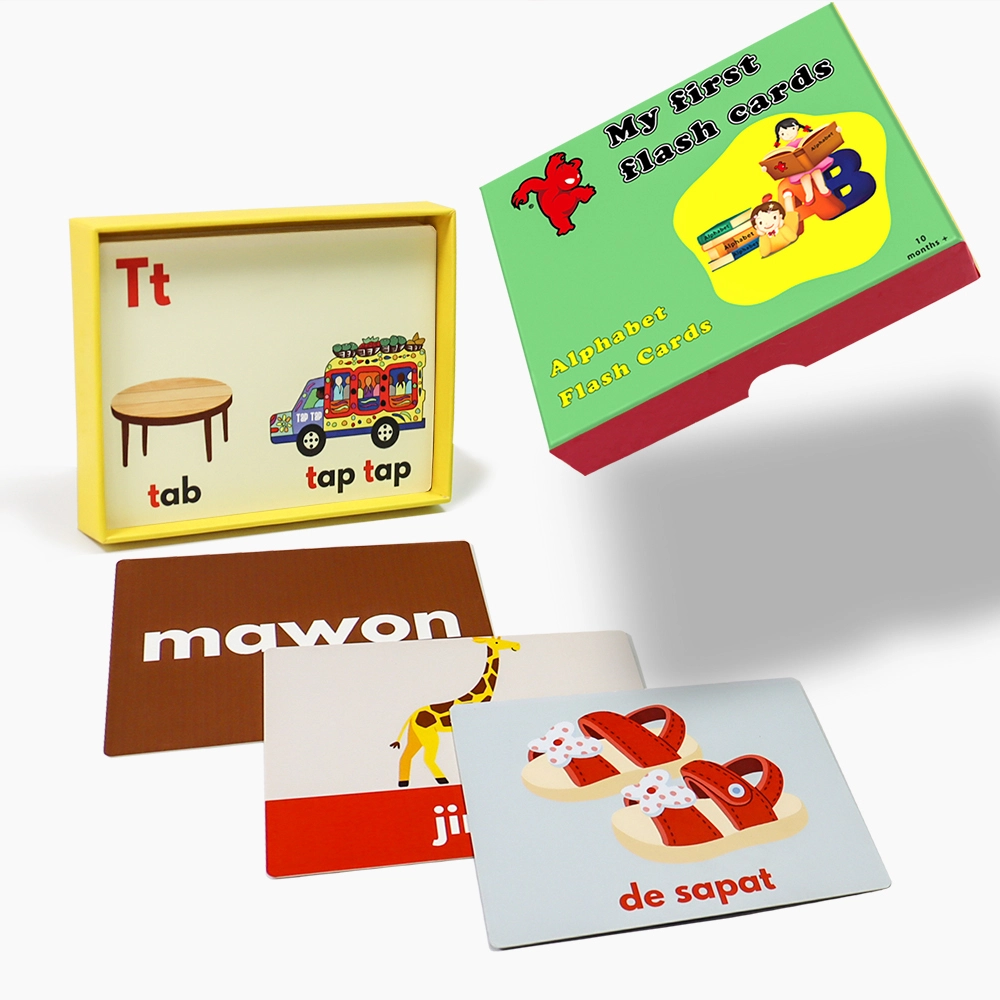
Factory Custom Printing High Quality Children's Learning Cards
Designed for preschoolers, kindergarteners, and primary school students, these cards support early cognitive development by introducing letters, numbers, colors, shapes, animals, fruits, and vehicles. Combining images and words enhances vocabulary and language skills, while games like sorting and pairing foster logical thinking and problem-solving. Repetition builds memory and focus, and the cards also encourage meaningful parent-child interaction.
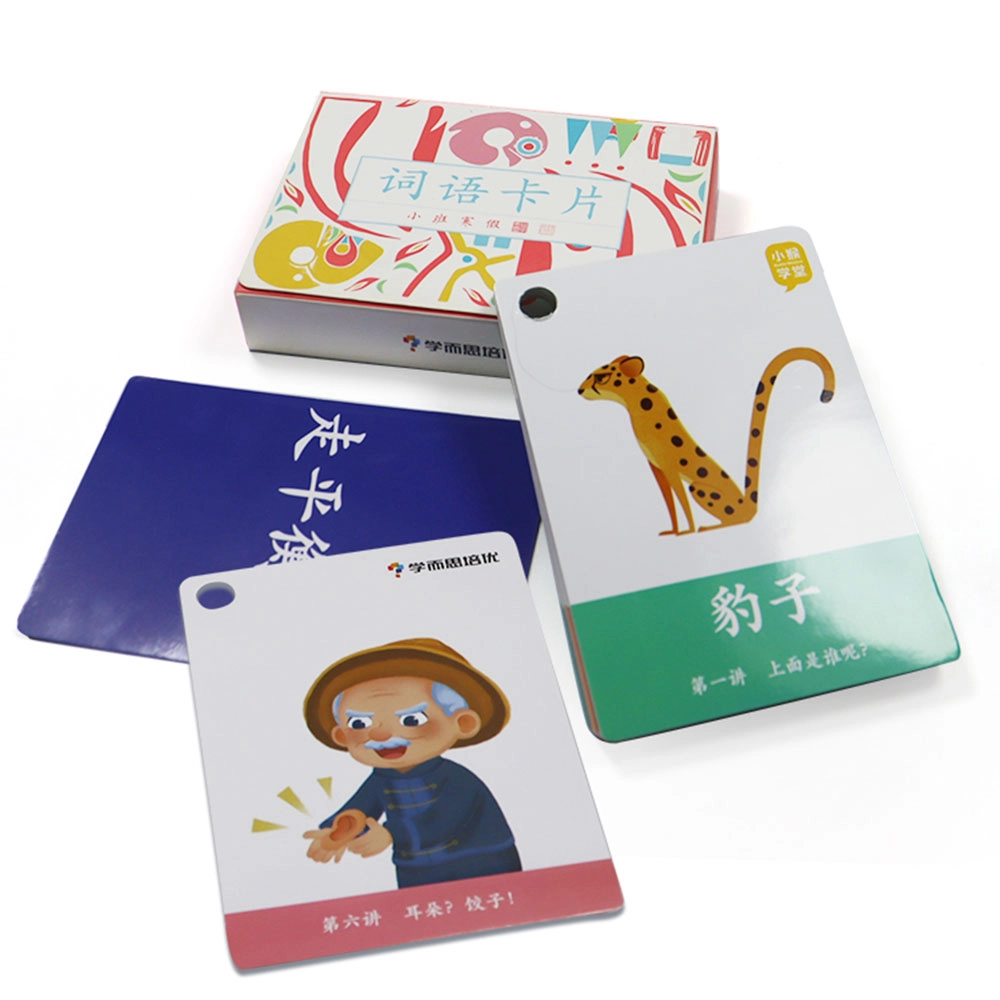
Chinese Words for Children Learning Cards
Chinese Character Learning Cards help kids ages 3-8 master basic Chinese characters through fun illustrations, pinyin, example words, and sentences. Designed for early learners, it builds language skills in an engaging way.
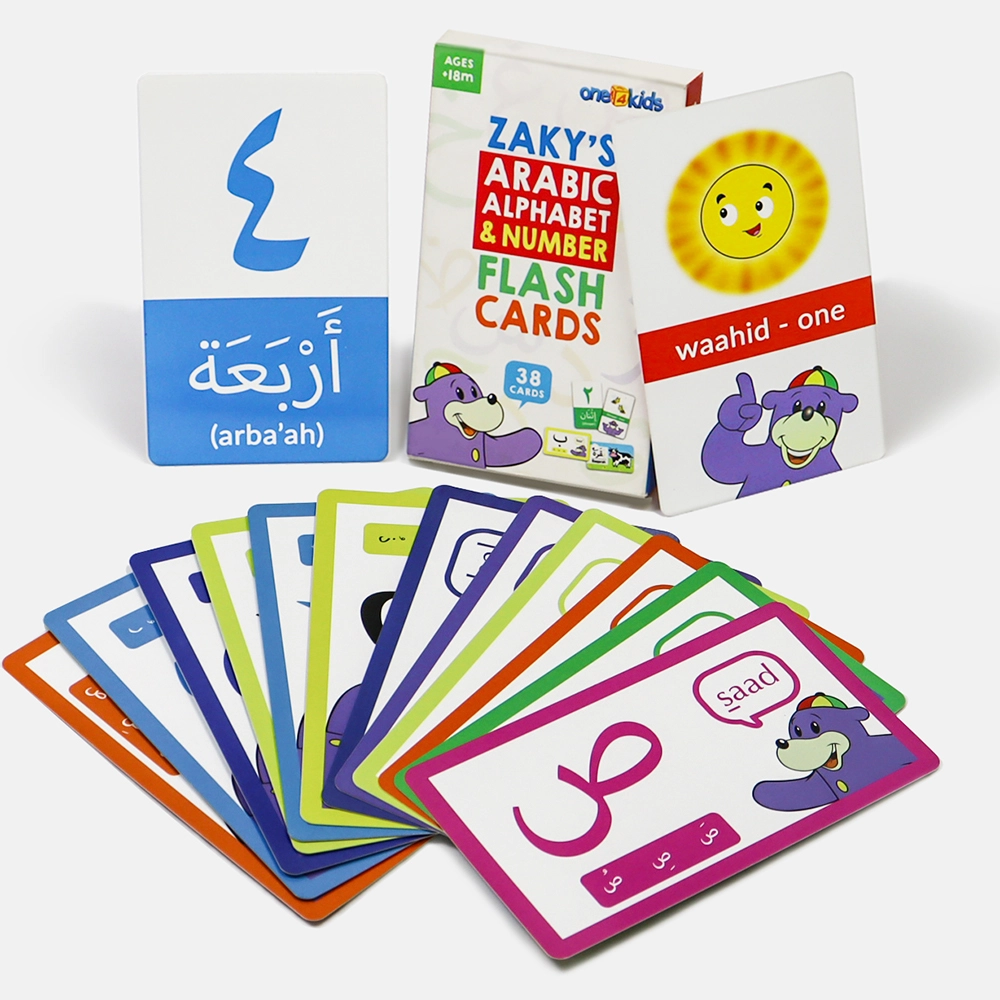
Custom Design Printing Font Stroke Learning Cards
These learning cards feature rich content across various topics, making them suitable for children of different ages. Bright colors and cute patterns engage young learners, while eco-friendly, non-toxic materials and rounded corners ensure safety. Thoughtfully sized for little hands, the cards can be used alone or paired with a reading pen or app for added fun and interactivity.
bbilaser
sq_AL