
Custom Playing Cards Printing: Cost and Options Compared
- Custom Playing Cards Printing: Cost and Options Compared
- What 'custom cards playing' means and who needs them
- Key cost factors for custom cards playing
- Materials and finishes: how they change price
- Printing methods and when to choose each
- Cost comparison table: typical price ranges and assumptions
- Minimum order quantities (MOQ) and how they affect pricing
- Lead times, production flow, and what to expect
- Shipping, import duties, and landed cost considerations
- How to choose the right option for your budget and goals
- Why supplier capabilities and certifications matter
- Guangdong Yuhua Playing Cards Co., Ltd.: strengths for custom cards playing
- Why choose Yuhua for your custom cards playing projects
- Products and OEM/ODM capabilities
- Real-world budgeting tips for custom cards playing
- Common mistakes to avoid
- FAQ: Common questions about custom cards playing
- How many decks should I order for the best price?
- What is the difference between linen and air-cushion finishes?
- Are there sustainable options for custom cards playing?
- How do I calculate landed cost?
- Can I get a proof before full production?
- Next steps and how to contact us / view products
- Sources and references
Custom Playing Cards Printing: Cost and Options Compared
Designing and ordering custom cards playing can feel complex: many options, different production methods, and wide price ranges. This article breaks down the real cost drivers, compares common options, and helps you make a cost-effective decision for everything from small promotional decks to casino-grade runs.
What 'custom cards playing' means and who needs them
Custom cards playing refers to decks or game cards printed to a client's unique artwork, branding, or specifications rather than off-the-shelf designs. Buyers range from hobby designers and board game publishers to casinos, educational institutions, and corporate marketing teams. The primary is usually resale, promotion, or branded experiences, so cost, lead time, and quality must align with business goals.
Key cost factors for custom cards playing
Understanding price begins with the variables that most affect cost. The main factors are:
- Quantity (MOQ and economies of scale): higher volumes reduce unit cost.
- Material and card stock: standard paper, High Quality coated paper, plastic, or blended stocks.
- Finish and coatings: matte, gloss, varnish, linen, air-cushion, or plastic lamination.
- Printing method: offset (most common for large runs), digital (best for small runs and proofs), and surface printing for certain effects.
- Packaging and extras: custom tuck boxes, embossing, foil stamping, shrink-wrap, and UPCs.
- Tooling and setup: plate fees for offset, artwork adjustments, and die lines for unique packaging.
- Lead time, rush charges, and shipping (air vs sea).
Materials and finishes: how they change price
Materials and coatings influence both tactile feel and durability. Typical choices include:
- Standard coated paper (330–300 gsm): economical and suitable for most card games.
- High Quality coated or linen paper: textured feel and better shuffling; often 300–330 gsm with a linen emboss.
- Plastic (PVC) cards: durable and waterproof; higher per-unit cost but long life for casinos or outdoor use.
- Specialty stocks (metallic, recycled FSC- certified): High Quality options that raise cost and perceived value.
Finishes like aqueous coating, varnish, or plastic lamination add protection and affect production method compatibility. Foil stamping, embossing, or spot UV are High Quality additions with setup costs.
Printing methods and when to choose each
Common printing methods for custom cards playing:
- Offset printing: best for medium to high quantities; excellent color fidelity; lower unit cost at scale but requires plate/setup fees.
- Digital printing: ideal for small runs, proofs, or variable data (e.g., numbered decks); higher per-unit cost but no plate fees.
- Flexo or gravure (less common for playing cards): used in very large runs or specialty packaging.
For most businesses producing 1,000+ decks, offset is the most cost-effective while digital suits pilot runs under 500–1,000 decks.
Cost comparison table: typical price ranges and assumptions
The table below shows typical per-deck price ranges based on material, finish, and order size. These are industry-based ranges; actual quotes will vary by supplier, geographic location, and current material/shipping costs.
| Option | Typical MOQ | Per-deck Cost Range (USD) | Lead Time (production) | Best use cases |
|---|---|---|---|---|
| Economy (standard cardstock, basic tuck, digital) | 100–500 | $2.50 – $6.00 | 10–20 days | Promotions, small runs, prototypes |
| High Quality linen finish (offset, custom tuck) | 500–2,000 | $3.50 – $9.50 | 15–30 days | Retail products, gifts, branded decks |
| Casino-grade (plastic or coated linen, strict QC) | 1,000–10,000+ | $4.00 – $12.00 (higher for small batches; lower when very large) | 20–40 days | Casinos, collectors, high-durability needs |
| Board game / custom game cards (multiple sizes, custom packaging) | 500–5,000 | $1.20 – $6.00 per 55-card set (varies by card count and packaging) | 20–45 days | Board games, Kickstarter campaigns |
Notes: Prices exclude shipping, customs, and possible tooling or custom die fees. These ranges reflect publicly available pricing from industry suppliers and marketplaces; see sources below.
Minimum order quantities (MOQ) and how they affect pricing
Suppliers set MOQs to make production efficient. For custom cards playing, MOQs depend on the printing method and whether you accept standard stock or require unique materials. Digital printing allows smaller MOQs (often 50–250), while offset printing becomes economical above 500–1,000 decks. If your project is smaller, consider digital or print-on-demand services; if larger, negotiate tiered pricing with suppliers to reduce unit cost as volume increases.
Lead times, production flow, and what to expect
Typical production steps include artwork approval, plate or digital setup, printing, card finishing, packaging, QC, and shipping. For a standard offset run the production time is often 2–4 weeks; adding custom finishes, specialty packaging, or strict QC can push this to 6 weeks or more. If time is critical, discuss expedited options and expect rush fees.
Shipping, import duties, and landed cost considerations
Unit price is only part of the total cost. Shipping method (air vs sea), packing density, and customs duties all alter the landed cost. Sea freight significantly lowers per-unit shipping for large orders but increases transit time. For small promotional runs, air freight or courier is common but can double or triple total cost. Always estimate landed cost (product + packing + shipping + duties + local handling) before finalizing retail pricing or ROI forecasts.
How to choose the right option for your budget and goals
Match the product attributes with your commercial objective:
- Prototype or test market: use digital printing and low MOQs.
- Retail-quality decks: choose High Quality paper, linen finish, and offset printing at moderate volumes for cost efficiency.
- High-durability / casino use: invest in plastic/PVC or casino-grade linen and rigorous QC processes.
- Board games with many card types: optimize by using standard stock for most cards and special finishes only where needed to control costs.
Request multiple quotes and ask suppliers to break down costs (materials, printing, finishing, packaging, shipping) so you can compare apples to apples.
Why supplier capabilities and certifications matter
Quality controls, certifications, and automated production reduce defects and protect brand reputation. Look for suppliers with ISO 9001 quality systems, FSC-certified materials for sustainability, and visible defect-rate metrics. These indicators often mean fewer surprises and a more consistent finished product.
Guangdong Yuhua Playing Cards Co., Ltd.: strengths for custom cards playing
Guangdong Yuhua Playing Cards Co., Ltd., founded in 2014, specializes in the R&D, design, and mass custom production of playing cards, game cards, and color-printed packaging. With a 6,000㎡ intelligent facility and advanced, automated card production lines capable of more than 1,000,000 units per month, Yuhua is positioned to serve a wide range of commercial needs for custom cards playing.
Why choose Yuhua for your custom cards playing projects
Key strengths that impact cost-effectiveness and reliability:
- FSC-certified materials: supports sustainability and appeals to eco-conscious buyers.
- ISO 9001 quality control and a defect rate under 0.5%: lowers waste and improves customer satisfaction.
- Over 20 patents and a High Quality brand using imported materials: supports innovation and consistent high quality.
- Automated lines with high monthly capacity: enables competitive unit pricing at scale and faster fulfillment.
These capabilities mean Yuhua can offer competitive pricing for medium-to-large runs, maintain tight quality tolerances for casinos and retail, and deliver faster lead times compared with smaller, manual suppliers.
Products and OEM/ODM capabilities
Yuhua offers a range of custom card products with OEM and ODM services suited to different markets:
- OEM Playing Card decks: standard and customized tuck boxes, multiple stock and finish options.
- ODM Tarot cards: custom sizing, foil, embossing, and High Quality packaging solutions.
- Custom Game Cards: multi-card sets for board games, variable data printing, and custom finishes.
- Learning Flash Cards OEM: educational flashcards with sturdy stocks and rounded corners for classroom use.
Core competitive advantages include high automated capacity, strict QC processes, FSC and ISO credentials, and professional support from design to mass production. These advantages help lower overall project risk and can reduce total landed cost through efficient manufacturing and lower defect-related reprints.
Real-world budgeting tips for custom cards playing
To keep your project on budget:
- Consolidate card types to reduce tooling and packaging complexity.
- Limit High Quality finishes to high-impact cards or the tuck box.
- Order slightly above MOQ tiers that reduce unit cost significantly.
- Request pre-production samples or short pilot runs before committing to large production.
- Factor in storage, fulfillment, and returns when projecting total cost.
Common mistakes to avoid
Many buyers underestimate the impact of artwork preparation, colorproofing, and packaging. Avoid these pitfalls:
- Submitting RGB artwork instead of CMYK – leads to color surprises and rework.
- Not allowing bleed/margins – results in cropping or wasted stock.
- Overusing High Quality options across the whole order instead of selectively applying them.
- Not asking for a cost breakdown – makes it hard to identify savings.
FAQ: Common questions about custom cards playing
How many decks should I order for the best price?
It depends on your target unit price and storage capacity. Generally, 1,000+ decks unlock substantially lower unit costs for offset printing. For small projects, digital printing is a better fit despite higher per-unit costs.
What is the difference between linen and air-cushion finishes?
Linen embossing gives a textured tactile feel and a classic look. Air-cushion finish provides a super-smooth, durable surface that improves shuffle. Each has a different cost and feel; request samples to compare.
Are there sustainable options for custom cards playing?
Yes. Many suppliers offer FSC-certified paper and soy or vegetable-based inks. Sustainable materials can slightly increase unit cost but appeal to eco-conscious consumers and retailers.
How do I calculate landed cost?
Add product cost, packaging, shipping, duties/taxes, insurance, and local handling. Divide total landed cost by units to get per-unit landed cost. Always include a contingency for unexpected fees.
Can I get a proof before full production?
Yes. Most suppliers offer digital proofs and physical samples. Physical samples are highly recommended for checking card feel, colors, and packaging before committing to mass production.
Next steps and how to contact us / view products
If you are planning a custom cards playing project, start by preparing your artwork with clear CMYK files and bleed margins, decide on target quantities, and list required finishes. Guangdong Yuhua Playing Cards Co., Ltd. provides professional support from R&D and design to mass production. With automated lines, FSC materials, ISO 9001 control, and a defect rate under 0.5%, Yuhua delivers fast, high-quality custom card solutions for casinos, games, education, and retail.
Contact Yuhua's sales team to request a quote, sample kit, or production timeline. Visit our product catalog to see OEM Playing Card decks, ODM Tarot cards, custom Game cards, and Learning Flash cards OEM options. Our team will help optimize materials and packaging to fit your budget and timeline.
Sources and references
- PrintNinja pricing and industry guides (print-on-demand and offset cost comparisons).
- MakePlayingCards.com pricing and production guides for small and large runs.
- Alibaba supplier listings for reference MOQs and material options.
- Statista and industry market reports on playing card market trends and materials.
- Company certifications and production data reported by Guangdong Yuhua Playing Cards Co., Ltd.
For a tailored quote and professional consultation on your custom cards playing project, contact Guangdong Yuhua Playing Cards Co., Ltd. today — we help turn designs into market-ready decks efficiently and reliably.
Top 5 playing cards made in china Company List and Products Compared
What is card game custom ?
Everything You Need to Know About customized poker playing cards
The latest trends for playing cards manufacturer | Yuhua Ultimate Insights
About product selection
Can I see a sample before a full order?
Yes, we will provide a prototype sample for your review to ensure you are satisfied with the final product.
What materials do you use for your cards?
We use high-quality, durable materials to ensure the best finish and longevity for your cards. Options include standard cardstock, premium finishes, and eco-friendly materials.
About cooperation process
How do you ensure the quality of your cards?
We implement strict quality control measures at every stage of production. Our team conducts thorough inspections to ensure each card meets our high standards before shipping.
About price and payment
How can I get a quote?
Getting a quote is easy! Simply fill out our contact form or call us directly with your project details, and we’ll get back to you with a tailored quote promptly.
About customized services
Do you offer samples?
Yes! We can provide samples of our card materials and finishes. Please contact us to request samples relevant to your project.
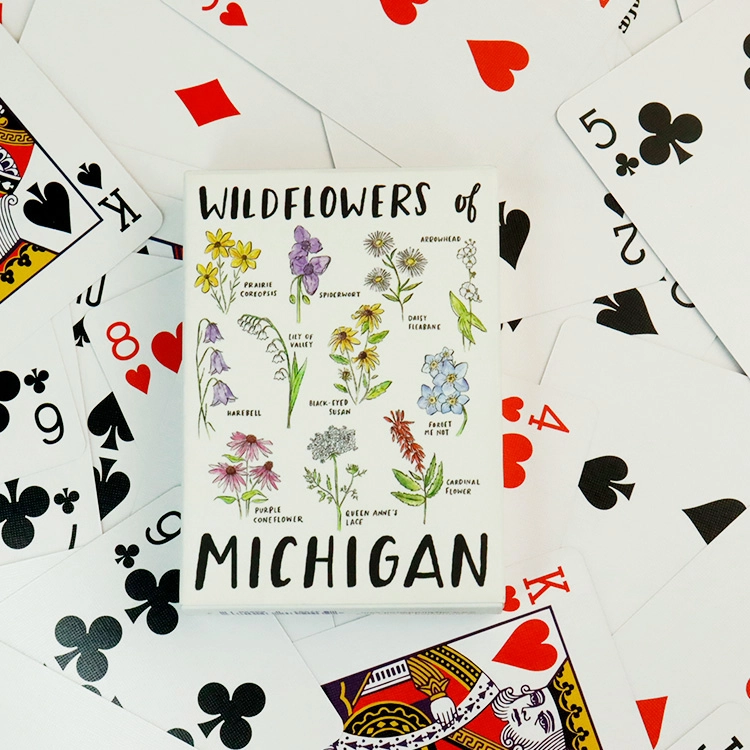
High Quality Eco-Friendly Durable Personalized Design Wildflowers Playing Cards with Custom Design Logo and Box
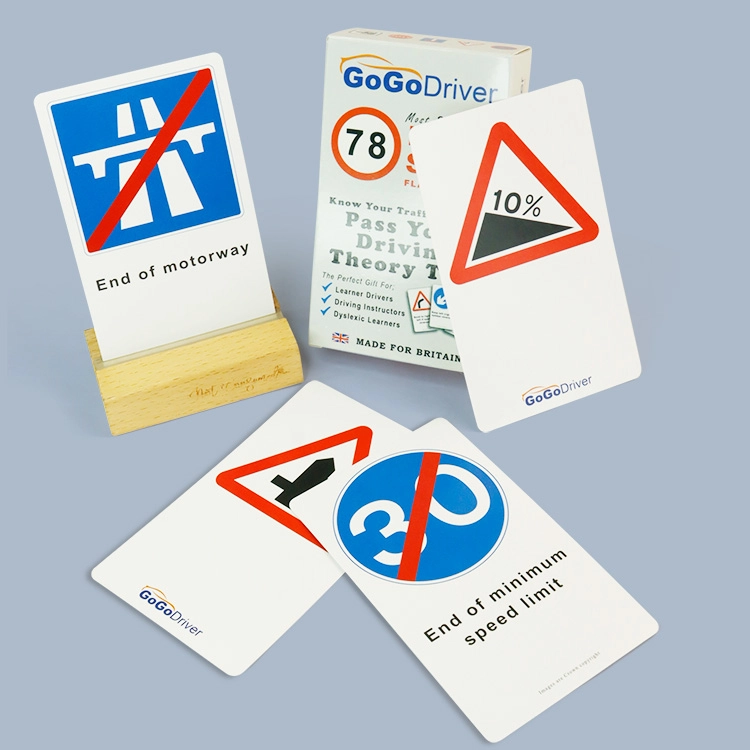
OEM Custom Driving Theory Cards | Personalized Traffic Rules & Test Prep Flashcards in Multiple Languages for Wholesale
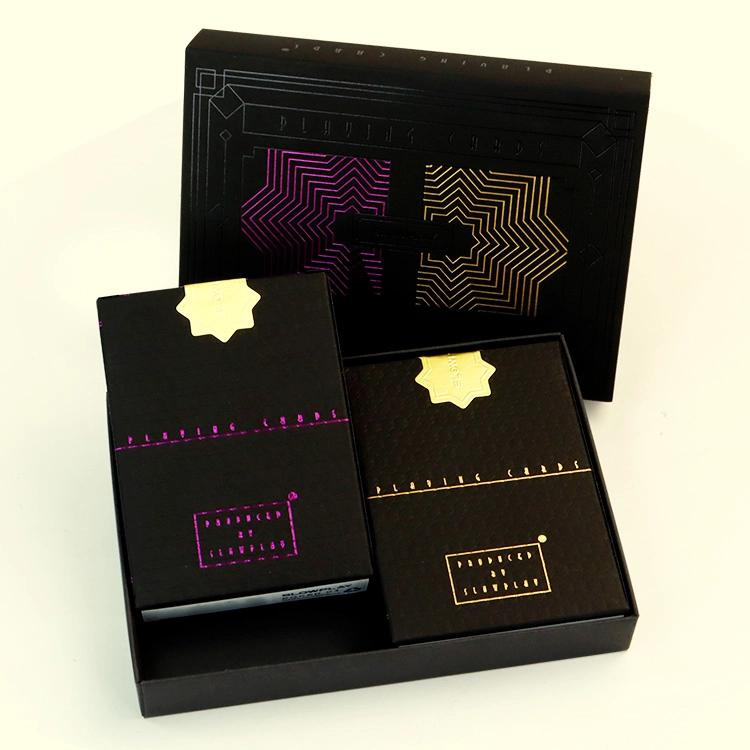
Custom Printing Luxury Two Sets Plastic Poker Playing Cards with Customized Packing
bbilaser
sq_AL