
Eco-Friendly Custom Cards: Sustainable Printing Tips
- Eco-Friendly Custom Cards: Sustainable Printing Tips
- Why sustainability matters for custom cards playing
- Choosing sustainable materials for custom cards playing
- Eco-friendly inks and coatings for custom cards playing
- Sustainable printing processes and production choices
- Packaging and logistics: reduce footprint for custom cards playing
- Quality and compliance: balancing sustainability with performance for custom cards playing
- Cost considerations and ROI for sustainable custom cards playing
- Implementing a sustainability checklist for your custom cards playing project
- Guangdong Yuhua Playing Cards Co., Ltd.: Sustainable Manufacturing at Scale
- How Yuhua supports eco-friendly custom cards playing projects
- Practical project example
- FAQ — Common questions about eco-friendly custom cards playing
- Are recycled cards as durable as new paper cards?
- Which ink/coating combination is best for recyclability?
- Can I get certification labels (e.g., FSC) on my custom cards?
- Is digital printing more sustainable than offset?
- How do I communicate sustainability to customers without greenwashing?
- Contact & Next Steps
- References and sources
Eco-Friendly Custom Cards: Sustainable Printing Tips
Why sustainability matters for custom cards playing
Consumers and businesses increasingly expect sustainability from physical products — and custom cards playing products are no exception. From promotional decks to educational flash cards, the environmental footprint of card production includes raw material sourcing, ink and coating chemistry, energy used in printing, waste generation, and end-of-life recyclability. Choosing greener options reduces environmental impact, supports brand reputation, and can unlock new markets (e.g., eco-conscious retailers, educational programs, and corporations with sustainability goals).
Choosing sustainable materials for custom cards playing
Material choice is the single largest lever for reducing the environmental impact of custom cards playing. Options vary by recyclability, print quality, whiteness, tactile feel, and cost. Below is a concise comparison to help you decide based on your project priorities.
| Material | Recyclability | Print/Finish Quality | Typical Cost Impact | Best Use |
|---|---|---|---|---|
| Recycled paper board (post-consumer) | High | Good, may be slightly off-white | Neutral to slightly higher | Everyday decks, learning cards, promo decks |
| FSC® certified virgin paper | High when recyclable | Very good; bright and consistent | Moderate | High Quality retail decks, casino-grade, branded gifts |
| Tree-free fibers (bamboo, sugarcane/bagasse) | Varies (often recyclable) | Good; texture may differ | Higher | Niche eco collections, storytelling brands |
| Coated vs uncoated boards | Coated may reduce recyclability if plastic coating | Coated = smoother, sharper print | Coating increases cost | Durable, high-handling cards |
Sources for the table: Forest Stewardship Council (FSC), U.S. Environmental Protection Agency (EPA), Carbon Trust.
Eco-friendly inks and coatings for custom cards playing
Inks and surface treatments affect both the look and the recyclability of custom cards playing. Consider these options:
- Vegetable-based (soy) inks: Lower volatile organic compounds (VOCs) than petroleum inks and easier to de-ink during paper recycling. Good color vibrancy for playing cards.
- Water-based inks: Best for reduced solvent emissions; suitable for many digital printing workflows.
- UV and LED-UV inks: Offer fast curing and reduced waste from shorter runs, but require evaluation for recyclability and energy use. LED-UV generally uses less energy than conventional UV curing.
- Aqueous coatings and water-based varnishes: Provide protection while being more recycling-friendly than solvent-based or plastic laminates. For high-wear items, choose coatings designed for recyclability.
When specifying inks and coatings, ask your manufacturer for VOC data and de-inkability test results. These help ensure that your custom cards playing product remains recyclable in typical municipal streams.
Sustainable printing processes and production choices
How your cards are printed matters. Consider process-level decisions that reduce waste and energy use:
- Digital printing for short runs: Reduces make-ready waste and enables print-on-demand to avoid overproduction. Ideal for prototypes, small custom batches, or personalized decks.
- Offset printing for large runs: More efficient at scale with lower per-unit energy and cost, but requires good planning to minimize spoilage and make-ready waste.
- Optimal nesting and imposition: Proper layout reduces paper waste. Ask your supplier about nest optimization tools and algorithms.
- Waste management: On-site recycling of paper trimmings, closed-loop water systems, and solvent recovery all lower environmental impact.
- Energy efficiency: Modern production lines with automation, LED-UV units, and energy management systems cut electricity use and carbon footprint.
Packaging and logistics: reduce footprint for custom cards playing
Packaging often creates more waste than the cards themselves. Reduce packaging impact with these practices:
- Use minimal packaging — slim cardboard tuck boxes or recycled rigid boxes sized to fit.
- Specify recycled and recyclable materials (FSC-certified shipping boxes, recycled inserts).
- Replace plastic shrink wrap with compostable or paper-based alternatives where feasible.
- Consolidate shipments and use bulk inner packaging to reduce transport emissions.
- Design packaging that doubles as storage or has a second life to increase perceived value and reduce disposal.
Quality and compliance: balancing sustainability with performance for custom cards playing
Sustainability should not mean sacrificing durability or handling — especially for products like playing cards that are handled frequently. Key steps to ensure quality while staying green:
- Choose FSC® certified or recycled board that meets required thickness and stiffness.
- Test coatings for friction, scuff resistance, and bend durability to ensure long card life, which reduces replacement frequency (a sustainability gain).
- Work with suppliers who follow quality management systems (e.g., ISO 9001) to keep defect rates low and avoid wasted reprints.
Cost considerations and ROI for sustainable custom cards playing
Sustainable options can carry higher upfront costs, but they often deliver a positive return when seen in context:
- Lower waste and optimized production reduce variable costs over time.
- High Quality eco-certifications and sustainable narratives can justify higher retail prices and open new markets.
- Longer-lasting cards reduce replacement frequency and lifecycle costs for institutional buyers (schools, casinos, corporate gifts).
Evaluate total cost of ownership (material cost + logistics + brand value) rather than per-unit price alone.
Implementing a sustainability checklist for your custom cards playing project
Use this practical checklist when you brief a supplier or designer:
- Define sustainability goals (e.g., % recycled content, FSC certification, carbon reduction targets).
- Choose materials and ask for material safety and recyclability data sheets.
- Specify inks/coatings and request VOC and de-inkability information.
- Decide on print method (digital for low volume, offset for high volume) and ask about make-ready waste estimates.
- Confirm packaging materials and recyclability, and ask for recommendations to minimize packaging.
- Request quality certifications (ISO 9001) and production capacity to meet delivery timelines.
- Ask for sample cards and conduct wear/durability testing before full production.
Guangdong Yuhua Playing Cards Co., Ltd.: Sustainable Manufacturing at Scale
For brands and businesses that need eco-friendly, large-volume custom cards playing solutions, Guangdong Yuhua Playing Cards Co., Ltd. provides an integrated option. Founded in 2014, Yuhua specializes in R&D, design, and mass custom production of playing cards, game cards, and color-printed packaging. With a 6,000㎡ intelligent facility and advanced automated production lines, they can deliver 1,000,000+ units per month — allowing economies of scale that lower environmental impact per unit.
How Yuhua supports eco-friendly custom cards playing projects
Yuhua's core strengths align closely with sustainable production goals:
- FSC® certified materials are available for customers seeking responsibly sourced fiber.
- ISO 9001 quality control helps keep defect rates under 0.5%, minimizing rework and waste.
- Over 20 patents and advanced automation reduce manual errors and improve energy efficiency during production.
- High Quality product lines use imported materials with trusted performance for long-lasting cards.
- Product offerings include OEM Playing Card, ODM Tarot cards, custom Game cards, and Learning Flash cards OEM — all available with sustainable material options and eco-conscious finishing choices.
Yuhua serves global markets — casinos, game publishers, educational institutions, and promotional brands — delivering fast, high-quality results with professional support. For companies needing bulk, certified, and consistent production of custom cards playing, Yuhua combines scale and sustainability to reduce per-unit environmental impact while maintaining High Quality quality.
Practical project example
Imagine a brand needs 200,000 promotional decks with eco claims. By choosing FSC-certified board, soy-based inks, aqueous coating, optimized offset imposition, and consolidated ocean shipping, Yuhua can produce high-quality decks with a lower lifecycle footprint than smaller, less integrated workshops — and with fast turnaround thanks to automated lines.
FAQ — Common questions about eco-friendly custom cards playing
Are recycled cards as durable as new paper cards?
High-quality recycled boards can be very durable if properly coated and treated. For heavy-use items (casino cards, frequent classroom use), consider FSC-certified virgin boards with eco-friendly coatings because they combine durability with responsible sourcing.
Which ink/coating combination is best for recyclability?
Vegetable-based or water-based inks paired with aqueous coatings typically offer the best balance of print quality and recyclability. Avoid plastic or polyethylene laminates if recyclability is a priority.
Can I get certification labels (e.g., FSC) on my custom cards?
Yes. Work with a manufacturer that sources certified materials and can provide chain-of-custody documentation. Yuhua offers FSC-certified material options for customers who require certification on their products.
Is digital printing more sustainable than offset?
It depends on run length. Digital printing reduces make-ready waste and is ideal for short runs and personalization. Offset becomes more efficient at larger volumes due to lower per-unit energy and ink consumption when amortized over many units.
How do I communicate sustainability to customers without greenwashing?
Be transparent: list material content, certifications (FSC, ISO), and production practices. Provide measurable claims (e.g., % recycled content, certification numbers) and avoid vague terms like eco-friendly without evidence.
Contact & Next Steps
Ready to create sustainable custom cards playing products? Contact Guangdong Yuhua Playing Cards Co., Ltd. for a consultation, sample order, or quote. Our team can recommend materials, coatings, and production methods that balance sustainability, durability, and cost — and provide certified documentation for your eco claims. View our product range or get a custom quote today.
References and sources
- Forest Stewardship Council (FSC) — information on certified fiber sourcing and labeling.
- International Organization for Standardization (ISO) — ISO 9001 quality management and ISO 14001 environmental management frameworks.
- U.S. Environmental Protection Agency (EPA) — guidelines on sustainable printing and materials management.
- Carbon Trust — lifecycle and carbon footprint frameworks for packaging and printed goods.
Custom Playing Cards for Branding: Corporate Gift Ideas
The latest trends for eco-friendly custom playing cards in us 2026 | Yuhua Ultimate Insights
OEM/ODM create custom affirmation cards Manufacturers and Suppliers
Understanding the Cost of Tarot Cards Deck: FAQs and Price Factors
About cooperation process
How do you ensure the quality of your cards?
We implement strict quality control measures at every stage of production. Our team conducts thorough inspections to ensure each card meets our high standards before shipping.
About logistics
Can you handle shipping and fulfillment?
Yes! We offer comprehensive fulfillment services, including storage, packing, and shipping. You can rely on us to ensure your cards reach their destination safely and on time.
About customized services
What is the minimum order quantity?
We do not have a strict minimum order quantity. Since we are a custom offset printing company, we recommend a minimum order of 500 sets, as the material costs are the same, but the printing setup costs are higher.
However, if your order quantity is less than 300 sets, our sales team will usually work with customers to help customers find the most competitive options.
About product selection
Is there a design template I can use?
Yes, we provide design templates for different card types. You can download them from our website or request them directly from our team.
About price and payment
What payment methods do you accept?
We accept various payment methods, including credit cards, PayPal, and bank transfers. Please reach out for more details on payment options.
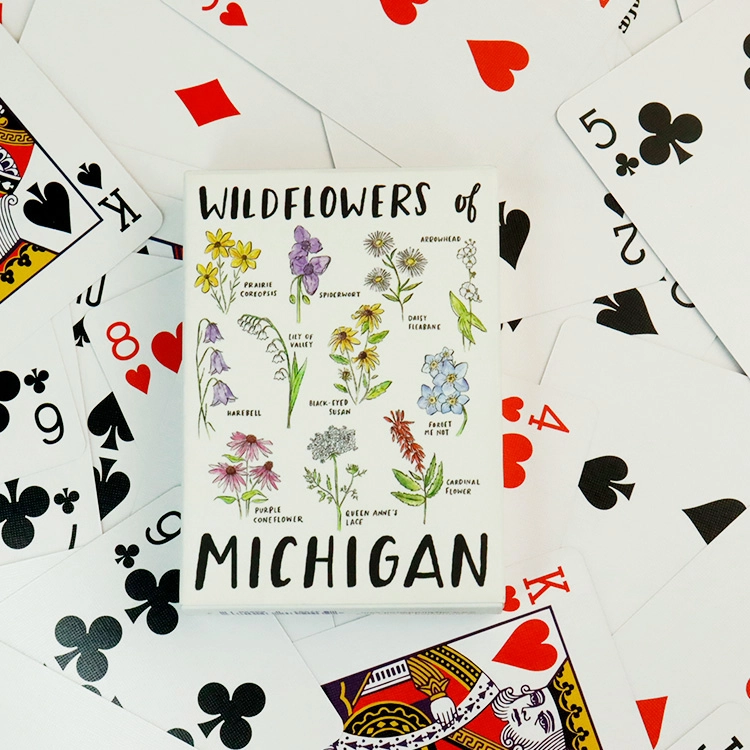
High Quality Eco-Friendly Durable Personalized Design Wildflowers Playing Cards with Custom Design Logo and Box
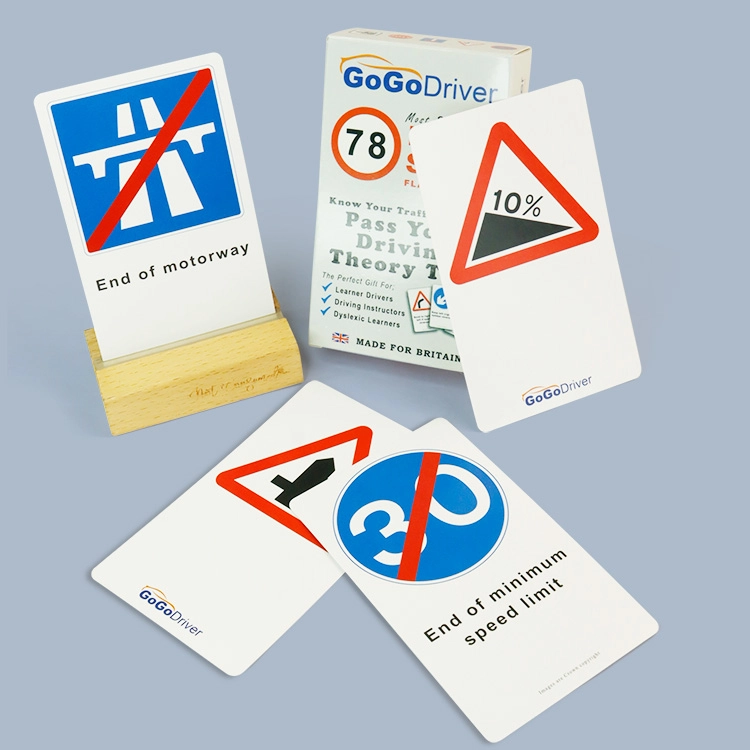
OEM Custom Driving Theory Cards | Personalized Traffic Rules & Test Prep Flashcards in Multiple Languages for Wholesale
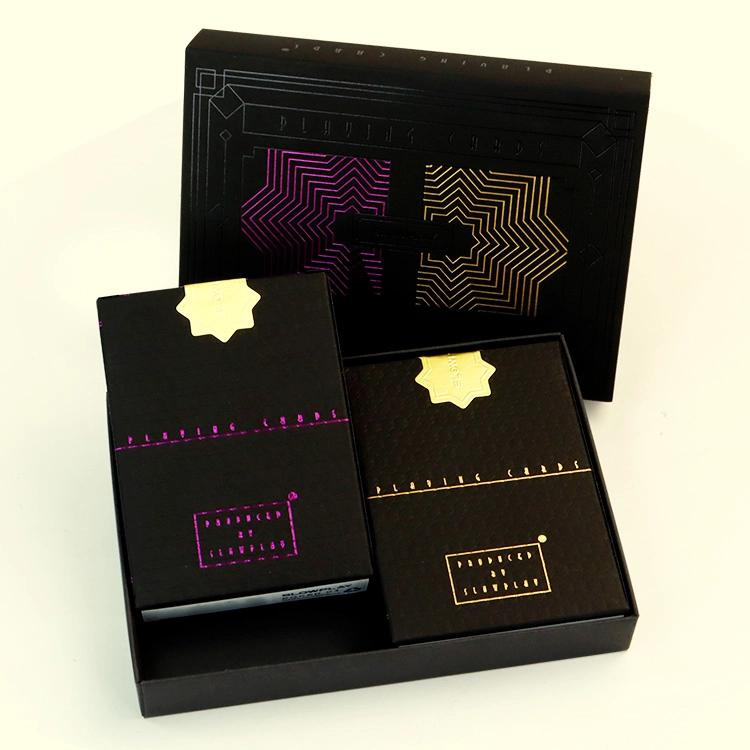
Custom Printing Luxury Two Sets Plastic Poker Playing Cards with Customized Packing
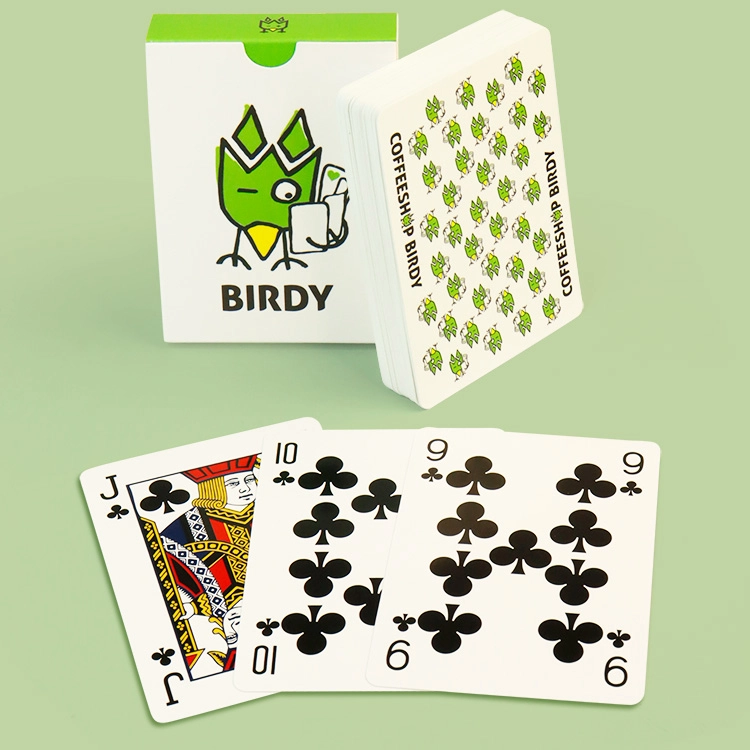
bbilaser
sq_AL