
Eco-Friendly Materials for Custom Learning Cards
- Eco-Friendly Materials for Custom Learning Cards
- Why eco-friendly custom learning cards matter for educators and brands
- Key eco-friendly material options for custom learning cards
- Coatings, inks, and finishing: green choices for custom learning cards
- Design and manufacturing practices to reduce environmental footprint
- Durability vs. sustainability: balancing longevity and recyclability for custom learning cards
- Certifications and compliance buyers should request for custom learning cards
- Cost considerations and supply chain realities for eco custom learning cards
- Why choose Guangdong Yuhua Playing Cards Co., Ltd. for eco-friendly custom learning cards
- How Yuhua implements sustainable production for learning cards
- Ordering, samples, and OEM/ODM services
- Frequently Asked Questions (FAQ)
- Q: Are FSC®-certified cards recyclable?
- Q: How do I choose between recycled paper and bamboo paper for learning cards?
- Q: Can laminated cards be recycled?
- Q: What certifications should I request for custom learning cards intended for children?
- Q: How does selecting durable materials affect the overall environmental impact?
- Contact and next steps — request samples or speak with an expert
- References
- Contact / View Products
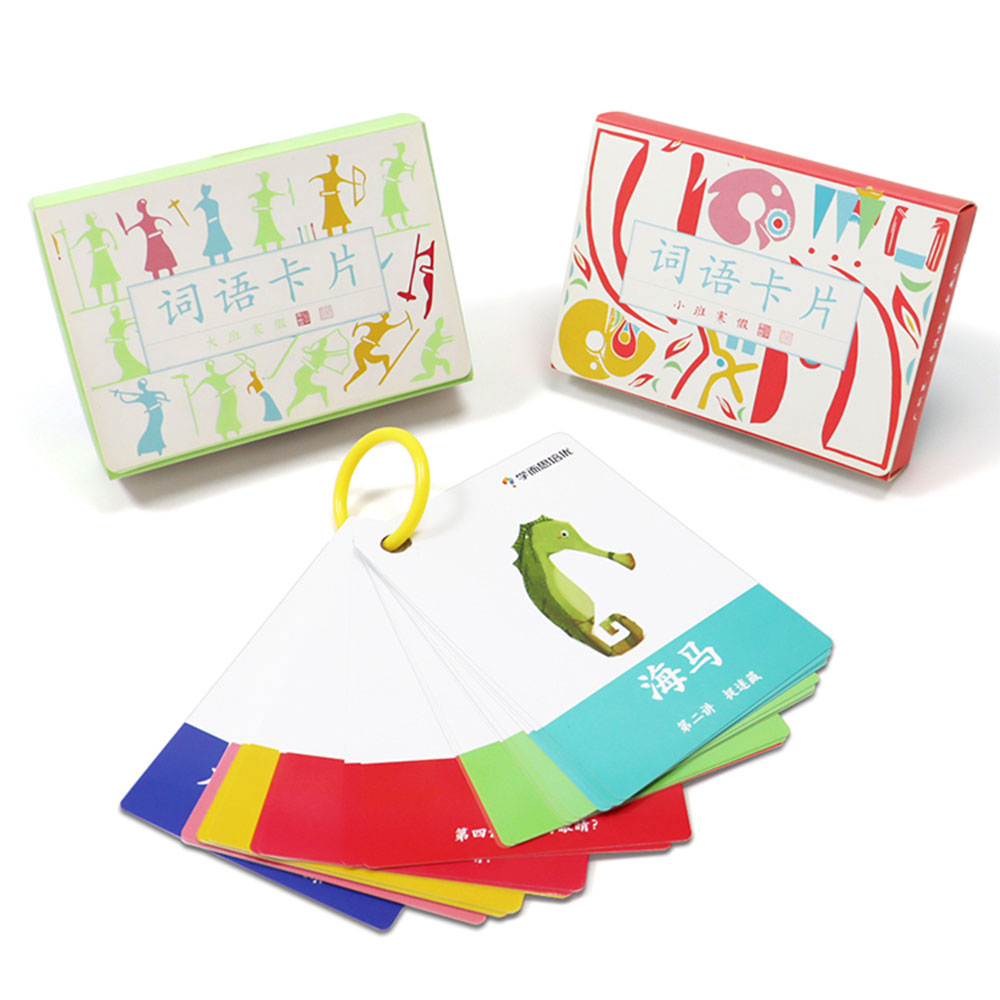
Eco-Friendly Materials for Custom Learning Cards
Why eco-friendly custom learning cards matter for educators and brands
Custom learning cards are widely used in classrooms, therapy, corporate training, and early childhood education. Choosing eco-friendly materials for these cards reduces environmental impact, supports safer learning environments for children, and aligns with institutional purchasing policies that favor sustainability. For buyers and manufacturers, sustainability also signals responsibility and can strengthen brand reputation. This guide explains practical material choices and manufacturing practices that balance durability, safety, cost, and environmental performance for custom learning cards.
Key eco-friendly material options for custom learning cards
When selecting materials for custom learning cards, consider three core attributes: environmental impact (raw material sourcing and recyclability), durability (handling, drop resistance, rubbing), and safety (non-toxic inks and coatings). Below is a practical comparison of common and emerging materials used in card production.
| Material | Sustainability Profile | Durability | Cost Tier | Best Use Cases |
|---|---|---|---|---|
| FSC®-certified paper / card stock | High (responsible forests, certified chain of custody) | Good for classroom cards; can be laminated for longer life | Medium | Flashcards, counting cards, low-moisture environments |
| Post-consumer recycled (PCR) paper | High (reduces virgin fiber demand; uses recycled content) | Moderate; strength varies with pulp content | Medium | Budget learning sets, packaging inserts |
| Seed-embedded paper | Biodegradable and innovative; supports circular use | Low to moderate; not for heavy-use cards | Medium–High | Promotional cards, environmental education sets |
| Bamboo/fiber alternative paper | Good (fast-growing, lower water use than trees) | Good; often comparable to virgin fiber paper | Medium–High | Durable flashcards, High Quality educational decks |
| PVC-free biodegradable plastics (PLA blends) | Variable; compostable in industrial facilities if certified | High water resistance and durability | High | Waterproof cards, outdoor educational use |
| Coated or laminated FSC paper (water-based coatings) | Good when coatings are water-based or recyclable | Very high; protects against abrasion and spills | Medium–High | High-use classroom cards, special needs therapy cards |
Sources for the material characteristics in the table are provided in the References section below. Choosing the right material depends on expected handling frequency, exposure to moisture, budget, and end-of-life options (recyclability or compostability).
Coatings, inks, and finishing: green choices for custom learning cards
Coatings and inks can significantly affect a card’s environmental profile and recyclability. Traditional solvent-based coatings and certain plastic laminates impede recycling and can contain harmful VOCs. Consider these alternatives:
- Water-based varnishes and aqueous coatings: lower VOCs and better recyclability than solvent-based finishes.
- Soy or vegetable-based inks: reduce petroleum-based content and improve de-inking in recycling processes.
- UV-cured inks and varnishes: can be energy-efficient but must be chosen carefully because some UV coatings complicate recycling.
- Thin aqueous lamination or water-based film: improves durability while keeping options open for recycling if specified materials are used.
When producing custom learning cards, request Material Safety Data Sheets (MSDS) for inks and coatings and look for low-VOC formulations to protect children and staff who handle the cards daily.
Design and manufacturing practices to reduce environmental footprint
Sustainable materials are only part of the picture. Smart design and manufacturing reduce waste and energy consumption:
- Optimize layout to maximize cards per sheet and minimize cutting waste.
- Use standard sizes where possible to simplify tooling and reduce die-cut waste.
- Order in economically efficient batches to reduce transport emissions and setup waste, while balancing inventory and demand.
- Design for disassembly and recycling—avoid mixing incompatible materials (e.g., PVC lamination over recyclable card stock).
- Use automated production lines to lower per-unit energy use and reduce defect rates (fewer reprints).
Manufacturers with strong quality control reduce waste and returns. For buyers, requesting production waste and recycling practices during vendor evaluation helps ensure alignment with sustainability goals.
Durability vs. sustainability: balancing longevity and recyclability for custom learning cards
Heavy-use educational cards (e.g., preschool flashcards) must survive repeated handling. There is a trade-off: highly durable plastic cards last longer (reducing replacements) but may be harder to recycle. Paper cards are easier to recycle but may wear out faster. A lifecycle approach helps:
- Estimate expected lifespan and choose material that minimizes total environmental impact across that lifespan (e.g., a slightly more resource-intensive but long-lived card may be preferable to frequent replacements).
- When possible, choose recyclable or compostable options that still meet durability needs (e.g., FSC paper with aqueous lamination or high-quality bamboo fiber stock).
- Provide usage and end-of-life guidance to customers so cards are recycled appropriately.
Certifications and compliance buyers should request for custom learning cards
Certifications demonstrate third-party validation. For buyers of custom learning cards, consider asking for:
- FSC® or PEFC certification for responsibly sourced paper and board.
- ISO 9001 for quality management—ensures consistent production and lower defect rates.
- EN 71 / ASTM / CPSIA compliance if cards will be used by young children (safety and chemical limits).
- Recycled content documentation for PCR materials and compostability certifications (e.g., ASTM D6400) for bioplastics.
These certifications help purchasers validate sustainability claims and meet institutional procurement requirements.
Cost considerations and supply chain realities for eco custom learning cards
Sustainable materials often cost more than the lowest-cost virgin alternatives, but the difference narrows with scale and with supplier commitments to sustainable sourcing. Key cost factors include:
- Raw material pricing: certified fibers and PCR content can add a High Quality.
- Finishing choices: water-based coatings may be slightly more expensive than standard laminates but can reduce downstream recycling costs.
- Minimum order quantities: smaller batches increase per-unit costs; high-volume production reduces cost High Quality for eco materials.
- Logistics: local sourcing reduces transport emissions and often shortens lead times, but may not always be available.
Buyers should compare the total cost of ownership (including replacement frequency and disposal) rather than focusing solely on the per-unit purchase price.
Why choose Guangdong Yuhua Playing Cards Co., Ltd. for eco-friendly custom learning cards
Guangdong Yuhua Playing Cards Co., Ltd., founded in 2014, specializes in the R&D, design, and mass custom production of playing cards, game cards, and color-printed packaging. With a 6,000㎡ intelligent facility and advanced automated production lines capable of 1,000,000+ units per month, Yuhua combines scale with sustainability. Key strengths relevant to buyers seeking eco-friendly custom learning cards include:
- Access to FSC® certified materials—ensuring responsible forest sourcing for card stock.
- ISO 9001 quality control systems to maintain product consistency and minimize defects (Yuhua reports a defect rate under 0.5%).
- Over 20 patents and ongoing R&D to develop efficient, low-waste production methods and innovative materials handling.
- Use of imported High Quality materials for products requiring higher performance and safety standards.
- Capability to serve global markets quickly—with professional support for design, prototyping, and large-scale custom runs.
Yuhua’s offerings include OEM Playing Card, ODM Tarot cards, custom Game cards, and Learning Flash cards OEM. These product lines combine the company’s manufacturing scale and certification credentials with flexible customization options: material selection (FSC or recycled stocks), eco-friendly inks and coatings, secure quality control, and packaging optimized for reduced waste. For organizations ordering educational materials, Yuhua’s mix of certification, production capacity, and professional support simplifies procurement and ensures high-quality, responsibly-made custom learning cards delivered on time.
How Yuhua implements sustainable production for learning cards
In practice, Yuhua supports eco-friendly custom learning cards through: sourcing FSC-certified paper, maintaining ISO 9001 processes that reduce rework and waste, offering water-based inks and coatings, and operating automated lines that lower per-unit energy use. The company’s intellectual property portfolio (20+ patents) focuses in part on improving yield and reducing material waste—benefits that pass to buyers as both environmental improvements and cost reductions. Yuhua also provides regulatory documentation and supports compliance needs for educational and children’s products.
Ordering, samples, and OEM/ODM services
For buyers considering a new custom learning card project, Yuhua provides prototyping and sample runs to validate material choices (e.g., FSC stock with aqueous varnish vs. bamboo fiber card). Typical services include layout optimization, die-cutting setups, proofing, and small-batch pilot manufacturing before scaling. Yuhua’s experience with OEM and ODM products like tarot cards and game decks translates directly to educational flashcards, where print quality, color fidelity, and tactile finish matter.
Frequently Asked Questions (FAQ)
Q: Are FSC®-certified cards recyclable?
A: Yes. FSC certification relates to responsible sourcing of the fiber. FSC-certified paper cards are recyclable where local paper recycling infrastructure exists; coatings and laminations can affect recyclability—choose water-based or easily removable coatings to maintain recyclability.
Q: How do I choose between recycled paper and bamboo paper for learning cards?
A: Recycled paper (PCR) reduces virgin fiber demand and can be cost-efficient. Bamboo paper offers strength and a High Quality feel with generally lower water use during cultivation. Choose PCR when circular economy credentials are priority; choose bamboo when higher durability and a High Quality tactile quality are needed.
Q: Can laminated cards be recycled?
A: Some laminations interfere with paper recycling. Water-based or easily separable laminates are preferable. Discuss recycling goals with your manufacturer and ask for recycling-friendly finishing options.
Q: What certifications should I request for custom learning cards intended for children?
A: Request FSC or PEFC for materials; ISO 9001 for quality; and applicable safety standards such as EN 71 or ASTM/CPSIA for toy/children’s product safety depending on your market.
Q: How does selecting durable materials affect the overall environmental impact?
A: Durable materials that reduce replacement frequency can lower environmental impact over the product’s lifetime despite higher initial resource use. Conduct a simple lifecycle assessment: consider expected lifespan, replacement rate, and end-of-life options.
Contact and next steps — request samples or speak with an expert
If you’re planning a custom learning cards project and want sustainable material options, request samples to compare feel, print quality, and finish. Guangdong Yuhua Playing Cards Co., Ltd. offers professional support for material selection, prototyping, compliance documentation, and scaled production. Contact Yuhua’s customer service to discuss FSC-certified stocks, water-based coatings, and OEM/ODM options for Learning Flash cards, Game cards, Tarot cards, and Playing Cards. Ask for unit cost estimates, lead times, and small-batch pilot runs to validate choices before committing to large orders.
References
- FSC International — information on responsible forest management and chain-of-custody certification.
- International Organization for Standardization (ISO) — ISO 9001 quality management systems overview.
- U.S. Environmental Protection Agency (EPA) — guidance on paper recycling and coatings.
- ASTM International — standards for compostability and for toy safety (referenced standards such as ASTM D6400 for compostability).
- EN 71 and CPSIA — common safety standards for children’s products in Europe and the U.S.
Contact / View Products
To explore eco-friendly custom learning cards, request product samples, or get a quote, contact Guangdong Yuhua Playing Cards Co., Ltd.’s customer service team. They can help select FSC-certified materials, advise on coatings and inks, and provide OEM/ODM manufacturing options with fast, high-quality production.
What are the different types of couple games cards?
The latest trends for eco-friendly custom playing cards in us 2026 | Yuhua Ultimate Insights
Best professional learning tree cards manufacturers and supplier brands in UK
How to Choose the private label affirmation cards manufacturer and supplier in Asia?
About customized services
Can I customize the design of my cards?
Absolutely! We offer full customization options, from card design and size to finishes and packaging. Our design team is ready to collaborate with you to create the perfect look.
What is the minimum order quantity for Private Label projects?
Our minimum order quantity usually starts at 500 pairs. However, we can handle smaller orders depending on the specific project requirements.
About product selection
What materials do you use for your cards?
We use high-quality, durable materials to ensure the best finish and longevity for your cards. Options include standard cardstock, premium finishes, and eco-friendly materials.
What types of playing cards do you offer?
We offer a wide range of playing cards including standard decks, custom-designed decks, and specialty cards. Whether you need classic poker cards, bridge cards, or custom promotional decks, we have the options to fit your needs.
About cooperation process
How long does the OEM process take?
The time depends on the complexity of the project, but generally OEM orders take about 6 weeks from design confirmation to delivery.
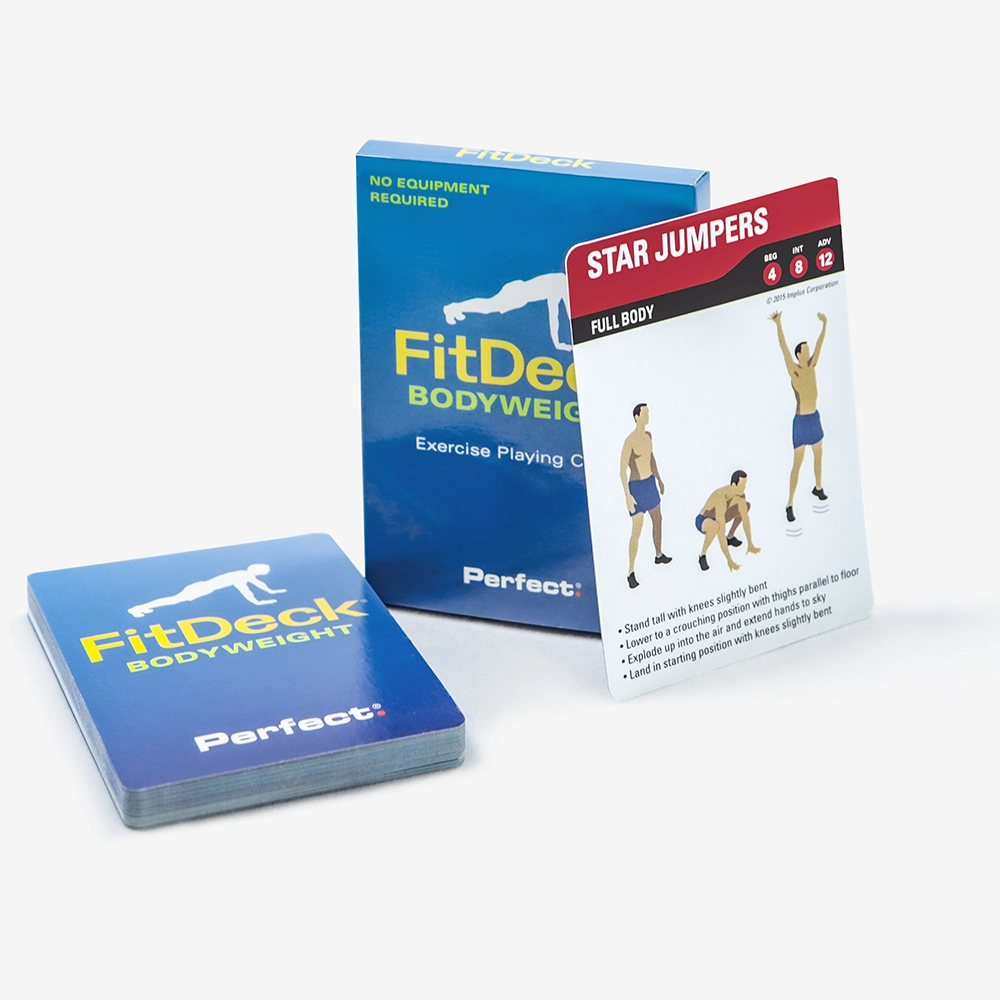
Custom Design Printing Fitness Learning Cards
The Fitness Learning Card is an innovative, beginner-friendly tool for fitness enthusiasts, featuring clear illustrations and instructions to ensure proper form and prevent injury. Organized by topics like strength training, cardio, stretching, and nutrition, it offers a systematic, easy-to-follow approach to building fitness knowledge and avoiding blind workouts.
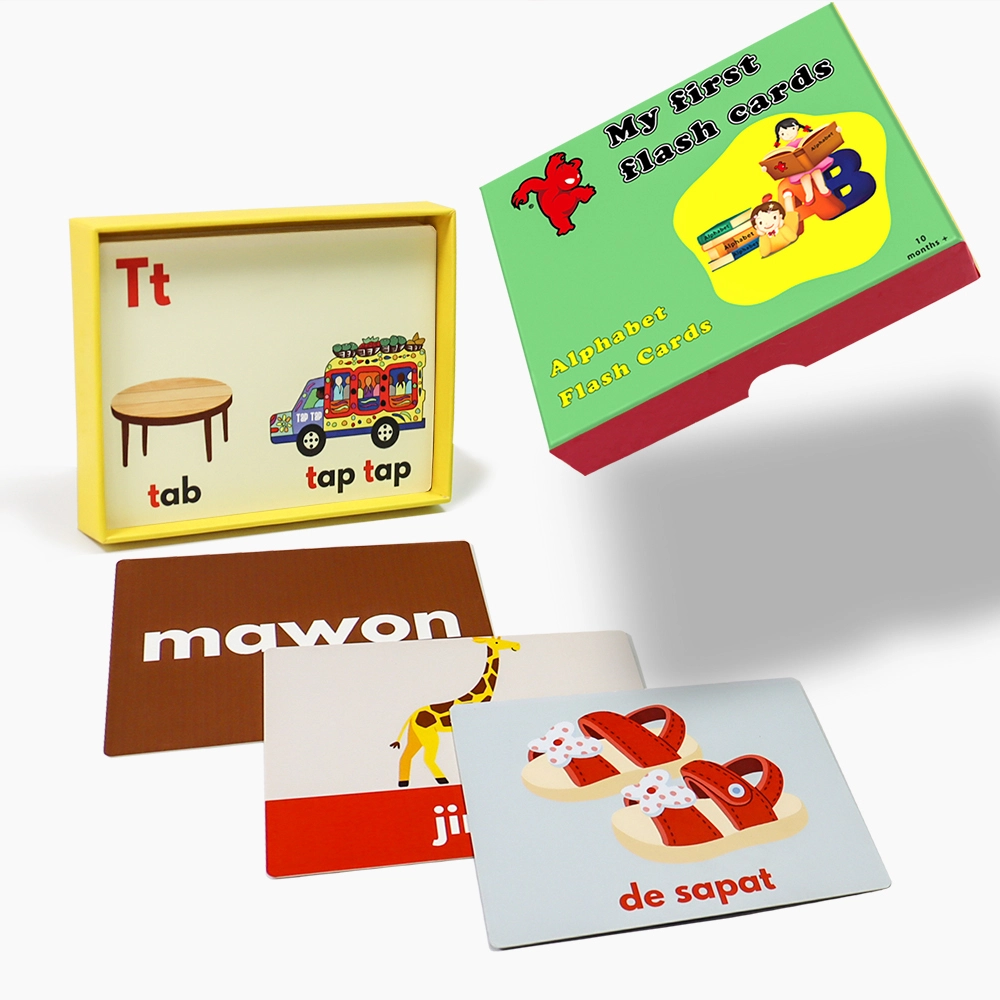
Factory Custom Printing High Quality Children's Learning Cards
Designed for preschoolers, kindergarteners, and primary school students, these cards support early cognitive development by introducing letters, numbers, colors, shapes, animals, fruits, and vehicles. Combining images and words enhances vocabulary and language skills, while games like sorting and pairing foster logical thinking and problem-solving. Repetition builds memory and focus, and the cards also encourage meaningful parent-child interaction.
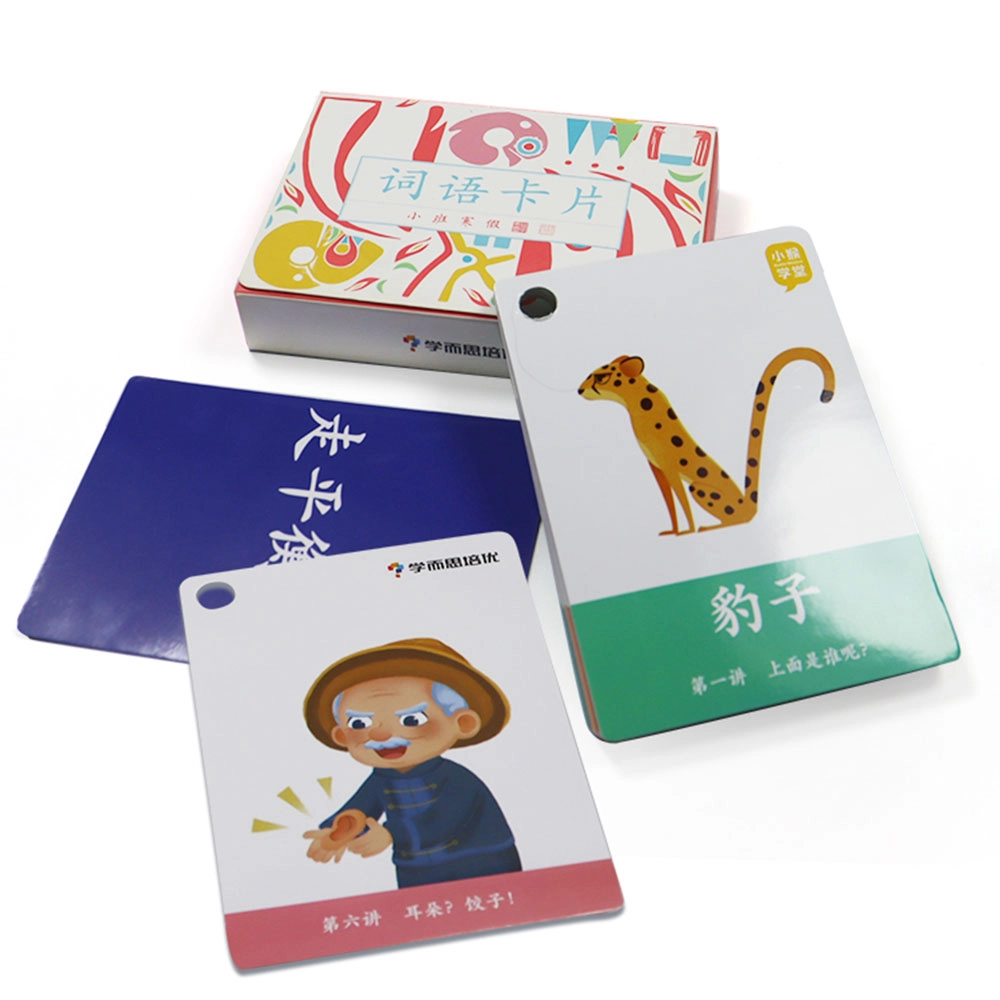
Chinese Words for Children Learning Cards
Chinese Character Learning Cards help kids ages 3-8 master basic Chinese characters through fun illustrations, pinyin, example words, and sentences. Designed for early learners, it builds language skills in an engaging way.
Custom Design Printing Font Stroke Learning Cards
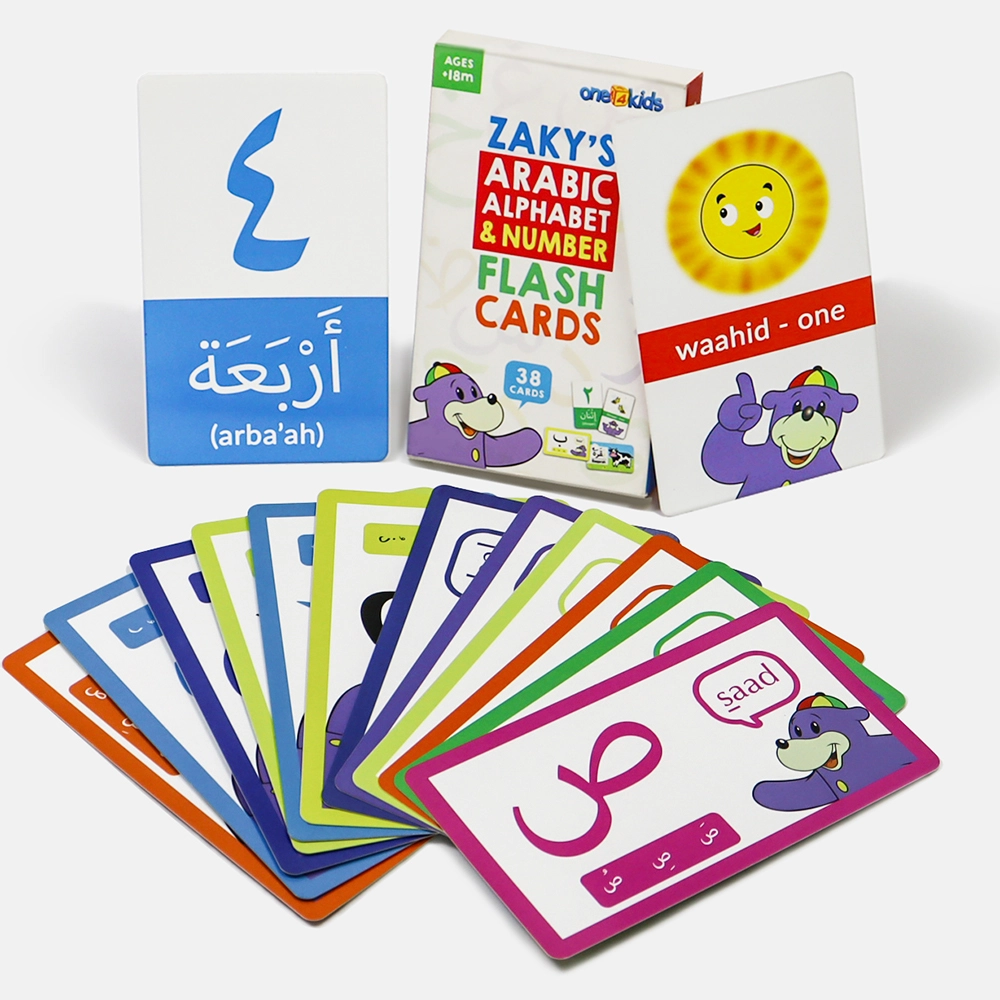
These learning cards feature rich content across various topics, making them suitable for children of different ages. Bright colors and cute patterns engage young learners, while eco-friendly, non-toxic materials and rounded corners ensure safety. Thoughtfully sized for little hands, the cards can be used alone or paired with a reading pen or app for added fun and interactivity.
bbilaser
sq_AL