
How to Choose the Perfect Tuck Box for Your Deck
- How to Choose the Perfect Tuck Box for Your Deck
- Why the right tuck box matters for your playing card project
- Understand the common tuck box types and their uses (playing card)
- Materials and board stocks: practical guidance for durability and print quality
- Tuck box finishes and treatments that affect perception and resilience
- Design considerations: structure, print, and usability for playing card tuck boxes
- Production scale and lead time: selecting the right manufacturing approach
- Cost factors and how to optimize budget without sacrificing quality (playing card)
- Packaging for distribution: protection, stacking, and retail display
- Comparing tuck box types and materials (quick reference)
- Quality control checkpoints when ordering custom playing card tuck boxes
- How Guangdong Yuhua Playing Cards Co., Ltd. supports tuck box selection and mass production
- Checklist: asking your manufacturer the right questions (playing card tuck box)
- Final selection strategy: match product goals to tuck box choices
- FAQ — common questions about tuck boxes for playing card decks
- Contact us / View products
- References and sources
How to Choose the Perfect Tuck Box for Your Deck
Why the right tuck box matters for your playing card project
When planning any custom playing card product, the tuck box does more than hold cards. It protects the deck during shipping and storage, communicates brand quality at the point of sale, and affects user experience when opening and closing the deck. A well-chosen tuck box reduces returns from damaged decks, elevates perceived value, and can be a cost-effective way to differentiate your product in a crowded market. In short: selecting the correct tuck box is an essential part of product design and production planning for playing card projects.
Understand the common tuck box types and their uses (playing card)
There are several tuck box styles used for playing card decks. Selecting between them depends on your project's goals—protection, High Quality feel, cost, or sustainability:
- Standard tuck box – A single-piece, folded paperboard box with a tuck flap. Best for mass-market decks and minimal cost while offering basic protection.
- High Quality tuck box with inner flap – Adds an internal locking flap for a firmer closure and a more substantial feel. Good for mid- to High Quality-range playing card products.
- Two-piece rigid box – Consists of a separate lid and base (like a jewelry box). Offers high protection and a High Quality unboxing experience, suitable for limited editions and luxury decks.
- Magnetic or drawer-style box – Uses magnets or a slide mechanism for closure. High-end feel, often used for collector decks or gift sets.
- Plastic or PVC boxes – Durable and waterproof; commonly used for novelty decks or products intended for long-term outdoor or heavy use.
Each style balances cost, protection, and perceived value differently. For mass-produced promotional decks, standard tuck boxes are common. For collectible or casino-grade playing card products, rigid or drawer-style boxes often make more sense.
Materials and board stocks: practical guidance for durability and print quality
Material choice affects print results, durability, and sustainability. Typical options include coated paperboard, uncoated board, kraft board, and PVC. Consider these attributes:
- Weight and thickness – Measured in gsm (grams per square meter) or points (pt). A heavier board (e.g., 350–450 gsm) increases rigidity and durability; lighter stocks (250–300 gsm) reduce cost and bulk but feel flimsier.
- Coating – Coated boards (silk/matte/gloss) provide sharper print colors and better resistance to scuffing. Uncoated boards offer a tactile matte finish and can be more eco-friendly.
- Specialty substrates – Linen-embossed, metallic foils, or textured boards add tactile and visual uniqueness but increase unit cost.
- Sustainability – FSC® certified board or recycled content helps meet eco-conscious branding and procurement standards.
Tuck box finishes and treatments that affect perception and resilience
Finishes are a cost-effective way to change consumer perception and improve durability:
- Matte lamination – Soft, modern look; reduces glare and offers scratch resistance.
- Gloss lamination – Vibrant, High Quality look; better color pop but shows fingerprints more easily.
- Spot UV – Adds shiny accents to specific areas for contrast and tactile interest.
- Foil stamping – Metallic accents to convey luxury; commonly used on logos and titles.
- Embossing / Debossing – Adds a tactile 3D feel to logos or patterns for a higher perceived value.
When selecting finishes, balance visual impact with cost and production complexity. Many High Quality effects add setup time and tooling costs but can significantly improve shelf appeal.
Design considerations: structure, print, and usability for playing card tuck boxes
Design choices must support both production and end-user experience. Key considerations include:
- Opening experience – How easy is it to remove and reinsert cards? Consider inner flaps, thumb cuts, or a semi-automatic locking tuck for smoother use.
- Card fit and tolerance – Specify the exact card dimensions, including corner radius and stacking tolerance, so the box internal dimensions prevent tight fits or too much slop.
- Print area and bleeds – Plan artwork with sufficient bleed and safe zones. Include registration marks and color profiles if you're working with a manufacturer.
- Brand messaging – Use the box surface to share instructions, game details, trademarks, or authenticity marks (important for limited editions).
Production scale and lead time: selecting the right manufacturing approach
Production volume strongly influences the best manufacturing route:
- Small runs (hundreds–low thousands) – Digital printing and shorter production runs are cost-effective and allow rapid iterations. Good for prototypes and limited editions.
- Medium runs (thousands–tens of thousands) – Offset printing reduces unit cost at scale, though setup costs and tooling (die cuts, embossing plates) increase.
- Large-scale mass production – High-volume automated lines and pre-negotiated materials sourcing dramatically lower cost per unit but require precise specs and longer lead times.
Understand minimum order quantities (MOQs), tooling fees, and expected lead times from suppliers before finalizing the tuck box design.
Cost factors and how to optimize budget without sacrificing quality (playing card)
The tuck box influences several cost components: materials, finishing, printing method, assembly (manual vs. automated), and shipping volume (thicker or bulky boxes increase freight). Ways to optimize:
- Choose dyes/spot colors strategically to limit expensive foil or special effects only to focal areas.
- Standardize sizes to use common dielines and reduce tooling changes.
- Work with an experienced manufacturer who can recommend material substitutions that preserve appearance but reduce cost.
Packaging for distribution: protection, stacking, and retail display
Think beyond the single box — how decks will be boxed, palletized, and stocked matters. For retail or wholesale distribution, consider:
- Bulk inner boxes: group tuck boxes into protective cartons to reduce movement during transit.
- Retail-ready packaging: hang-tabs or display-ready multipacks for shelving.
- Shelf impact: color and finishing choices that read at arm's length and match the retail environment.
Comparing tuck box types and materials (quick reference)
Below is a concise comparison to help you choose. Values shown are typical ranges—final specs depend on your manufacturer and application.
| Type / Material | Durability | Perceived Value | Typical Cost | Typical Thickness |
|---|---|---|---|---|
| Standard paperboard tuck | Moderate | Low–Medium | Low | 250–330 gsm |
| Heavy coated board / High Quality tuck | High | Medium–High | Medium | 350–450 gsm |
| Rigid two-piece box | Very High | High–Luxury | High | 1.5–3.0 mm (composite) |
| PVC / Plastic box | Very High (waterproof) | Novelty–Mid | Medium–High | 0.3–0.8 mm |
Sources for typical ranges and material characterizations are industry printing references and manufacturer specifications (see citations).
Quality control checkpoints when ordering custom playing card tuck boxes
To maintain consistent product quality, include these checkpoints in your production plan:
- Pre-production proof: request a physical proof for colors, materials, and dieline fit before mass production.
- First article inspection (FAI): inspect the initial production batch to verify specs match the approved sample.
- In-line quality checks: ensure the manufacturer performs regular checks for print registration, glue integrity, and finishing defects.
- Final carton inspection: verify finished tuck boxes and packaged decks for shipping damage and correct quantities.
How Guangdong Yuhua Playing Cards Co., Ltd. supports tuck box selection and mass production
When you need reliable scale and professional guidance, Guangdong Yuhua Playing Cards Co., Ltd. offers an integrated solution. Founded in 2014, Yuhua specializes in R&D, design, and mass custom production of playing cards, game cards, and color-printed packaging. With a 6,000㎡ intelligent facility and advanced automated production lines capable of producing over 1,000,000 units per month, Yuhua combines high output with consistent quality—helpful when your tuck box design requires tight tolerances and high repeatability.
Key capabilities relevant to tuck box projects include:
- FSC® certified materials to support sustainability goals.
- ISO 9001 quality control systems ensuring consistent manufacturing processes.
- A defect rate under 0.5%, reflecting stringent QC standards and automated inspection.
- Over 20 patents and a High Quality brand line using imported materials, trusted worldwide.
Yuhua serves global markets with custom solutions for casinos, retail games, educational flash cards, and corporate or promotional decks—delivering fast, high-quality results and professional support. Whether you need OEM playing card production, ODM tarot cards, custom game cards, or learning flash cards OEM, Yuhua can advise on optimal tuck box structures, materials, and finishes to match your product positioning and budget.
Checklist: asking your manufacturer the right questions (playing card tuck box)
When soliciting quotes, use this checklist to compare vendors and ensure clarity:
- What are the available board weights and finishes? Can you provide physical samples?
- What is the MOQ for the chosen tuck box type and finish?
- What tooling/die-cut costs and lead times apply for embossing, foil, or custom shapes?
- Can you produce certified materials (e.g., FSC®) and provide chain-of-custody documentation?
- What quality control measures are in place and can we inspect during production?
- What are estimated shipping and packaging options to protect tuck boxes during transit?
Final selection strategy: match product goals to tuck box choices
To conclude, choose based on your primary project goals:
- If budget and rapid turnaround are the priority: choose a standard or light-coated tuck box with digital printing and limited special finishes.
- If retail appeal or brand perception is the priority: select heavier board, matte/spot UV or foil accents, and consider a High Quality inner flap or rigid box option.
- If durability and reuse are priorities: consider PVC or rigid boxes with protective inner supports.
- If sustainability is key: prioritize FSC® certified boards and water-based coatings.
Partnering with an experienced producer like Guangdong Yuhua helps you balance these needs—leveraging their scale, QC systems, and material certifications to achieve a cost-effective and high-quality result.
FAQ — common questions about tuck boxes for playing card decks
Q: What tuck box type is best for a luxury limited edition deck?
A: A rigid two-piece box or a drawer-style box with magnetic closure and High Quality finishes (foil, embossing, matte lamination) creates the highest perceived value and protection.
Q: How thick should the board be for a standard retail deck?
A: For retail decks, a coated board in the 300–350 gsm range offers a good balance of durability and cost; heavy High Quality decks often use 350–450 gsm.
Q: Can tuck boxes be made from recycled or FSC® certified materials?
A: Yes. Many manufacturers offer FSC® certified board and recycled-content options—ask for certification documents. This is recommended if sustainability is part of Yuhua promise.
Q: How long does tooling and production typically take?
A: Tooling/setup (for die cuts, embossing plates) can add 1–3 weeks; production lead times vary by volume from a few days for short digital runs to 4–8+ weeks for high-volume offset production including finishing.
Q: Can the tuck box be designed to prevent card wear?
A: Yes. Use smooth inner liners, precise internal tolerances, and consider rounded internal corners or an inner sleeve to minimize friction and edge wear on the cards.
Contact us / View products
If you are planning a custom playing card project and need help choosing the perfect tuck box, contact Guangdong Yuhua Playing Cards Co., Ltd. for professional advice, material samples, and production quotes. We provide OEM playing card production, ODM tarot cards, custom game cards, and learning flash cards OEM with rapid prototyping, FSC® materials, ISO 9001 quality control, and automated production capable of 1,000,000+ units per month.
Contact our sales team to request samples, get an accurate quote, or review standard dielines and finishing options.
References and sources
- Forest Stewardship Council (FSC®) — information on certified materials and chain of custody: fsc.org
- ISO — ISO 9001 Quality Management Systems information: iso.org
- Industry printing references on paperboard weights and finishes — Printing industry resources and manufacturer specifications (general guidance from trade publications and print suppliers).
- Manufacturer information and tuck box options — examples and specifications commonly provided by custom playing card manufacturers and print vendors.
The best custom playing cards Cost Guide
Everything You Need to Know About custom card game printing
Custom Tarot Card Sizes, Paper Types, and Finishes
Custom Playing Cards for Retailers: Buying in Bulk Guide
About cooperation process
How do you ensure the quality of your cards?
We implement strict quality control measures at every stage of production. Our team conducts thorough inspections to ensure each card meets our high standards before shipping.
How long does the OEM process take?
The time depends on the complexity of the project, but generally OEM orders take about 6 weeks from design confirmation to delivery.
About customized services
Can I see a proof before production?
Yes! We provide digital proofs for your approval before we start production. This ensures that everything meets your expectations.
What is the minimum order quantity?
We do not have a strict minimum order quantity. Since we are a custom offset printing company, we recommend a minimum order of 500 sets, as the material costs are the same, but the printing setup costs are higher.
However, if your order quantity is less than 300 sets, our sales team will usually work with customers to help customers find the most competitive options.
About product selection
Can I see a sample before a full order?
Yes, we will provide a prototype sample for your review to ensure you are satisfied with the final product.
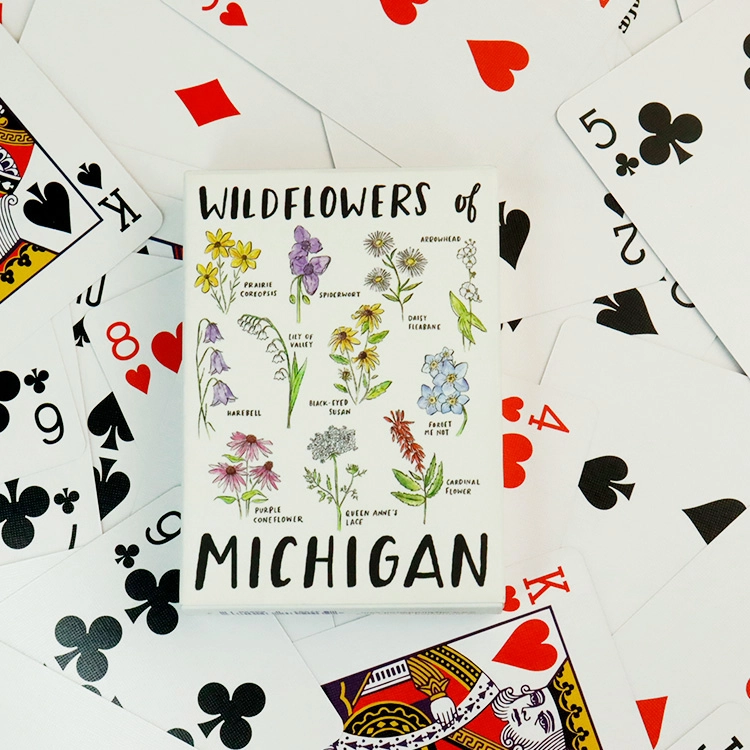
High Quality Eco-Friendly Durable Personalized Design Wildflowers Playing Cards with Custom Design Logo and Box
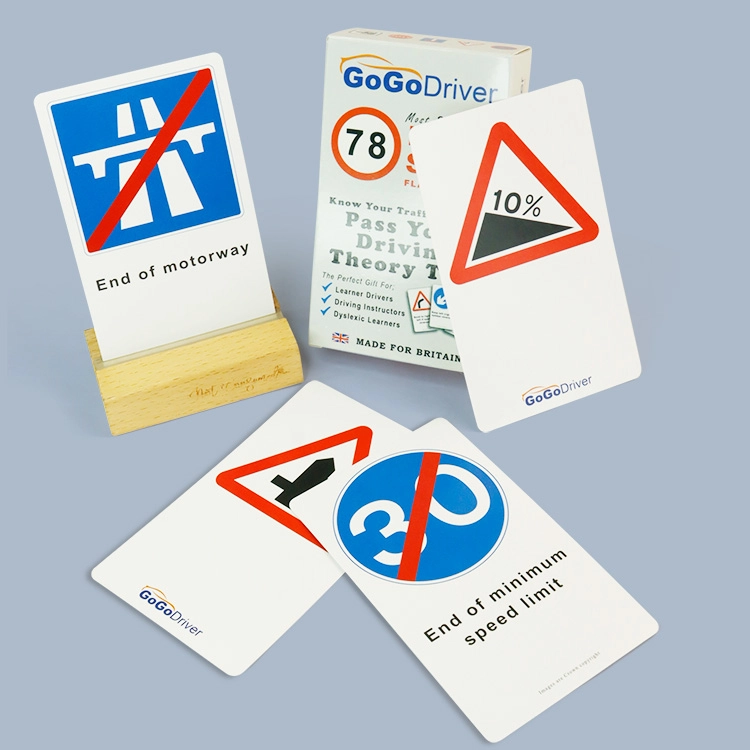
OEM Custom Driving Theory Cards | Personalized Traffic Rules & Test Prep Flashcards in Multiple Languages for Wholesale
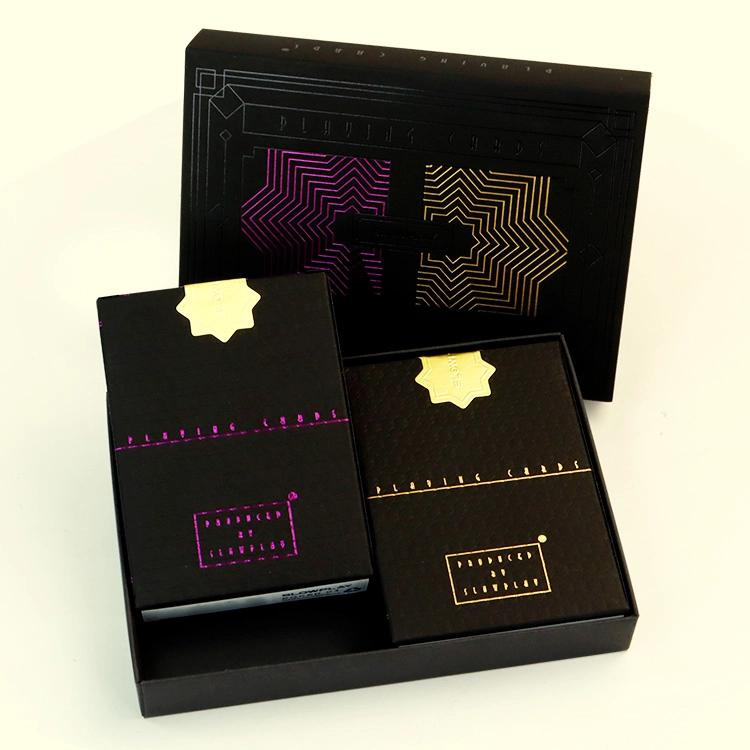
Custom Printing Luxury Two Sets Plastic Poker Playing Cards with Customized Packing
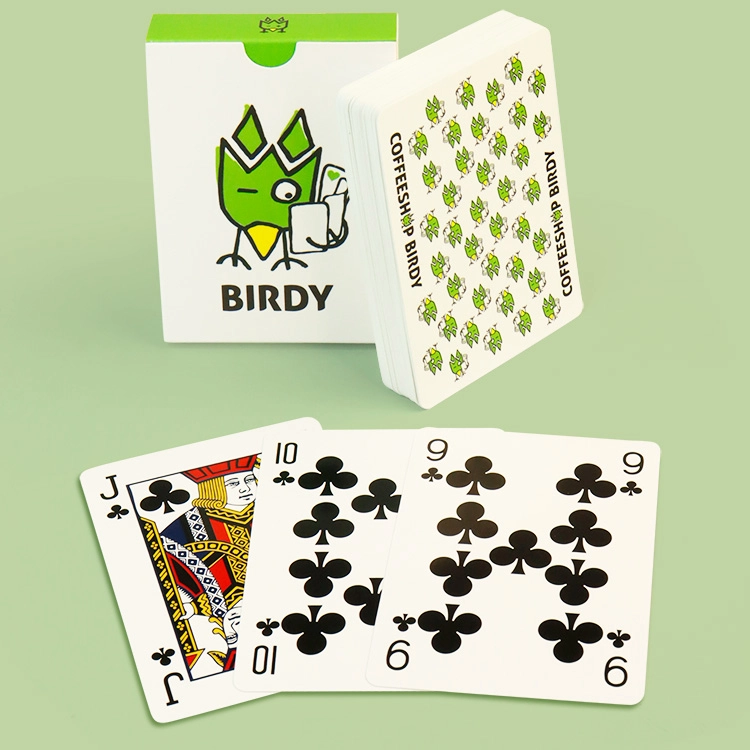
bbilaser
sq_AL