
Accessibility: Making Custom Cards Inclusive
- Accessibility: Designing Inclusive Custom Learning Cards
- Why accessibility matters for custom learning cards
- Design principles for accessible custom learning cards (keyword: custom learning cards)
- Practical accessibility features and how to implement them (keyword: custom learning cards)
- Material and manufacturing considerations (keyword: custom learning cards)
- Testing and validation: involve real users early (keyword: custom learning cards)
- Cost, lead time, and quality trade-offs (keyword: custom learning cards)
- Standards, guidelines and procurement considerations (keyword: custom learning cards)
- Manufacturing partner selection: why experience matters (keyword: custom learning cards)
- How Guangdong Yuhua can help make your custom learning cards inclusive
- Yuhua product offerings and OEM/ODM capabilities (keyword: custom learning cards)
- Implementation checklist for launching accessible custom learning cards
- Case example: language-learning flash cards with multimodal accessibility
- Frequently Asked Questions (FAQ)
- Contact us / View products
- References
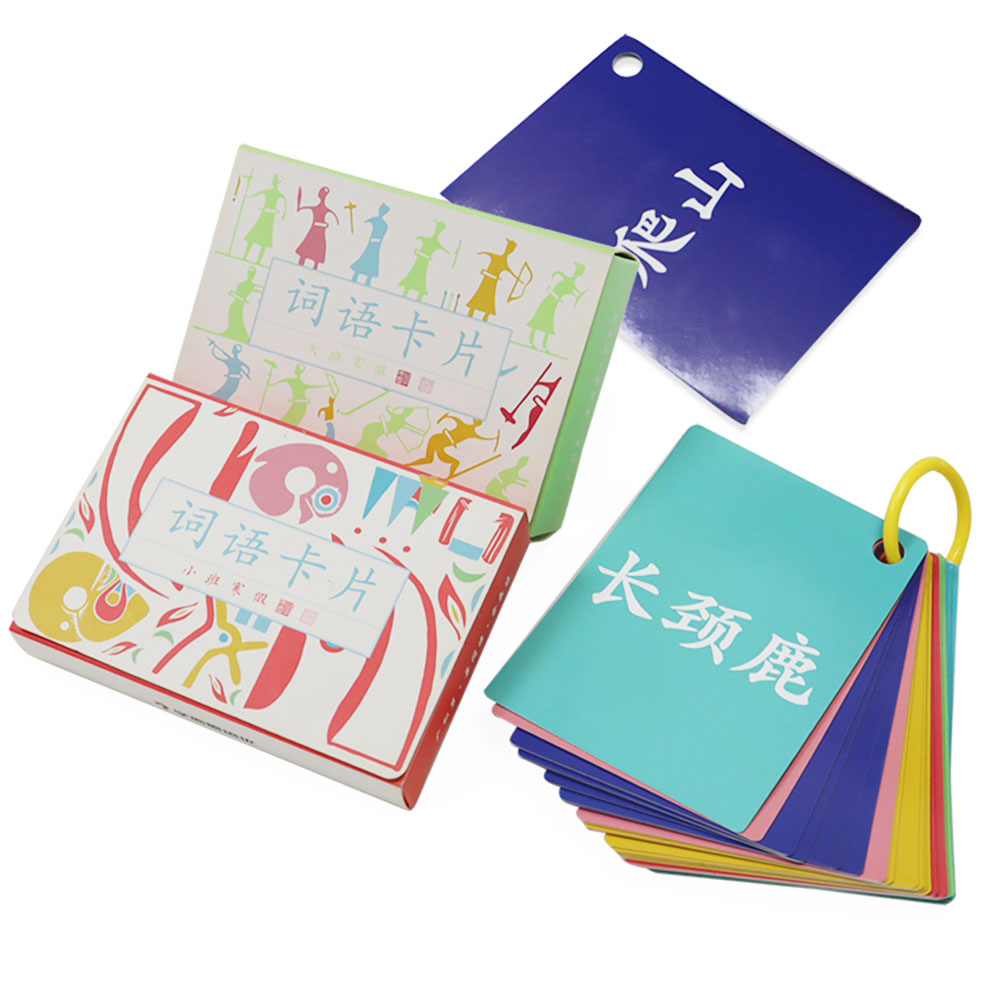
Accessibility: Designing Inclusive Custom Learning Cards
Why accessibility matters for custom learning cards
Custom learning cards are powerful tools for education, therapy, and play. Ensuring they are accessible means more learners — including people with visual, cognitive, motor, and sensory differences — can use them independently. Accessibility expands market reach, meets procurement requirements for schools and institutions, and demonstrates social responsibility. When we speak of accessibility for physical cards, we mean design choices (type size, contrast), tactile features (embossing, Braille), multimodal access (QR/audio), durable materials, and inclusive packaging and instructions. The goal: remove barriers while keeping cards engaging and functional.
Design principles for accessible custom learning cards (keyword: custom learning cards)
Start accessibility at the design stage. These guiding principles help your custom learning cards meet diverse needs:
- Readable typography: Use simple sans-serif or highly legible serif fonts. For primary content, consider 18–24 pt for large-print variants. Avoid condensed or decorative fonts for essential text.
- High contrast: Ensure strong foreground/background contrast for text and symbols. Aim for a contrast ratio consistent with accessibility guidance (see references) so text remains legible for low-vision users.
- Clear hierarchy: Use bolding, size, and spacing to separate prompts, answers, and instructions. Keep layouts uncluttered.
- Tactile cues: Add raised lines, embossing, or Braille labels where appropriate, especially for key navigation elements on the card set.
- Multimodal access: Combine print with audio (QR codes linking to audio files) or companion apps to support auditory learners and users with visual impairments.
- Durability: Use thicker cardstocks and protective finishes so tactile elements and print withstand heavy handling and cleaning.
Practical accessibility features and how to implement them (keyword: custom learning cards)
Below are commonly used accessibility features, how they help, and production notes to implement them in custom learning cards.
- Large-print cards: Increase font size and spacing. Best for older learners or those with low vision. Production: layout adjustments only; no special tooling required but may increase card size and materials.
- High-contrast printing: Use dark text on pale backgrounds or reversed (light on dark) with careful color selection. Production: select inks and coatings to avoid glare; matte finishes often reduce reflectance.
- Braille: Provide grade-1 Braille for single words or grade-2 where brevity matters. Production: requires embossing plates or tactile printing processes and thicker substrates to hold dots reliably.
- Embossed/tactile graphics: Raised outlines or shapes help visually impaired users understand images and diagrams. Production: involves embossing dies; design must allow minimum line widths and spacing to be tactilely distinguishable.
- Audio integration (QR/URLs): Link each card or card group to short audio files. Production: add a small QR code and clear labeling; host audio on a stable server or provide downloadable files.
- Color-coding with texture: Combine color cues with different textures or edge notches to help colorblind users and those who rely on tactile differentiation.
Material and manufacturing considerations (keyword: custom learning cards)
Materials and production techniques strongly influence accessibility, longevity, and user experience.
- Substrate choice: For tactile and Braille features, thicker paperboard (400–600 gsm) or plastic cards are recommended. Thin cardstock may flatten tactile dots over time.
- Coatings and finishes: Matte or soft-touch lamination reduces glare and helps with legibility. Avoid excessively glossy coatings that can hide tactile details and create reflections.
- Edge and corner treatments: Rounded corners reduce wear and prevent paper cuts; consistent card sizing helps with handling and storage for users with motor difficulties.
- Production techniques: Embossing requires custom dies and greater press precision. Braille embossing must follow dot-height and spacing conventions to be readable. Digital printing combined with over-press embossing is a common efficient workflow.
Testing and validation: involve real users early (keyword: custom learning cards)
Accessibility cannot be verified by designers alone. Engage target users (e.g., teachers of visually impaired students, occupational therapists, and end-users) in iterative testing. Key steps:
- Prototype tactile and large-print cards and conduct hands-on trials to check Braille dot durability, tactile distinguishability, and font legibility.
- Test QR/audio workflows on common devices. Ensure files load quickly and navigation is simple.
- Collect feedback on card size, weight, and handling for people with limited dexterity.
- Update designs based on real-world feedback before mass production.
Cost, lead time, and quality trade-offs (keyword: custom learning cards)
Adding accessibility features can change cost and lead time. Below is a concise comparison to help decision-making.
| Feature | Accessibility benefit | Production complexity | Cost impact | Recommended use |
|---|---|---|---|---|
| Braille | Enables reading for blind users | High: embossing tools, thicker substrate | High | Special education sets, tactile labeling |
| Embossed/tactile graphics | Conveys diagrams/shapes tactually | Medium-High: custom dies, testing | Medium-High | STEM diagrams, map cards, shapes |
| Large print | Improves readability for low vision | Low: layout changes | Low | General learning cards for older children/adults |
| High contrast / matte finish | Reduces glare and increases legibility | Low: color selection and finish choices | Low | All educational cards |
| QR/audio integration | Offers multimodal access | Low-Medium: design and hosting | Low-Medium | Language learning, pronunciation guides, stories |
Source: production complexity and cost categories are based on industry manufacturing experience and typical tooling requirements.
Standards, guidelines and procurement considerations (keyword: custom learning cards)
When building accessible custom learning cards for institutions, reference established guidelines and procurement rules:
- Follow general accessibility principles from recognized bodies (see references like WHO and W3C WCAG for digital companion materials).
- Include clear product specifications in RFQs: substrate gsm, coating, embossing tolerances, Braille grade, QR/audio hosting, acceptable defect rate, and testing plans.
- Request production samples and a formal quality-control plan with acceptable defect thresholds before approving large runs.
Manufacturing partner selection: why experience matters (keyword: custom learning cards)
Choosing a manufacturer with both card-making expertise and accessibility experience reduces risk. Look for partners that provide:
- Accessible prototyping services (rapid embossing/sampling)
- Automated production that still accommodates special processes like embossing and die-cutting
- Quality systems (ISO 9001) and sustainable materials (FSC®) to align with institution procurement
- Low defect rates, clear communication, and technical support for design-for-manufacture (DFM)
How Guangdong Yuhua can help make your custom learning cards inclusive
Guangdong Yuhua Playing Cards Co., Ltd., founded in 2014, specializes in the R&D, design, and mass custom production of playing cards, game cards, and color-printed packaging. With a 6,000㎡ intelligent facility and advanced, automated card production lines capable of 1,000,000+ units per month, Yuhua brings the combined scale and flexibility needed for accessible card projects.
Core strengths that support accessibility-focused projects include:
- FSC® certified materials, supporting responsible sourcing for printed materials.
- ISO 9001 quality control systems and a company-stated defect rate under 0.5%—helpful for institutions requiring consistent quality.
- Over 20 patents and R&D capacity to develop specialized tooling for embossing, tactile features, and integrated QR/audio workflows.
- High Quality brand using imported materials trusted worldwide, with experience serving casinos, games, education, and institutional markets.
Yuhua's manufacturing and design teams can advise on substrate selection for Braille and tactile elements, recommend finishes to reduce glare, produce large-print variants, and incorporate QR codes or serialized audio content. Their automated lines allow economically viable runs at higher volumes, while experienced engineers support prototyping and testing phases.
Yuhua product offerings and OEM/ODM capabilities (keyword: custom learning cards)
Yuhua's typical product and service lines that map to accessibility needs:
- OEM Playing Card: Standard and custom-size playing cards with options for thicker board, rounded corners, matte finishes, and tactile edges.
- ODM Tarot cards: Larger card formats useful for adult education and therapy decks; Tarot’s size is often used for clearer imagery and larger text.
- Custom Game cards: Durable game cards with options for embossing, spot treatments, and specialized coatings that preserve tactile elements.
- Learning Flash cards OEM: Core product for education programs: large-print sets, color/high-contrast variants, QR-enabled audio cards, and tactile/Braille versions for special education.
Combining Yuhua’s production capacity (1,000,000+ units/month), FSC materials, and ISO 9001 processes makes it feasible to produce both small pilot runs and large-scale institutional programs while maintaining consistent quality and traceability.
Implementation checklist for launching accessible custom learning cards
Use this checklist when planning a project to ensure accessibility goals are met:
- Define target users and accessibility priorities (Braille, large print, audio, tactile).
- Create initial layouts and request prototypes with the desired features.
- Test prototypes with representative users and revise design accordingly.
- Confirm materials, finishes, and production methods with the manufacturer (embossing dies, substrate gsm, lamination).
- Plan hosting and labeling for audio files (QR links) or provide offline audio media as required.
- Specify quality acceptance criteria (defect %, tactile durability) and request a pre-production sample run.
- Include accessible packaging and instructions, with alternative formats (digital, audio) available.
Case example: language-learning flash cards with multimodal accessibility
Imagine a set of 200 custom learning cards for language learners that includes: large-print vocabulary on one side, tactile icon and Braille label on high-frequency word cards, and a QR code linking to native-speaker audio. A typical workflow:
- Design: 20% of cards flagged for Braille and tactile icons; all cards use 18–22 pt type and high-contrast palettes.
- Prototype: Create tactile proofs and record audio files for QR hosting.
- Production: Use 450 gsm board, matte lamination, embossing for Braille, and digital printing for color consistency. Final QA checks tactile dot height and QR readability across devices.
- Distribution: Include printed quick-start instructions in both large print and audio (QR) forms, packaged in an easy-open box with tactile tab markers.
Frequently Asked Questions (FAQ)
Q1: How much more does it cost to produce Braille or tactile custom learning cards?
A: Costs vary by volume, substrate, and embossing complexity. Braille and tactile embossing require tooling and thicker stock, so expect higher per-unit cost for small runs. At larger volumes, the incremental cost becomes more economical. Work with your manufacturer to get a tiered quote.
Q2: Can QR codes be used reliably for audio access?
A: Yes—when implemented well. Use high-contrast QR codes, test across devices and lighting, and host audio on a reliable platform. Provide fallback options (short URL or downloadable package) for users with limited connectivity.
Q3: What’s the minimum font size for large-print cards?
A: While needs vary, many accessible large-print cards use body text in the 18–24 pt range and clear line spacing. Test with target users to confirm legibility for your audience.
Q4: Can tactile features survive heavy classroom use?
A: Yes, when produced on sufficiently thick board or plastic and with proper finishing. Matte lamination and thicker substrate increase durability. Request wear testing during prototyping.
Q5: How long does it take to produce an accessible custom card order?
A: Typical timelines depend on complexity. Simple large-print variants only change layout and may add minimal lead time. Embossed/Braille runs require tooling and prototyping—plan additional weeks for die-making and testing. Discuss schedules with your supplier early.
Contact us / View products
If you’re planning a custom learning cards project and need a manufacturing partner experienced with accessibility features, contact Guangdong Yuhua Playing Cards Co., Ltd. to discuss prototypes, lead times, and pricing. View product options for OEM Playing Card, ODM Tarot cards, custom Game cards, and Learning Flash cards OEM and request samples to validate accessibility and quality.
References
- World Health Organization (WHO): World report on disability and disability fact sheets — commonly cited estimates indicate at least 1 billion people live with some form of disability.
- W3C Web Content Accessibility Guidelines (WCAG) — for guidance on contrast and multimodal content (applied as a general accessibility principle).
- Forest Stewardship Council (FSC®) — certification program for responsibly sourced forest products.
- International Organization for Standardization (ISO) — ISO 9001 quality management system details.
- Industry manufacturing references and supplier whitepapers on embossing, Braille production, and tactile printing methods.
Note: Company-specific production numbers and claims (6,000㎡ facility, 1,000,000+ units/month capacity, defect rate under 0.5%, over 20 patents) are provided by Guangdong Yuhua Playing Cards Co., Ltd. and reflect the company’s stated capabilities.
How to manufacturing superior brand playing cards in Asia
What are the different types of children's learning cards?
Custom Learning Cards for Early Childhood Development
Custom Printed Poker Cards: Custom Logos, Faces, and Backs
About price and payment
What are the payment terms?
We require a 30% deposit upon order confirmation and the balance before shipment.
How can I get a quote?
Getting a quote is easy! Simply fill out our contact form or call us directly with your project details, and we’ll get back to you with a tailored quote promptly.
About cooperation process
How do you ensure the quality of your cards?
We implement strict quality control measures at every stage of production. Our team conducts thorough inspections to ensure each card meets our high standards before shipping.
After-sales support
What is your return policy?
We stand behind the quality of our products. If you receive a defective item, please contact us within 30 days for a replacement or refund. Customized orders are generally non-refundable unless there's an error on our part.
Can I order a sample before placing a formal order?
Yes, we can provide samples for your review. Please contact us to discuss pricing and options for samples.
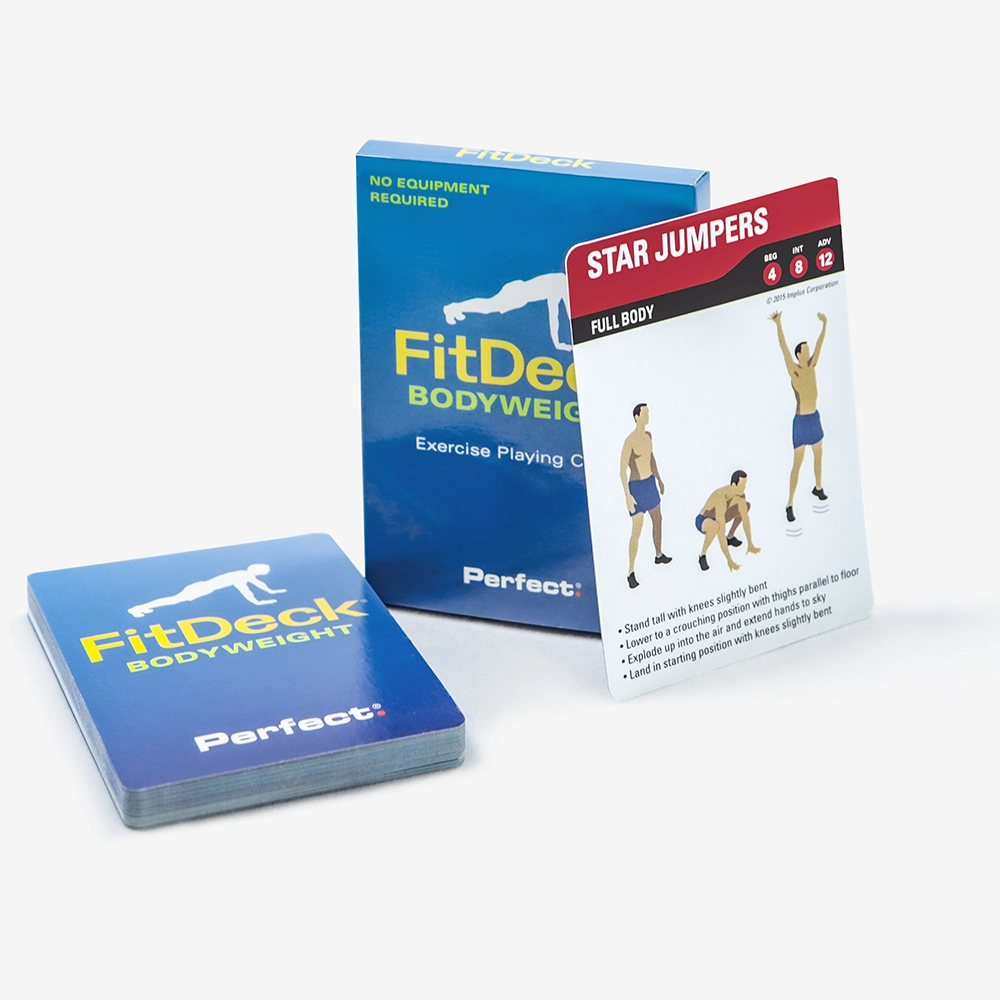
Custom Design Printing Fitness Learning Cards
The Fitness Learning Card is an innovative, beginner-friendly tool for fitness enthusiasts, featuring clear illustrations and instructions to ensure proper form and prevent injury. Organized by topics like strength training, cardio, stretching, and nutrition, it offers a systematic, easy-to-follow approach to building fitness knowledge and avoiding blind workouts.
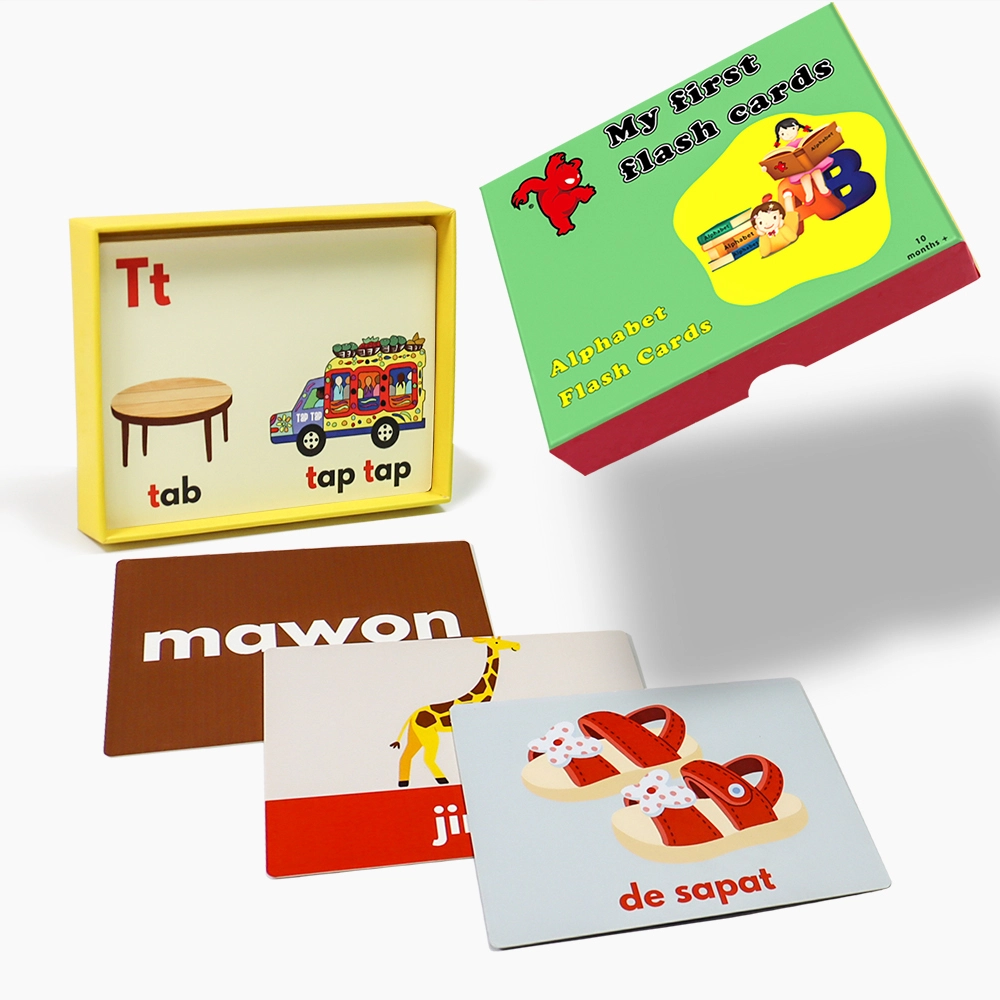
Factory Custom Printing High Quality Children's Learning Cards
Designed for preschoolers, kindergarteners, and primary school students, these cards support early cognitive development by introducing letters, numbers, colors, shapes, animals, fruits, and vehicles. Combining images and words enhances vocabulary and language skills, while games like sorting and pairing foster logical thinking and problem-solving. Repetition builds memory and focus, and the cards also encourage meaningful parent-child interaction.
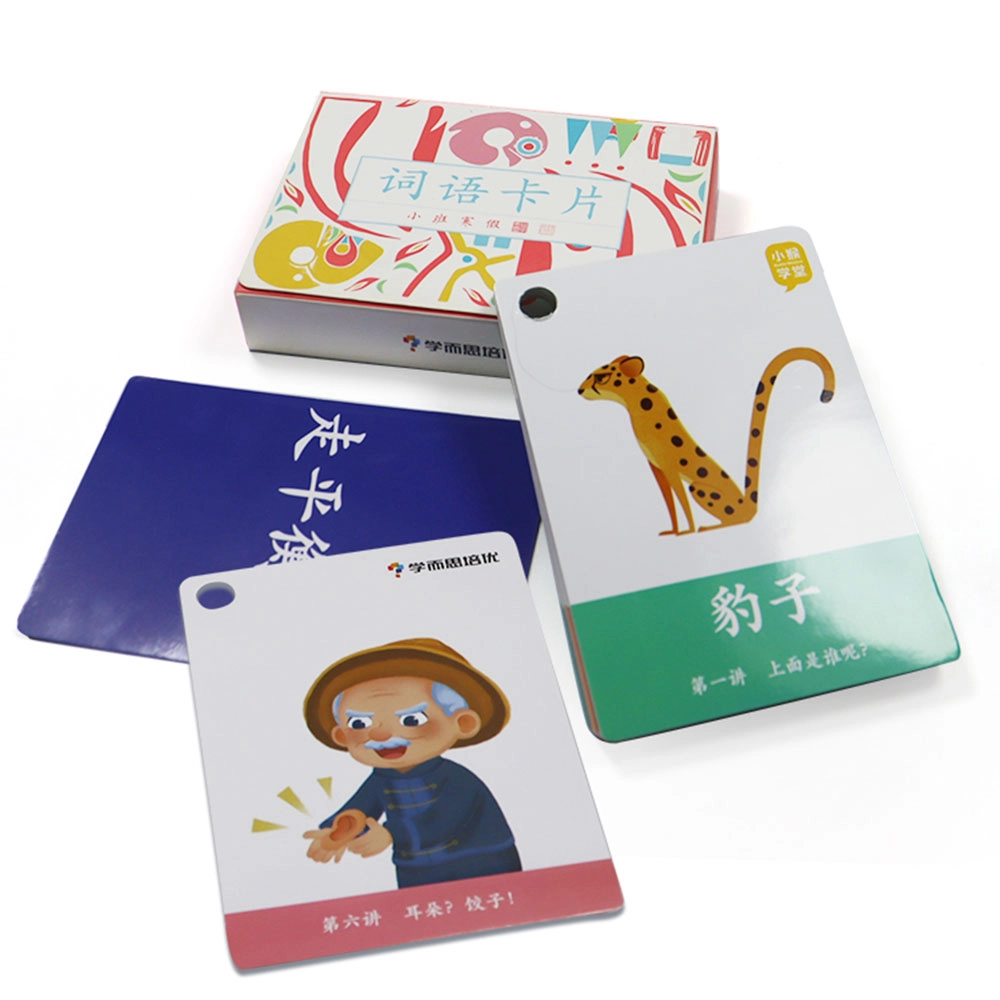
Chinese Words for Children Learning Cards
Chinese Character Learning Cards help kids ages 3-8 master basic Chinese characters through fun illustrations, pinyin, example words, and sentences. Designed for early learners, it builds language skills in an engaging way.
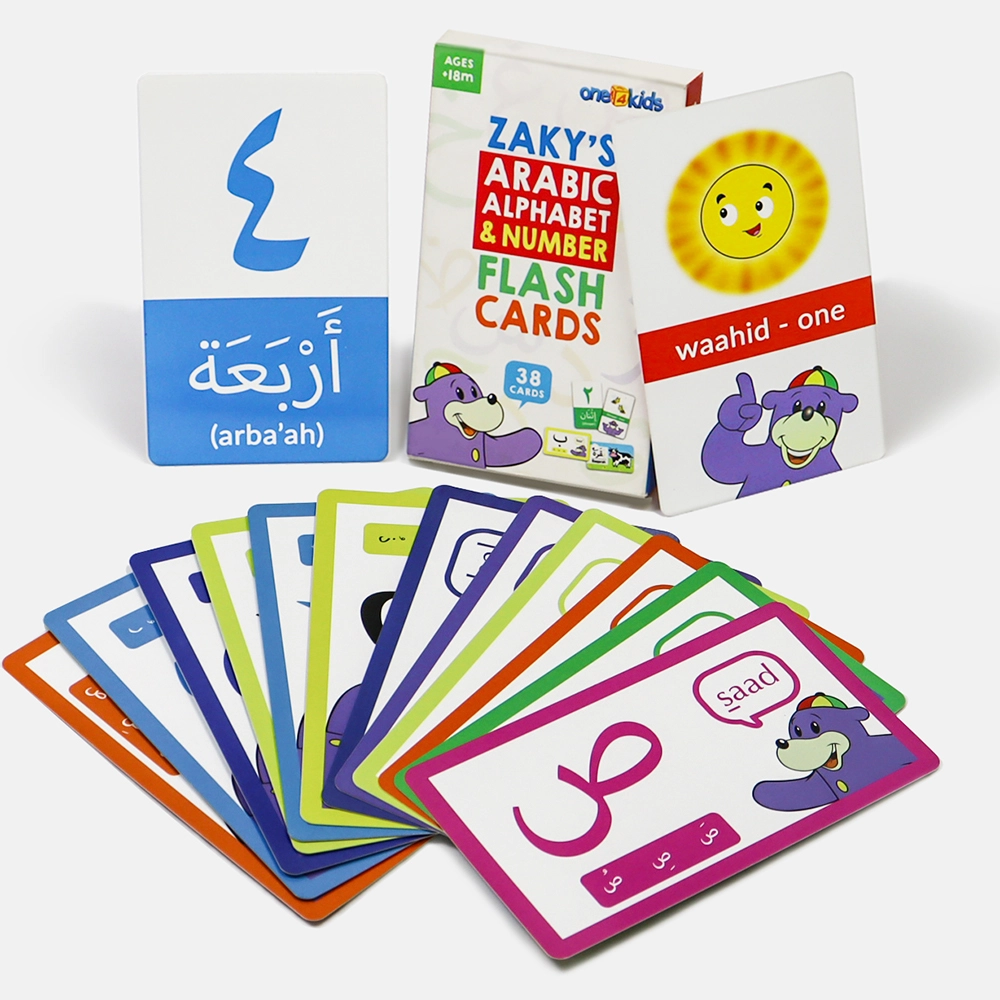
Custom Design Printing Font Stroke Learning Cards
These learning cards feature rich content across various topics, making them suitable for children of different ages. Bright colors and cute patterns engage young learners, while eco-friendly, non-toxic materials and rounded corners ensure safety. Thoughtfully sized for little hands, the cards can be used alone or paired with a reading pen or app for added fun and interactivity.
bbilaser
sq_AL