
Custom Tarot and Specialty Playing Cards Design Guide
- Custom Tarot and Specialty Playing Cards Design Guide
- Understanding custom cards playing: purpose, users, and market intent
- Key design elements for tarot and specialty cards
- Choosing the right materials: stock, finish, durability for custom cards playing
- Printing technologies: offset, digital, and hybrid solutions
- Packaging and presentation: boxes, inserts, and unboxing experience
- Quality control, certifications, and production timelines for custom cards playing
- Cost factors and budgeting for your custom cards playing project
- Artwork preparation checklist and file specs for custom cards playing
- Use cases and design tips by category
- About Guangdong Yuhua Playing Cards Co., Ltd. and why we matter to your project
- How to start your custom cards playing project with Yuhua
- FAQ
- Q1: What is the minimum order quantity for custom decks?
- Q2: How long does production take for a custom tarot deck?
- Q3: Can I get samples before full production?
- Q4: Are sustainable materials available for cards and packaging?
- Q5: What quality guarantees exist for bulk orders?
- Contact and view products
- References and sources
Custom Tarot and Specialty Playing Cards Design Guide
Understanding custom cards playing: purpose, users, and market intent
Custom tarot and specialty cards serve many audiences: professional tarot readers, indie game designers, corporate brands, educators, and casinos. Knowing the end use informs every design choice — from material and finish to artwork style and durability. If your objective is commercial sale, exhibition, or educational use, planning for scale, compliance, and cost efficiency is essential. This guide focuses on how to translate creative intent into manufacturable, high-quality custom cards playing products that meet market expectations.
Key design elements for tarot and specialty cards
Successful card design balances aesthetics, tactile quality, and usability. Core elements include:
- Size and card dimensions: Standard poker size is 63 x 88 mm; tarot often uses 70 x 120 mm but can vary. Pick a size that fits hands and storage solutions.
- Card face layout: Consider numerals, iconography, borders, and clarity. Tarot requires legible symbols and consistent layout for reading ease.
- Back design: Symmetry is crucial for games and tarot shuffling. Asymmetric backs can reveal orientation.
- Color and contrast: Use color to guide interpretation but ensure contrast for readability under varied lighting.
- Corner radius and stock thickness: Rounded corners increase lifespan and handling comfort. Thickness affects shuffle feel and durability.
Embedding the keyword custom cards playing here helps reinforce while guiding design choices for different markets.
Choosing the right materials: stock, finish, durability for custom cards playing
Material choice directly affects cost, durability, and user experience. The table below compares common options.
| Material | Typical Specs | Best For | Pros | Cons |
|---|---|---|---|---|
| Paper-based coated (linen finish) | 300-330 gsm; linen emboss | Standard playing cards, tarot | Classic feel; shuffles well; cost-effective | Not waterproof; wears over time |
| Paper-based smooth (varnish) | 300-330 gsm; UV/aqueous varnish | Illustrative cards, collector decks | Clean print quality; good color fidelity | Less tactile grip than linen finish |
| Plastic (PVC or composite) | 330-400 μm thickness | Durable, waterproof decks, outdoor use | High durability; washable; long life | Higher cost; different shuffle feel |
| Coated board with lamination | 300-350 gsm; matte/gloss lamination | High Quality tarot, tactile finishes | Enhanced durability; High Quality look | Increased cost; potential glare with gloss |
Sources for typical specs and material behavior are listed at the end. Choosing FSC certified stock helps meet sustainability goals and appeals to eco-aware buyers.
Printing technologies: offset, digital, and hybrid solutions
Printing method affects unit cost, color range, and minimum order quantities:
- Offset printing: Best for large runs. Offers consistent color, Pantone spot color use, and cost efficiency at scale. Typical MOQs vary but are often from 1,000 to 10,000 decks depending on supplier.
- Digital printing: Ideal for short runs, prototypes, and highly customized decks with variable data. Higher per-unit cost but lower MOQ and faster turnaround.
- Hybrid workflows: Combine digital personalization with offset-printed base decks for efficient custom cards playing campaigns where personalization is required at scale.
When deciding, match printing tech to order size, color fidelity requirements, and budget. For tarot art-heavy decks, offset with spot colors can preserve artist intent. For sample decks and Kickstarter prototypes, digital is often the fastest route.
Packaging and presentation: boxes, inserts, and unboxing experience
Packaging protects cards and shapes first impressions. Options include tuckboxes, two-piece rigid boxes, slipcases, and magnetic closure boxes. Important considerations:
- Structural durability for shipping and retail display.
- Printed artwork alignment with deck theme.
- Inner inserts for manuals, certificates, or cloth wraps.
- Sustainability: use FSC certified, recyclable materials where possible.
Color-printed packaging can use high-end finishing like foil stamping, embossing, or spot UV. Each added finish increases cost and may raise minimum order size or require special dies.
Quality control, certifications, and production timelines for custom cards playing
Quality control keeps defect rates low and ensures consistent delivery. Best practices:
- Prepress checklist and digital proof approval.
- Physical sample approvals before mass production.
- Inline inspections and final QC checks for print alignment, color, and cutting precision.
- Certifications such as ISO 9001 for quality systems and FSC for responsible sourcing increase buyer confidence.
Typical production timeline from artwork approval to delivery depends on order size and complexity: digital small runs 2-3 weeks; offset mass production 4-8 weeks including packaging. Expect longer lead times with special finishes and international shipping.
Cost factors and budgeting for your custom cards playing project
Key cost drivers:
- Quantity: unit cost falls as volume rises.
- Material: paper vs plastic; standard vs High Quality stocks.
- Finishes: lamination, foil, embossing, metallic inks increase unit cost.
- Packaging complexity: rigid boxes, magnetic closures, or custom inserts add cost and tooling fees.
- Artwork complexity and proof rounds: more revisions increase pre-production costs.
Approximate per-deck ranges (illustrative, based on market averages):
- Digital short runs (50-500 decks): $4 to $12 per deck
- Offset medium runs (1,000-10,000 decks): $1.50 to $6 per deck
- Plastic High Quality decks (500-5,000 decks): $3 to $10 per deck
Actual quotes depend on final specs. These ranges are estimates; obtain detailed quotes from your supplier to plan accurately.
Artwork preparation checklist and file specs for custom cards playing
Providing correct files reduces delays. Follow this checklist:
- File format: PDF/X-1a preferred for print-ready files.
- Color mode: CMYK for process printing; specify spot Pantone colors if needed.
- Resolution: 300 dpi at final size for raster images.
- Bleed: 3-5 mm bleed beyond trim edge.
- Safe zone: Keep important text and elements at least 3-5 mm inside the trim edge.
- Fonts: Outline or embed fonts; provide source files if edits are needed.
- Die lines and cut marks: Include separate layer for package dielines.
- Color proofs: Request a digital proof and, for significant runs, a press check or hard proof.
Adhering to these specs streamlines production and reduces color or crop surprises.
Use cases and design tips by category
- Tarot decks: Prioritize symbolism clarity, durable linen or laminated stock, and a protective box. Consider guidebook printing and collector editions.
- Educational flashcards: Choose sturdy board, rounded corners, and contrastive colors for readability. Laminated finishes help longevity for classroom use.
- Branded game cards and promo decks: Focus on clear branding, cost-effective stock for mass distribution, and packaging that reflects brand identity.
Matching design to use keeps end users satisfied and reduces returns.
About Guangdong Yuhua Playing Cards Co., Ltd. and why we matter to your project
Guangdong Yuhua Playing Cards Co., Ltd., founded in 2014, specializes in the R&D, design, and mass custom production of playing cards, game cards, and color-printed packaging. With a 6,000㎡ intelligent facility, Yuhua operates advanced, automated card production lines capable of 1,000,000+ units per month. Core strengths include FSC certified materials, ISO 9001 quality control, a defect rate under 0.5%, and over 20 patents. The High Quality brand uses imported materials and is trusted worldwide for fast, high-quality custom card solutions.
Yuhua's main product offerings:
- OEM Playing Cards: Traditional poker and bridge decks for retail and promotional use, with customizable designs and packaging.
- ODM Tarot Cards: Full-service development for tarot decks including art support, guidebooks, and collector editions.
- Custom Game Cards: Game-specific cards with custom sizes, finishes, and personalization options for publishers and designers.
- Learning Flash Cards OEM: Durable educational flashcards with lamination and rounded corners for classroom resilience.
Combining creative support, strict QC, and large-scale production capacity, Yuhua can serve small designers through large publishers, offering competitive pricing and professional support for custom cards playing projects.
How to start your custom cards playing project with Yuhua
1) Define your goals: target audience, quantity, deck type, and budget.2) Prepare your artwork or request design support from Yuhua's R&D team.3) Request a quote with clear specs: size, stock, finish, packaging, and shipping destination.4) Approve digital proofs and samples before mass production.5) Track production milestones and arrange logistics for delivery.
For professional support and fast turnaround on large or small orders, contact Yuhua's sales team to discuss samples, lead times, and customization options. View product catalogs and request a quote to get started.
FAQ
Q1: What is the minimum order quantity for custom decks?
A1: MOQ depends on materials and printing method. Digital runs can start as low as 50-100 decks. Offset runs typically start around 1,000 decks. Guangdong Yuhua offers flexible MOQs depending on production schedule and finishing options.
Q2: How long does production take for a custom tarot deck?
A2: Digital short runs: 2-3 weeks. Offset mass production including packaging: 4-8 weeks. Special finishes or high-volume orders may add time. Yuhua provides clear timeline estimates at quote stage.
Q3: Can I get samples before full production?
A3: Yes. Digital or single prototype samples are encouraged to verify color, feel, and fit with packaging. Approving a physical sample helps avoid costly changes after mass production.
Q4: Are sustainable materials available for cards and packaging?
A4: Yes. FSC certified paper stocks and recyclable packaging are available. Yuhua uses FSC certified materials as part of their core offering.
Q5: What quality guarantees exist for bulk orders?
A5: Reputable manufacturers implement ISO 9001 quality management systems, inline inspections, and final QC checks. Yuhua reports a defect rate under 0.5% and maintains strict QC procedures.
Contact and view products
To discuss your custom cards playing project, request samples, or view Yuhua's product range including OEM Playing Card, ODM Tarot cards, custom Game cards, and Learning Flash cards OEM, please contact Guangdong Yuhua Playing Cards Co., Ltd. Our team provides fast quotes, production timelines, and professional support to bring your deck from concept to market.
References and sources
- Forest Stewardship Council (FSC) information on certified paper and responsible sourcing
- ISO.org information on ISO 9001 quality management standards
- Cartamundi and other industry references on playing card materials and standard GSM ranges
- Guangdong Yuhua Playing Cards Co., Ltd. internal production and certification claims as provided in company profile
Tips for Bulk Ordering Custom Learning Cards
Eco-Friendly Playing Cards: Sustainable Materials Guide
The latest trends for custom poker playing cards online in us 2026 | Yuhua Ultimate Insights
Tarot Card Packaging Ideas for Custom Playing Cards
About price and payment
How can I get a quote?
Getting a quote is easy! Simply fill out our contact form or call us directly with your project details, and we’ll get back to you with a tailored quote promptly.
What payment methods do you accept?
We accept various payment methods, including credit cards, PayPal, and bank transfers. Please reach out for more details on payment options.
About customized services
Can I see a proof before production?
Yes! We provide digital proofs for your approval before we start production. This ensures that everything meets your expectations.
About product selection
Is there a design template I can use?
Yes, we provide design templates for different card types. You can download them from our website or request them directly from our team.
What materials do you use for your cards?
We use high-quality, durable materials to ensure the best finish and longevity for your cards. Options include standard cardstock, premium finishes, and eco-friendly materials.
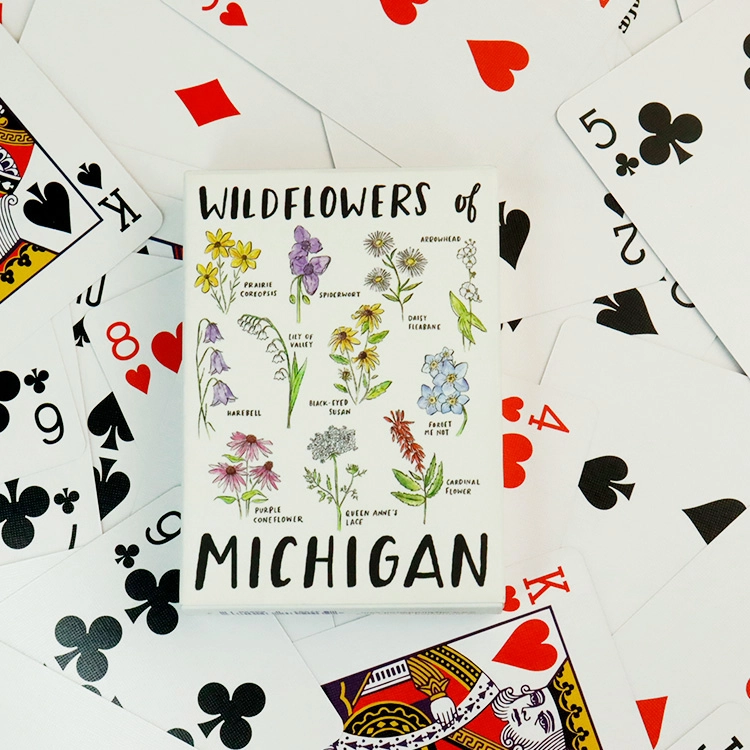
High Quality Eco-Friendly Durable Personalized Design Wildflowers Playing Cards with Custom Design Logo and Box
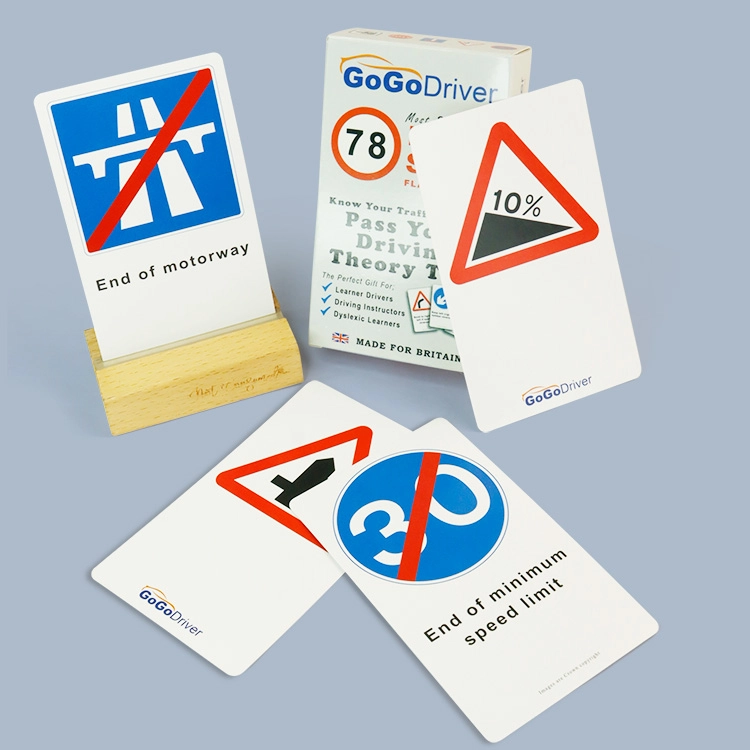
OEM Custom Driving Theory Cards | Personalized Traffic Rules & Test Prep Flashcards in Multiple Languages for Wholesale
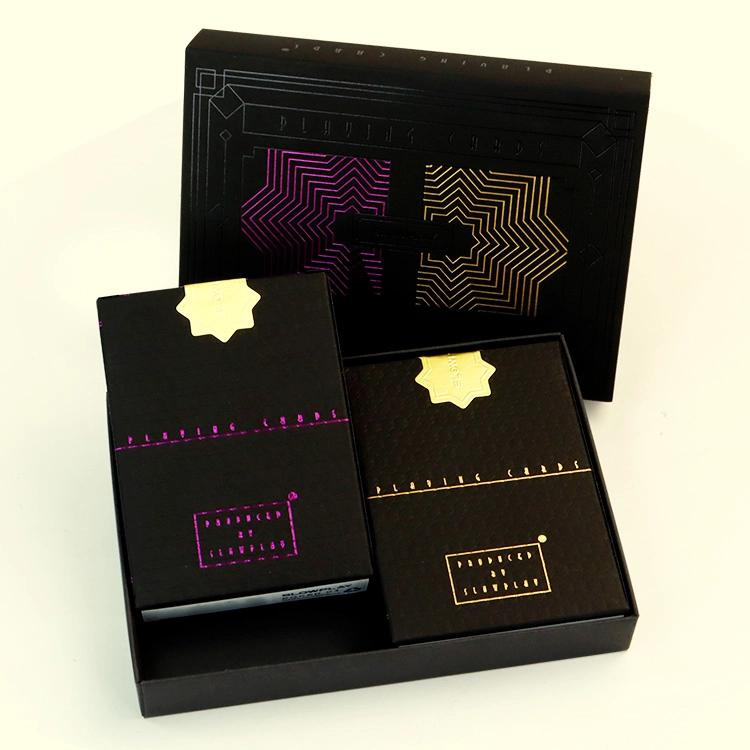
Custom Printing Luxury Two Sets Plastic Poker Playing Cards with Customized Packing
bbilaser
sq_AL