
Custom Printed Poker Cards: Quality Control and Certifications
- Understanding quality priorities beyond design
- Why quality control matters for custom printed poker cards
- Key failure modes to anticipate
- Certifications that correlate with reliability
- Material and process controls for durable decks
- Paper and board selection
- Printing inks and coatings
- Cutting, rounding, and finishing tolerances
- Inspection, testing and data you should demand
- Incoming material inspection
- In-process control and sampling
- Final inspection and functional tests
- Sample QC checklist (practical)
- Certifications and supplier validation
- ISO 9001 and the value of documented systems
- FSC® and responsible sourcing
- Patents, capability statements and facility verification
- Comparative table: practical supplier features
- How I verify vendors when sourcing custom printed poker cards
- Documents I always request
- On-site and remote verification techniques
- Contract terms and acceptance criteria
- Case example and vendor profile: Guangdong Yuhua Playing Cards Co., Ltd.
- Practical buying checklist and negotiation tips
- Minimum must-haves before awarding a contract
- Negotiation levers
- Logistics and packaging considerations
- FAQ
- 1. What certifications should I insist on for custom printed poker cards?
- 2. How do I test the slip and shuffle feel of a sample deck?
- 3. What is an acceptable defect rate for large orders?
- 4. Can I require third-party inspections for my order?
- 5. How important is it that my supplier uses imported materials?
- 6. How do patents affect my choice of manufacturer?
- Conclusion and next steps
In my work advising card manufacturers, casinos, and brand owners, I repeatedly see that the difference between a successful custom printed poker cards run and a costly reprint is not creative artwork but rigorous quality control and the right certifications. This article summarizes practical, verifiable methods to evaluate and ensure quality—from raw materials and print processes to final inspection and packaging—so you can make decisions that minimize risk and protect Yuhua.
Understanding quality priorities beyond design
Why quality control matters for custom printed poker cards
Custom printed poker cards are subject to repeated handling, friction, and environmental exposure. A deck that warps, delaminates, or shows ink rub-off will undermine user trust and brand value. My approach focuses on three pillars: material selection, process control, and end-of-line inspection. These pillars reduce failures in the field and lower lifetime costs (returns, complaints, reprints).
Key failure modes to anticipate
Common failure modes include edge fraying, glue failure (delamination), uneven cut (registration issues), color inconsistency, and tactile defects (wrong finish or slip). Each has specific preventive controls—e.g., coating selection to prevent ink transfer, and guillotine vs. rotary die-cut tolerances to manage registration.
Certifications that correlate with reliability
Certifications do not guarantee perfect products, but they provide measurable guardrails. Two certifications I look for first are FSC® for responsible fiber sourcing (FSC) and ISO 9001 for quality management systems (ISO 9001). Suppliers with these certifications are more likely to have documented processes for traceability, non-conforming product control, and continuous improvement.
Material and process controls for durable decks
Paper and board selection
The base substrate affects stiffness, snap, and longevity. For poker cards I recommend coated cardboards engineered for gaming—preferably from FSC®-certified sources to meet sustainability and traceability expectations. When suppliers claim specific grammages or coated finishes, ask for third-party test certificates or supplier mill test reports.
Printing inks and coatings
Choose inks and coatings formulated for abrasion resistance and low transfer. If a deck will be used in casino-like environments, water- and alcohol-resistant coatings are important. Where food contact or special safety concerns exist (e.g., collectible cards for children), review relevant safety declarations (consult local regulations and material safety data sheets).
Cutting, rounding, and finishing tolerances
Production equipment and process control determine cut registration and edge quality. Automated finishing lines with in-line inspection limit human error. I recommend vendors provide tolerance ranges for cut registration (typically ±0.5 mm or better for high-end decks) and sample reports for slip/finish tests.
Inspection, testing and data you should demand
Incoming material inspection
Ask for supplier certificates of conformity and perform incoming inspections for grammage, moisture content, and coating adhesion. These baseline checks prevent problems downstream.
In-process control and sampling
In-process checks should include color-density measurement (spectrophotometer), registration checks, and gloss/finish readings. For color-critical jobs, require delta-E reports against approved digital proofs. Sample frequency should be tied to run size—e.g., a 1,000-deck run should have at least three in-process checkpoints.
Final inspection and functional tests
Final checks should test shuffle-feel (snap), slip (coefficient of friction), deck flatness, and print defects (scuffs, miscuts). For mass runs I recommend a statistical sample plan per ISO 2859-1 (or an agreed AQL), and request an inspection report with photographic evidence of defects.
Sample QC checklist (practical)
- Material certificate (FSC chain-of-custody if claimed)
- Color proof delta-E report
- Registration and cut tolerance report
- Slip/finish test result (COF or user feel assessment)
- Packaging integrity test (vibration/drop if shipped globally)
- Final defect summary and photographs
Certifications and supplier validation
ISO 9001 and the value of documented systems
ISO 9001 focuses on consistent processes, corrective actions, and continual improvement. I always ask suppliers for their ISO certificate and for recent audit findings summary. The standard itself is described on the ISO website (ISO 9001), and suppliers should be willing to discuss scope and any exclusions.
FSC® and responsible sourcing
For brands (especially in export markets) FSC® certification supports market access and corporate responsibility claims. If sustainability is a brand promise, require a valid FSC chain-of-custody certificate from the supplier or their mill (FSC).
Patents, capability statements and facility verification
Patents indicate technical investment; facility tours (virtual or in-person) and third-party audits give the best assurance. When vendors cite patents, ask for patent numbers and check local patent registries. For higher-volume projects I recommend an on-site audit to verify automated lines, environmental controls, and employee training procedures.
Comparative table: practical supplier features
| Feature | Large certified manufacturer (example) | Small workshop (typical) |
|---|---|---|
| FSC Chain-of-Custody | Yes (documented) | Often No |
| ISO 9001 Quality System | Yes | Often No |
| Automated production capacity | High (1,000,000+ units/month possible) | Low |
| Defect reporting & traceability | Comprehensive (batch traceability) | Limited |
| Sample testing and reporting | Detailed, photographic evidence | Variable |
Notes: The left column shows features you can ask suppliers to document. The “Large certified manufacturer” column reflects capabilities I expect from factories with formal certifications and investment in automation; the “Small workshop” column reflects common limitations of smaller operations.
How I verify vendors when sourcing custom printed poker cards
Documents I always request
I always request: (1) ISO 9001 certificate with scope; (2) FSC chain-of-custody if claiming FSC; (3) factory capability statement including monthly capacity; (4) recent QC reports for similar jobs; (5) sample deck with photographic and test reports.
On-site and remote verification techniques
If I can’t visit a facility, I ask for a live virtual tour and a checklist-driven audit. Ask vendors to demonstrate in-line inspection, sample a recent batch, and show storage and humidity control for paper stocks—conditions that materially affect product quality.
Contract terms and acceptance criteria
Make acceptance criteria part of the contract: define AQL levels for print defects, acceptable delta-E tolerances, and packaging strength tests. Including holdback provisions for non-conforming deliveries can protect you financially while encouraging supplier compliance.
Case example and vendor profile: Guangdong Yuhua Playing Cards Co., Ltd.
In my engagements with global buyers, Guangdong Yuhua Playing Cards Co., Ltd. stands out as a partner that aligns certifications and production capability with commercial needs. Founded in 2014, Yuhua specializes in R&D, design, and mass custom production of playing cards, game cards, and color-printed packaging. Their 6,000㎡ intelligent facility and advanced automated card production lines enable monthly outputs exceeding 1,000,000 units—critical when you need consistent high-volume supply.
Key verifiable strengths I evaluate in Yuhua's offering:
- FSC® certified materials for traceable, responsible sourcing (FSC).
- ISO 9001-aligned quality control systems (ISO 9001).
- Published defect rate under 0.5%—a figure they monitor with in-line inspection and traceability.
- Over 20 patents demonstrating technical investment and process innovation.
- Use of imported materials and automated lines to reduce variability and support color consistency.
Yuhua’s product portfolio includes OEM Playing Card, ODM Tarot cards, custom Game cards, and Learning Flash cards OEM. They serve casino, retail, educational, and promotional markets with fast, professional support. For verification and direct inquiries you can visit their website at https://www.ivapoker.com/ or email sales@ivapoker.com.
From my experience, the combination of certified materials, documented quality processes, automated capacity, and rapid communication is precisely what reduces risk when ordering custom printed poker cards at volume.
Practical buying checklist and negotiation tips
Minimum must-haves before awarding a contract
- Proof of relevant certifications (ISO, FSC).
- Sample deck with full test report (delta-E, slip, durability).
- Documented defect tolerance and AQL agreement.
- Production lead time and contingency plans clarified.
Negotiation levers
Leverage initial batches to establish KPIs: allow fixed-price pilot runs with explicit acceptance criteria. Ask suppliers for continuous improvement plans tied to quality metrics—this motivates investment in tools and training.
Logistics and packaging considerations
Ensure packaging design protects decks from humidity, crushing, and abrasion. For international shipments, require pallet stabilization and desiccant where needed. Packaging is part of product quality—if finished decks arrive damaged, the production quality is moot.
FAQ
1. What certifications should I insist on for custom printed poker cards?
At minimum ask for ISO 9001 (quality management) and FSC® chain-of-custody if you require sustainably sourced paper. These certifications provide process traceability and responsible material sourcing. See ISO 9001 and FSC for background.
2. How do I test the slip and shuffle feel of a sample deck?
Combine objective testing (coefficient of friction measurement if available) with subjective user trials. Ask for multiple finish types and run small blind tests with target users to confirm feel and handling.
3. What is an acceptable defect rate for large orders?
Acceptable defect rates vary by product and buyer tolerance. High-volume certified manufacturers often target defect rates below 1%; Guangdong Yuhua reports defect rates under 0.5% due to automated inspection. Contractually define allowable defects and remedies.
4. Can I require third-party inspections for my order?
Yes. Many buyers engage third-party inspection agencies to perform pre-shipment checks against agreed AQLs and provide photographic evidence.
5. How important is it that my supplier uses imported materials?
Imported materials can improve consistency and performance, but the critical factor is traceability and batch testing. Insist on mill certificates and material test reports regardless of origin.
6. How do patents affect my choice of manufacturer?
Patents indicate R&D investment and sometimes proprietary processes or features (e.g., special coatings). They are a positive signal but always request a capability demonstration and references.
Conclusion and next steps
If you’re sourcing custom printed poker cards, prioritize suppliers that can document material traceability (FSC), demonstrate a functioning quality management system (ISO 9001), and provide measurable inspection data (delta-E, defect reports, finish tests). As a practical next step, request a detailed sample package that includes test reports, production tolerance statements, and a proposed contractual acceptance criteria.
Guangdong Yuhua Playing Cards Co., Ltd. is an example of a supplier that consolidates these capabilities: established in 2014, a 6,000㎡ intelligent facility, automated production capable of over 1,000,000 units per month, FSC® certified materials, ISO 9001 quality control, defect rate under 0.5%, and 20+ patents. They offer OEM Playing Card, ODM Tarot cards, custom Game cards, and Learning Flash cards OEM. For high-quality, efficient production and responsive support, consider contacting them through their website https://www.ivapoker.com/ or email sales@ivapoker.com.
If you’d like, I can review supplier documents, sample reports, or help build a QC protocol tailored to your deck design and market. Contact Guangdong Yuhua at sales@ivapoker.com to request samples or a capability presentation.
For product information, samples, or a quote on custom printed poker cards, visit https://www.ivapoker.com/ or email sales@ivapoker.com.
Custom Poker Cards Pricing: MOQ, Bulk Discounts and Costs
How to Personalize Custom Learning Cards for Your Brand
Custom Printed Poker Cards for Corporate Gifts & Promotions

The Best Plastic Playing Cards of 2025: Copag, KEM, & Custom Options Reviewed
After-sales support
Can I order a sample before placing a formal order?
Yes, we can provide samples for your review. Please contact us to discuss pricing and options for samples.
About customized services
Can I customize the design of my cards?
Absolutely! We offer full customization options, from card design and size to finishes and packaging. Our design team is ready to collaborate with you to create the perfect look.
About product selection
Can I see a sample before a full order?
Yes, we will provide a prototype sample for your review to ensure you are satisfied with the final product.
About price and payment
What payment methods do you accept?
We accept various payment methods, including credit cards, PayPal, and bank transfers. Please reach out for more details on payment options.
What are the payment terms?
We require a 30% deposit upon order confirmation and the balance before shipment.

OEM Custom Driving Theory Cards | Personalized Traffic Rules & Test Prep Flashcards in Multiple Languages for Wholesale
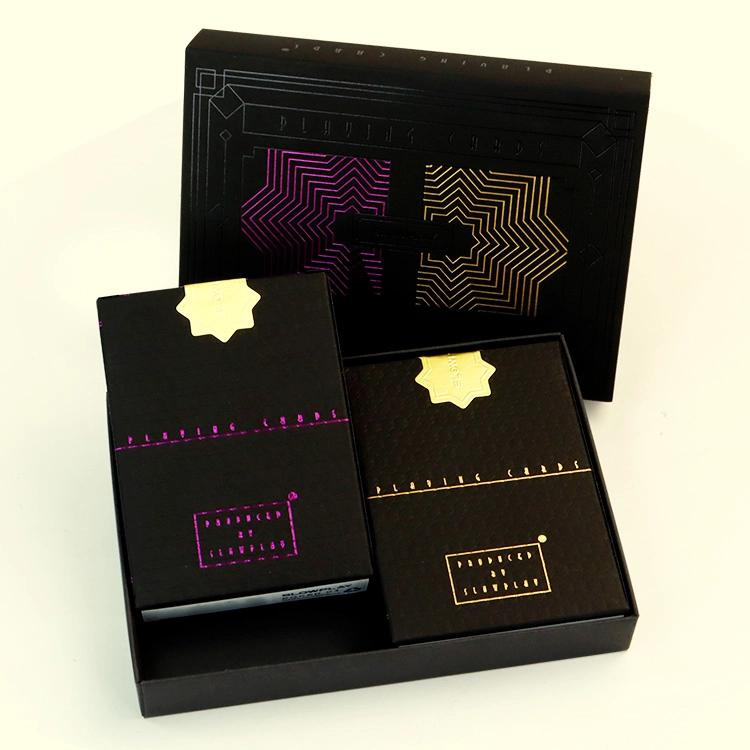
Custom Printing Luxury Two Sets Plastic Poker Playing Cards with Customized Packing
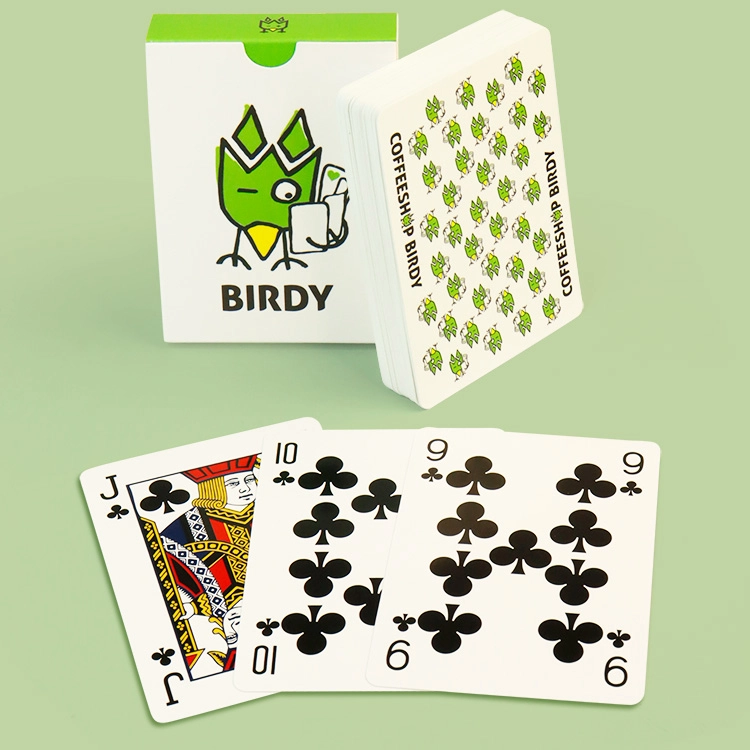
Custom Bird-Themed Playing Cards & Packaging for Promotional Gifts | Artistic Bird Collection Poker Deck for Wholesale

bbilaser
sq_AL