
Beyond KEM: The 10 Best Professional Poker Card Brands You Didn't Know About (2026 Edition)
- What are the best professional poker cards for serious gameplay?
- Key Features of Professional Decks
- Quick Summary: Top Picks for 2026
- Why Look Beyond KEM? The Acetate Dilemma
- The Cost-Benefit Analysis
- The Top 10 Professional Card Brands (Ranked)
- 1. Faded Spade
- 2. Modiano
- 3. Copag
- 4. Fournier
- 5. Desjgn
- 6. Dal Negro
- 7. Piatnik
- 8. Gemaco
- 9. Bullets Playing Cards
- 10. Angel
- Material Science: 100% Plastic vs. Vinyl Coated
- Cellulose Acetate vs PVC Cards
- Buying Guide: Specs That Matter
- 1. Size
- 2. Index
- 3. Colors
- Expert Tips: Maintenance & Longevity
- Conclusion
- FAQ
- Why are KEM cards considered the best?
- What is the difference between Bridge size and Poker size cards?
- How long do 100% plastic poker cards last?
- Are Copag cards better than KEM?
- What are 4-color decks and should I use them?
- Can you wash plastic playing cards?
- What does 'Jumbo Index' mean?
- Who makes Faded Spade cards?
- References
What are the best professional poker cards for serious gameplay?
The best professional poker cards are manufactured from 100% plastic playing cards (typically Cellulose Acetate or high-grade PVC), offering superior durability, snap-back memory, and waterproofing compared to paper decks. While KEM has historically been the gold standard, modern brands like Faded Spade, Modiano, and Desjgn now offer superior resistance to warping and marking.
Professional-grade cards must feature "Poker Size" (2.5 x 3.5 inches) or "Bridge Size" (2.25 x 3.5 inches) dimensions with a specialized finish for optimal slide and shuffle. At Guangdong Yuhua Playing Cards Co., Ltd., we understand this precision deeply. Our 6,000㎡ intelligent facility produces over 1,000,000 units per month, ensuring that every deck meets rigorous ISO 9001 quality control standards with a defect rate under 0.5%. This level of manufacturing consistency is critical for casinos and serious home games alike.
Key Features of Professional Decks
- Material: 100% Plastic (PVC or Acetate) for longevity.
- Texture: Grit or smooth finish to prevent "clumping" during shuffles.
- Resilience: Ability to return to a flat state after bending (Snap-Back).
- Security: High-contrast printing to prevent peeking or marking.
Quick Summary: Top Picks for 2026
Here are the top-rated decks for the coming year, categorized by specific player needs:
- Best Overall Durability: Copag 1546 (PVC)
- Best Casino Feel: Modiano Platinum Acetate
- Best for Visibility: Faded Spade 3.0 (Modern Index)
- Best Boutique Design: Desjgn (Classic Flourish)
- Best Value: Da Vinci (Italian Import)
Why Look Beyond KEM? The Acetate Dilemma
KEM cards are famous for their unique feel, derived from cellulose acetate, a bioplastic that mimics the texture of paper. However, this material is chemically unstable compared to modern PVC. As noted in industry histories, KEM was acquired by the United States Playing Card Company, and since then, enthusiasts have reported consistent issues with "bowing" or warping when the cards are exposed to humidity.
This "KEM Bowing" phenomenon occurs because cellulose acetate absorbs moisture from the air, causing the deck to curve upward like a potato chip. In contrast, modern PVC formulas used by competitors are hydrophobic and dimensionally stable. While a setup of KEMs can cost $35+, newer boutique poker decks often provide better longevity for half the price.
The Cost-Benefit Analysis
- KEM ($35+): High prestige, excellent feel, but high maintenance and warp-prone.
- Copag ($18+): High durability, slightly slippery, unbeatable value.
- Faded Spade ($30+): Modern aesthetics, RFID ready, extremely durable.
The Top 10 Professional Card Brands (Ranked)
1. Faded Spade
The choice of the modern era. Faded Spade has solidified its reputation as the official playing card of the World Poker Tour. Known for their modern aesthetics and flexible yet durable plastic, they are designed specifically for the camera and RFID tables.
2. Modiano
Thicker stock than competitors, Modiano cards are textured specifically for better grip and controlled dealing. Their "Platinum Acetate" line rivals KEM in feel but with improved stability.
3. Copag
The reliable workhorse of the poker world. Copag offers an unbeatable price point and availability. While they can be slippery when new, they are virtually indestructible under normal use.
4. Fournier
The European casino standard. These cards are rigid, extremely durable, and resistant to marking. If you prefer a stiffer snap, Fournier is the best choice.
5. Desjgn
A "Hidden Gem" beloved by forums for unique, intricate back designs and balanced stock. They bridge the gap between art and utility.
6. Dal Negro
High-end Italian craftsmanship using proprietary acetate blends for a soft, luxury feel. They are softer than Fournier but more durable than paper.
7. Piatnik
With Austrian heritage, Piatnik is known for vibrant printing and a smooth finish. They are often overlooked in the US but are a staple in European card rooms.
8. Gemaco
Frequently used in casinos for their security features and "Superflex" material. They are thinner than Modianos but very snappy.
9. Bullets Playing Cards
A rising contender focusing on rugged, waterproof capabilities. They are marketed aggressively for rowdy home games where spills are frequent.
10. Angel
The Asian market giant. These are incredible rare to find for consumers but are regarded as the "Rolls Royce" of casino durability, often used in Macau high-roller rooms.
Material Science: 100% Plastic vs. Vinyl Coated
"Plastic Coated" cards (like standard Bicycle Rider Backs) are paper cards with a thin varnish. They will bend, crease, and mark within hours of serious play. For a professional game, you need 100% plastic playing cards.
Cellulose Acetate vs PVC Cards
- Cellulose Acetate (KEM): Derived from plants. Feels soft, textured, and paper-like. Cons: Warps with humidity, can degrade/rot over decades.
- PVC (Copag, Yuhua): Synthetic polymer. Feels slicker, snappier, and harder. Cons: Can be slippery. Pros: Waterproof, warp-resistant, and significantly cheaper.
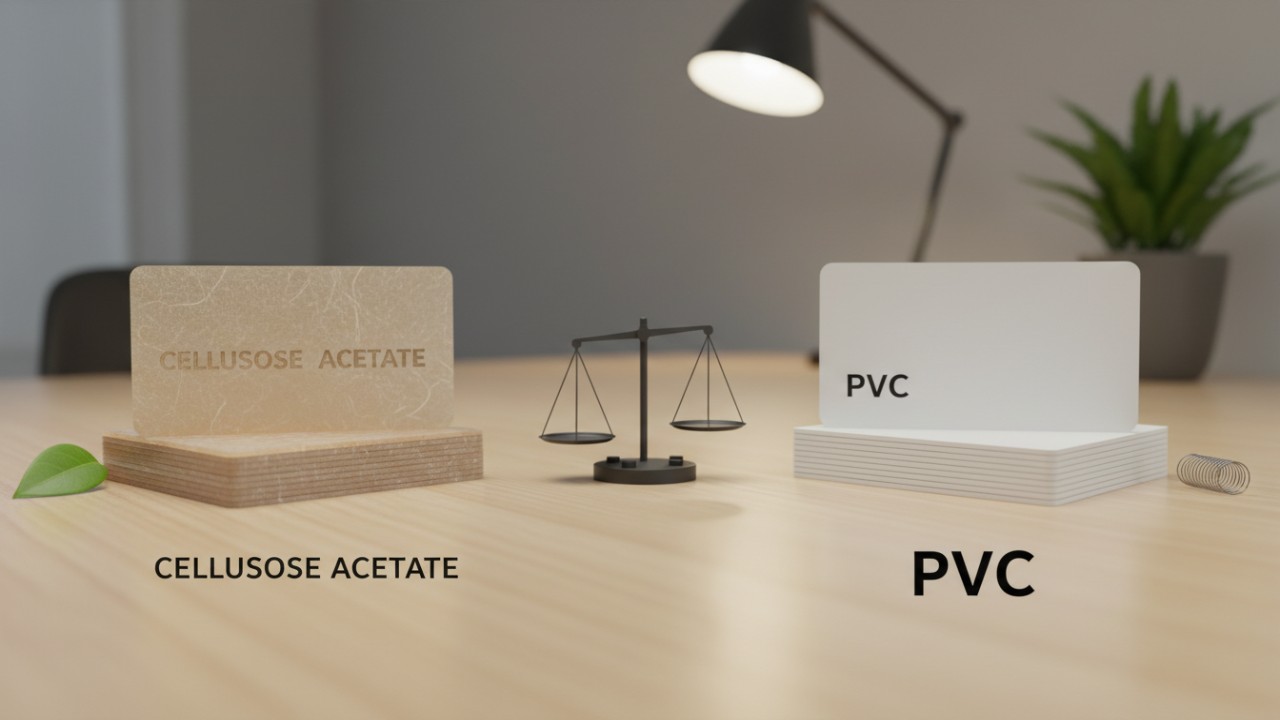
At Yuhua, we leverage imported premium PVC materials to ensure our custom decks pass the "Snap Test"—you can bend the card 90 degrees, and it will instantly snap back to perfectly flat. This is achieved through our advanced automated production lines that handle millions of cards with precision engineering.
Buying Guide: Specs That Matter
When selecting the best poker cards for home games, consider these three specifications:
1. Size
- Poker Size (2.5" wide): The standard for home games, but actually wider than what casinos use.
- Bridge Size (2.25" wide): The professional choice. Narrower cards are easier to shuffle, bridge, and pitch, especially for dealers with smaller hands.
2. Index
- Standard Index: Two small numbers in the corners. Hard to read from across the table.
- Jumbo Index: Large numbers. The standard for Texas Hold'em so players can see the board clearly.
- Magnum/Peek: Massive numbers, often used for seniors or low-light games.
3. Colors
- 2-Color: Black/Red. Traditional but prone to "misreads" (mistaking a Heart for a Diamond).
- 4-Color Deck: Black (Spades), Red (Hearts), Green (Clubs), Blue (Diamonds). This format is gaining massive popularity to speed up play and reduce errors.
Expert Tips: Maintenance & Longevity
Even the best Faded Spade vs Copag deck needs care to last. Follow these rules to extend the life of your investment:
- Cleaning Protocol: Use cold water and mild soap (never hot water) to clean plastic cards. Dry them individually with a microfiber cloth.
- Storage Solutions: Use card presses or acrylic cases to prevent humidity warping. If you use Acetate cards, keep them away from heat.
- Rotation Strategy: Use two decks of different back colors (e.g., Red and Blue). While one is being shuffled, the other is being dealt. This speeds up the game and gives the plastic time to "rest" and unbend between hands.
Conclusion
Choosing the right deck elevates the home game experience from amateur to professional. While KEM remains a legacy choice, brands like Modiano and Faded Spade offer superior durability for the modern era. Whether you need the ruggedness of PVC or the luxury of Acetate, 2026 offers more high-quality options than ever before.
Contact us today to optimize your playing card inventory with Yuhua's premium manufacturing solutions.
FAQ
Why are KEM cards considered the best?
Historically, KEM cards use Cellulose Acetate, a bioplastic that mimics the feel of paper while offering the durability of plastic. However, recent batches have faced criticism for warping, leading players to seek PVC alternatives like Copag.
What is the difference between Bridge size and Poker size cards?
Poker size cards are 2.5 inches wide, while Bridge size cards are 2.25 inches wide. Most casinos actually use Bridge size cards because they are easier to shuffle and handle, especially for players with smaller hands.
How long do 100% plastic poker cards last?
With proper care, a high-quality plastic deck (like Copag or Modiano) can last for years of weekly play, whereas paper decks may only last a few hours.
Are Copag cards better than KEM?
For many, yes. Copag cards are made of high-grade PVC, which is less prone to warping/bowing than KEM's acetate, and they are significantly more affordable.
What are 4-color decks and should I use them?
4-color decks use Black (Spades), Red (Hearts), Green (Clubs), and Blue (Diamonds). They are highly recommended for online players and fast-paced home games to prevent mistaking flushes.
Can you wash plastic playing cards?
Yes, you can wash 100% plastic cards with cold water and mild soap. Dry them individually with a microfiber cloth immediately; never use hot water as it can warp the plastic.
What does 'Jumbo Index' mean?
Jumbo Index refers to the size of the rank and suit symbol in the corner of the card. They are preferred for games like Texas Hold'em where players view community cards from a distance.
Who makes Faded Spade cards?
Faded Spade is a modern American company that supplies the World Poker Tour (WPT). They utilize a proprietary flexible plastic blend designed for RFID tables and heavy tournament use.
References
United States Playing Card Company - Wikipedia
The Curated Wild: A Lifestyle Brand's Statement Piece – The Power of Custom Wildflower Playing Cards
Custom Poker Card Printing: How to Choose a Professional Manufacturer for Your Brand
How to Create Your Own Custom Playing Cards: A Step-by-Step Design Tutorial (2026 Edition)
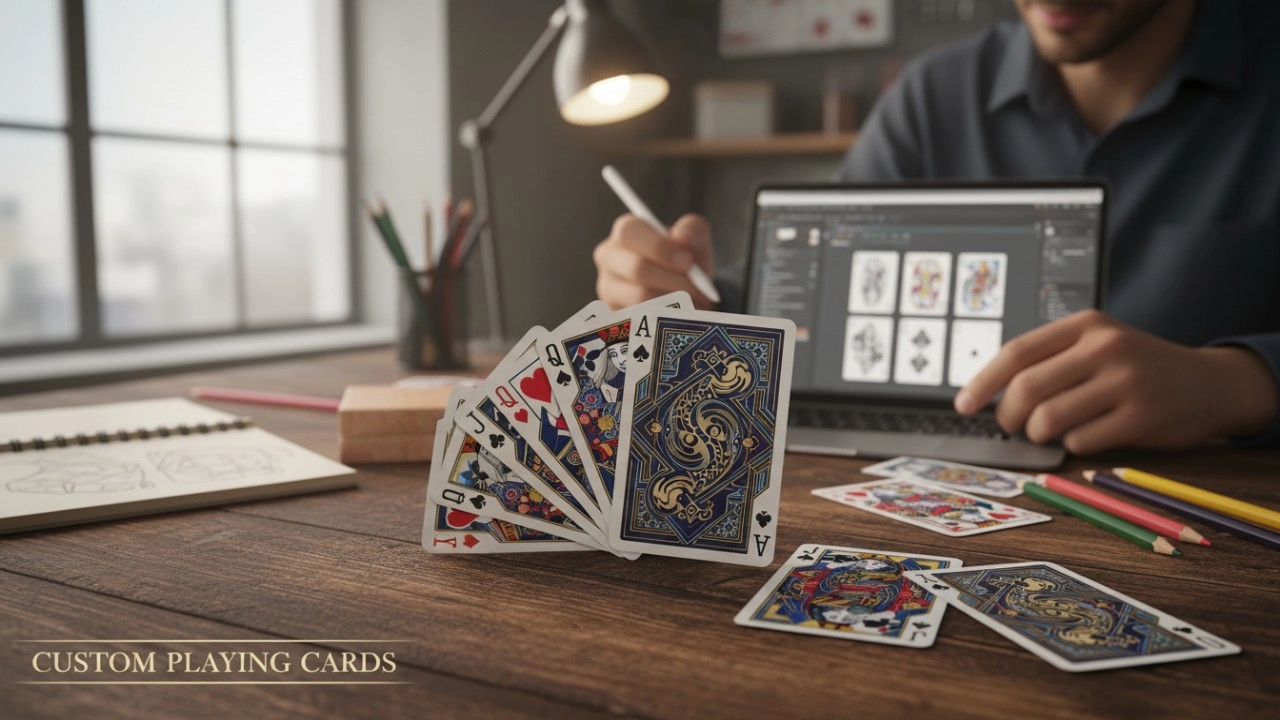
Custom Design Playing Cards: The Ultimate 2026 Guide to Manufacturing and Artistry
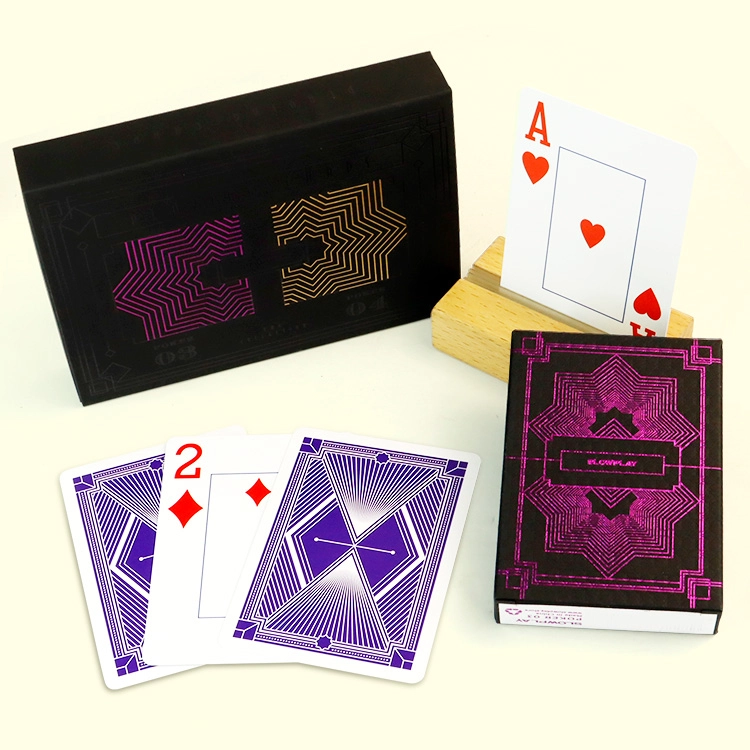
Double the Impact: The Substantial Two-Deck Custom Playing Card Gift That Demands Attention
After-sales support
Can I order a sample before placing a formal order?
Yes, we can provide samples for your review. Please contact us to discuss pricing and options for samples.
What is your return policy?
We stand behind the quality of our products. If you receive a defective item, please contact us within 30 days for a replacement or refund. Customized orders are generally non-refundable unless there's an error on our part.
About product selection
Can I see a sample before a full order?
Yes, we will provide a prototype sample for your review to ensure you are satisfied with the final product.
About cooperation process
Do you accept international orders?
Yes, we accept orders from around the world! Shipping costs and delivery times may vary, so please contact us for specific details related to your location.
About customized services
Can I see a proof before production?
Yes! We provide digital proofs for your approval before we start production. This ensures that everything meets your expectations.


WE’D LOVE TO  HEAR
HEAR
FROM YOU
Please send us your inquiry details; our team will contact you ASAP.
20+ years of experience in custom playing cards, game cards, tarot cards, flashcards, and board games, as well as paper and paperboard box manufacturing.
bbilaser
sq_AL