
Custom Poker Card Printing: How to Choose a Professional Manufacturer for Your Brand
In the competitive world of gaming and promotional products, custom poker card printing is more than just putting a logo on a deck. It’s about durability, tactile feel, and brand authority. Whether you are a casino operator, a board game designer, or a corporate gift buyer, choosing the right manufacturing partner is critical to your success.
At Guangdong Yuhua Playing Cards Co., Ltd., we combine a decade of expertise with state-of-the-art technology to deliver premium card solutions worldwide.
- 1. Selecting the Right Card Stock: The Foundation of Quality
- Economy Options: 300gsm Blue Core and Grey Core
- Casino Standard: 310gsm and 330gsm German Black Core
- Durability Check: Why Black Core Prevents "See-Through" Cheating
- Eco-friendly Choices: FSC-Certified Paper
- 2. Standard Playing Card Dimensions and Formats
- Poker Size (2.5" x 3.5" / 63x88mm)
- Bridge Size (2.25" x 3.5" / 57x88mm)
- Specialty Sizes and Die-Cutting
- 3. Pre-Press and Design: Preparing Your Files for Print
- Color Mode: RGB vs. CMYK
- Bleed and Safe Areas
- Vector vs. Raster
- 4. Surface Finishes and Textures for Gameplay
- Linen Finish: The "Air Cushion" Effect
- Varnishing: Water-based vs. UV
- Luxury Upgrades
- 5. Packaging and Prototyping Your Deck
- Box Types: Tuck vs. Rigid
- Shrink Wrapping
- Prototyping: Verify Before You Print
- Conclusion
- FAQ
1. Selecting the Right Card Stock: The Foundation of Quality
The "stock" refers to the specific type of paper or plastic used to manufacture the card. In the printing industry, paper quality for cards is defined by weight (GSM - grams per square meter) and the composition of the core. The core is the critical layer sandwiched between the front and back sheets, determining the card's opacity and snap.
Economy Options: 300gsm Blue Core and Grey Core
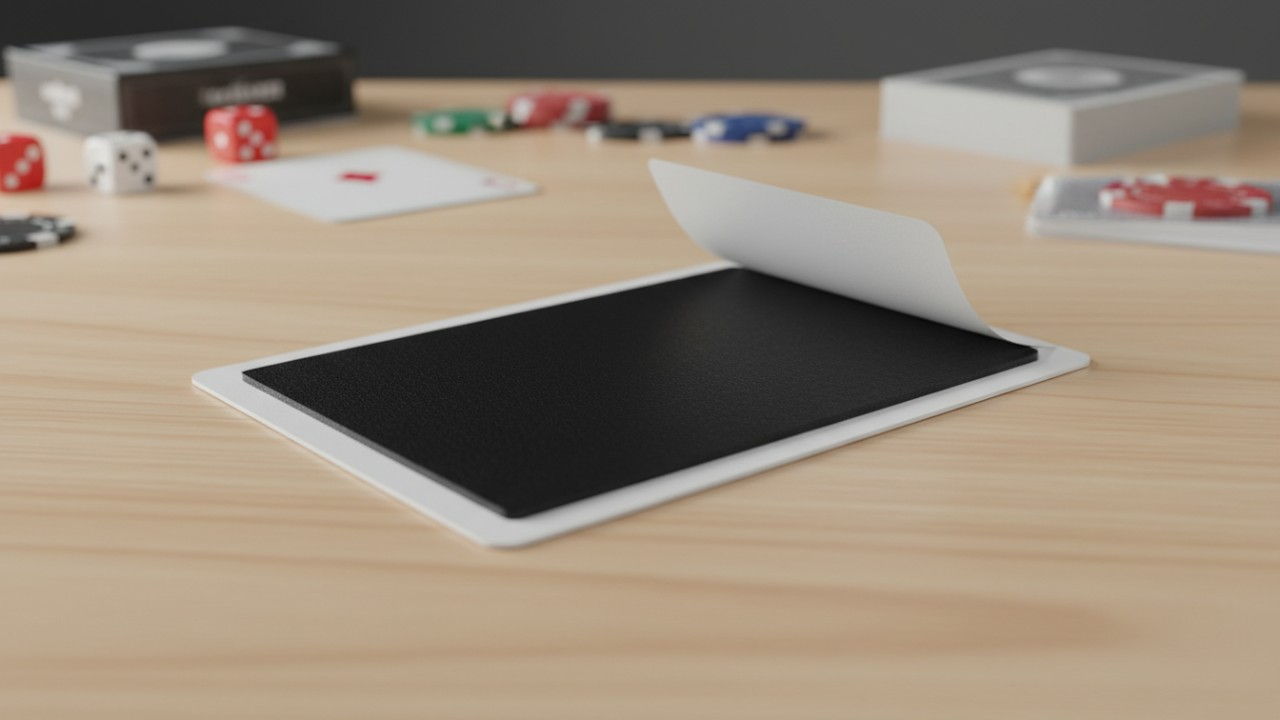
For promotional decks where budget is the primary concern and longevity is secondary, 300gsm Blue Core or Grey Core stocks are the industry standard. These papers consist of two layers of white paper joined by a blue or grey adhesive filler.
While they provide a decent feel for casual use, they lack the intense snap and complete opacity of higher-end stocks. They are ideal for:
· Trade show giveaways.
· Wedding favors.
· Educational flashcards.
· One-time use event decks.
However, "economy" does not mean "cheap" in appearance. With the right surface finish, a Blue Core deck can still look vibrant and professional, though it may show signs of wear (dog-eared corners) faster than casino-grade alternatives.
Casino Standard: 310gsm and 330gsm German Black Core
If your goal is to replicate the feel of top-tier brands like Bicycle or Bee, you must opt for 310gsm German black core paper. This is the gold standard for casinos worldwide. Sourced primarily from specialized paper mills in Europe, this stock features a dense, graphite-rich black adhesive layer between two sheets of premium cardstock.
The benefits of German Black Core include:
· Superior Snap: "Snap" refers to the card's ability to return to its original flat state after being bent during shuffling or riffling. German Black Core has high elasticity (memory), ensuring the deck remains flat even after hours of poker gameplay.
· Zero Opacity: This is non-negotiable for high-stakes gaming. The black layer blocks light transmission entirely.
· Tactile Consistency: The fibers are tighter, resulting in a smoother surface that accepts linen embossing perfectly.
Durability Check: Why Black Core Prevents "See-Through" Cheating
In professional environments, lighting is often intense. Under the bright spotlights of a TV table or the harsh fluorescents of a tournament hall, lower-grade cards (like those with no core or weak grey cores) can become semi-translucent. Sharp-eyed players might be able to distinguish high cards from low cards simply by seeing the shadow of the suit through the back of the card.
The 310gsm German black core effectively eliminates this risk. The internal black layer acts as a complete light barrier. When you hold a Black Core card up to a direct light source, you will see absolutely nothing on the other side. This level of security is why major tournaments strictly regulate the specific paper stocks used in their decks.
Eco-friendly Choices: FSC-Certified Paper
Modern manufacturing must balance quality with environmental responsibility. Many premium printing houses now offer FSC® certified materials for sustainable manufacturing. The Forest Stewardship Council (FSC) certifies that the paper pulp used in the card stock comes from responsibly managed forests that provide environmental, social, and economic benefits.
Choosing FSC-certified stocks does not compromise the quality of the cards. You can still obtain high-snap, durable paper that meets casino standards while ensuring your brand aligns with global sustainability goals. This is particularly important for Kickstarter creators, whose backers often prioritize eco-friendly production methods.
2. Standard Playing Card Dimensions and Formats
While you can technically print a card in any shape, adhering to standard international playing card dimensions is crucial for compatibility with shufflers, shoes, and card tables.
Poker Size (2.5" x 3.5" / 63x88mm)
This is the most ubiquitous format in the world, known simply as "Poker Size." It measures 2.5 inches wide by 3.5 inches tall (63mm x 88mm).
· Usage: Texas Hold'em, Magic: The Gathering (and most TCGs), and standard magic tricks.
· Why it works: The wider face allows for larger artwork and clearer indices (the numbers/suits in the corner), making it easier for players across the table to read the board.
When discussing poker card dimensions, it is also important to consider the corner radius. The standard corner radius is usually 3mm or 3.5mm. A consistent corner radius ensures that the deck feels uniform and that no single card stands out ("marked") due to a jagged cut.
Bridge Size (2.25" x 3.5" / 57x88mm)
Bridge Size cards share the same height as poker cards (3.5 inches) but are narrower by a quarter of an inch (2.25 inches wide).
· Usage: Bridge, Whist, and other games where players must hold a large number of cards (13 or more) in a single fan.
· Ergonomics: The narrower width puts less strain on the hand, allowing players with smaller hands or those managing large fans of cards to play comfortably.
Specialty Sizes and Die-Cutting
Beyond the standard formats, custom printing allows for creativity:
· Mini Size: Often half the size of standard cards, used for travel games or patience/solitaire.
· Tarot Size (70x120mm): Significantly larger to accommodate the detailed symbolism of Tarot art.
· Jumbo Index: This refers to the print size, not the card size. Jumbo index cards (often used in casinos for Baccarat or Blackjack) feature extra-large numbers and pips for readability by security cameras and visually impaired players.
Die-cutting consistency is the final step in sizing. After the sheets are printed, they are cut into individual cards. Professional printers use high-precision rotary cutters or punch dies. The goal is to ensure "smooth edges." If a blade is dull, it creates a "burr" or rough edge, which prevents the cards from riffling smoothly together.
3. Pre-Press and Design: Preparing Your Files for Print
The journey from a digital file to a physical deck is fraught with technical pitfalls. To ensure your custom playing cards look exactly as you envisioned, strict adherence to pre-press guidelines is required.
Color Mode: RGB vs. CMYK
The most common mistake in card design is working in RGB (Red, Green, Blue). RGB is a light-based color model used for screens. However, printing presses use ink. Therefore, you must use the CMYK color model (Cyan, Magenta, Yellow, Key/Black).
· The Risk: Many bright neon colors achievable in RGB are out of gamut for CMYK printing. If you submit an RGB file, the printer's RIP (Raster Image Processor) software will automatically convert it, often resulting in dull, muddy colors.
· The Solution: Always set your design software (Adobe Illustrator/Photoshop) to CMYK mode from the start of the project to ensure what you see on the screen approximates the final print.
Bleed and Safe Areas
Playing cards are cut from large sheets. Mechanical cutting has a tolerance of variance (usually +/- 1mm). To accommodate this:
· Bleed: You must extend your artwork 3mm (1/8 inch) beyond the cut line. This ensures that if the blade shifts slightly, you don't end up with an ugly white hairline on the edge of the card.
· Safe Area: Keep all critical text, numbers (indices), and logos at least 3mm inside the cut line. This prevents your suit symbols or numbers from being chopped off.
Vector vs. Raster
For the crispest possible print, specifically for the indices (numbers) and suit symbols, use Vector graphics (AI, EPS, PDF). Vector lines are mathematical calculations that scale infinitely without pixelation.
· Raster (JPEG/PNG): If you must use raster images (e.g., for digital paintings on the card back), ensure they are at least 300 DPI (dots per inch) at actual size. Anything lower will result in blurry, amateurish cards.
4. Surface Finishes and Textures for Gameplay
The "finish" describes the texture applied to the paper. This affects how the cards slide against one another (gliding) and how they feel in the hand.
Linen Finish: The "Air Cushion" Effect
A "Linen Finish" (often called Air Cushion or Cambric) is a texture pressed into the paper that creates a cross-hatched pattern of tiny grooves.
· Function: These grooves trap tiny pockets of air between the cards. This reduces surface friction, allowing the cards to fan beautifully and glide across a felt table.
· Necessity: For magic tricks and professional dealing, a linen finish is virtually mandatory. Smooth (glossy) cards tend to stick together due to suction and friction, making shuffling difficult (known as "bricking").
Varnishing: Water-based vs. UV
After printing, a liquid coating is applied to seal the ink.
· Water-based Varnish (Aqueous): The industry standard. It provides a natural feel, good slip, and is environmentally friendly.
· UV Coating: A high-gloss, plastic-like coating. While extremely durable and scratch-resistant, it can sometimes make cards too slippery. It is better suited for board game cards that aren't shuffled often, rather than poker decks.
Luxury Upgrades
To make a deck collectible, designers often add:
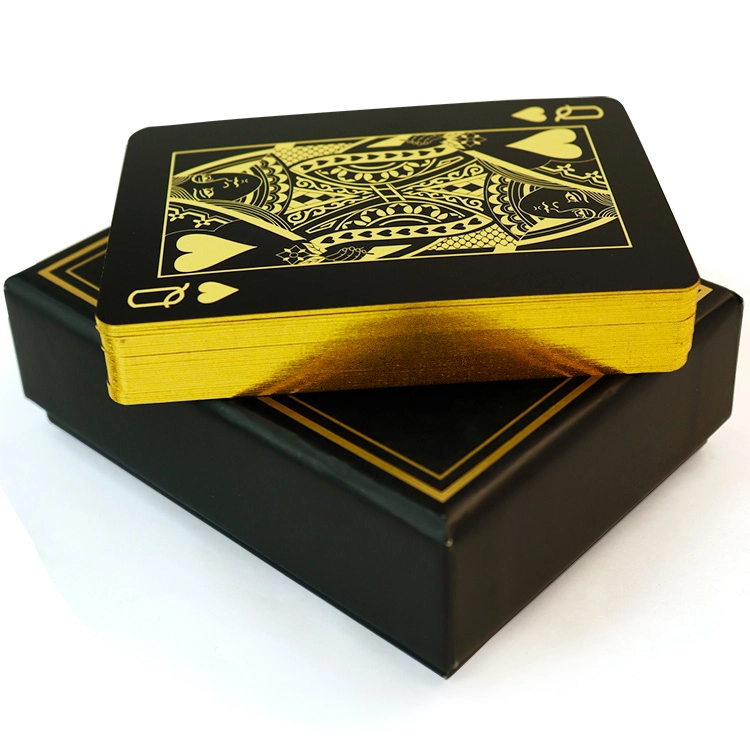
· Gold/Silver Foil Stamping: Hot foil pressed onto the card back or box for a metallic shine.
· Spot UV: A clear, glossy raised layer applied to specific areas (like a logo) to create contrast against a matte background.
· Metallic Inks: Printing with ink containing metal particles for a subtle shimmer (less reflective than foil but more detailed).
5. Packaging and Prototyping Your Deck
The final stage of production is card deck packaging and verifying the design before mass production.
Box Types: Tuck vs. Rigid
· Standard Tuck Box: The classic paper box found on most decks. It is cost-effective and sufficient for retail. Upgrades include embossing, inside printing, and foil.
· Rigid Box (Two-Piece): A "lift-off lid" box made of thick chipboard. This is considered premium packaging, often used for limited editions or gift sets. It offers significantly more protection than a tuck box.
Shrink Wrapping
For retail readiness, security, and humidity protection, decks are typically shrink-wrapped.
· Cello-wrap with Tear Tape: The "gold standard" easier-to-open style seen on Bicycle decks.
· Standard Shrink: Heat-sealed plastic. Cheaper, but harder to open without a tool.
Prototyping: Verify Before You Print
Investing in playing card prototyping is essential to avoid costly mistakes.
1. Digital Proofs (PDF): The printer sends a PDF showing the layout, bleed lines, and safety margins. Use this to check for typos and alignment.
2. Hard Copy Prototypes (Offset vs. Digital):
o Digital Sample: Printed one-off on a digital press. Good for checking paper feel and box sizing, but colors may differ slightly from the final offset run.
o Offset Wet Proof: A sample printed on the actual mass-production machinery. This is expensive but ensures 100% color accuracy.
For most creators, a digital sample on the actual stock (e.g., the 310gsm German Black Core) is the best balance of cost and assurance.
Conclusion
Creating professional custom playing cards requires more than just great artwork; it demands technical precision in material selection and print specifications. By choosing the right stock—such as the casino-grade 310gsm German Black Core—and adhering to strict CMYK and bleed guidelines, you ensure your deck not only looks professional but handles perfectly at the table.
From understanding the mechanics of the linen finish to selecting the appropriate card deck packaging, every detail contributes to the user experience. Whether you are launching a Kickstarter campaign or stocking a casino, prioritizing these manufacturing details will set your brand apart.
FAQ
What is the difference between Poker Size and Bridge Size cards?
Poker Size cards measure 2.5" x 3.5" (63mm x 88mm) and are the standard for most Western games like Texas Hold'em. Bridge Size cards are slightly narrower at 2.25" x 3.5" (57mm x 88mm), making them easier to hold when a player has many cards in their hand, such as in the game of Bridge.
Why is 310gsm German Black Core recommended for casinos?
German Black Core paper includes a dense black layer sandwiched between two white sheets. This ensures the card is 100% opaque (light cannot pass through), preventing cheating, while offering superior 'snap' and memory for frequent shuffling. It is the industry benchmark for durability and fairness.
Do you offer physical prototypes before full production?
Yes, we offer both digital proofs (for layout verification) and hard copy prototypes. For bulk orders, we highly recommend a physical sample to verify color accuracy and paper texture before mass printing. This step ensures that the final playing card prototyping phase meets your exact expectations.
How should I set up my design files for printing?
Files should be submitted in CMYK color mode with a minimum resolution of 300 DPI. Ensure you include a 3mm (1/8 inch) bleed around the edges and keep critical text within the safe zone to avoid cutting errors. Using vector formats for indices and logos is highly recommended for sharpness.
If you have more questions or need a professional solution, feel free to contact us at any time.
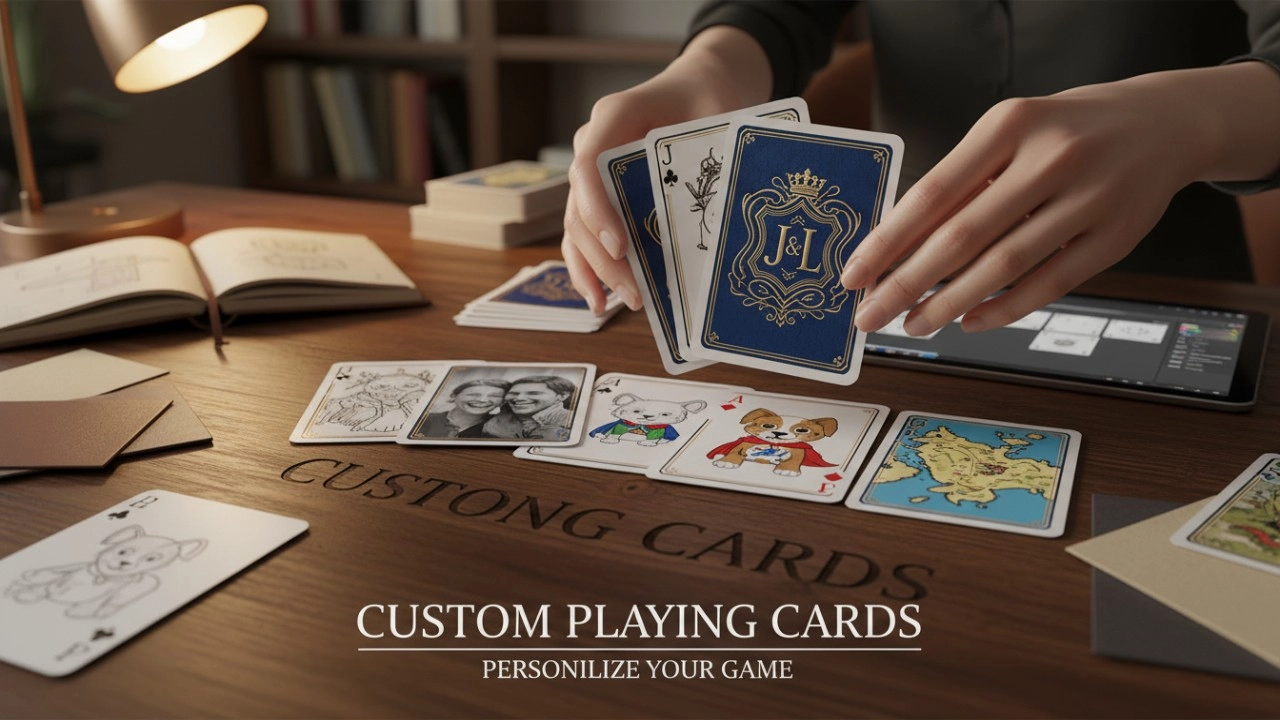
How to Create Your Own Custom Playing Cards: A Step-by-Step Design Tutorial (2026 Edition)
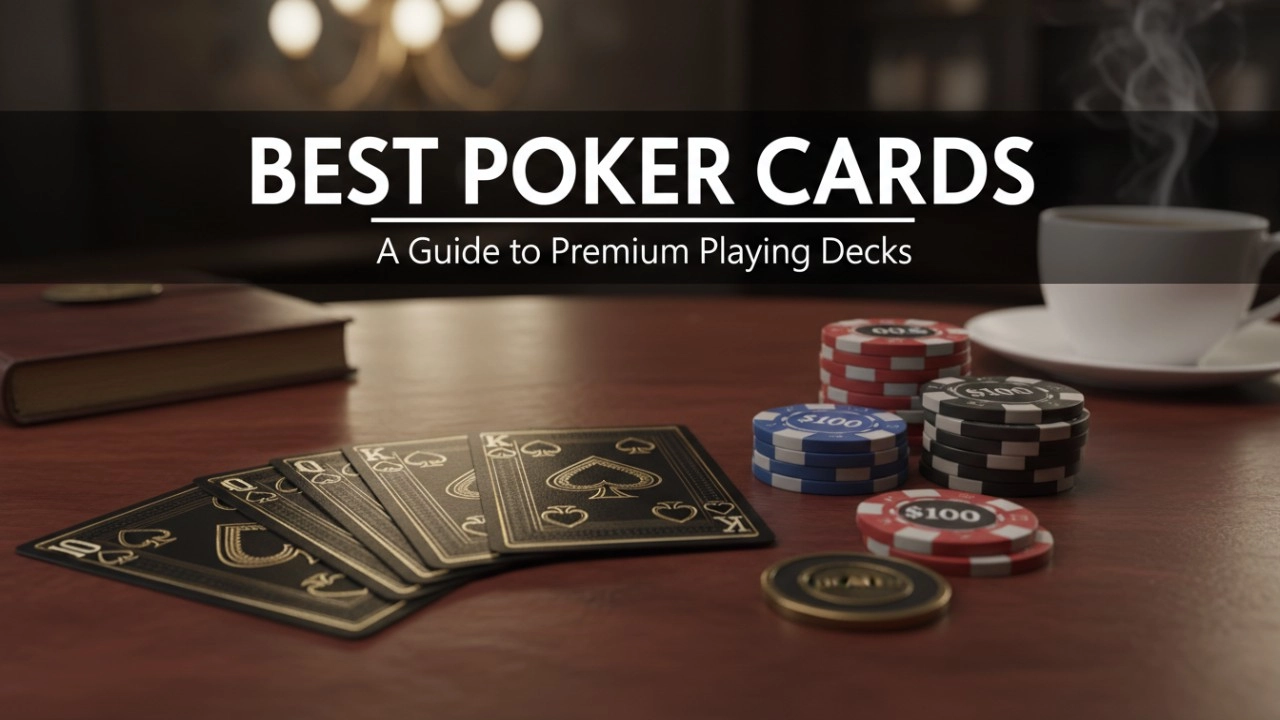
Beyond KEM: The 10 Best Professional Poker Card Brands You Didn't Know About (2026 Edition)
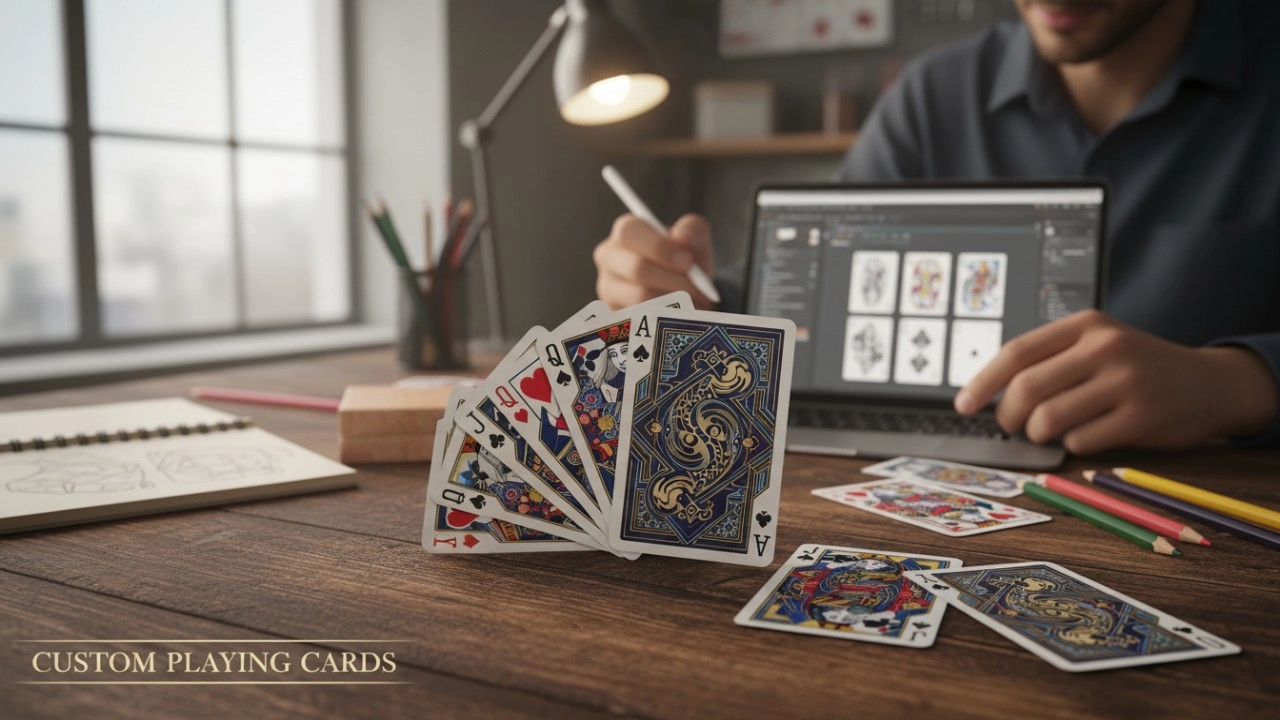
Custom Design Playing Cards: The Ultimate 2026 Guide to Manufacturing and Artistry
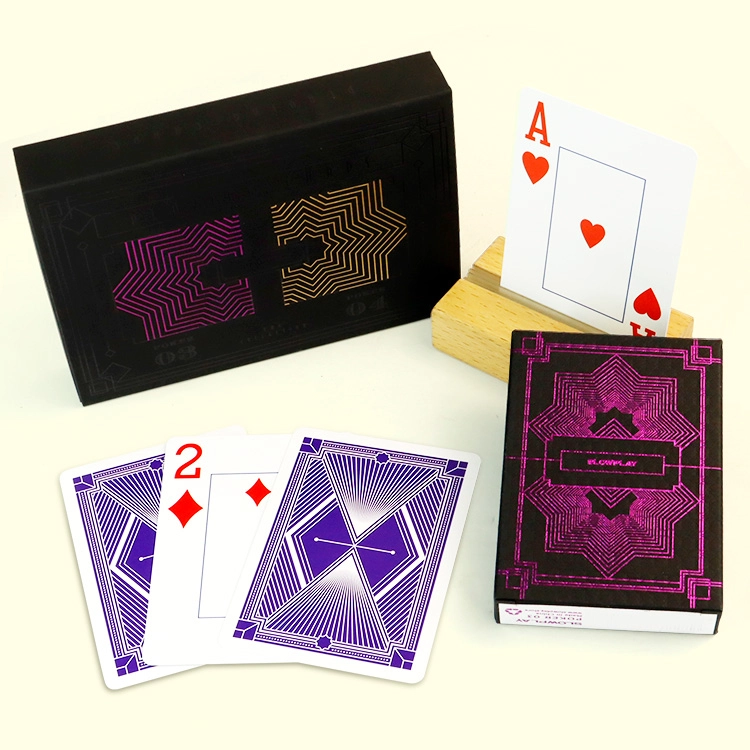
Double the Impact: The Substantial Two-Deck Custom Playing Card Gift That Demands Attention
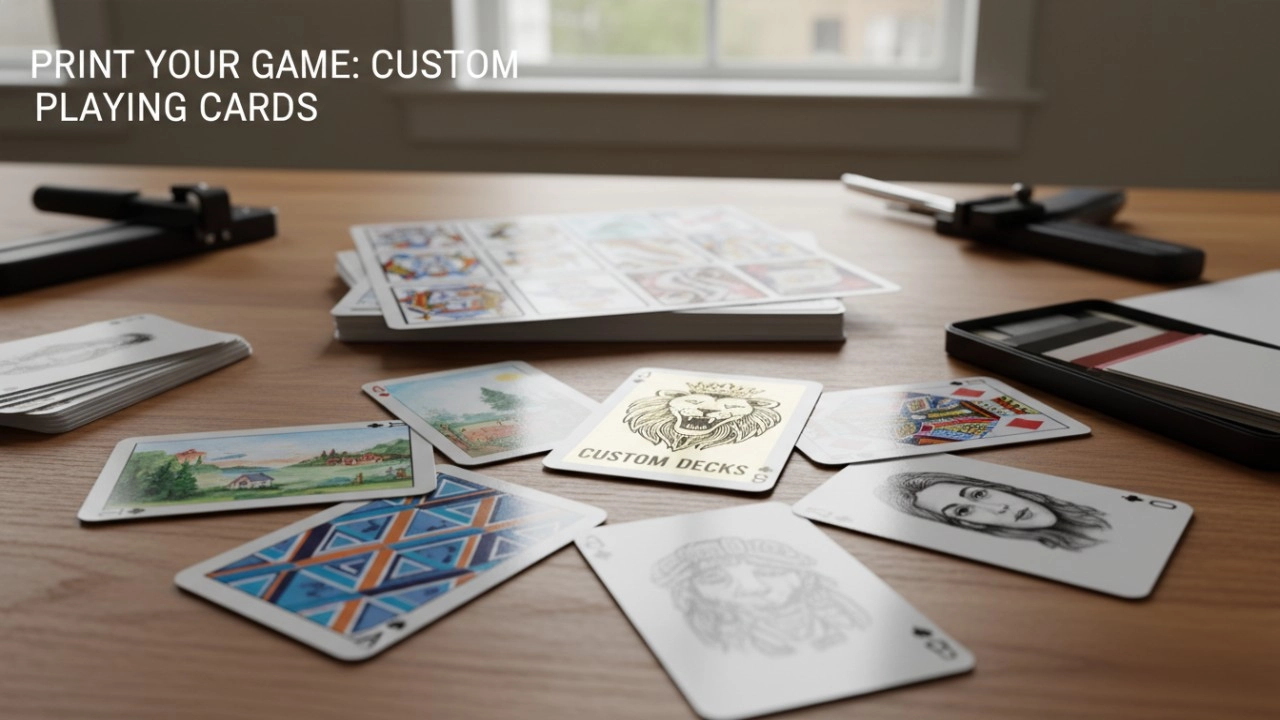
The Ultimate Guide to Custom Playing Card Printing in 2026: Professional Techniques & Design
About cooperation process
Do you accept international orders?
Yes, we accept orders from around the world! Shipping costs and delivery times may vary, so please contact us for specific details related to your location.
About customized services
Do you provide design services?
Yes! Our in-house design team is here to assist you in bringing your vision to life. Whether you have a complete design or just an idea, we can help.
Do you offer samples?
Yes! We can provide samples of our card materials and finishes. Please contact us to request samples relevant to your project.
What is the minimum order quantity?
We do not have a strict minimum order quantity. Since we are a custom offset printing company, we recommend a minimum order of 500 sets, as the material costs are the same, but the printing setup costs are higher.
However, if your order quantity is less than 300 sets, our sales team will usually work with customers to help customers find the most competitive options.
About price and payment
What payment methods do you accept?
We accept various payment methods, including credit cards, PayPal, and bank transfers. Please reach out for more details on payment options.
WE’D LOVE TO  HEAR
HEAR
FROM YOU
Please send us your inquiry details; our team will contact you ASAP.
20+ years of experience in custom playing cards, game cards, tarot cards, flashcards, and board games, as well as paper and paperboard box manufacturing.
bbilaser
sq_AL