
Personalized Learning Cards for Special Education Needs
- Personalized Learning Cards for Special Education Needs
- Why custom learning cards matter in special education
- Education evidence: why cards work for memory and learning
- Key design principles for effective custom learning cards
- How custom learning cards support IEP goals and measurable outcomes
- Practical classroom applications and activities
- Material, production, and accessibility considerations for procurement
- Comparing custom learning cards, off the shelf flashcards, and digital apps
- Production scale, quality standards, and why factory capabilities matter
- Why choose Guangdong Yuhua Playing Cards Co., Ltd. for custom learning cards
- How Yuhua applies their strengths specifically to educational custom learning cards
- Product offerings and core competitive advantages
- Ordering, customization workflow, and classroom rollout tips
- Cost, timelines, and ROI considerations
- Frequently Asked Questions
- Contact and product exploration
- References and sources
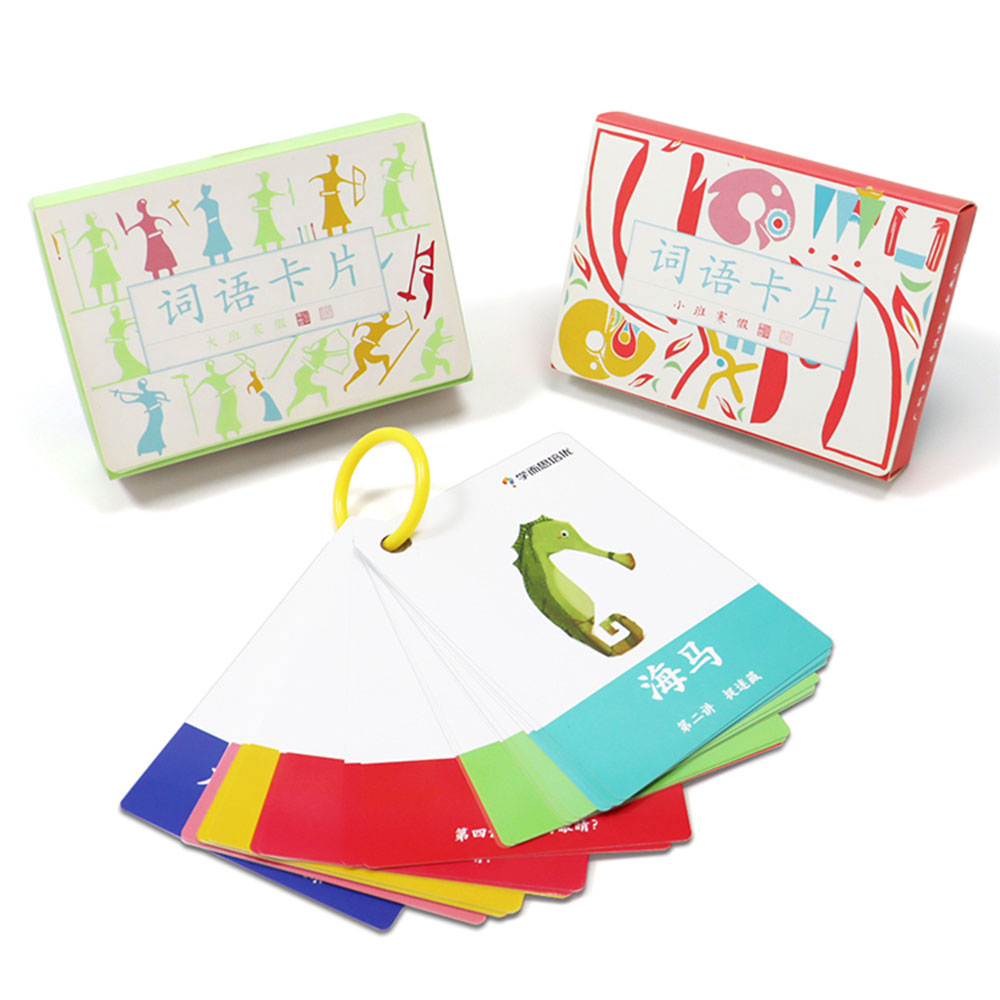
Personalized Learning Cards for Special Education Needs
Why custom learning cards matter in special education
Custom learning cards are tangible, adaptable tools tailored to a learner's profile, goals, and accommodations. For students with special education needs, one-size-fits-all materials often fail to address sensory differences, individualized language supports, memory challenges, or motor skill limitations. Custom learning cards provide controlled stimuli, predictable formats, and multisensory access that help teachers implement individualized education plans (IEPs) more effectively. The keyword here is custom learning cards: purposeful design increases relevance and reduces cognitive load, making it easier for educators to scaffold learning and measure progress.
Education evidence: why cards work for memory and learning
Research demonstrates that active retrieval practice, repetition, and spaced review significantly improve retention. Classic findings on the testing effect show that low-stakes recall practice improves long-term learning more than passive review. Custom learning cards are an ideal medium for implementing these evidence-based practices because they are portable, reusable, and easy to organize for spaced intervals. For special education populations where repetition and multimodal input are crucial, cards enable repeated, scaffolded practice without screen fatigue.
Key design principles for effective custom learning cards
Creating functional custom learning cards for special education requires deliberate choices in content, layout, and materials. Consider these principles when commissioning or designing cards:
- Clarity and simplicity: large fonts, limited text per card, and high-contrast colors reduce visual crowding and improve focus.
- Multisensory cues: include tactile textures, raised elements, or areas for velcro attachments to support kinesthetic learners.
- Universal Design: provide alternatives such as symbols, audio labels, or QR codes linking to auditory prompts for students with language or visual challenges.
- Modularity: design cards to be grouped, sequenced, or combined to support differentiation and progressive levels of difficulty.
- Durability and safety: laminated surfaces, rounded corners, and non-toxic inks extend lifespan and suit classroom handling.
Each design choice embeds the term custom learning cards into practical design decisions so that the materials are both accessible and targeted.
How custom learning cards support IEP goals and measurable outcomes
IEPs require measurable, individualized goals. Custom learning cards can be directly mapped to those goals: for example, speech targets can be practiced with picture-to-word cards; fine motor goals can use cards requiring page turning or manipulation; behavior goals can use social stories and sequence cards. Because cards are physical, educators can quickly collect data during sessions — counts of correct responses, latency to response, or independence level — and adjust instruction accordingly. Custom learning cards also support generalization by allowing the same stimuli to be used across settings with minimal adaptation.
Practical classroom applications and activities
Below are classroom uses that show how custom learning cards become tools for instruction, assessment, and engagement:
- One-on-one interventions: targeted vocabulary or phonics practice with immediate feedback.
- Small group centers: rotational activities where each student works at an individualized level.
- Transition supports: visual schedules and sequence cards to reduce anxiety during changes in routine.
- Augmentative supports: pairing symbol cards with communication devices to expand expressive language.
- Life skills: step-by-step task cards for personal care, cooking, or community navigation.
These uses make the educational intent of custom learning cards explicit and practical for special educators and paraprofessionals.
Material, production, and accessibility considerations for procurement
When procuring custom learning cards, consider materials and production processes that affect durability, tactile quality, and safety. Key factors include card stock weight, lamination type, rounded corners, non-slip coatings, and options for tactile additions like raised printing or braille. For students with sensory sensitivities, matte finishes and softer edges can reduce glare and discomfort. If cards will be used outdoors or in therapy pools, water-resistant materials are essential. Procurement decisions are not just aesthetic but central to usability and long-term cost.
Comparing custom learning cards, off the shelf flashcards, and digital apps
Choosing the right medium depends on goals, budget, and learner profile. The table below compares the three common options across typical criteria relevant to special education.
| Criteria | Custom learning cards | Off-the-shelf flashcards | Digital apps |
|---|---|---|---|
| Personalization | High. Content, size, texture, language tailored to IEPs. | Low to medium. Predefined topics, limited adaptation. | Medium to high. Some apps allow custom decks but may lack tactile features. |
| Tactile feedback | High. Physical manipulation supports motor and sensory goals. | Medium. Durable but limited special textures. | Low. Screen-based, no tactile feedback unless paired with accessories. |
| Durability | High with proper materials; long-term classroom use. | Variable. Often less durable than professionally produced custom decks. | High for data, but devices can break or become unavailable. |
| Cost per student | Medium to low at scale; economical for large orders. | Low for small quantities. | Variable. App subscriptions and devices add cost. |
| Data tracking | Manual but actionable; easy to align with IEP documentation. | Manual; limited built-in tracking. | High. Many apps provide analytics but may need privacy controls. |
Sources for educational benefits referenced at the end of this article provide empirical support for these comparisons.
Production scale, quality standards, and why factory capabilities matter
Custom learning cards for schools and districts often require large quantities with consistent quality. Choosing a supplier with robust quality systems reduces defects, ensures consistent color and tactile properties, and shortens lead times. A manufacturer offering FSC certified paper and ISO 9001 management is better positioned to meet institutional purchasing requirements and sustainability goals. When tactile elements or special coatings are required, a factory with automated and flexible production lines can maintain low defect rates while scaling orders efficiently.
Why choose Guangdong Yuhua Playing Cards Co., Ltd. for custom learning cards
Guangdong Yuhua Playing Cards Co., Ltd., founded in 2014, specializes in the R and D, design, and mass custom production of playing cards, game cards, and color-printed packaging. With a 6,000 square meter intelligent facility, they offer advanced, automated card production lines capable of 1,000,000 plus units per month. Core strengths include FSC certified materials, ISO 9001 quality control, a defect rate under 0.5 percent, and over 20 patents. Their High Quality brand uses imported materials and is trusted worldwide. Yuhua serves global markets with custom card solutions for casinos, games, education, and more—delivering fast, high-quality results with professional support.
How Yuhua applies their strengths specifically to educational custom learning cards
Bringing the earlier design and procurement principles together, Yuhua offers OEM and ODM services for educational materials including learning flash cards tailored to special education. Their large-scale automated production ensures consistent quality across batches, while FSC certification and ISO 9001 compliance align with institutional sustainability and procurement standards. A defect rate under 0.5 percent means schools and districts receive reliable products; the capacity for one million plus units per month supports both pilot projects and full district rollouts. Additionally, their experience with specialty printing and patented processes enables tactile options, braille printing, and customized coatings important for special education populations.
Product offerings and core competitive advantages
Yuhua provides multiple tailored product lines for educational customers:
- OEM Playing Card production adapted to educational formats and sizes.
- ODM Tarot cards that demonstrate complex printing and finishing capabilities useful for specialized visual formats.
- Custom Game cards that translate to interactive learning decks and social skills games.
- Learning Flash cards OEM with options for lamination, rounded corners, tactile additions, braille, and multilingual printing.
Their core competitive advantages are advanced automated lines, certified materials, stringent quality control, patent-enabled finishing options, and global shipping and support—attributes that reduce risk and deliver educationally useful custom learning cards at scale.
Ordering, customization workflow, and classroom rollout tips
Best practice for commissioning custom learning cards:
- Define learning objectives and measurable IEP outcomes to ensure card content aligns to goals.
- Create prototypes with small runs to test size, font, colors, tactile features, and accessibility before full production.
- Pilot in the classroom and collect teacher/therapist feedback and quick data on engagement and outcomes.
- Iterate based on feedback, then place scaled orders using a manufacturer capable of meeting quality and capacity needs.
- Train staff on organization, storage, and data collection protocols so cards contribute to IEP progress monitoring.
Cost, timelines, and ROI considerations
Custom learning cards can be cost-effective when viewed over the life of the product. Durable, well-designed cards reduce the need for frequent replacement and support consistent interventions. While initial setup and tooling for highly specialized tactile features may add to unit cost, ordering at scale lowers per-unit cost substantially. A reliable manufacturer with fast production lines and low defect rates shortens lead times and reduces the total cost of ownership. ROI should be measured in both educational outcomes and operational savings from fewer replacements and improved instructional efficiency.
Frequently Asked Questions
Q: What is the turnaround time for custom learning cards?
A: Turnaround depends on order size and complexity. For simple custom decks, many manufacturers can produce small pilot runs in 2 to 4 weeks. Large orders benefit from production capacity; suppliers with 1,000,000 unit per month capabilities can scale without long delays. Discuss timelines with your vendor early.
Q: How can I make cards accessible for students with visual impairments?
A: Options include raised or braille printing, high-contrast colors, large fonts, and pairing cards with audio QR codes. Ensure tactile features are durable and meet safety standards.
Q: Are custom learning cards more effective than apps?
A: They serve complementary roles. Cards provide tactile, low-stimulation practice ideal for many learners with special needs. Apps offer analytics and scalability. Use both when appropriate.
Q: What certifications should I look for in a card manufacturer?
A: Look for FSC certification for sustainable materials, ISO 9001 for quality management, and documented low defect rates. Suppliers with patents and specialized finishing capabilities are useful for advanced accessibility features.
Contact and product exploration
If you are interested in producing custom learning cards tailored to special education needs, contact Guangdong Yuhua Playing Cards Co., Ltd. Their team can advise on materials, tactile options, braille, multilingual printing, and production scheduling to meet school and district requirements. View product options and request a sample kit to pilot in your classroom or program.
Contact Yuhua for a consultation, request samples, or view product catalogs to begin developing custom learning cards that meet your students' needs.
References and sources
1. Roediger, H. L., & Karpicke, J. D. (2006). Test-enhanced learning: Taking memory tests improves long-term retention. Psychological Science.
2. National Center for Learning Disabilities. Resources on strategies and supports for learners with disabilities. (NCLD)
3. U.S. Department of Education, Individuals with Disabilities Education Act (IDEA) guidance on IEP development and accommodations.
4. Bransford, J. D., Brown, A. L., & Cocking, R. R. (2000). How People Learn: Brain, Mind, Experience, and School. National Research Council.
5. Forest Stewardship Council. Certification standards for responsible sourcing of paper and wood products. (FSC)
6. International Organization for Standardization. ISO 9001 Quality Management Systems standard documentation. (ISO)
7. Company data provided by Guangdong Yuhua Playing Cards Co., Ltd.: factory size, production capacity, certifications, defect rates, and patent counts as described above.
Top Printing Techniques for Custom Made Playing Cards Quality
The latest trends for customize flash cards
Eco-Friendly Custom Made Playing Cards: Sustainable Materials
How to Choose the wholesale white core paper playing cards manufacturer and supplier in Saudi Arabia?
About logistics
Can you handle shipping and fulfillment?
Yes! We offer comprehensive fulfillment services, including storage, packing, and shipping. You can rely on us to ensure your cards reach their destination safely and on time.
About product selection
What types of playing cards do you offer?
We offer a wide range of playing cards including standard decks, custom-designed decks, and specialty cards. Whether you need classic poker cards, bridge cards, or custom promotional decks, we have the options to fit your needs.
About customized services
Do you provide design services?
Yes! Our in-house design team is here to assist you in bringing your vision to life. Whether you have a complete design or just an idea, we can help.
Can I see a proof before production?
Yes! We provide digital proofs for your approval before we start production. This ensures that everything meets your expectations.
About cooperation process
Do you accept international orders?
Yes, we accept orders from around the world! Shipping costs and delivery times may vary, so please contact us for specific details related to your location.
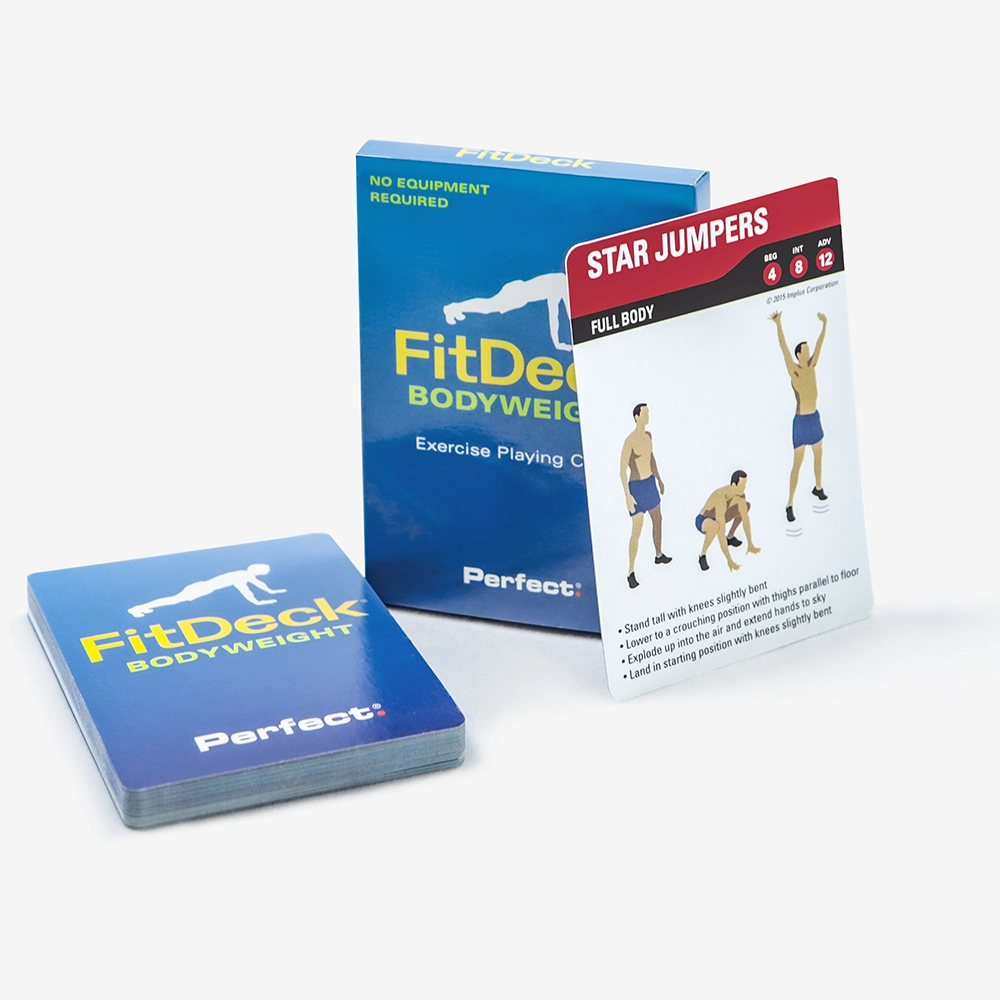
Custom Design Printing Fitness Learning Cards
The Fitness Learning Card is an innovative, beginner-friendly tool for fitness enthusiasts, featuring clear illustrations and instructions to ensure proper form and prevent injury. Organized by topics like strength training, cardio, stretching, and nutrition, it offers a systematic, easy-to-follow approach to building fitness knowledge and avoiding blind workouts.
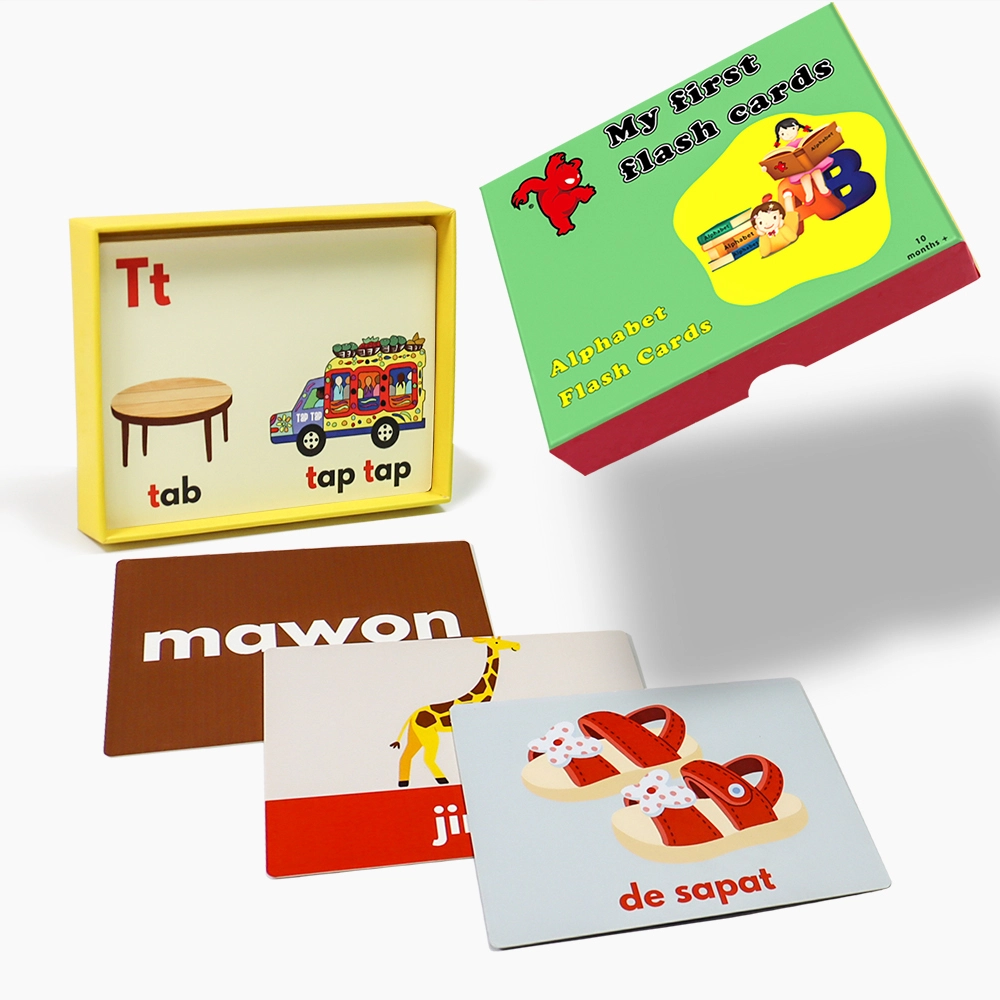
Factory Custom Printing High Quality Children's Learning Cards
Designed for preschoolers, kindergarteners, and primary school students, these cards support early cognitive development by introducing letters, numbers, colors, shapes, animals, fruits, and vehicles. Combining images and words enhances vocabulary and language skills, while games like sorting and pairing foster logical thinking and problem-solving. Repetition builds memory and focus, and the cards also encourage meaningful parent-child interaction.
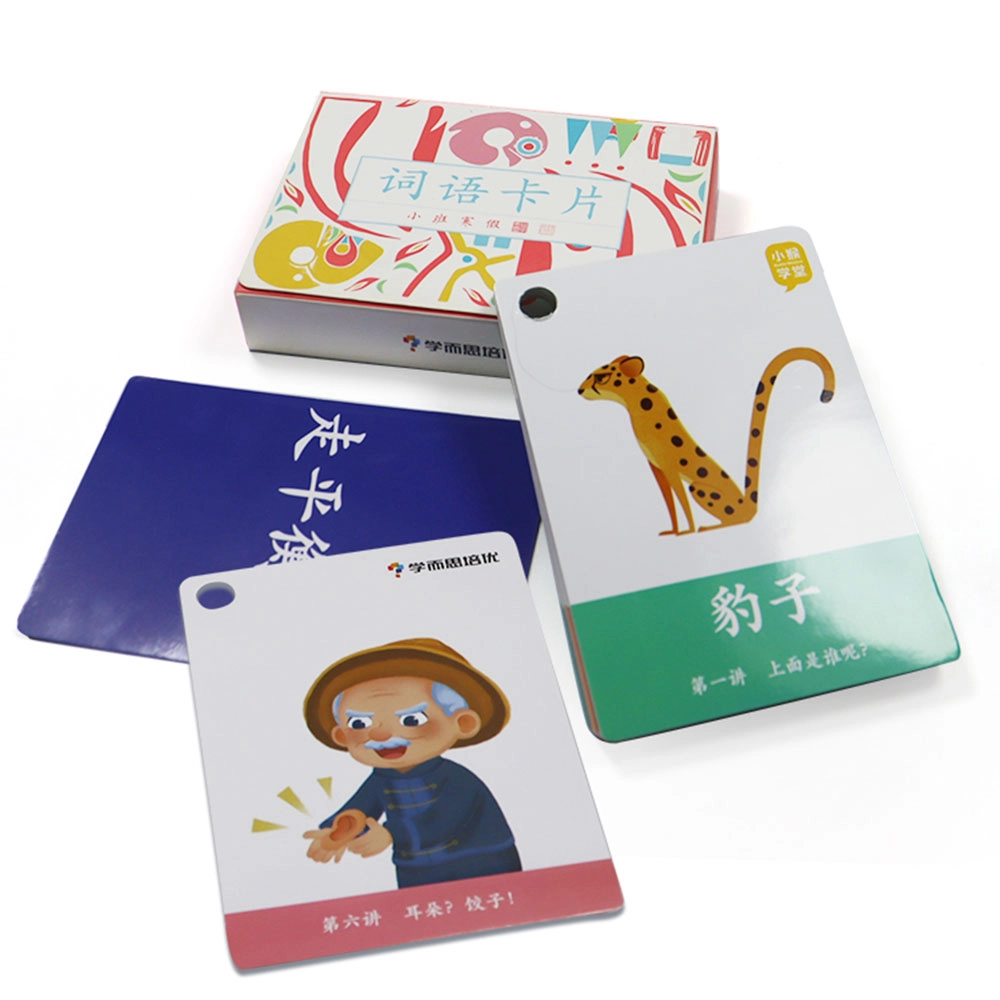
Chinese Words for Children Learning Cards
Chinese Character Learning Cards help kids ages 3-8 master basic Chinese characters through fun illustrations, pinyin, example words, and sentences. Designed for early learners, it builds language skills in an engaging way.
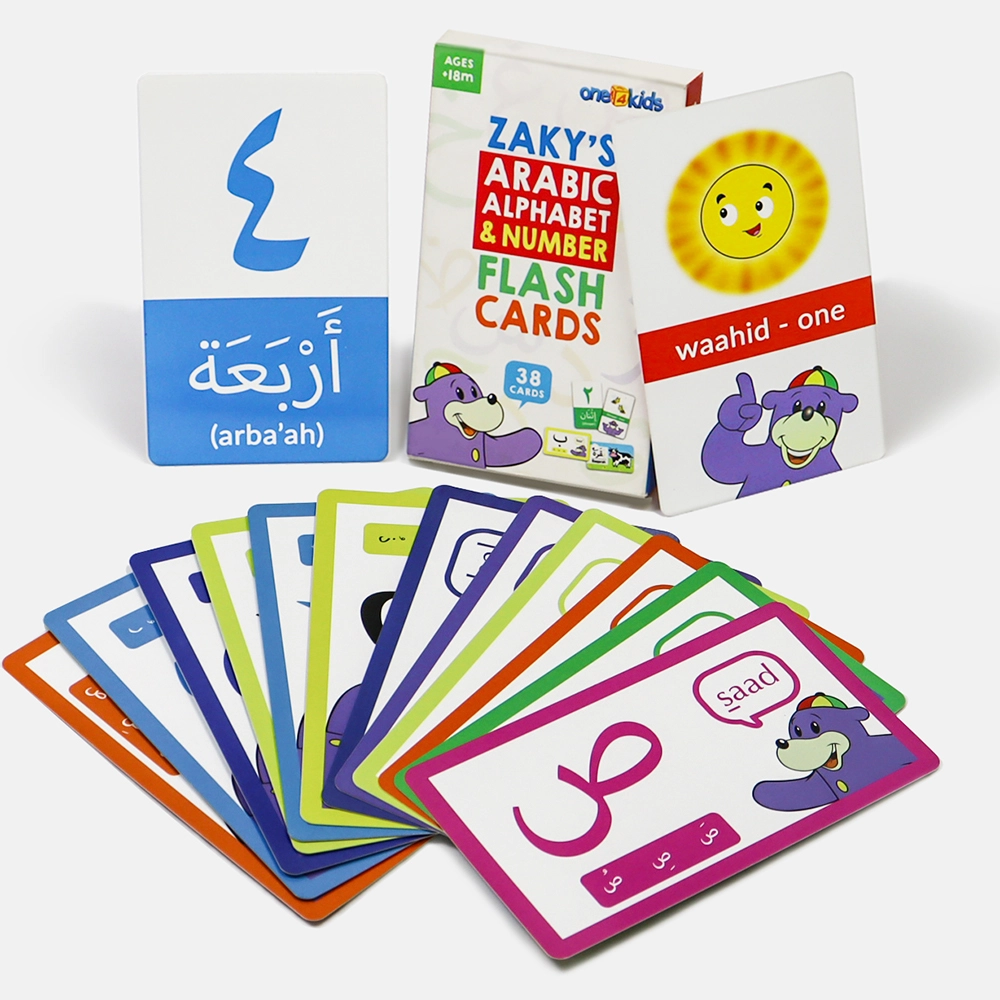
Custom Design Printing Font Stroke Learning Cards
These learning cards feature rich content across various topics, making them suitable for children of different ages. Bright colors and cute patterns engage young learners, while eco-friendly, non-toxic materials and rounded corners ensure safety. Thoughtfully sized for little hands, the cards can be used alone or paired with a reading pen or app for added fun and interactivity.
bbilaser
sq_AL