
What printing techniques are used for premium custom playing cards? | Yuhua Expert Guide
- What Printing Techniques Are Used for High Quality Custom Playing Cards?
- 1. What is Offset Printing and Why is it Preferred for High Quality Playing Cards?
- 2. Can Digital Printing Be Used for Custom Playing Cards?
- 3. How Does Screen Printing Fit Into Playing Card Production?
- 4. What Are the Industry-Standard Card Stocks and Coatings for High Quality Cards?
- 5. How to Choose the Right Printing Method for Your Custom Playing Cards?
What Printing Techniques Are Used for High Quality Custom Playing Cards?
When it comes to High Quality custom playing cards, the printing technique greatly impacts the quality, durability, and overall aesthetic of the cards. The most common and trusted printing methods include offset printing, digital printing, and screen printing. Each technique offers distinct advantages depending on the project size, budget, and customization needs.
1. What is Offset Printing and Why is it Preferred for High Quality Playing Cards?
Offset printing is the gold standard in the playing card industry. It involves transferring an inked image from a plate to a rubber blanket, then onto the card stock. This method ensures vibrant colors, sharp details, and consistent quality at large production volumes. Most High Quality decks, especially brands like USPCC (United States Playing Card Company) and Cartamundi, utilize offset printing due to its precision and cost efficiency for mass production.
2. Can Digital Printing Be Used for Custom Playing Cards?
Yes, digital printing has grown in popularity, especially for short-run and highly customized playing cards. Unlike offset, digital printing requires less setup, allowing for fast turnaround and easier customization with variable data printing (e.g., personalized card faces). However, digital printing often has less color richness and durability compared to offset, making it less preferable for High Quality decks intended for heavy use.
3. How Does Screen Printing Fit Into Playing Card Production?
Screen printing is less common for full decks but is still used for specialty effects like metallic inks, spot varnishes, or tactile finishes. This method presses ink through a mesh stencil onto the card surface, allowing thick, vivid inks and unique textures. While excellent for artistic finishes, screen printing is not typically used for the detailed, multi-colored patterns on card faces or backs due to its limited color layering capability.
4. What Are the Industry-Standard Card Stocks and Coatings for High Quality Cards?
High Quality playing cards generally use high-quality cardstock with a smooth finish and specialized coatings like air-cushion or linen textures for better handling. Popular card stocks weigh 300-310 gsm, offering a sturdy yet flexible feel. Coatings can be UV or aqueous varnish to increase resilience and reduce wear. These factors combined with the printing technique ensure longevity and a smooth shuffle feel.
5. How to Choose the Right Printing Method for Your Custom Playing Cards?
Consider your project goals: For high volume and vibrant color accuracy, offset printing is ideal. For small batches and personalization, digital printing offers flexibility. If you want special finishes or tactile effects, ask if screen printing or spot UV can be integrated. Always request printed samples from manufacturers and verify their print technologies to ensure your design is executed with the desired quality.
In conclusion, understanding the differences between printing techniques helps buyers of custom playing cards make informed choices for High Quality products that meet both budget and design aspirations.
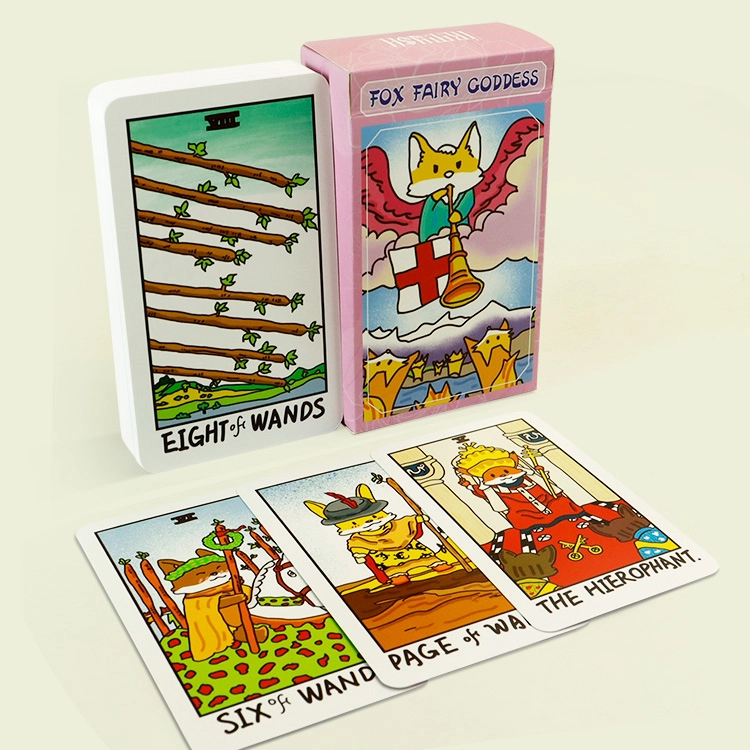
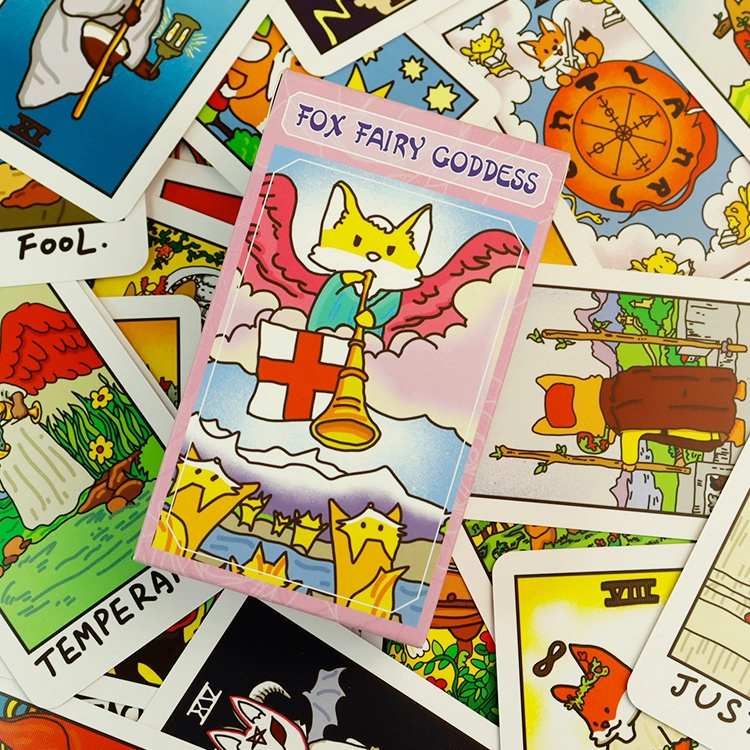
Custom Printing Tarot Cards with fox fairy Goddess on Premium Box for Complete Tarot Cards Deck and Guidebook
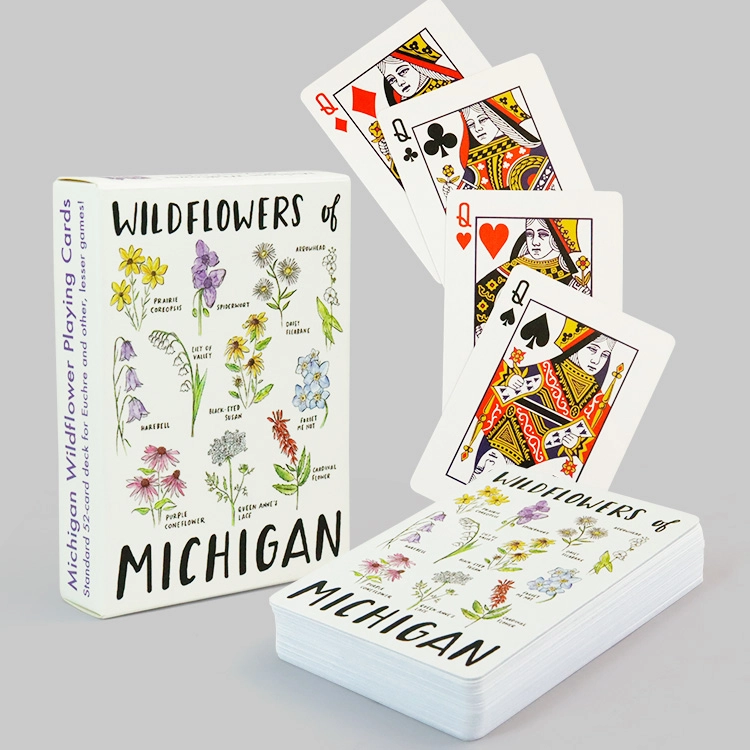
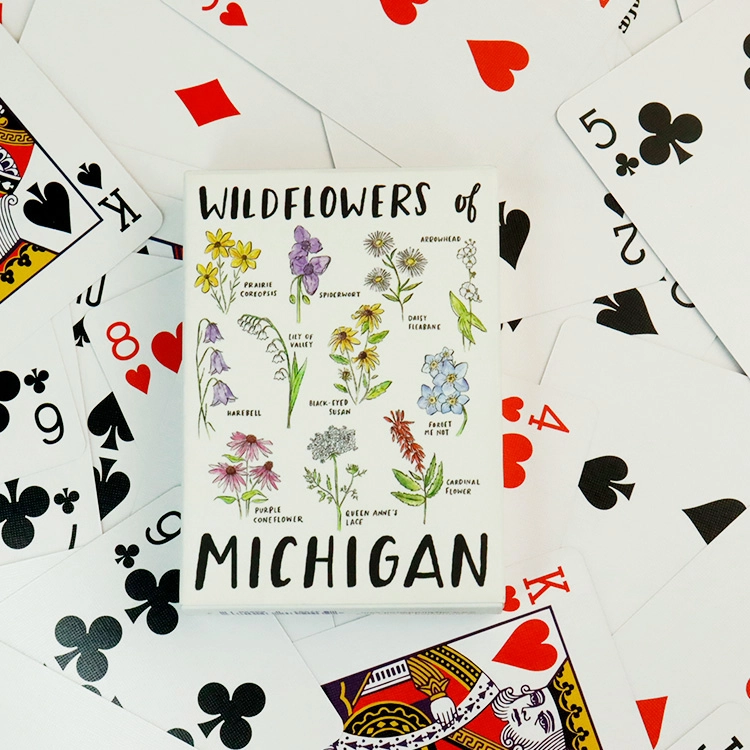
The Curated Wild: A Lifestyle Brand's Statement Piece – The Power of Custom Wildflower Playing Cards
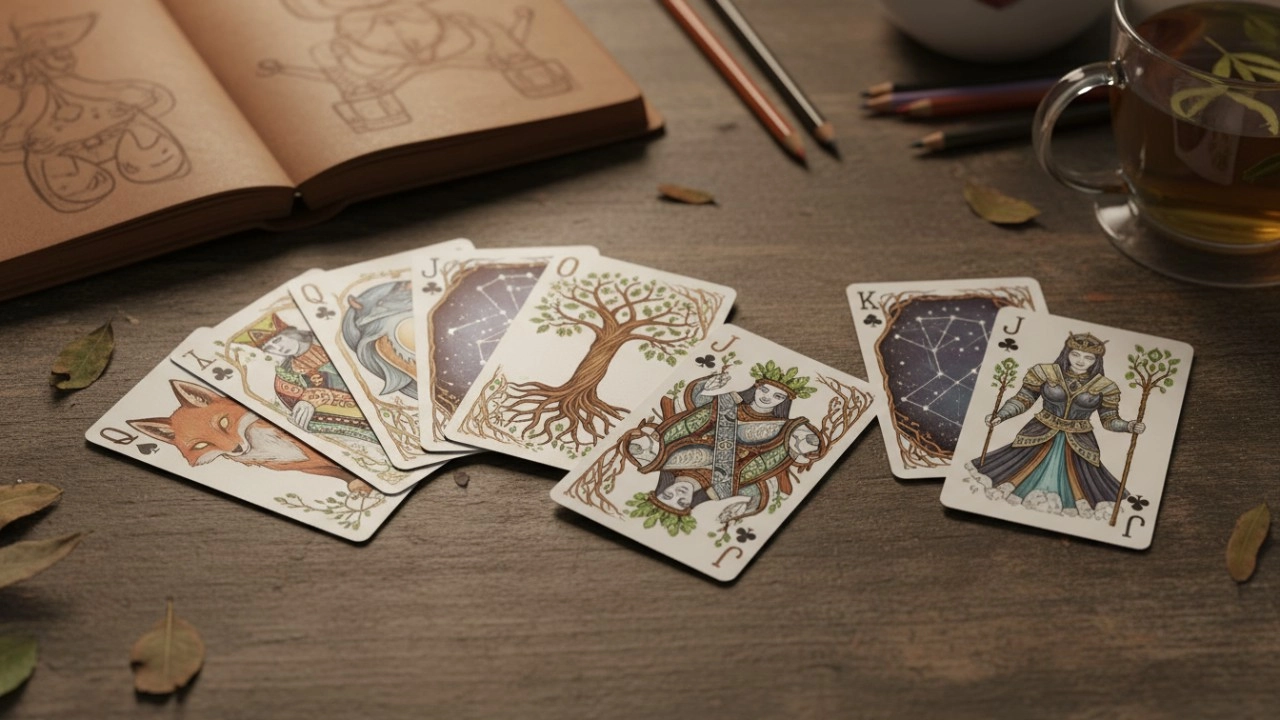
Custom Poker Card Printing: How to Choose a Professional Manufacturer for Your Brand
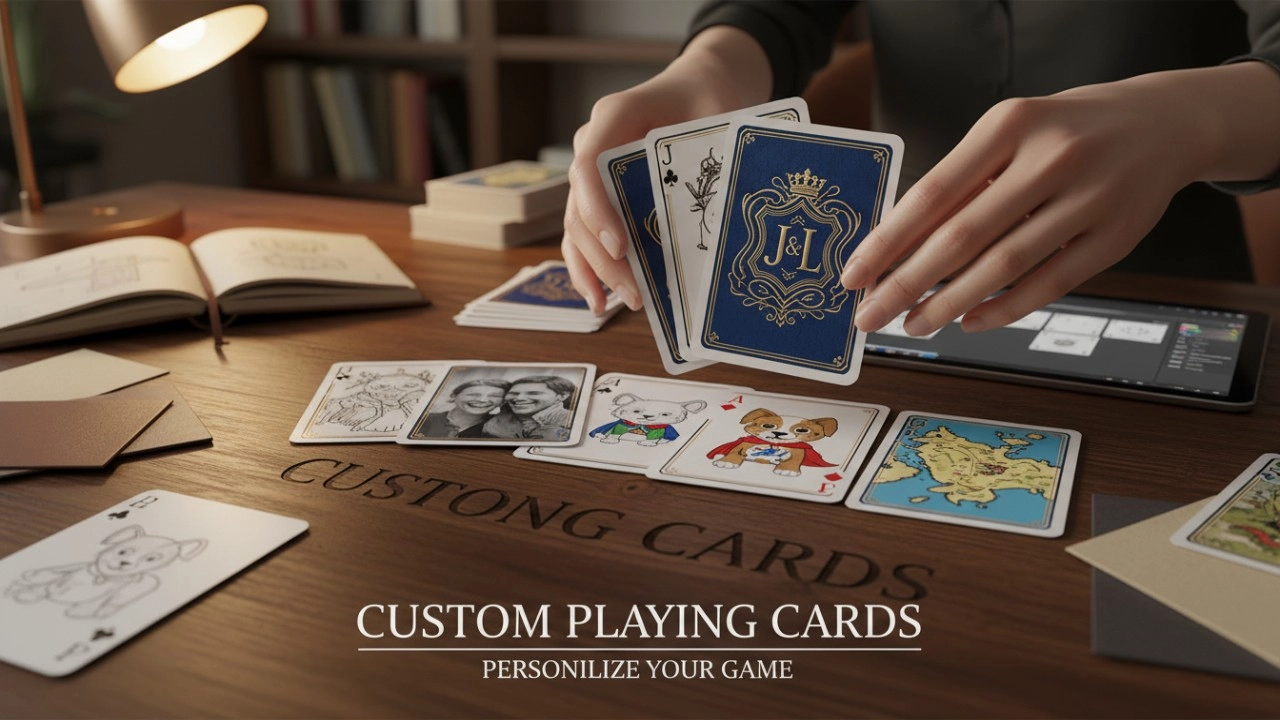
How to Create Your Own Custom Playing Cards: A Step-by-Step Design Tutorial (2026 Edition)
Beyond KEM: The 10 Best Professional Poker Card Brands You Didn't Know About (2026 Edition)
About customized services
Can I see a proof before production?
Yes! We provide digital proofs for your approval before we start production. This ensures that everything meets your expectations.
What is the minimum order quantity?
We do not have a strict minimum order quantity. Since we are a custom offset printing company, we recommend a minimum order of 500 sets, as the material costs are the same, but the printing setup costs are higher.
However, if your order quantity is less than 300 sets, our sales team will usually work with customers to help customers find the most competitive options.
About product selection
Can I see a sample before a full order?
Yes, we will provide a prototype sample for your review to ensure you are satisfied with the final product.
After-sales support
Can I order a sample before placing a formal order?
Yes, we can provide samples for your review. Please contact us to discuss pricing and options for samples.
About cooperation process
Do you accept international orders?
Yes, we accept orders from around the world! Shipping costs and delivery times may vary, so please contact us for specific details related to your location.


WE’D LOVE TO  HEAR
HEAR
FROM YOU
Please send us your inquiry details; our team will contact you ASAP.
20+ years of experience in custom playing cards, game cards, tarot cards, flashcards, and board games, as well as paper and paperboard box manufacturing.