
From Concept to Collectible: A Strategic Guide to Transforming IP into Physical TCG Cards
In an increasingly digital entertainment landscape, the tangible appeal of physical TCG cards represents a powerful opportunity for intellectual property owners. Transforming a digital concept into a collectible physical product requires more than simple translation—it demands strategic adaptation of game mechanics, understanding of manufacturing realities, and appreciation of collector psychology. This comprehensive guide explores the journey from initial concept to market-ready TCG cards, providing game developers and IP holders with actionable insights into creating successful physical card products that extend brand reach, deepen audience engagement, and create new revenue streams.
- Chapter 1: The Strategic Case for Physical TCG Cards
- Chapter 2: From Digital Mechanics to Physical Design
- Chapter 3: The Manufacturing Reality - Beyond Game Design
- Chapter 4: Five Unique Design Considerations for Physical TCG Cards
- Chapter 5: Cross-IP Adaptation Framework
- Chapter 6: Market Launch and Ecosystem Development
Chapter 1: The Strategic Case for Physical TCG Cards
Understanding why physical card games remain relevant in a digital age.
-
Tangible Brand Extensions
Physical TCG cards transform intangible intellectual property into objects fans can hold, collect, and display. This physical presence creates deeper emotional connections than digital assets alone, turning passive consumers into active collectors and brand ambassadors. Unlike digital items that can be copied infinitely, physical TCG cards carry inherent scarcity that drives perceived value and collecting behavior. -
Community Building Through Physical Interaction
While digital games connect players online, physical TCG cards create opportunities for in-person community events, tournaments, and trading sessions. These gatherings strengthen fan communities, generate organic marketing through social sharing, and provide valuable real-world feedback for IP development. The social dimension of physical TCG cards often becomes their most valuable asset, sustaining interest between digital content releases. -
Diversified Revenue and Long-Tail Monetization
Well-designed TCG cards create multiple revenue streams beyond initial sales. Limited editions, special releases, tournament support products, and accessory sales provide ongoing monetization opportunities. Additionally, secondary markets for rare cards extend product lifespan and create perceived value that benefits the entire product ecosystem. -
Chapter 2: From Digital Mechanics to Physical Design
Adapting game concepts for the unique requirements of physical TCG cards.
-
Information Architecture and Card Layout
Digital interfaces can display extensive information dynamically, but physical TCG cards require efficient, permanent information presentation. Successful adaptation involves:-
Prioritizing essential game information for quick comprehension during play
-
Designing intuitive iconography that reduces language dependence
-
Creating visual hierarchies that guide players' attention naturally
-
Balancing text density with visual appeal and readability
-
-
Game Flow and Physical Interaction Considerations
Physical gameplay introduces constraints absent in digital environments:-
Hand Management: Physical space limitations affect hand size and card drawing mechanics
-
Public Information: Designing cards that work face-up and face-down in various game zones
-
Component Interaction: Ensuring cards interact cleanly with tokens, counters, and playmats
-
Rule Complexity: Managing rules complexity without digital enforcement or reminders
-
-
Collectibility-Driven Design Elements
Beyond gameplay, TCG cards must satisfy collectors through:-
Art Progression: Common to rare cards showing increasing artistic complexity
-
Special Treatments: Foil stamps, alternate art, and signature editions
-
Set Completion Incentives: Numbering systems and checklist cards
-
Story Integration: Art and flavor text that expands the IP narrative
-
-
Chapter 3: The Manufacturing Reality - Beyond Game Design
Understanding production constraints and opportunities in TCG cards manufacturing.
-
Material Selection and Durability Requirements
Physical TCG cards face handling conditions digital assets never encounter:-
Card Stock Options: Balancing thickness, durability, and shuffle feel
-
Coating Technologies: Protective layers that resist wear without affecting gameplay
-
Corner Treatments: Rounded corners that prevent damage during handling
-
Environmental Factors: Resistance to humidity, temperature, and UV exposure
-
-
Printing Technologies and Quality Control
Modern TCG cards production employs specialized techniques:-
Offset Printing: For consistent color reproduction across large print runs
-
Specialty Inks: Metallic, fluorescent, or texture-creating formulations
-
Precision Cutting: Ensuring perfect registration and uniform sizing
-
Batch Testing: Quality assurance protocols that maintain product consistency
-
-
Packaging as Part of the Experience
The unboxing experience contributes significantly to product perception:-
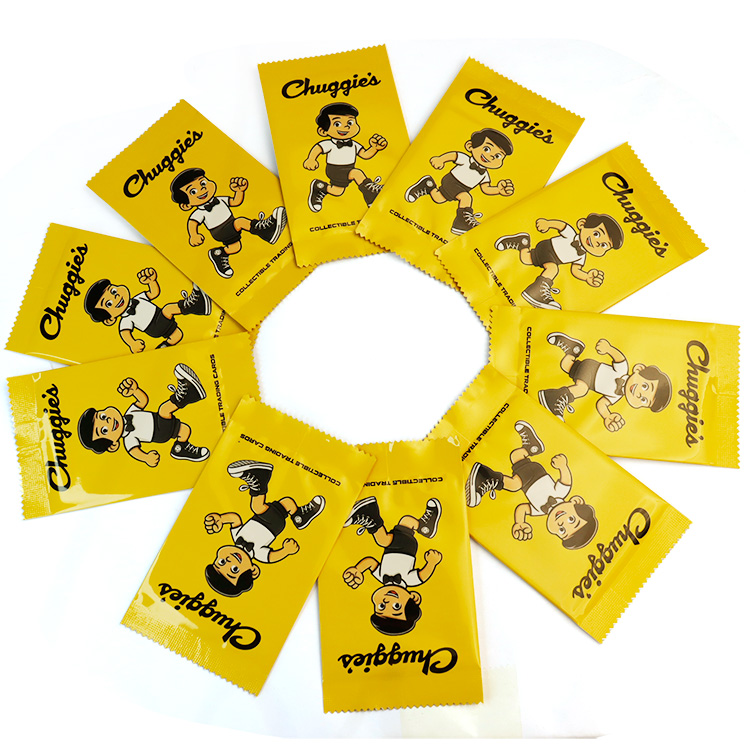
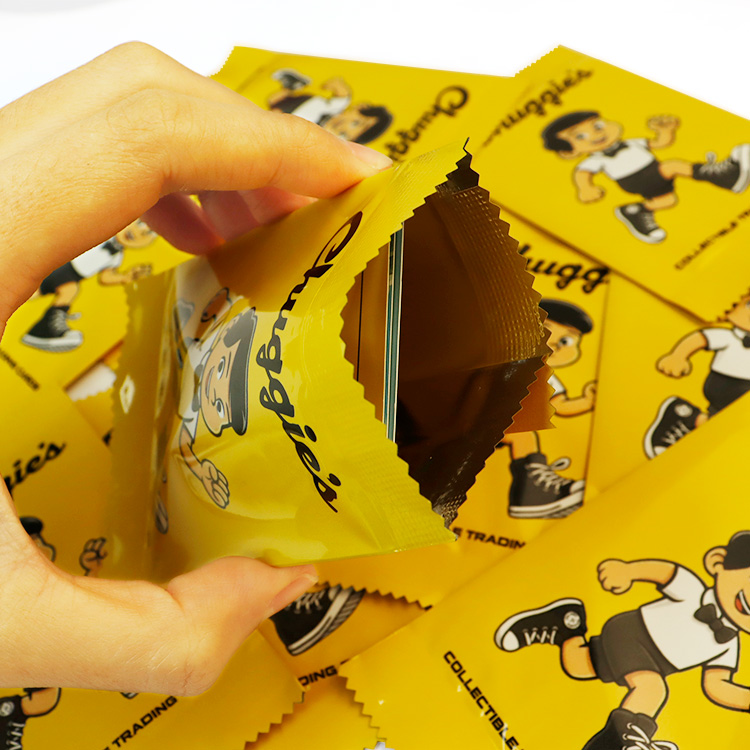
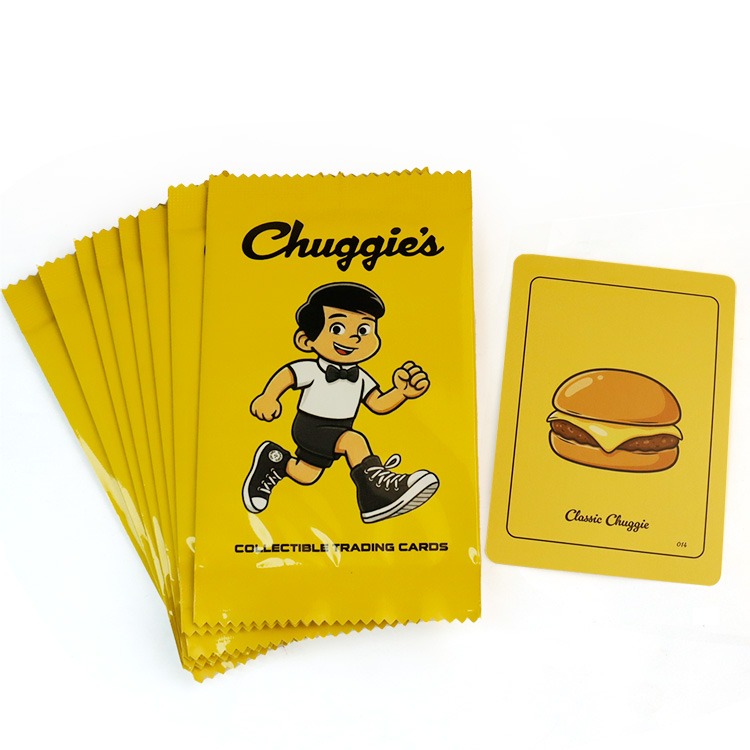
Booster Pack Design: Creating anticipation and discovery moments
-
Display Box Considerations: Retail presentation and storage efficiency
-
Premium Packaging: Options for special editions and collector products
-
Sustainability Factors: Material choices and environmental impact
-
-
Chapter 4: Five Unique Design Considerations for Physical TCG Cards
Critical factors that distinguish physical card design from digital game design.
-
The "Table Presence" Factor
Physical TCG cards exist in shared physical space, requiring designs that:-
Read clearly from multiple angles and distances
-
Create visually distinct board states at a glance
-
Use color and symbol systems accessible to colorblind players
-
Balance information density with aesthetic appeal
-
-
Durability and Longevity Planning
Unlike digital patches, physical TCG cards cannot be easily updated, necessitating:-
Comprehensive playtesting before production commitment
-
Future-proofing mechanics for potential expansion
-
Designing cards with multiple potential uses
-
Creating systems that tolerate imperfect information
-
-
Production Scalability and Cost Management
Physical manufacturing introduces economic considerations including:-
Color count limitations affecting art complexity and cost
-
Sheet efficiency optimization to minimize material waste
-
Print run economies that affect per-unit pricing
-
Warehousing and distribution logistics planning
-
-
Counterfeit Prevention and Security
Valuable TCG cards require protection through:-
Specialized printing techniques difficult to replicate
-
Hidden security features visible under specific conditions
-
Holographic elements and specialty foils
-
Serialization and authentication systems
-
-
Ergonomics and Accessibility
Physical interaction demands attention to:-
Card dimensions comfortable for various hand sizes
-
Texture and finish that facilitates shuffling and handling
-
Font sizes and contrasts readable in various lighting conditions
-
Symbol systems understandable without language dependence
-
-
Chapter 5: Cross-IP Adaptation Framework
A structured approach to adapting different intellectual property types into TCG cards.
-
Narrative-Driven IP (Novels, Films, Television)
These properties excel at character and story but may lack built-in game mechanics:-
Character Card Development: Translating narrative roles into game functions
-
Story Arc Integration: Making narrative progression part of gameplay
-
Iconic Moment Representation: Transforming memorable scenes into card abilities
-
Thematic Mechanic Alignment: Ensuring game systems reflect source material tone
-
-
Visual-First IP (Comics, Animation, Concept Art)
Properties with strong visual identities but potentially less developed lore:-
Art-to-Card Translation: Maintaining visual style across card formats
-
World Building Through Cards: Expanding universe details through card text
-
Style Consistency: Ensuring artistic coherence across artists and sets
-
Visual Recognition Priority: Designing cards identifiable at a glance
-
-
Game-Ready IP (Video Games, Existing Game Systems)
Properties with existing mechanics that need physical adaptation:-
Mechanical Translation: Converting digital systems to physical components
-
Information Compression: Condensing complex systems into card-based formats
-
Physical-Digital Synergy: Creating products that complement rather than compete
-
Audience Expectation Management: Meeting existing fan expectations while introducing physical play
-
-
Chapter 6: Market Launch and Ecosystem Development
Building sustainable success beyond initial product release.
-
Phased Release Strategy
Successful TCG cards launches often follow strategic sequencing:-
Core Set Introduction: Establishing basic mechanics and world
-
Expansion Releases: Regular content updates that maintain engagement
-
Special Editions: Premium products for dedicated collectors
-
Revised Editions: Updated versions incorporating player feedback
-
-
Organized Play and Community Support
Physical TCG cards thrive through structured community engagement:-
Tournament Systems: Creating competitive structures with appropriate rewards
-
Local Store Support: Providing materials and incentives for retail play spaces
-
Judge and Ambassador Programs: Training community leaders to support play
-
Rule Documentation: Clear, accessible rules that support independent play
-
-
Secondary Market Considerations
A healthy secondary market benefits the entire TCG cards ecosystem:-
Rarity Distribution: Carefully calibrated pull rates that create value without frustration
-
Reprint Policies: Transparent approaches to card availability
-
Market Monitoring: Understanding how secondary prices affect player perception
-
Anti-Hoarding Measures: Systems that discourage harmful speculation
-
-

The Curated Wild: A Lifestyle Brand's Statement Piece – The Power of Custom Wildflower Playing Cards
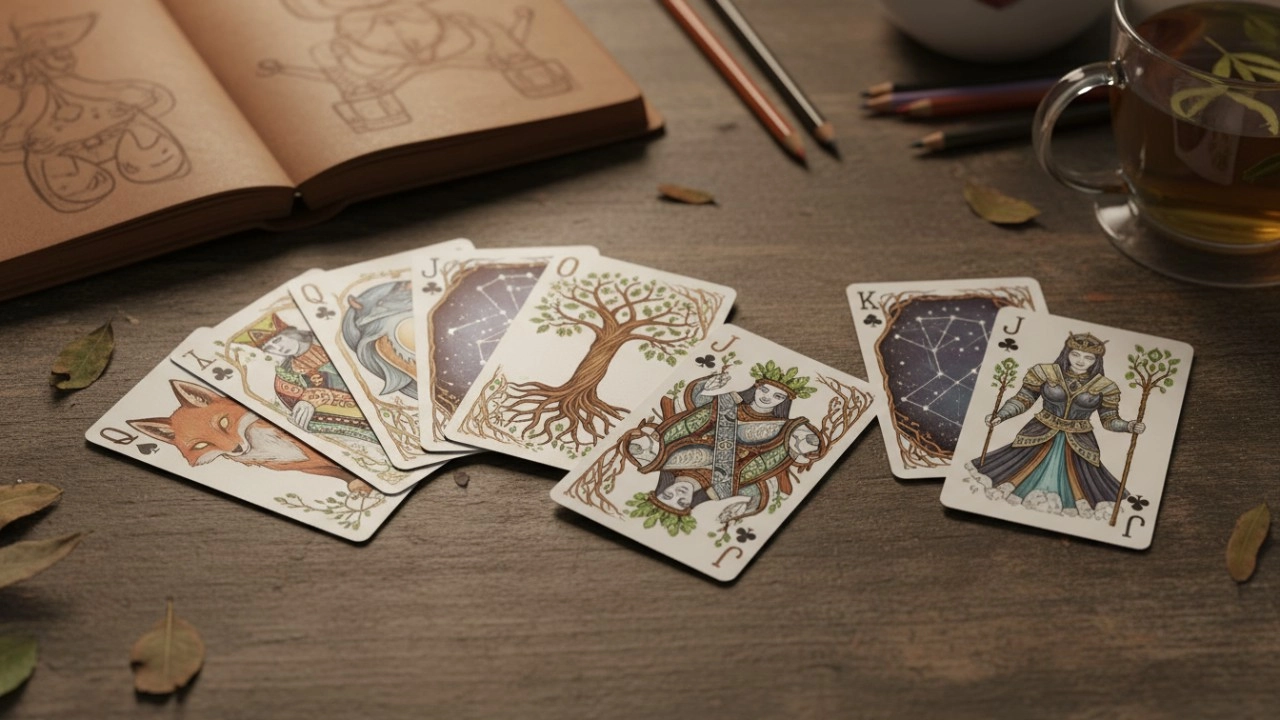
Custom Poker Card Printing: How to Choose a Professional Manufacturer for Your Brand
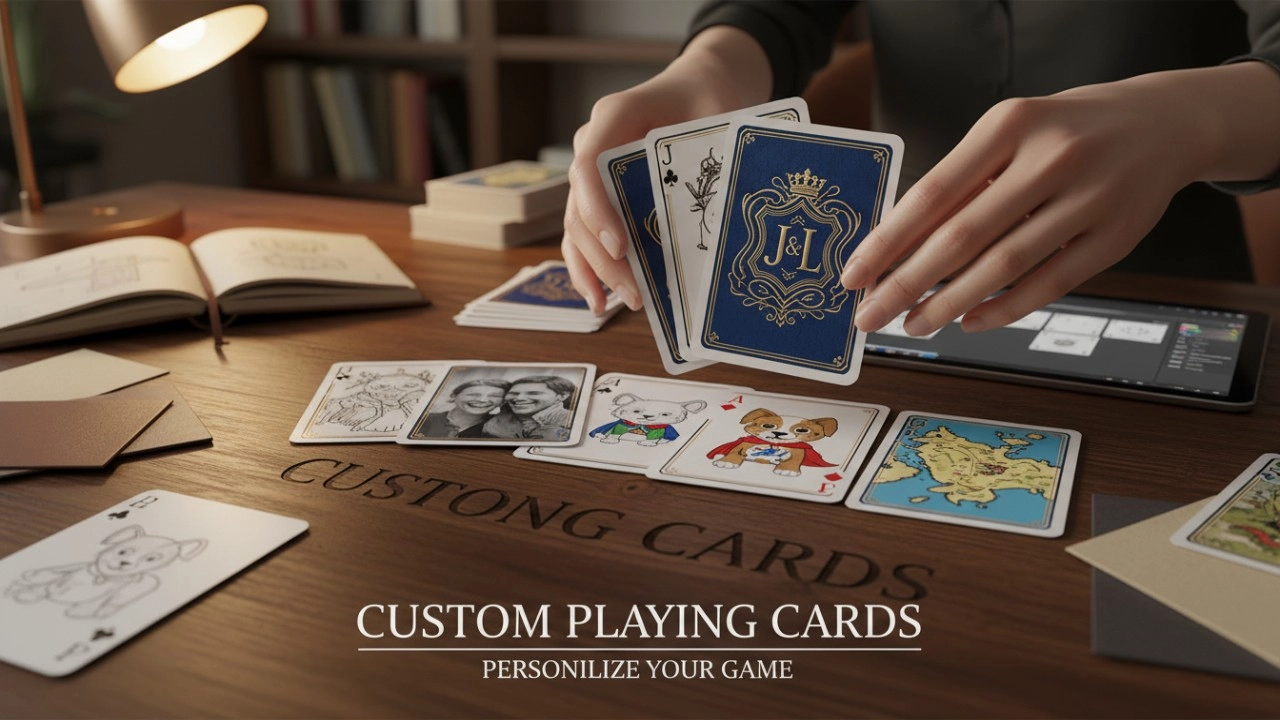
How to Create Your Own Custom Playing Cards: A Step-by-Step Design Tutorial (2026 Edition)
Beyond KEM: The 10 Best Professional Poker Card Brands You Didn't Know About (2026 Edition)
Custom Design Playing Cards: The Ultimate 2026 Guide to Manufacturing and Artistry
After-sales support
Can I order a sample before placing a formal order?
Yes, we can provide samples for your review. Please contact us to discuss pricing and options for samples.
About product selection
Can I see a sample before a full order?
Yes, we will provide a prototype sample for your review to ensure you are satisfied with the final product.
What types of playing cards do you offer?
We offer a wide range of playing cards including standard decks, custom-designed decks, and specialty cards. Whether you need classic poker cards, bridge cards, or custom promotional decks, we have the options to fit your needs.
About customized services
Can I see a proof before production?
Yes! We provide digital proofs for your approval before we start production. This ensures that everything meets your expectations.
About logistics
Can you handle shipping and fulfillment?
Yes! We offer comprehensive fulfillment services, including storage, packing, and shipping. You can rely on us to ensure your cards reach their destination safely and on time.
WE’D LOVE TO  HEAR
HEAR
FROM YOU
Please send us your inquiry details; our team will contact you ASAP.
20+ years of experience in custom playing cards, game cards, tarot cards, flashcards, and board games, as well as paper and paperboard box manufacturing.
bbilaser
sq_AL