
The Communication Catalyst for High-Performance Teams: How Conversation Cards Structure Meaningful Dialogue
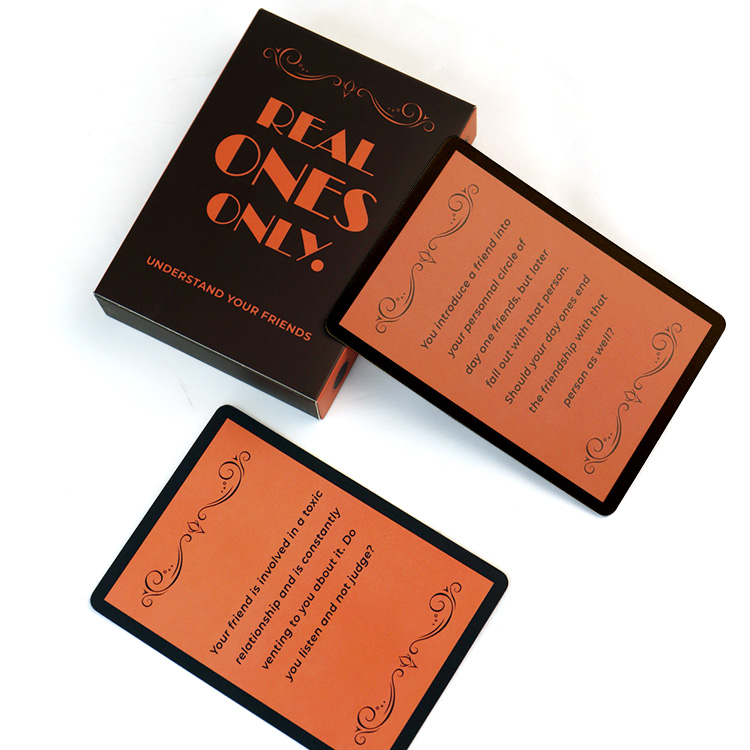
In the modern workplace, the quality of communication directly dictates the performance of a team. Yet, unstructured dialogue often leads to dominant voices overshadowing others, unspoken tensions, and meetings that conclude without genuine alignment. What high-performing teams require is not more talking, but better, more structured conversation. Conversation cards emerge as a powerful, systematic solution—a low-risk, high-reward framework designed to facilitate depth, ensure equity, and transform everyday interactions into engines for trust, innovation, and results. This guide explores how these simple tools are becoming indispensable for HR professionals, team leaders, and coaches committed to building resilient, communicative, and effective organizations.
- Chapter 1: Diagnosing the Communication Gap in Modern Teams
- Chapter 2: The Framework in Action: How Conversation Cards Work
- Chapter 3: Three Core Leadership Scenarios Powered by Conversation Cards
- Chapter 4: Building the Business Case: From Cards to Culture
- Chapter 5: Implementing Your Communication Catalyst Program
- Conclusion: The Future of Work is Conversational
Chapter 1: Diagnosing the Communication Gap in Modern Teams
Understanding the silent costs of poor communication that structured tools aim to solve.
-
The Illusion of Participation in Meetings
Traditional meetings often measure success by agenda completion, not by the quality of engagement. The result is "meeting theater," where a few individuals contribute while others disengage. Conversation cards dismantle this by providing every participant with a turn and a tangible prompt, ensuring 90%+ participation isn't an aspiration but a built-in outcome of the process. This structure moves teams from passive attendance to active contribution. -
The High Cost of Low Psychological Safety
Teams lacking psychological safety avoid difficult conversations, withhold innovative ideas for fear of judgment, and miss crucial feedback. Building this safety is abstract until given a tangible process. Conversation cards create a "container" for vulnerability. By answering a neutral card prompt like, "Share a time you failed and what you learned," individuals risk less than broaching the topic personally, yet the team collectively normalizes honesty and learning. -
The Cross-Functional Language Barrier
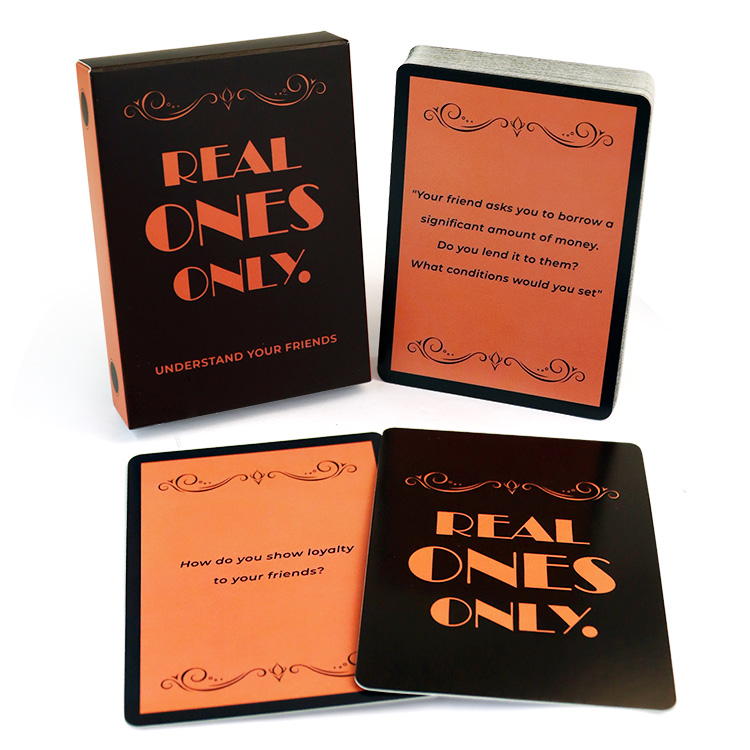
Engineers, marketers, designers, and executives often speak different professional "languages," leading to misunderstanding and siloed work. Conversation cards act as a universal translator, prompting discussions about values, challenges, and perspectives that are human-first, role-second. This builds the empathy and shared understanding necessary for seamless collaboration. -
Chapter 2: The Framework in Action: How Conversation Cards Work
Deconstructing the design principles that make card-based dialogue so effective.
-
Structured Spontaneity: The Power of the Prompt
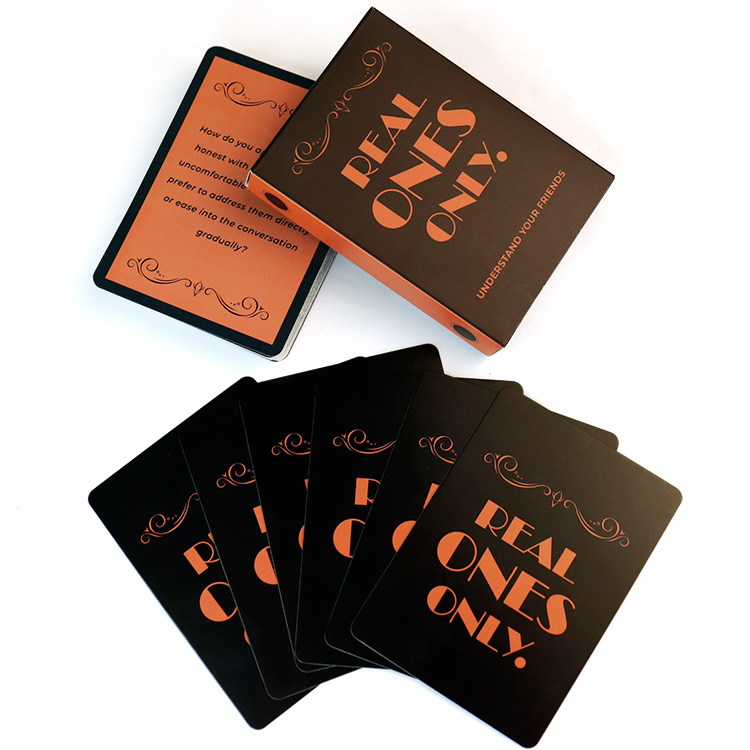
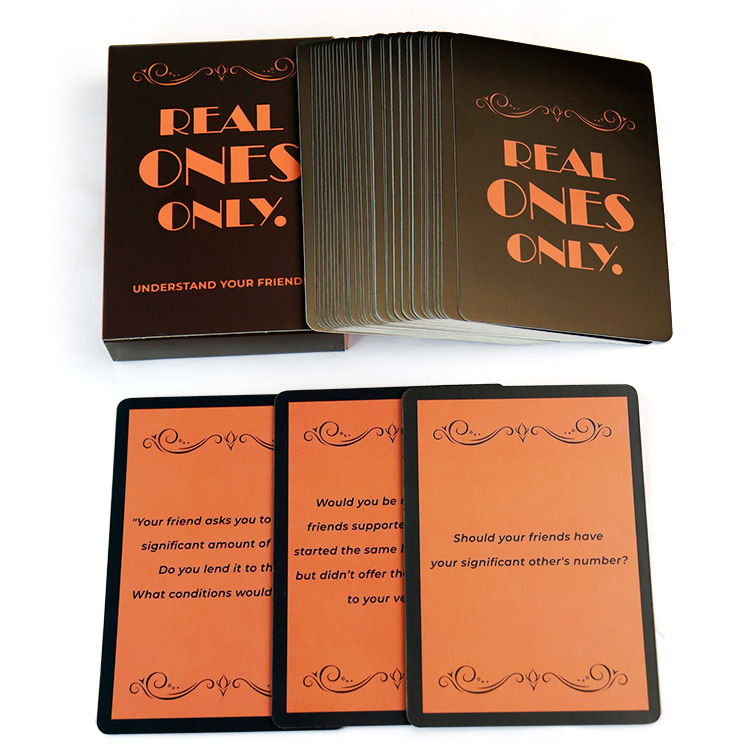
Each conversation card poses a question, scenario, or reflection designed to bypass superficial talk. The structure removes the cognitive load of "what should I say?" and the social anxiety of "is this appropriate?" This allows teams to dive deeper, faster, exploring topics like trust, motivation, and conflict in a guided yet authentic way. -
Equitable Air-Time by Design
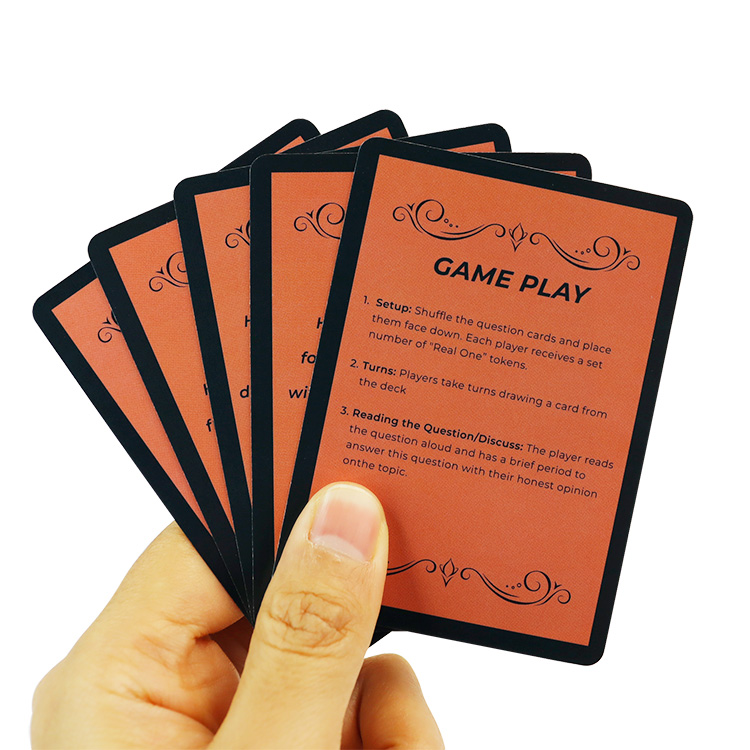
The physical (or digital) act of drawing a card and taking a turn institutionalizes fairness. It ensures introverted or junior team members have guaranteed space to be heard, while more dominant personalities learn to listen. This equitable process is fundamental to inclusive leadership and high-functioning team dynamics. -
Scalable Depth for Any Context
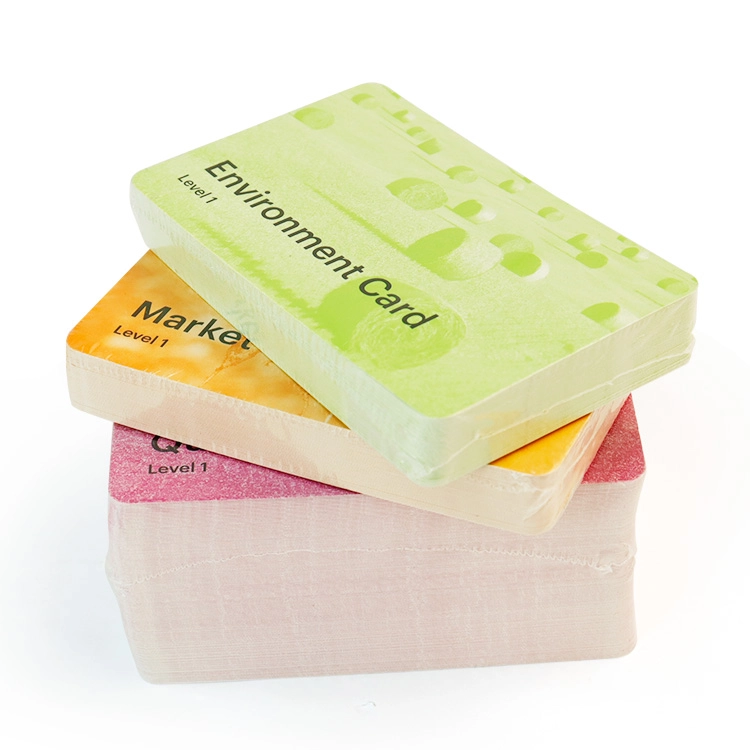
High-quality conversation card decks are tiered. Level 1 cards might be used for team kick-offs ("What's a non-work passion you have?"). Level 2 cards drive quarterly retrospectives ("What's one process that feels like friction to you?"). Level 3 cards facilitate strategic offsites ("What unspoken assumption about our market should we challenge?"). This allows leaders to calibrate the depth of conversation to the team's readiness and the meeting's goal. -
Chapter 3: Three Core Leadership Scenarios Powered by Conversation Cards
Practical applications that deliver immediate value for managers and coaches.
-
Scenario 1: Transforming the One-on-One Meeting
Move beyond status updates to developmental coaching. Using conversation cards, a manager can draw prompts like, "What part of your role currently energizes you the most, and why?" or "Where do you feel you need more autonomy or support?" This reveals intrinsic motivators and unseen blockers, transforming administrative check-ins into powerful retention and growth sessions. -
Scenario 2: Elevating Team Meetings and Quarterly Retrospectives
Replace monotonous "round-robin" updates with focused dialogue. At a project kick-off, cards can align the team on values ("What does 'quality' mean for this project?"). During a retrospective, cards can safely uncover root causes ("What was a minor frustration that persisted?"). This structured approach ensures meetings generate insight, not just information. -
Scenario 3: Accelerating New Hire Integration and Onboarding
Help new members move from names to trusted colleagues in weeks, not months. A dedicated set of conversation cards for onboarding can facilitate connections ("Share a story about a great mentor you've had") and impart culture ("How would you explain our team's mission to a friend?"). This builds belonging and accelerates productivity far faster than passive orientation. -
Chapter 4: Building the Business Case: From Cards to Culture
Quantifying the impact of investing in structured communication tools.
-
The Tangible ROI of Psychological Safety
Google's Project Aristotle identified psychological safety as the top predictor of team success. Conversation cards provide a direct, actionable method to build it. The return includes reduced turnover (saving 50-150% of a salary per lost employee), increased innovation (teams feel safe to experiment), and better decision-making (diverse viewpoints are surfaced). -
Reclaiming Wasted Meeting Time
With poorly run meetings costing organizations billions annually, tools that improve effectiveness have a direct bottom-line impact. Conversation cards make meetings more focused, engaging, and outcome-oriented. If a weekly team meeting for 10 people becomes 25% more effective, it saves hundreds of productive hours per year. -
Enhancing Managerial Effectiveness with Scalable Tools
Conversation cards act as a force multiplier for leadership development. They equip new managers with a ready-made framework for difficult conversations and enable experienced leaders to consistently engage their teams without exhaustive prep. This standardization of quality people-leadership is a strategic advantage. -
Chapter 5: Implementing Your Communication Catalyst Program
A step-by-step guide for HR and leadership to ensure successful adoption.
-
Phase 1: Pilot and Demonstrate Value
Start with a willing team or in a low-risk setting like a manager offsite or a department retreat. Frame the conversation cards as an "experiment in improving how we connect and collaborate." Gather immediate feedback on the experience and the insights generated. -
Phase 2: Train Facilitators and Champions
Success hinges on skillful facilitation. Train leaders and internal coaches on how to:-
Introduce the cards without creating skepticism.
-
Model vulnerability by answering first.
-
Manage time and ensure a safe, respectful environment.
-
Synthesize insights and connect them to actionable next steps.
-
-
Phase 3: Integrate into Existing Rhythms and Rituals
Sustainability comes from integration, not addition. Embed conversation cards into:-
Weekly team check-ins.
-
Onboarding schedules for new hires.
-
Quarterly business review (QBR) and planning cycles.
-
Leadership development program curricula.
-
-
Phase 4: Measure, Iterate, and Scale
Track adoption and impact through:-
Regular, anonymous pulse surveys on psychological safety and meeting effectiveness.
-
Retention rates within teams using the tools.
-
Anecdotal success stories shared in internal communications.
-
Demand from other teams for decks and training.
-
-
Conclusion: The Future of Work is Conversational
The most sophisticated strategy or innovative technology will fail without a team capable of talking about it openly, honestly, and effectively. Conversation cards represent a fundamental upgrade to an organization's communication operating system. They are not a trivial "team-building exercise" but a professional instrument for developing the human infrastructure required for agility, resilience, and sustained high performance.
By providing a simple, repeatable framework for depth, conversation cards empower leaders to move beyond managing output to cultivating insight. They transform teams from collections of individuals into coherent, thinking organisms. In an era defined by complexity and change, investing in the quality of your team's dialogue is not a soft skill—it's the ultimate competitive advantage. The catalyst for unlocking that advantage may just be a deck of cards, waiting to be dealt.

The Curated Wild: A Lifestyle Brand's Statement Piece – The Power of Custom Wildflower Playing Cards

Custom Poker Card Printing: How to Choose a Professional Manufacturer for Your Brand
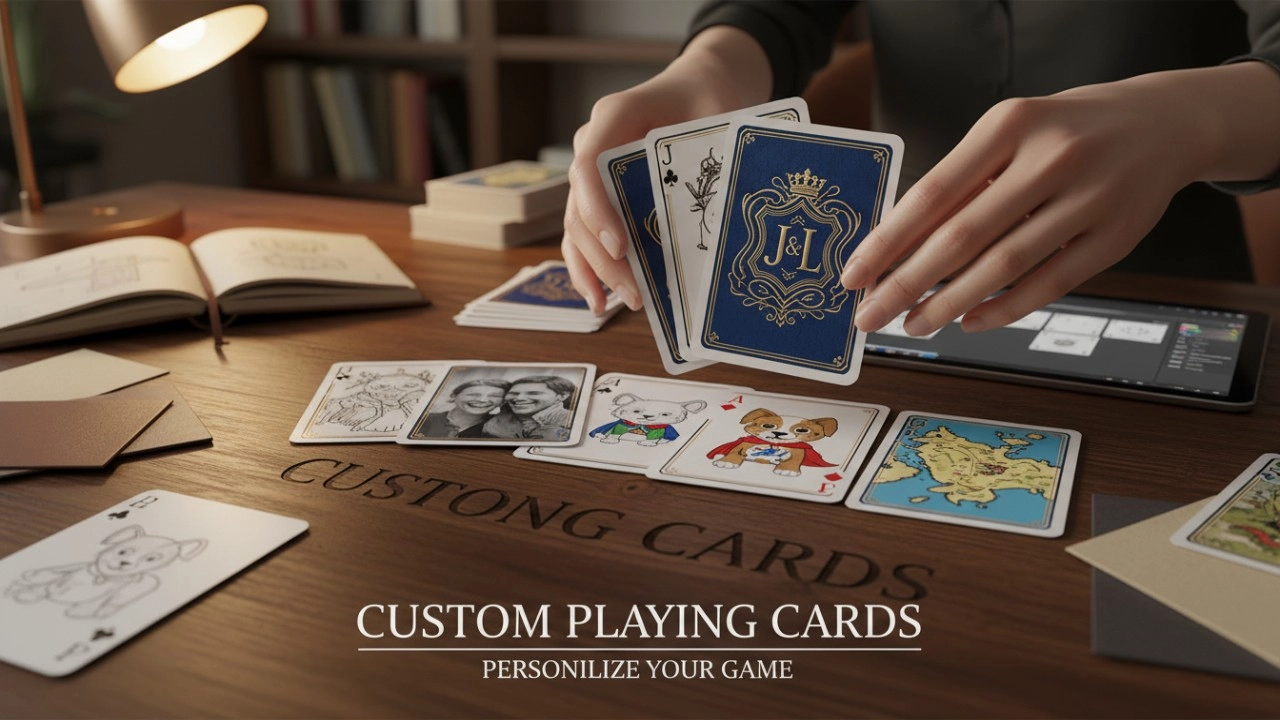
How to Create Your Own Custom Playing Cards: A Step-by-Step Design Tutorial (2026 Edition)

Beyond KEM: The 10 Best Professional Poker Card Brands You Didn't Know About (2026 Edition)
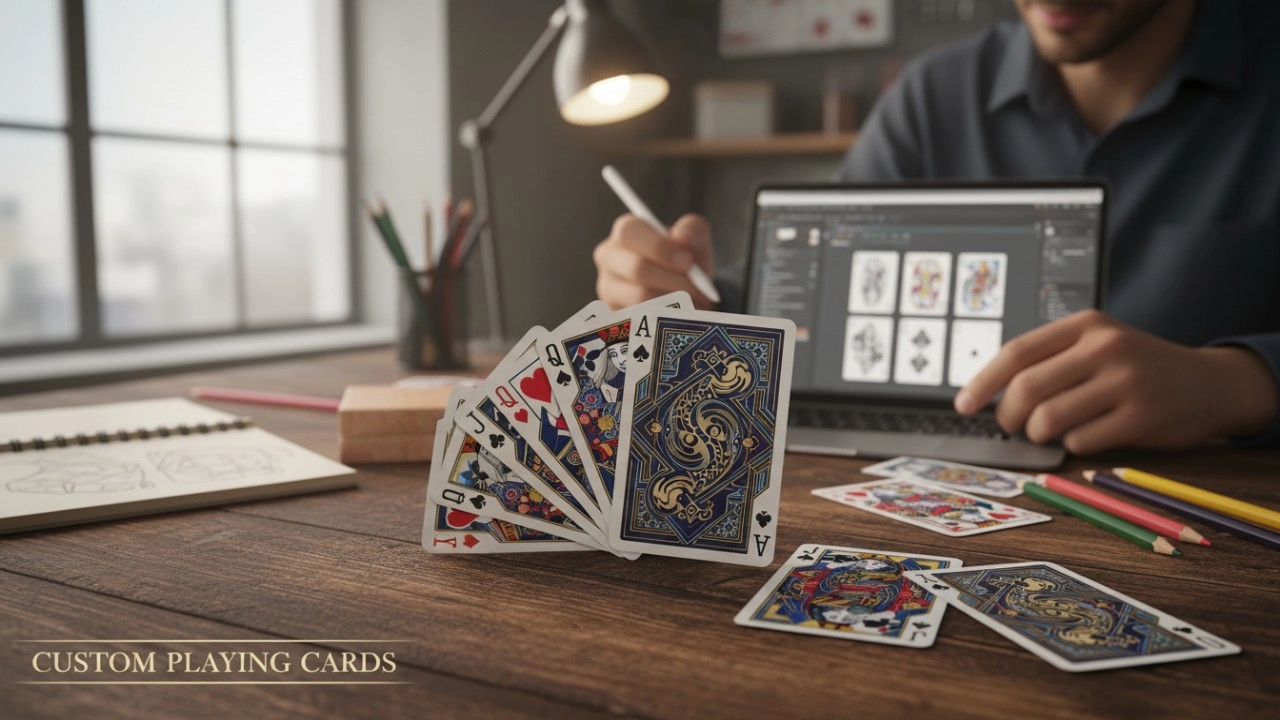
Custom Design Playing Cards: The Ultimate 2026 Guide to Manufacturing and Artistry
About price and payment
What are the payment terms?
We require a 30% deposit upon order confirmation and the balance before shipment.
How can I get a quote?
Getting a quote is easy! Simply fill out our contact form or call us directly with your project details, and we’ll get back to you with a tailored quote promptly.
About customized services
Can I see a proof before production?
Yes! We provide digital proofs for your approval before we start production. This ensures that everything meets your expectations.
After-sales support
Can I order a sample before placing a formal order?
Yes, we can provide samples for your review. Please contact us to discuss pricing and options for samples.
About logistics
Can you handle shipping and fulfillment?
Yes! We offer comprehensive fulfillment services, including storage, packing, and shipping. You can rely on us to ensure your cards reach their destination safely and on time.
WE’D LOVE TO  HEAR
HEAR
FROM YOU
Please send us your inquiry details; our team will contact you ASAP.
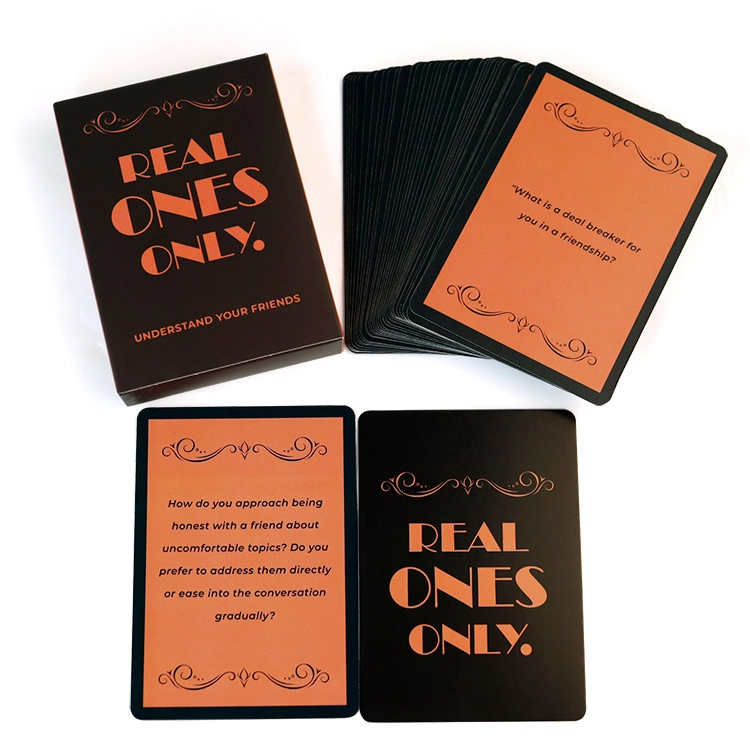
20+ years of experience in custom playing cards, game cards, tarot cards, flashcards, and board games, as well as paper and paperboard box manufacturing.
bbilaser
sq_AL