
Color Psychology in Playing Card Design | Expert Guide
Explore the powerful role of color psychology in playing card design. Discover how hues like red, blue, and black influence emotion, perception, and strategy, from classic decks to modern collectibles.
Have you ever felt a surge of excitement with a red-backed deck or a sense of calm focus with a blue one? This is no coincidence. It's the result of meticulous design choices rooted in color psychology. In the world of playing cards, color is far more than just decoration; it's a silent language that communicates brand identity, influences player emotion, and enhances functionality. For designers and collectors alike, understanding this relationship is key to appreciating the art and science behind every deck.
This article will explore how color psychology is expertly applied in playing card design, shaping everything from classic casino standards to the most innovative custom decks.
Why Color Matters: More Than Just Aesthetics
Playing cards are a unique blend of art and tool. Their design must balance three critical elements:
-
Functionality: Colors must ensure clarity and quick identification during fast-paced games.
-
Aesthetics: Color creates visual appeal, turning a game piece into a collectible work of art.
-
Psychology: Colors evoke subconscious associations that set the mood, build trust, and create narrative.
Color is the fundamental element that ties all these aspects together, making it a powerful strategic tool for designers.
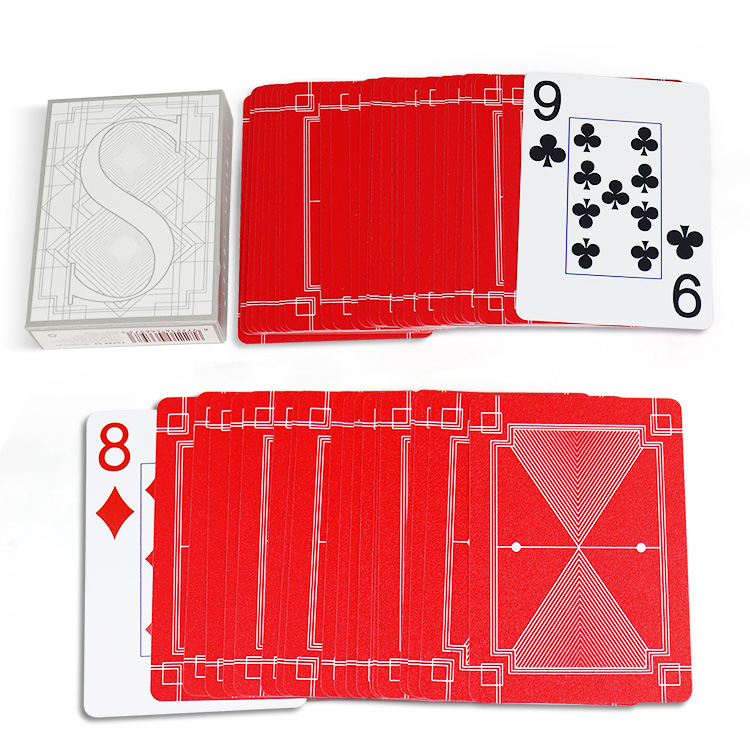
The Color Code: Decoding Hues in Card Design
Let's break down the common colors used in decks and the powerful psychological messages they send:
1. Red: Energy, Power, and Action
-
Psychology: Red is the most intense color. It raises energy levels, increases heart rate, and is associated with passion, excitement, confidence, and danger.
-
Application in Cards: Red commands attention and evokes a sense of classic, high-stakes gameplay. It's the color of action, making it perfect for poker nights and magic tricks that rely on dramatic flair. Think of the iconic red Bicycle deck—it feels traditional, powerful, and exciting.
2. Blue: Trust, Calm, and Concentration
-
Psychology: Blue evokes feelings of calm, stability, trust, and intelligence. It has a calming effect on the mind and aids mental focus.
-
Application in Cards: Blue decks are perceived as serious, reliable, and strategic. This is why blue is a staple for magicians and cardists (performance artists) who require precision and concentration. A blue deck, like a classic blue Bee deck, communicates trustworthiness and is often favored for long, strategy-based games like Bridge.
3. Black: Elegance, Mystery, and Authority
-
Psychology: Black symbolizes power, sophistication, formality, and mystery. It's a bold, authoritative, and often luxurious color.
-
Application in Cards: Black decks are instantly striking and modern. They target collectors and performers, conveying a sense of drama, luxury, and mystery. A black deck makes a magician's performance feel more sophisticated and a card flourish appear sleeker. It’s the go-to choice for "dark" or luxury-themed decks.
4. White, Gold & Silver: Purity, Luxury, and Exclusivity
-
Psychology: White represents purity, simplicity, and minimalism. Metallic gold and silver are universally associated with wealth, prestige, and high quality.
-
Application in Cards: White decks feel clean and modern. When accented with gold or silver foil stamping, the deck is transformed into a premium luxury item. This combination screams "limited edition" and "collector's item," driving desirability and perceived value.
5. Green: Growth, Luck, and Prosperity
-
Psychology: Green is tied to nature, harmony, and growth. Crucially, it is also the color of money and luck, especially in Western culture.
-
Application in Cards: Green is a natural choice for decks themed around casinos, wealth, or nature. It can create the feeling of a "lucky" deck or evoke a sense of calm, organic beauty.
6. Purple: Royalty, Creativity, and Magic
-
Psychology: Historically, purple dye was rare and expensive, making it the color of royalty, nobility, and luxury. It also carries strong associations with creativity, spirituality, and magic.
-
Application in Cards: Purple is a popular choice for decks with a fantasy, mystical, or royal theme. It immediately suggests a sense of grandeur and wonder, perfect for telling a magical story.

Beyond the Back: Color Application on Faces and Pips
Color psychology isn't limited to the card back. The faces are equally important:
-
Traditional Red & Black Pips: The high-contrast combination of red (Hearts, Diamonds) and black (Spades, Clubs) on a white background is the ultimate example of functional design. It allows for instant suit recognition across a table.
-
Custom Color Schemes: Modern designers sometimes recolor pips to match a deck's theme (e.g., green spades for a nature deck). However, they often maintain a high-contrast relationship to preserve functionality.
-
Court Cards: The colors used in the illustrations of Kings, Queens, and Jacks reinforce their character and the deck's overall narrative (e.g., royal purple robes, golden crowns).
Strategic Design: How Pros Use Color
Modern designers use color psychology in advanced ways:
-
Target Audience Appeal: Decks for cardists use vibrant, color-shifting patterns to make flourishes visually dynamic. Casino decks use standard colors to maintain seriousness and prevent cheating.
-
Creating Rarity & Value: Using a rare ink like metallic copper or a unique Pantone shade can create instant exclusivity, making a deck a must-have for collectors.
(Conclusion)
The next time you hold a deck of cards, look closely. Its colors are speaking to you. They are setting the stage for your game, influencing your focus, and appealing to your emotions. From the trusted blue of a standard deck to the luxurious gold of a limited edition, color psychology is the invisible force that transforms simple cardstock into an experience.
For designers, mastering this palette is essential to creating decks that are not only beautiful but also psychologically resonant and functionally perfect. It's truly the winning hand in the art of playing card design.
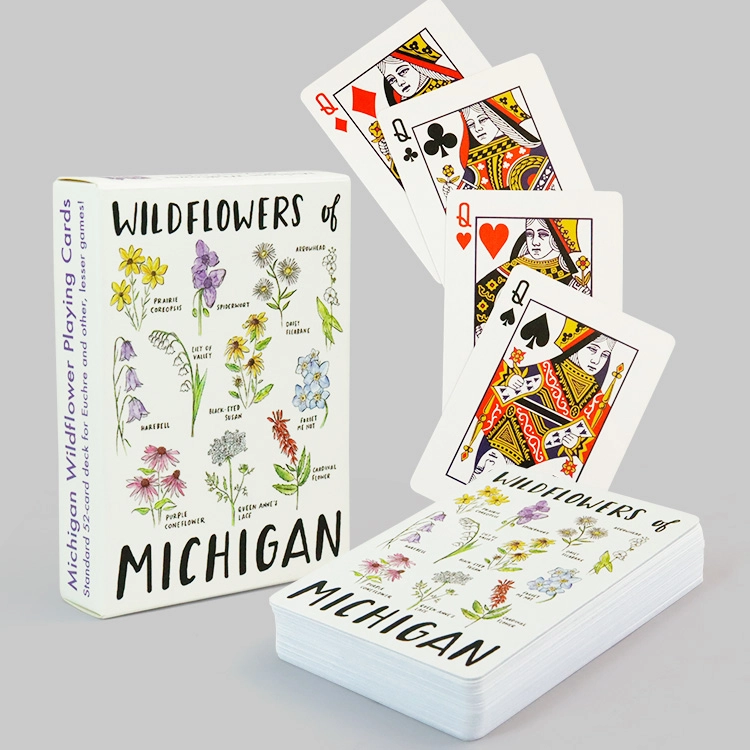
The Curated Wild: A Lifestyle Brand's Statement Piece – The Power of Custom Wildflower Playing Cards
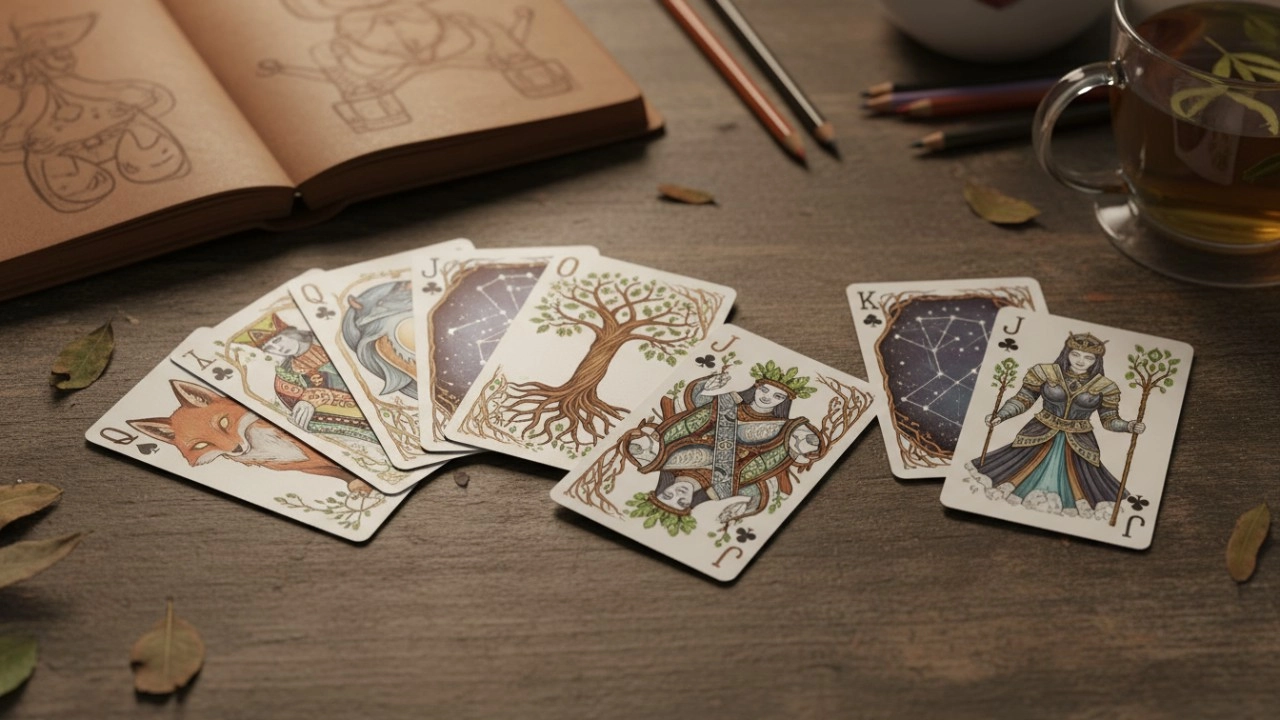
Custom Poker Card Printing: How to Choose a Professional Manufacturer for Your Brand
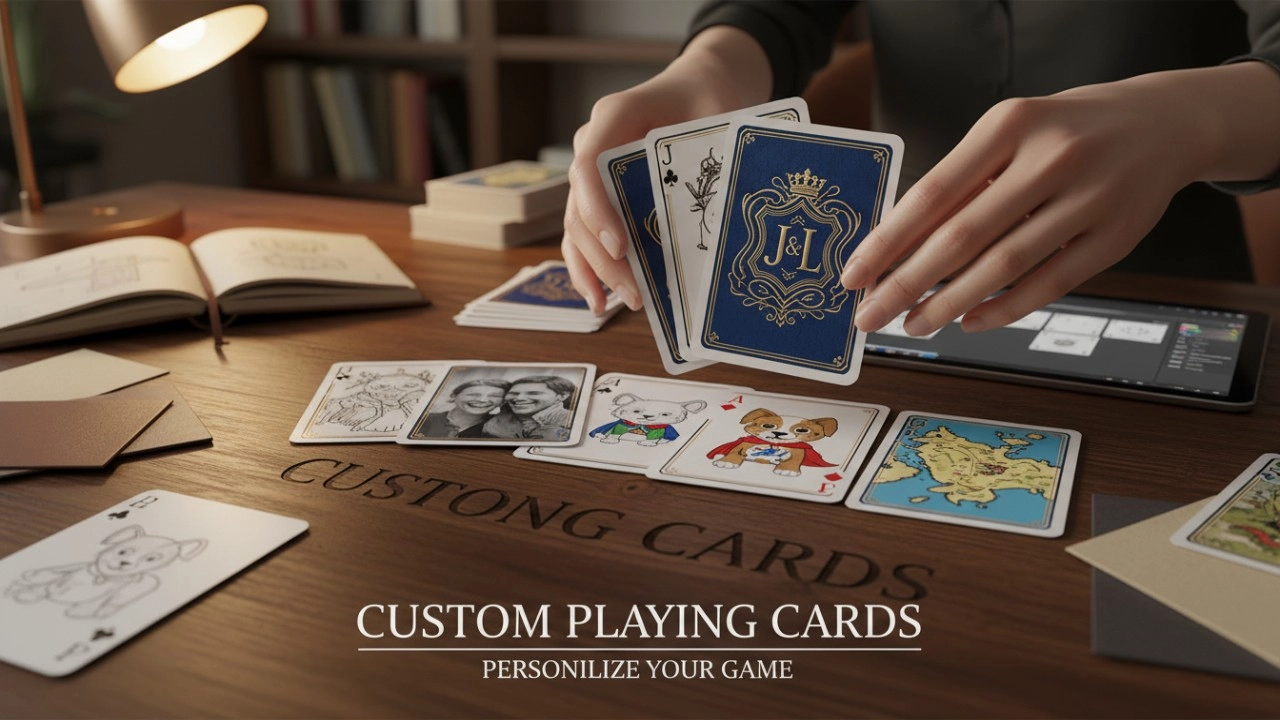
How to Create Your Own Custom Playing Cards: A Step-by-Step Design Tutorial (2026 Edition)
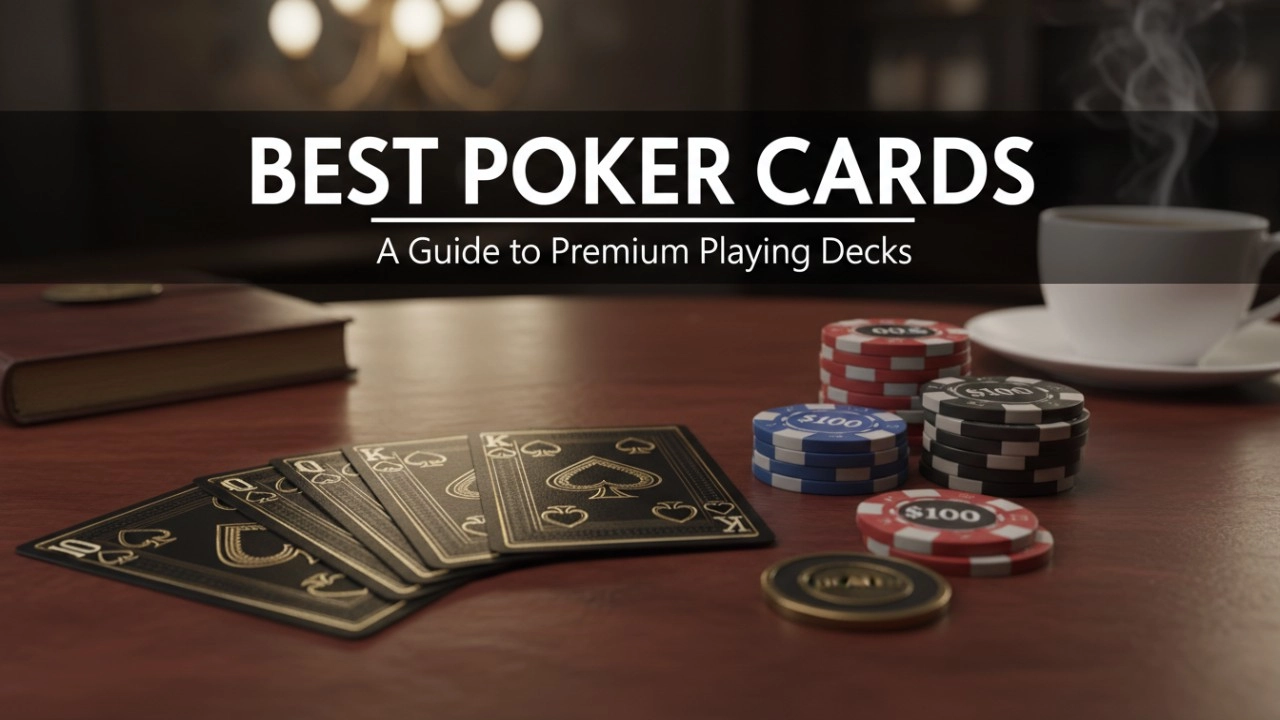
Beyond KEM: The 10 Best Professional Poker Card Brands You Didn't Know About (2026 Edition)
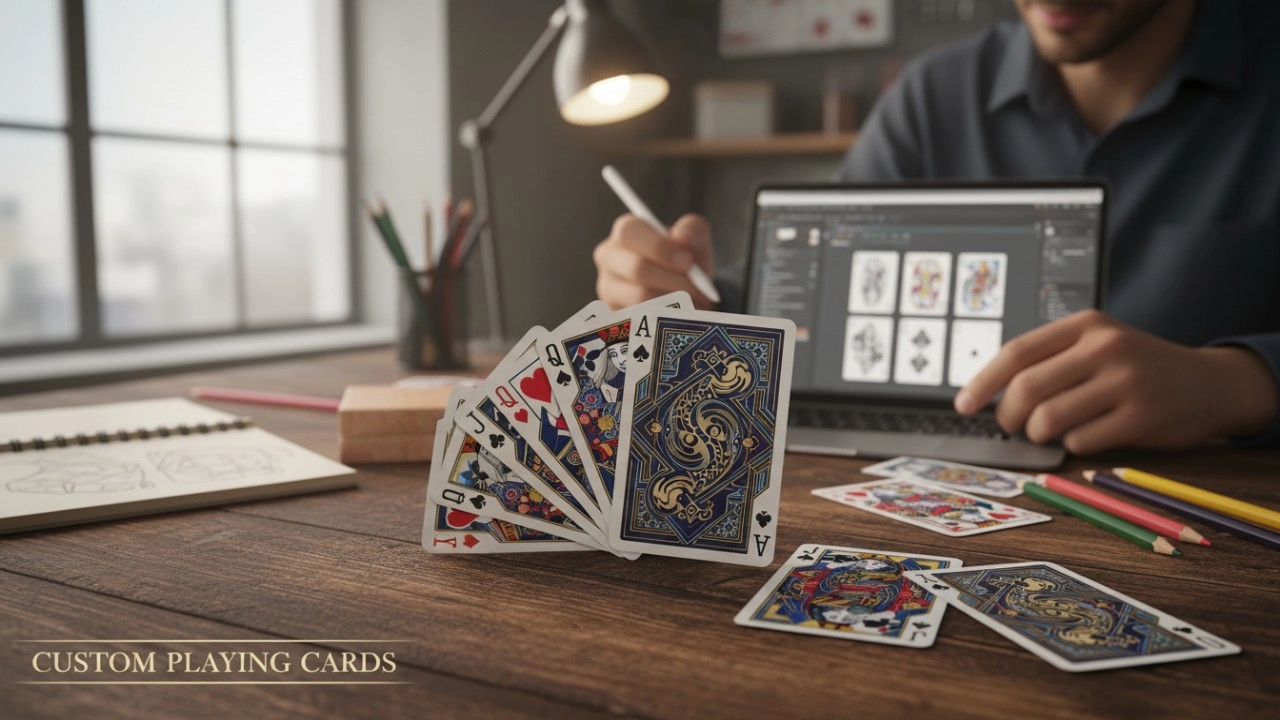
Custom Design Playing Cards: The Ultimate 2026 Guide to Manufacturing and Artistry
About cooperation process
Do you accept international orders?
Yes, we accept orders from around the world! Shipping costs and delivery times may vary, so please contact us for specific details related to your location.
About customized services
Do you offer samples?
Yes! We can provide samples of our card materials and finishes. Please contact us to request samples relevant to your project.
What is the minimum order quantity?
We do not have a strict minimum order quantity. Since we are a custom offset printing company, we recommend a minimum order of 500 sets, as the material costs are the same, but the printing setup costs are higher.
However, if your order quantity is less than 300 sets, our sales team will usually work with customers to help customers find the most competitive options.
About price and payment
How can I get a quote?
Getting a quote is easy! Simply fill out our contact form or call us directly with your project details, and we’ll get back to you with a tailored quote promptly.
About product selection
Can I see a sample before a full order?
Yes, we will provide a prototype sample for your review to ensure you are satisfied with the final product.
WE’D LOVE TO  HEAR
HEAR
FROM YOU
Please send us your inquiry details; our team will contact you ASAP.
20+ years of experience in custom playing cards, game cards, tarot cards, flashcards, and board games, as well as paper and paperboard box manufacturing.