
The Fascinating Origin of Playing Cards: A Historical Journey
Playing cards have been a source of entertainment, art, and even divination for centuries. But where did these colorful decks originate? This article explores the true history of playing cards, from their ancient beginnings to the modern 52-card deck we know today.
- The Ancient Origins of Playing Cards
- 1. The Chinese Invention (9th Century)
- 2. Spread to the Islamic World (12th–14th Century)
- Playing Cards Arrive in Europe (14th Century)
- 1. Italy & Spain: The First European Decks
- 2. France Standardizes the Modern Deck
- 3. The British Influence & the 52-Card Deck
- The Symbolism of Cards: Hidden Meanings
- 1. The Royal Court: Kings, Queens, and Jacks
- 2. The Joker: A Late Addition
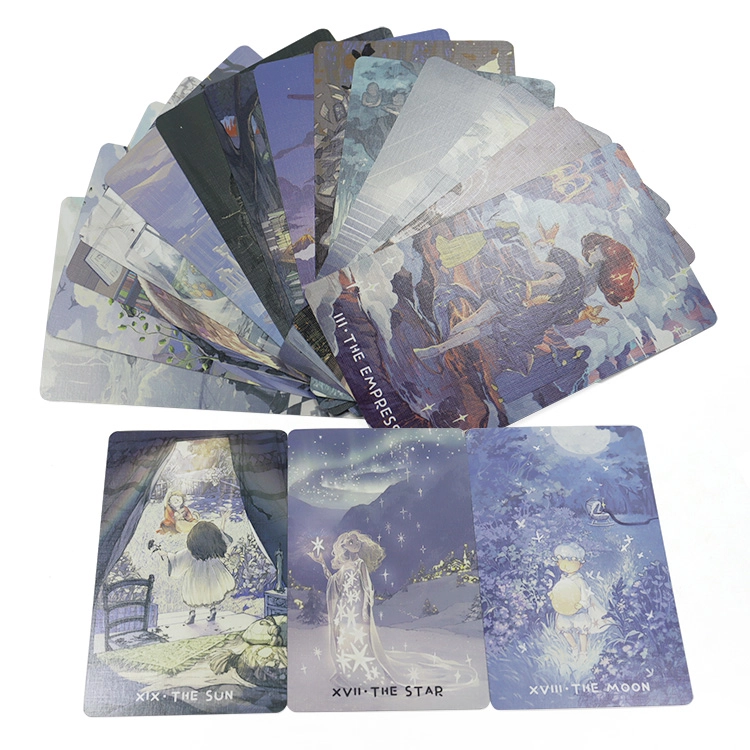
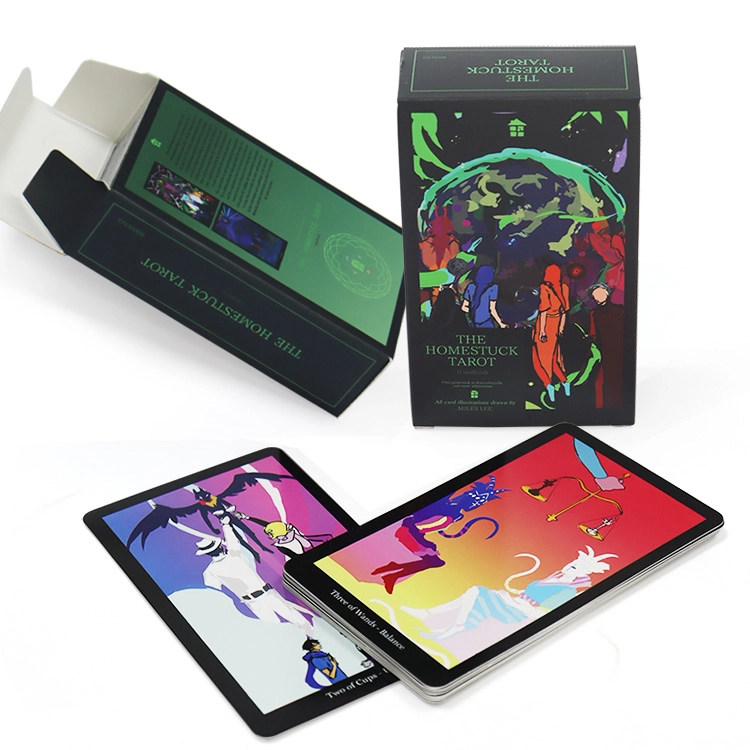
- Playing Cards vs. Tarot: What’s the Difference?
- How Playing Cards Shaped Culture
- Conclusion
The Ancient Origins of Playing Cards
1. The Chinese Invention (9th Century)
Most historians agree that playing cards first appeared in China during the Tang Dynasty (618–907 AD).
-
Early cards were made from paper, wood, or ivory.
-
They were used for games and gambling, similar to modern dominoes.
-
The "money-suited" cards (coins, strings of coins, myriads, and tens) influenced later designs.
2. Spread to the Islamic World (12th–14th Century)
-
Arab traders brought cards to Persia and Egypt.
-
The Mamluk Sultanate (Egypt) created a 52-card deck with swords, cups, coins, and polo sticks—early versions of modern suits.
-
These decks had no human figures due to Islamic art restrictions.
-

Playing Cards Arrive in Europe (14th Century)
1. Italy & Spain: The First European Decks
-
Cards entered Europe through Venetian and Spanish traders.
-
Early European decks had four suits: Swords, Cups, Coins, and Batons (still used in Spanish/Italian decks today).
2. France Standardizes the Modern Deck
-
By the 15th century, French card makers introduced:
-
♥ Hearts (representing the Church)
-
♦ Diamonds (Merchants)
-
♣ Clubs (Peasants)
-
♠ Spades (Military)
-
-
The King, Queen, and Jack were added, inspired by royalty.
3. The British Influence & the 52-Card Deck
-
England adopted French suits but removed the Joker (originally a German addition).
-
The 52-card deck became standard for poker and bridge.
The Symbolism of Cards: Hidden Meanings
1. The Royal Court: Kings, Queens, and Jacks
-
Kings represented real monarchs (Charlemagne, David, Caesar, Alexander).
-
Queens were added later (possibly inspired by Joan of Arc).
-
Jacks (originally "Knaves") were military servants.
2. The Joker: A Late Addition
-
Introduced in 19th-century America for the game Euchre.
-
Became a wild card in poker and a trickster figure in pop culture.
Playing Cards vs. Tarot: What’s the Difference?
-
Tarot cards (1440s Italy) were first used for games, not fortune-telling.
-
The Major Arcana (Fool, Magician, etc.) were added later.
-
Standard playing cards evolved separately from Tarot.
-

How Playing Cards Shaped Culture
-
Gambling: Cards fueled casinos and underground betting.
-
Magic: Magicians used decks for sleight-of-hand tricks.
-
Art & Design: Custom decks became collector’s items.
-
War: Soldiers played cards to pass time in trenches.
-

Conclusion
From ancient China to modern casinos, playing cards have a rich and surprising history. The next time you hold a deck, remember—you're holding 600 years of art, symbolism, and global exchange!
Want to learn more? Explore antique card collections or try a historical card game
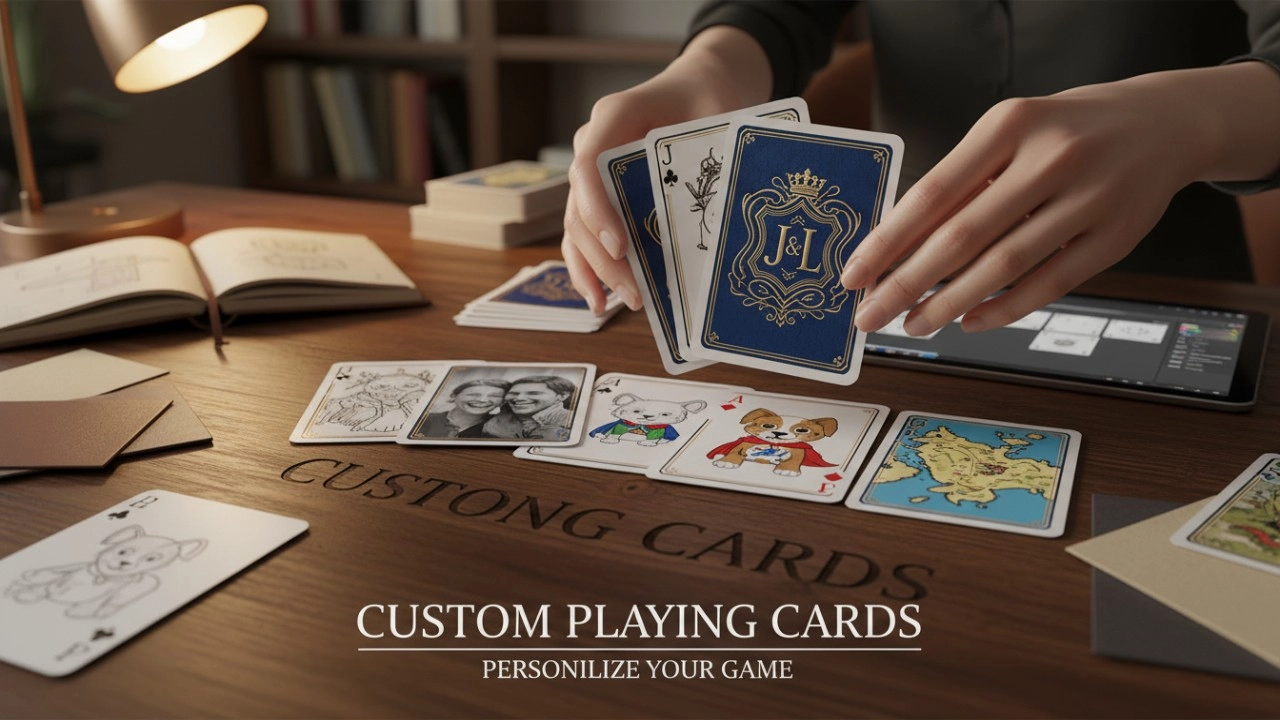
How to Create Your Own Custom Playing Cards: A Step-by-Step Design Tutorial (2026 Edition)
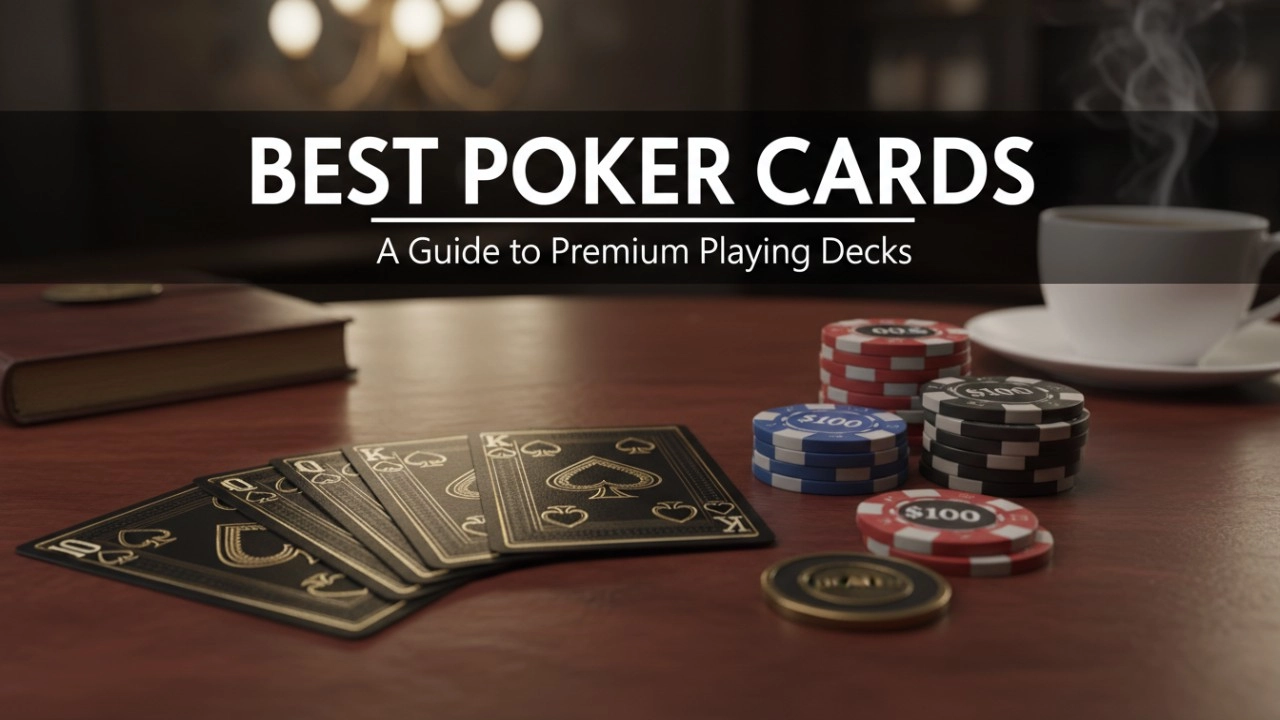
Beyond KEM: The 10 Best Professional Poker Card Brands You Didn't Know About (2026 Edition)
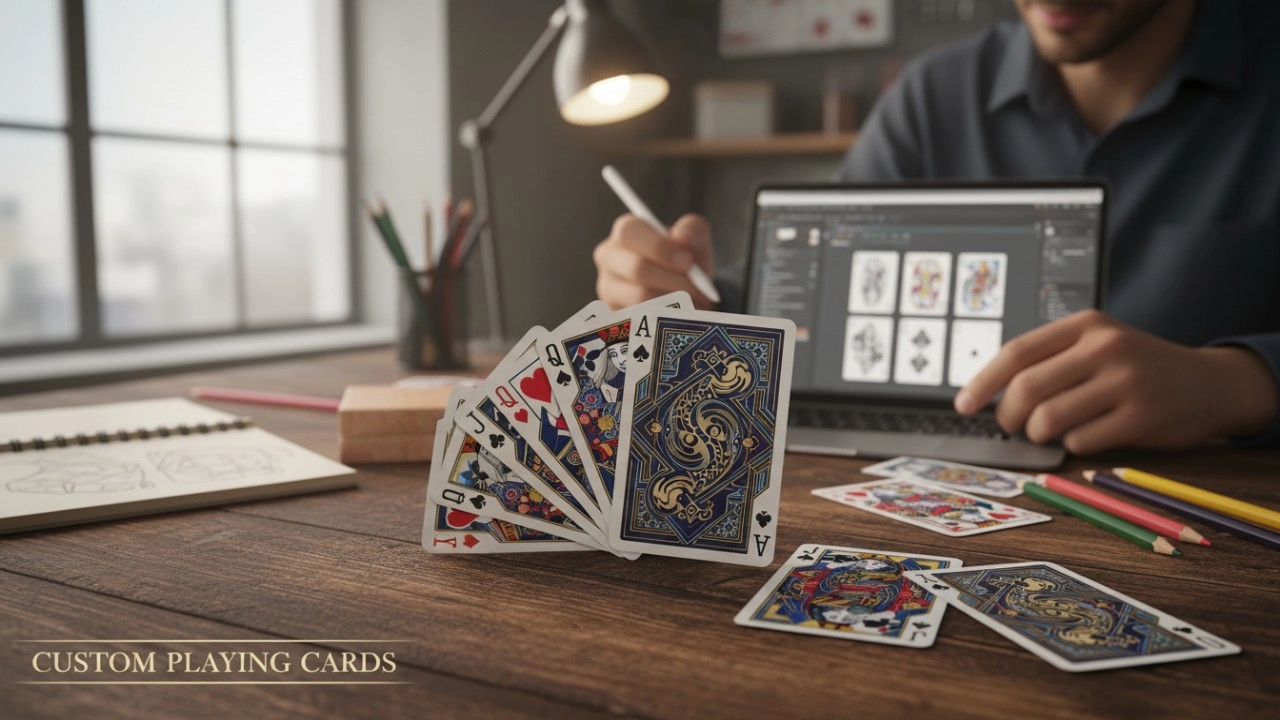
Custom Design Playing Cards: The Ultimate 2026 Guide to Manufacturing and Artistry
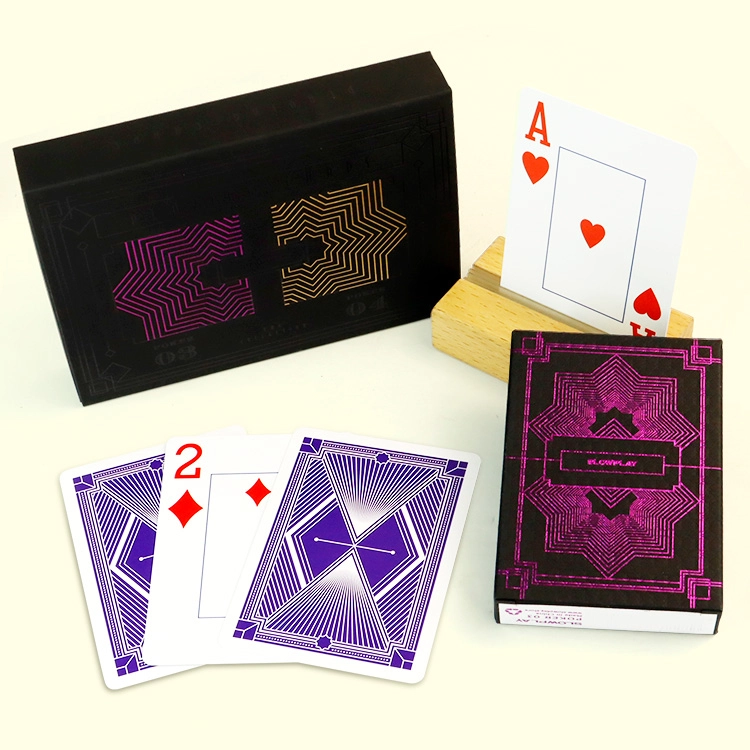
Double the Impact: The Substantial Two-Deck Custom Playing Card Gift That Demands Attention
The Ultimate Guide to Custom Playing Card Printing in 2026: Professional Techniques & Design
About customized services
What is the minimum order quantity for Private Label projects?
Our minimum order quantity usually starts at 500 pairs. However, we can handle smaller orders depending on the specific project requirements.
About cooperation process
How do you ensure the quality of your cards?
We implement strict quality control measures at every stage of production. Our team conducts thorough inspections to ensure each card meets our high standards before shipping.
How long does the OEM process take?
The time depends on the complexity of the project, but generally OEM orders take about 6 weeks from design confirmation to delivery.
About product selection
Is there a design template I can use?
Yes, we provide design templates for different card types. You can download them from our website or request them directly from our team.
After-sales support
Can I order a sample before placing a formal order?
Yes, we can provide samples for your review. Please contact us to discuss pricing and options for samples.
WE’D LOVE TO  HEAR
HEAR
FROM YOU
Please send us your inquiry details; our team will contact you ASAP.
20+ years of experience in custom playing cards, game cards, tarot cards, flashcards, and board games, as well as paper and paperboard box manufacturing.
bbilaser
sq_AL